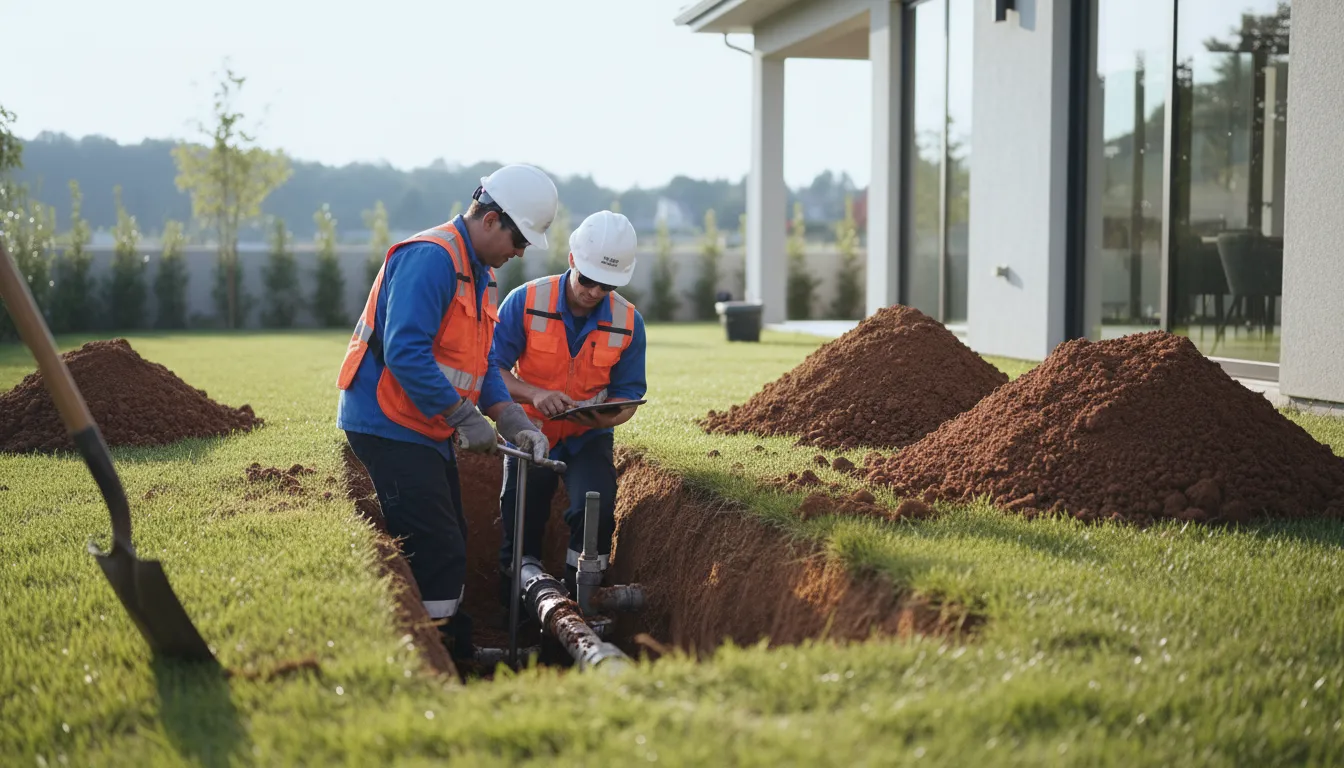
Find the Best Septic System Repair Companies for Your Business
No obligation • Fast responses • Nationwide coverage

Why you can trust Septic Spot
Septic Spot is a leading United States resource for understanding and comparing septic services. Our editors review providers using consistent criteria and verify key business details. Listings and scores are independent, and companies cannot pay to influence our content.
Search providers near you
Best Septic System Repair Companies in Alaska Ranked
When your septic system fails, it's more than an inconvenience-it's a potential health hazard and a threat to Alaska's sensitive environment. Septic system repair involves diagnosing and fixing issues with your onsite wastewater treatment system, from clogged pipes to full drainfield replacement. In Alaska, this work is governed by strict state and local regulations to protect public health and the pristine wilderness. This guide explains the repair process, costs, and regulatory landscape to help you find qualified local professionals who can navigate Alaska's unique challenges and get your system functioning properly again.
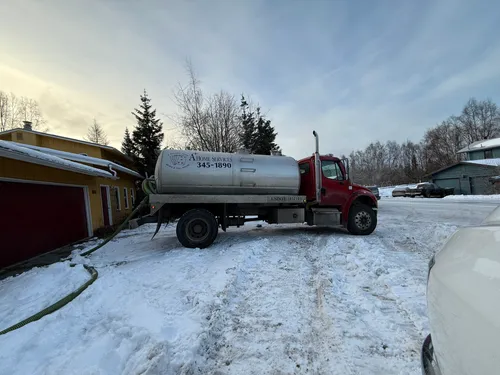
ARM Septic Services
17933 Old Glenn Hwy, Chugiak, AK 99567
ARM Septic Services is a septic system repair company based in Anchorage, AK. They provide construction, maintenance, and repair services for septic systems throughout the state of Alaska. The company focuses on building lasting relationships with customers by delivering attentive care and practical solutions for septic needs.
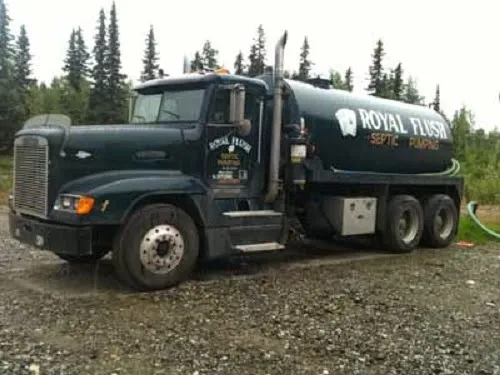
Royal Flush Septic Pumping
7241 Sunrise Dr, Wasilla, AK 99623
Royal Flush Septic Pumping provides a full range of septic services in Anchorage, AK, including septic tank pumping, inspection, repair, and installation. They also handle drain field repair and replacement, septic pump repair or replacement, and offer commercial sewer repair and pipe video inspection. The company is equipped with vacuum trucks and provides year-round service to manage the challenges posed by Alaska's harsh weather conditions. Royal Flush offers 24/7 emergency septic and sewer services to address urgent needs promptly.
Knik Sewer, Drain and Excavation
Anchorage, AK
Knik Sewer, Drain and Excavation is a septic tank inspection, repair, and installation company located in Anchorage, AK. They provide a full range of civil construction services including site preparation and commercial tank farm construction. Their team specializes in septic system installation, drain cleaning, and drain field repair or replacement. Knik SDX works closely with engineers and inspectors to ensure projects run smoothly and meet client needs.
A+ Home Services, Inc.
700 W 41st Ave STE 201, Anchorage, AK 99503
A+ Home Services, Inc. provides septic system installation, pumping, inspection, repair, and drain field services in Anchorage, AK. With over 30 years of experience, they also offer excavation services including site preparation and drainage system installation for residential and commercial properties. The company specializes in a variety of septic systems, including advanced treatment options like Orenco and Advantex, and uses modern equipment to complete projects efficiently while adhering to local regulations.

Septic Solutions
4400 Dimond Way, Wasilla, AK 99654
Septic Solutions is a septic tank pumping, inspection, repair, and installation company based in Anchorage, AK. Serving South Central Alaska, including areas from Girdwood to Talkeetna, they provide comprehensive septic services supported by an in-house engineering team. Their expertise includes designing and installing various septic systems, performing real estate septic inspections with Certificates of On-Site Systems Approval, and using video pipe inspections to diagnose issues efficiently. With over 30 years of experience, they also handle complex repairs such as collapsed pipes and groundwater remediation. Septic Solutions offers personalized consultations to help clients understand their options and ensure long-term septic system performance.
Understanding Alaska's Septic Repair Regulations
Before any significant repair work begins, understanding the regulatory framework is crucial. The Alaska Department of Environmental Conservation (ADEC) oversees all onsite wastewater systems under Title 18 of the Alaska Administrative Code (18 AAC 72). These rules are designed to ensure systems function correctly and don't contaminate groundwater, which is especially important in areas with permafrost or high water tables.
A key first step is determining if your repair requires a permit. ADEC mandates plans and permits for new installations, substantial modifications, and extensive repairs. What constitutes an "extensive repair" can vary, but it generally includes any work that alters the system's design capacity, location, or treatment method. For example, replacing a section of pipe is often considered maintenance, while repairing or replacing a failing drainfield almost always requires a permit and professional engineering oversight.
Local Municipal Requirements
State regulations are the baseline, but many municipalities have stricter local codes. Two notable examples are Anchorage and Valdez.
- Anchorage: The Municipality of Anchorage requires homeowners to submit a detailed site plan and narrative for any septic system repair, ensuring compliance with Anchorage Municipal Code 16.65 1 2. The city is particularly vigilant about older steel tanks, which are prone to corrosion; tanks over 20 years old with low liquid levels often require full replacement rather than repair.
- Valdez and Other Communities: Always check with your local city or borough office before proceeding with repairs, as they may have additional requirements for inspections, permits, or approved system types.
The Critical Role of Soil Evaluation
In Alaska, you cannot properly design or repair a septic system's subsurface component (like a drainfield) without understanding the soil. State law requires a professional site evaluation, typically conducted by a Professional Engineer (PE), for any permitted system work 3. This evaluation involves digging test pits or holes within 25 feet of the proposed system area to classify the soil type and determine its percolation rate-how quickly water drains through it.
Soil suitability is paramount. Very fast-draining soils (like coarse gravel) can allow untreated wastewater to reach groundwater too quickly, while very slow-draining soils (like heavy clay) can cause the system to back up and fail 4. The engineer's report will dictate the necessary design, which may include a conventional trench system, a pressure-dosed bed, or a more advanced treatment technology for challenging sites.
Common Septic Repairs and Associated Costs in Alaska
Repair costs in Alaska can vary widely based on the issue's severity, system size, site accessibility, and local permit fees. Remote locations will incur higher travel and equipment mobilization costs. Below is a general cost guide for common repairs 5 6.
- Pipe or Line Repair/Replacement: Clearing a blockage or replacing a damaged section of pipe from the house to the tank or from the tank to the drainfield. This is often the least expensive repair.
- Estimated Cost: $500 - $2,500+
- Tank Sealing or Patching: Repairing cracks or leaks in a concrete septic tank. Note that steel tanks in Alaska, especially in Anchorage, are rarely patched and usually require full replacement if compromised 7.
- Estimated Cost: $500 - $2,000+
- Drainfield Repair or Replacement: This is the most complex and costly repair. It can involve replacing clogged or crushed distribution lines, repairing a clogged leach field, or installing a completely new drainfield in a new location.
- Estimated Cost: $3,000 - $10,000+
- Full Tank Replacement: Required when a tank has structural failure, severe corrosion, or is undersized. Involves excavating the old tank, disposing of it properly, and installing a new tank.
- Estimated Cost: $3,000 - $15,000+
Find the perfect septic system repair companies for your needs
Get personalized recommendations and expert advice
The Repair Process: From Diagnosis to Completion
Navigating a septic repair in Alaska follows a logical sequence. Skipping steps can lead to failed systems, regulatory fines, and wasted money.
- Problem Identification & Diagnosis: Signs of failure include slow drains, sewage backups, soggy ground or foul odors near the drainfield, and unusually lush grass over the system area. Contact a licensed septic professional to perform an inspection, which may include a tank pump-out and a camera scan of lines.
- Professional Assessment & Design: For issues beyond simple pipe blockages, a qualified engineer or installer must assess the site. They will determine the root cause (e.g., soil failure, hydraulic overload, component failure) and design a repair solution that complies with 18 AAC 72 8.
- Permitting: Your contractor or engineer will typically handle the permit application with ADEC and the local municipality. The application will include the repair design, soil evaluation report, and site plan. Do not proceed until permits are approved.
- Repair Execution: The work is performed by a certified installer. Alaska offers a voluntary Certified Installer program; using a certified professional ensures they are trained in current state standards and installation techniques.
- Final Inspection: Once work is complete, a final inspection by the local or state regulatory authority is usually required to close the permit and certify the repair.
Homeowner Responsibilities and Options
Alaska offers a unique "Homeowner Program" that allows individuals to install or repair their own septic system after completing a state-approved training course and passing a test 9. This can be a cost-saving option for capable DIYers in remote areas. However, the homeowner is still responsible for obtaining all necessary permits, having the system designed by a professional (if required), and passing all inspections. The complexity of most repairs, especially those involving drainfields, often makes hiring a professional team the more practical choice.
For all homeowners, regular maintenance is the best way to avoid costly repairs. Have your tank pumped every 2-5 years (depending on use), conserve water to avoid overloading the system, and never pour grease, chemicals, or non-biodegradable items down the drain. Protecting your drainfield by not driving or building over it is also critical.
Choosing a Qualified Repair Professional in Alaska
Selecting the right contractor is essential for a successful, code-compliant repair. Look for the following:
- Licensing & Insurance: Verify they hold a current Alaska business license and carry liability insurance.
- Local Experience: Choose a company with proven experience in your specific region of Alaska, as conditions in the Interior differ vastly from the Southeast.
- Regulatory Knowledge: They should be intimately familiar with ADEC regulations and the specific codes in your municipality.
- Certifications: Preference should be given to ADEC-Certified Installers 10.
- References & Reviews: Ask for local references and check online reviews to gauge their reputation for quality and reliability.
Frequently asked questions
Sources
Footnotes
-
Wells & Septic Systems - Anchorage - Muni.org - https://www.muni.org/Departments/OCPD/development-services/wells-septic/Pages/default.aspx ↩
-
Septic System Permit - Anchorage - Muni.org - https://www.muni.org/Departments/OCPD/development-services/wells-septic/Pages/Setpic%20System%20Permit.aspx ↩
-
Alaska Septic Tank Requirements | Onsite Disposal Systems - https://www.ntotank.com/blog/alaska-septic-tank-requirements ↩
-
Engineered Wastewater Disposal Systems - https://dec.alaska.gov/water/wastewater/engineering/engineered-systems ↩
-
Septic Tank Repair Cost in 2026 | Average Prices & Repair Types - https://modernize.com/plumbing/septic-tank-repair-cost ↩
-
How Much Does Septic Tank Repair Cost? [2026 Data] | Angi - https://www.angi.com/articles/how-much-does-repairing-septic-tank-cost.htm ↩
-
Are you an Anchorage homeowner with a septic tank? You're going ... - https://www.adn.com/business-economy/2019/01/25/are-you-an-anchorage-homeowner-with-a-septic-tank-youre-going-to-want-to-know-about-this/ ↩
-
Construction requirements for conventional wastewater systems - https://www.law.cornell.edu/regulations/alaska/18-AAC-72.530 ↩
-
Installing or Upgrading a Septic System | AK Dept. of Environmental Conservation - https://dec.alaska.gov/water/wastewater/engineering/homeowners ↩
-
Becoming a Certified Installer in Alaska - https://dec.alaska.gov/water/wastewater/engineering/certified-installer/ ↩