
Find the Best Septic System Repair Companies for Your Business
No obligation • Fast responses • Nationwide coverage

Why you can trust Septic Spot
Septic Spot is a leading United States resource for understanding and comparing septic services. Our editors review providers using consistent criteria and verify key business details. Listings and scores are independent, and companies cannot pay to influence our content.
Search providers near you
Best Septic System Repair Companies in Alabama Ranked
A failing septic system is more than an inconvenience; it's a health hazard and a significant financial liability. In Alabama, where many homes rely on onsite wastewater treatment, understanding the repair process is crucial for protecting your property and the environment. This guide provides clear, practical information on navigating septic system repairs in Alabama, from permits and regulations to costs and finding qualified professionals. You can use this resource to understand your responsibilities and connect with local, licensed experts to get the job done right.
Around the Clock Plumbing
1207 Posey St NW, Huntsville, AL 35816
Around the Clock Plumbing is a family-owned business providing septic tank pumping and septic system repair services in Huntsville, AL. With nearly 100 years of combined experience, they offer solutions for residential and commercial customers, including leak detection, sewage cleaning, and pipe repair. The company emphasizes safety, regulatory compliance, and environmental responsibility in all their work. They provide 24/7 emergency services to address urgent plumbing and septic needs promptly.
Bama Septic and Grease Trap Service
Huntsville, AL
Bama Septic and Grease Trap Service provides septic system services in Huntsville, AL. They offer septic tank pumping, inspections, installation, maintenance, and repair using modern equipment and technology. The company focuses on maintaining healthy and efficient septic systems for homes and the environment.
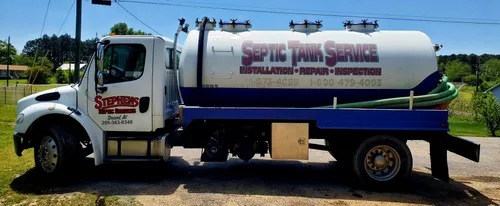
Stephens Septic Services, LLC
Birmingham, AL
Stephens Septic Services, LLC is a family-owned septic service provider based in Birmingham, AL. They offer septic tank pumping, inspection, repair, installation, and residential excavation services. The company serves Boaz and surrounding communities including Albertville, Guntersville, Sardis City, Oneonta, and Arab. Stephens Septic Services is known for diagnosing septic system issues accurately and providing repairs such as clearing jammed impellers and conducting flow tests to ensure proper system function. They emphasize direct communication with owners and stand behind their work. The company also offers 24/7 emergency septic services for urgent needs.
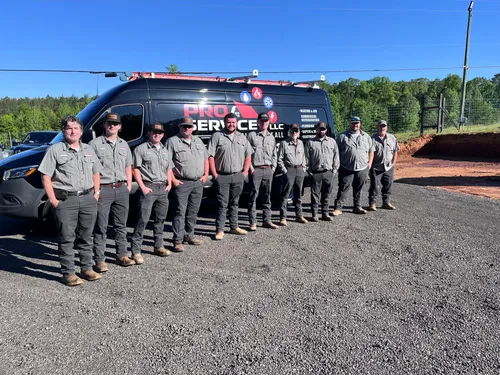
Pro Services LLC
22311 Diesel Dr, McCalla, AL 35111
Pro Services LLC is a multi-trade contractor based in Birmingham, AL, offering septic system repair and septic tank installation among other services. Serving Birmingham and surrounding counties including Tuscaloosa, Hoover, and Bessemer, the company provides comprehensive residential and commercial HVAC, plumbing, electrical, and septic services. They are equipped with fully stocked trucks and have been serving central Alabama since 1987. Their team includes master tradesmen who handle septic system maintenance and installation with expertise.

Elite Drain & Septic Service, LLC
13585 AL-75, Remlap, AL 35133
Elite Drain & Septic Service, LLC is a septic tank inspection, repair, and installation company based in Birmingham, AL. They serve residential customers in Blount, Cullman, Etowah, Jefferson, and St. Clair counties. Their services include septic system maintenance, drain cleaning, and plumbing, with capabilities such as using pipe cameras to inspect clogs and employing snakes and sprays to clear blockages. Elite Drain & Septic focuses on helping property owners maintain efficient sewage systems and address issues like slow drainage, soil erosion, and odors.
Understanding Alabama's Septic Repair Regulations
Before any work begins, Alabama homeowners must navigate specific regulatory requirements. The Alabama Department of Public Health (ADPH) oversees onsite wastewater systems, and compliance is not optional-it's the law designed to protect public health and water quality.
Permit Requirements: You are required to obtain a permit from your local county health department before repairing or modifying any residential septic system. This process typically involves submitting an "Application for a Permit to Install" for the proposed repairs. The permit ensures the planned work complies with state rules regarding system design, location, and environmental protection.
The Role of Licensed Professionals: Alabama law mandates that all septic system repairs be performed by an installer licensed by the Alabama Onsite Wastewater Board (AOWB). Hiring a licensed professional is not just a recommendation; it is a requirement for any septic work. These experts understand local soil conditions, setback rules, and the technical specifications needed for a compliant and functional repair.
Waiver of Permit: In some limited circumstances, a homeowner and their licensed installer may submit a "Waiver of a Permit to Repair" 1. It's critical to understand that choosing this option often means the repair will not be inspected by the local health department. This path should be considered carefully, as it may affect future property transfers and does not absolve the homeowner from ensuring the repair meets code.
Common Causes of Septic System Failure in Alabama
Knowing what leads to system failure can help prevent costly repairs. Common issues in Alabama often stem from a combination of environmental factors and homeowner oversight.
- Soil and Site Conditions: Alabama's diverse geography presents unique challenges. Loamy soil is ideal, but excessively sandy soil can fail to treat wastewater properly, leading to groundwater pollution. Conversely, heavy clay soils can hinder drainage and cause premature system failure 2. In coastal areas or regions with a high water table, specialized engineered systems are often necessary to handle wastewater effectively 3.
- Lack of Maintenance: The most preventable cause of failure is neglect. Septic tanks must be pumped every 3-5 years to prevent solids from overflowing into the drain field. Skipping this routine maintenance is a leading cause of clogged pipes and drain field failure.
- Physical Damage: Driving or parking heavy vehicles, building structures, or installing driveways over the septic tank or drain field can crush pipes and compact the soil, rendering the system inoperable. Always know the location of your system components.
- Improper Use: Flushing non-biodegradable items, pouring grease down drains, or using excessive water can overwhelm the system's treatment capacity, leading to backups and failures.
The Septic Repair Process: Step-by-Step
When you suspect a problem, a structured approach will save time and money.
- Identify the Problem: Signs of failure include sewage backups in the home, slow drains, gurgling pipes, foul odors indoors or outdoors, and unusually lush or soggy grass over the drain field.
- Contact a Licensed Professional: Immediately reach out to an AOWB-licensed installer or septic service provider. They can perform a diagnostic inspection.
- Diagnostic Inspection: The professional will likely perform a standard inspection ($100-$200) and may recommend a camera inspection ($250-$1,175) to pinpoint the exact issue within the pipes or tank 4 5.
- Site Evaluation & Permit Application: If repairs are needed, the installer will often need to conduct or review a site and soil evaluation. They will then help you submit the required permit application to the local county health department 6.
- Perform the Repair: Once the permit is approved, the licensed professional will complete the repairs, adhering to all ADPH regulations.
- Final Inspection: For permitted repairs, a final inspection by the health department is typically required to close the permit and confirm the system is operational and compliant.
Find the perfect septic system repair companies for your needs
Get personalized recommendations and expert advice
Key Factors Influencing Repair Decisions in Alabama
Several Alabama-specific factors will determine the scope and method of repair.
- Setback Requirements: State rules mandate septic systems be located at least 100 feet from drinking water wells and 50 feet from streams or other water bodies 7. If a repair or replacement cannot meet these setbacks due to lot size, an alternative engineered system may be required.
- Soil Evaluation: A proper repair, especially one involving the drain field, requires an understanding of the soil's percolation rate. A soil professional can determine if the existing soil can handle a conventional repair or if advanced treatment is needed 8.
- System Age and Type: Older systems, particularly those with steel tanks prone to rust, may be beyond repair and require full replacement. The type of system (conventional, mound, aerobic treatment unit) also dictates the repair approach and cost.
Cost of Septic System Repairs in Alabama
Repair costs vary widely based on the problem's severity and the required solutions. Below is a general cost guide based on industry data 9.
- Minor Repairs: Fixing or replacing tank baffles, repairing inlet/outlet pipes, or sealing small tank cracks typically range from $300 to $900.
- General/Mid-Level Repairs: Addressing a clogged drain field line, replacing a damaged distribution box, or repairing a compromised tank lid often falls between $750 and $3,000.
- Major Repairs/System Failure: Partial or complete drain field replacement, repairing significant structural damage to the tank, or addressing failures due to high water tables can cost $1,500 to $5,000 or more. In cases requiring a completely new engineered system, costs can escalate significantly.
Note: These are estimated price ranges. Always obtain detailed, written quotes from multiple licensed professionals for your specific situation.
Maintaining Your System Post-Repair
After investing in a repair, proper maintenance is key to protecting that investment.
- Adhere to a Pumping Schedule: Mark your calendar to have your tank pumped every 3-5 years, or more frequently if recommended by your service provider 10.
- Practice Water Conservation: Spread out laundry loads, fix leaky faucets promptly, and consider installing water-efficient fixtures to avoid hydraulically overloading the system.
- Mind What Goes Down the Drain: Only flush human waste and toilet paper. Avoid chemicals, grease, coffee grounds, diapers, and wipes (even those labeled "flushable").
- Protect the Drain Field: Keep the area free of trees with deep roots, and never pave over or build on any part of your septic system.
Frequently asked questions
Sources
Footnotes
-
ADPH Onsite Repair Procedures Property Owner/Installer Information - https://www.alabamapublichealth.gov/onsite/assets/waiverinfosheet.pdf ↩
-
Caring for Septic Systems - Alabama Extension - https://www.aces.edu/wp-content/uploads/2024/02/ANR-3051_CaringForSepticSystems_022024L-G.pdf ↩
-
The Ultimate Guide to Septic System Installation in Coastal Alabama - https://pcsolutionllc.com/blog/septic-system-installation-in-coastal-alabama/ ↩
-
How Much Does It Cost to Repair a Septic Tank? - https://www.wepumpitsepticservice.com/how-much-does-it-cost-to-repair-septic-tank ↩
-
How Much Do Septic Tank Repairs Cost? [2025 Data] - HomeAdvisor - https://www.homeadvisor.com/cost/plumbing/repair-a-septic-tank/ ↩
-
Alabama Septic Tank Requirements | Onsite Sewage and Disposal Systems - https://www.ntotank.com/blog/alabama-septic-tank-requirements ↩
-
Household - Pelham, AL - https://pelhamalabama.gov/DocumentCenter/View/1907/Septic-Tanks---Alabama-Co-op-Extension ↩
-
Can I Live On This Lot? | Alabama Department of Public Health - https://www.alabamapublichealth.gov/onsite/before-construction.html ↩
-
What is the Average Septic Tank Repair Cost? - the Original Plumber - https://theoriginalplumber.com/plumbing-tips/average-septic-tank-repair-cost/ ↩
-
Septic Tank Maintenance | Alabama Department of Public ... - https://www.alabamapublichealth.gov/onsite/maintenance.html ↩