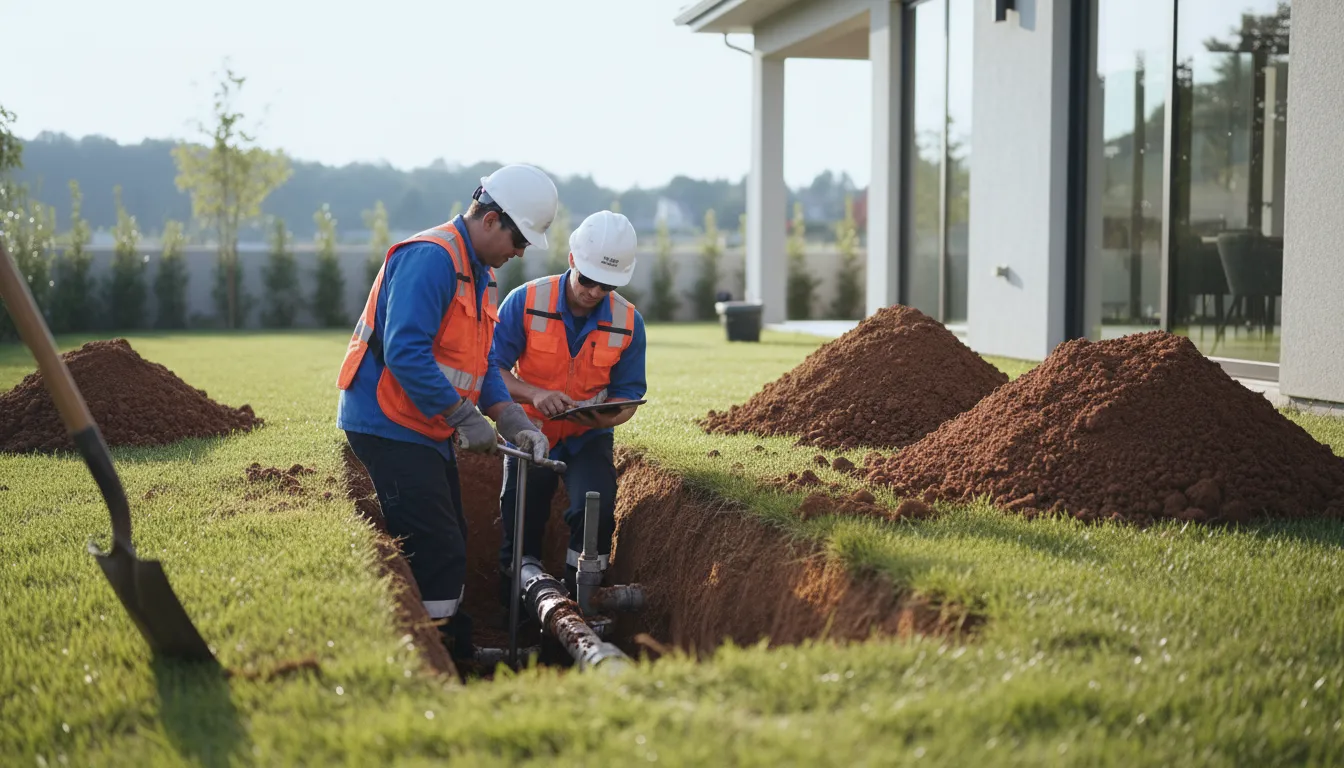
Find the Best Septic System Repair Companies for Your Business
No obligation • Fast responses • Nationwide coverage

Why you can trust Septic Spot
Septic Spot is a leading United States resource for understanding and comparing septic services. Our editors review providers using consistent criteria and verify key business details. Listings and scores are independent, and companies cannot pay to influence our content.
Search providers near you
Best Septic System Repair Companies in Indiana Ranked
A failing septic system is more than an inconvenience; it's a health hazard and a regulatory issue. Septic system repair in Indiana involves addressing malfunctions like sewage backups, drain field failures, or tank damage to restore safe wastewater treatment on your property. This process is governed by specific state and county health codes to protect groundwater and public health. Understanding the required permits, soil evaluations, and certified professionals can help you navigate a repair project efficiently and in compliance with local regulations.
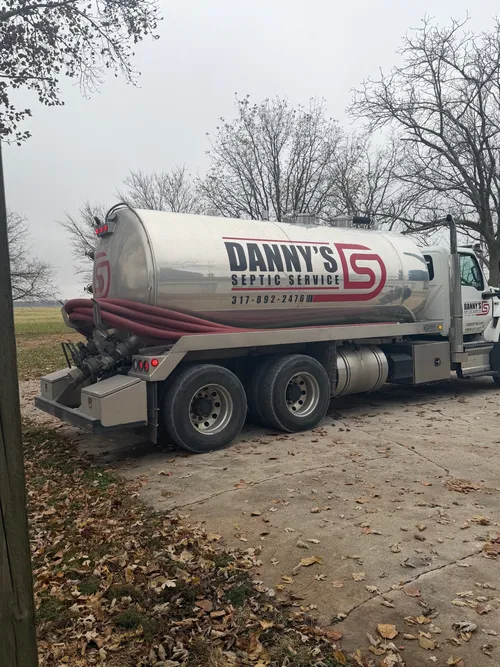
Danny's Septic Service
4938 E County Rd 1000 N, Pittsboro, IN 46167
Danny's Septic Service is a septic tank pumping, repair, and installation company based near Indianapolis, IN. They provide services to residential and commercial customers across several counties including Boone, Clinton, Hendricks, Montgomery, Putnam, Tippicanoe, and parts of Marion County. Their licensed team handles a full range of septic system needs with a focus on building strong client relationships.
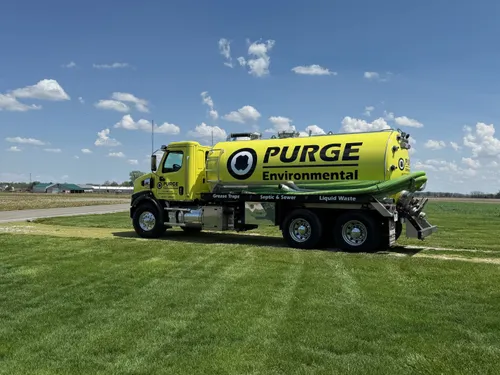
Purge Environmental
10625 Deme Dr D, Indianapolis, IN 46236
Purge Environmental is a locally owned and operated company based in Indianapolis, IN, specializing in septic tank pumping, inspection, and repair services. They offer residential and commercial solutions including septic tank cleaning, grease trap pumping, lift station maintenance, and industrial wastewater hauling. Their services cover Central and Eastern Indiana, focusing on environmentally responsible waste management. Purge Environmental provides 24/7 emergency pumping services to address urgent septic issues promptly. Their trained technicians follow a thorough twenty-point inspection process and dispose of waste at IDEM-approved facilities, ensuring compliance and eco-friendly practices.
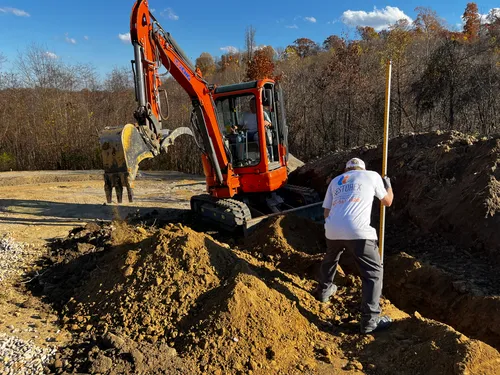
Restorex Septic Solutions
6616 E S R 144, Mooresville, IN 46158
Restorex Septic Solutions provides residential and commercial septic services in Indianapolis, IN. Their offerings include septic tank pumping, inspections, repairs, and installations to maintain proper waste management and comply with environmental regulations. The company addresses issues such as backups, odors, and slow drains to help preserve property sanitation and occupant health. Restorex Septic Solutions is available to assist with septic system problems whenever needed, working with clients and insurance companies to manage repairs efficiently.
North Septic, Inc.
Fort Wayne, IN
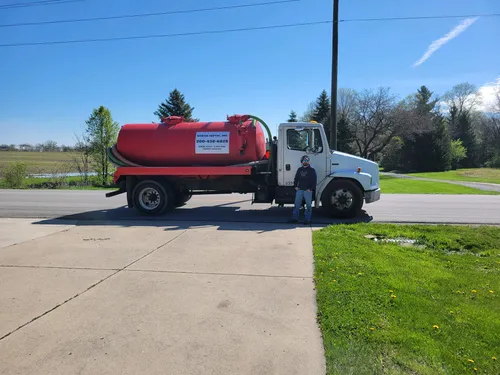
North Septic, Inc. is a family owned and operated company based in Fort Wayne, IN, providing septic tank pumping, septic system repair, grease trap cleaning, and septic system installation services. They serve Northeast Indiana counties including Allen, Dekalb, Huntington, Noble, Wells, and Whitley. The company uses specialized equipment such as the Crust Buster tank agitator and the RIGID NaviTrack Scout sonde locator to efficiently locate and service septic tanks. Established over 12 years ago under previous ownership, North Septic, Inc. continues to operate with a focus on maintaining reliable and professional septic services. Emergency calls are accepted based on availability.

AA Septic Service
Indianapolis, IN
AA Septic Service is a full-service septic company based in Indianapolis, IN, specializing in septic tank pumping, inspections, repairs, and grease trap pumping. They serve residential and commercial clients, offering services such as lift station pumping, video inspections, and septic system diagnostics. Their equipment includes large capacity pump trucks and video inspection tools, enabling thorough maintenance and repair work. AA Septic Service operates primarily in Morgan County, Indiana, focusing on maintaining and repairing septic systems to ensure proper wastewater treatment and disposal.
Understanding When You Need a Septic Repair
A septic system malfunction is legally defined in Indiana's administrative code. Key signs that indicate you need professional repair services include:
- Sewage Backup: Wastewater backing up into household drains or toilets.
- Surface Breakout: Effluent ponding on the ground over the drain field or tank.
- High Tank Levels: Liquid level in the septic tank is persistently above the outlet pipe.
- Foul Odors: Persistent sewage smells around the tank or drain field area.
- Slow Drains: Throughout the house, not isolated to one fixture.
Ignoring these signs can lead to environmental contamination, property damage, and violations of local health ordinances 1.
The Regulatory Framework: 410 IAC 6-8.3
All residential septic system repairs in Indiana must comply with state rule 410 IAC 6-8.3, which governs Residential On-site Sewage Systems 2. This rule ensures repairs correct malfunctions and prevent future failures. The local county health department is the permitting authority that enforces this rule and any additional county-specific ordinances. You cannot begin any repair work that alters the system's components or function without first obtaining the proper permit from your local health department.
The Role of Certified Professionals
While homeowners may perform some maintenance, significant repairs typically require a certified installer. Many counties rely on professionals certified by the Indiana Onsite Wastewater Professional Association (IOWPA). Hiring a certified professional ensures the work meets state code, which is crucial for passing the final inspection and having the permit approved.
The Repair Permit Process in Indiana
The repair process is designed to ensure the corrected system will function properly. It generally follows these steps:
- Site Evaluation & Soil Analysis: Before a permit is issued, a qualified soil scientist must often conduct new soil borings and create a soil profile. This analysis confirms the soil's ability to treat wastewater and determines the necessary vertical separation from the seasonal high groundwater table-a critical factor in preventing contamination.
- Prepare a Detailed Site Plan: You or your contractor must submit a plot plan showing property lines, the location of all existing and proposed septic system components, wells, water lines, streams, and structures.
- Submit Permit Application: The completed application, site plan, soil report, and fee are submitted to your county's health department environmental health section.
- Plan Review & Site Inspection: A health department sanitarian reviews the submitted materials and usually conducts a site visit to verify conditions 3.
- Permit Issuance: Once approved, the permit is issued, authorizing the repair work to begin.
- Final Inspection: After the repair is complete, the health department performs a final inspection to ensure it was done according to the permitted plans.
Critical Setback Requirements
Repairs must maintain strict minimum distances (setbacks) from various features:
- Water Wells: To protect drinking water sources.
- Property Lines: To avoid impacting neighboring parcels.
- Surface Water: Such as streams, ponds, or ditches.
- Water Supply Lines: To prevent potential contamination.
These setbacks are non-negotiable and may limit repair options on smaller lots 4.
Find the perfect septic system repair companies for your needs
Get personalized recommendations and expert advice
Common Types of Septic Repairs and Considerations
Repairs can range from simple fixes to complex, costly projects. The nature of the malfunction dictates the solution.
- Component Replacement: This includes repairing or replacing broken inlet/outlet pipes, a damaged distribution box (D-box), or a failing effluent pump in mound systems. These are often more straightforward repairs if the soil absorption field is still functional.
- Tank Repair: Issues like cracked tank walls, faulty baffles, or a collapsed tank require excavation and either repair or full replacement of the septic tank.
- Drain Field (Absorption Field) Issues: This is often the most serious and expensive problem. If the soil is clogged (a condition called "biomat" failure) or the field is saturated, options may include installing a completely new field in a different location, or advanced repairs like field re-grading or the addition of a curtain drain.
Cost Factors for Septic Repair in Indiana
Costs vary dramatically based on the repair's scope, soil conditions, system type, and local county requirements. It's essential to get multiple estimates from certified professionals.
- Minor Repairs: Fixing pipes, replacing a D-box, or servicing a pump may cost a few hundred to a couple thousand dollars.
- Major Repairs or Partial Replacement: Replacing a septic tank or a significant portion of a drain field can cost several thousand dollars.
- Full System Replacement: When a repair is not feasible, a full new installation may be necessary. In areas like Indianapolis, the average cost for a new conventional system installation can be around $12,000, but this figure can be higher or lower depending on system type and site challenges 5.
Remember, the required soil evaluation and permit fees are additional costs to the physical repair work itself 6.
Why Compliance is Non-Negotiable
Skipping the permit process or attempting unapproved repairs carries significant risks:
- Health Hazards: Untreated sewage can contaminate groundwater, which may be your own or a neighbor's drinking water source 7.
- Legal and Financial Penalties: You may be subject to fines from the health department and be forced to re-do the work correctly with a permit.
- Property Value Impact: An unpermitted septic system can cause major issues during a property sale or transfer.
Finding the Right Help for Your Repair
Start by contacting your local county health department's environmental health division. They can provide your specific county's application packet, fee schedule, and a list of certified soil scientists and installers active in your area 8 9. When selecting a repair contractor, verify their IOWPA certification and ask for references from recent, similar repair jobs in your county.
Frequently asked questions
Sources
Footnotes
-
§ 50.33 REPAIRS TO EXISTING SEPTIC SYSTEMS. - https://codelibrary.amlegal.com/codes/hancockcounty/latest/hancockco_in/0-0-0-993 ↩
-
410 26-64 | IARP - Indiana Administrative Code - https://iar.iga.in.gov/register/20260311-IR-410260064FNA ↩
-
CHAPTER 51: SEWAGE AND SEPTIC SYSTEMS REGULATIONS - https://www.in.gov/localhealth/stjosephcounty/files/County-Code-Septic-Ordinance.pdf ↩
-
Indiana Septic Tank Requirements | On-Site Sewage Systems - https://www.ntotank.com/blog/indiana-septic-tank-requirements ↩
-
Cost to Install a Septic System in Indianapolis [2026 Data] - Angie's List - https://www.angi.com/articles/what-does-it-cost-install-septic-system/in/indianapolis ↩
-
Well & Septic Permits - Porter County - IN.gov - https://www.in.gov/localhealth/portercounty/environmental-health/septic-systems/well-and-septic-permits/ ↩
-
Septic Systems | Indiana State Department of Health - IN.gov - https://www.in.gov/localhealth/miamicounty/files/In-Your-Own-Backyard-Septic-Systems-ADunn.pdf ↩
-
New or Repair Septic System Permits - Randolph County - IN.gov - https://www.in.gov/counties/randolph/departments/health-department/new-or-repair-septic-system-permits/ ↩
-
Onsite Sewage (Septic) Systems Program - https://marionhealth.org/onsite-sewage-septic-systems-program/ ↩