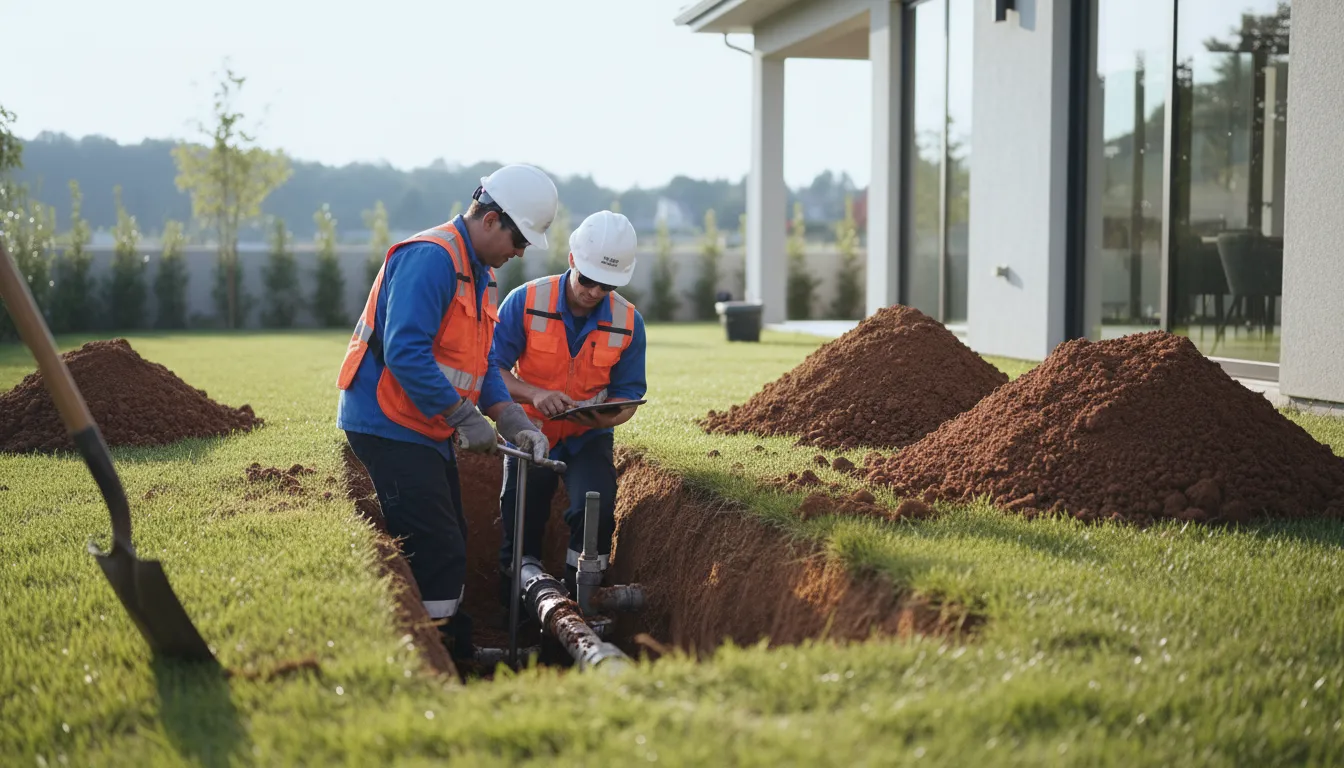
Find the Best Septic System Repair Companies for Your Business
No obligation • Fast responses • Nationwide coverage

Why you can trust Septic Spot
Septic Spot is a leading United States resource for understanding and comparing septic services. Our editors review providers using consistent criteria and verify key business details. Listings and scores are independent, and companies cannot pay to influence our content.
Search providers near you
Best Septic System Repair Companies in Kansas Ranked
When your septic system shows signs of trouble-like slow drains, soggy ground, or unpleasant odors-prompt and proper repair is essential. In Kansas, repairing a septic system involves navigating specific state and county regulations to ensure the work protects both your property and the local environment. This guide provides clear, practical information on the repair process, costs, and regulations, helping you understand what to expect and how to connect with qualified local professionals who can get the job done right.
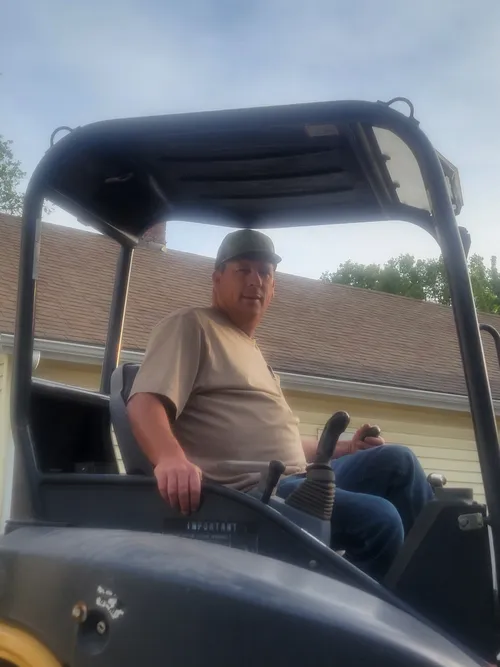
Emergency Sewer Repair
130 N Glenn St, Wichita, KS 67203
Emergency Sewer Repair is a locally owned company based in Wichita, KS, specializing in sewer, drain, septic, and water line services. Led by Ron Bouska, a licensed Master Drain Layer with over 10 years of experience, the company offers sewer line repair and replacement, including trenchless methods to minimize yard disruption. They also provide complete residential septic system installation and water line repairs, handling everything from planning to final hookup. Emergency Sewer Repair serves homeowners within about 30 minutes of Wichita, including nearby communities such as Park City, Valley Center, and Bel Aire.
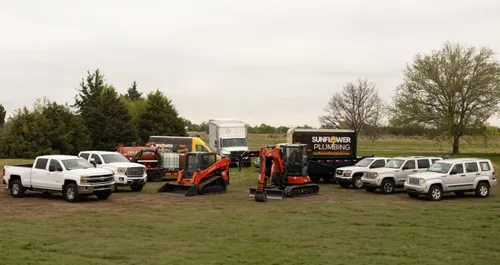
Sunflower Plumbing
3910 W Central Ave, El Dorado, KS 67042
Sunflower Plumbing is a plumbing and septic service provider based in Wichita, KS, serving Butler County and surrounding areas. They offer a range of services including septic tank repair and installation, drain field repair, plumbing repairs, and installations for faucets, drains, water heaters, and gas lines. The company is equipped to handle septic system components such as lagoons and lateral fields. Led by owner Brian Boswell, Sunflower Plumbing emphasizes transparent pricing and professional workmanship. They provide 24/7 availability for plumbing and septic needs.
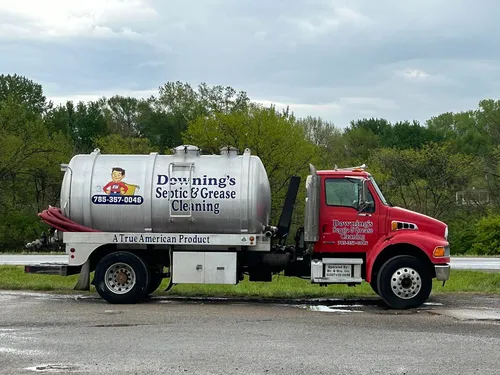
Downing Septic Tank Cleaning
2611 SW 17th St #105, Topeka, KS 66604
Downing Septic Tank Cleaning is a licensed and insured company serving Topeka, KS, and the surrounding northeast Kansas area, including Kansas City and Lawrence. With over 20 years of experience, they provide septic tank installation, pumping, and cleaning services for residential, commercial, and industrial clients. Their expertise includes inspection and repair of lateral fields, grease trap installation and cleaning, and holding tank pumping. The company offers 24/7 service, ensuring support for clients any day of the year.
Hare Excavating Inc.
Topeka, KS
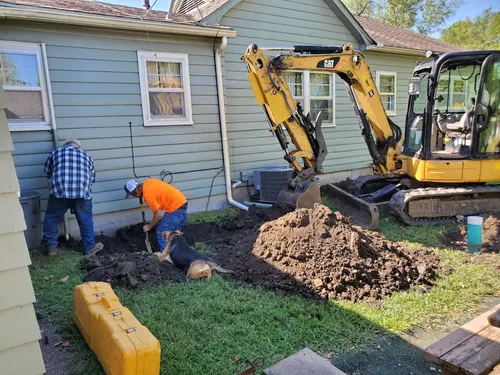
Hare Excavating Inc. is a septic tank and excavating contractor based in Topeka, KS. The company serves Shawnee and surrounding counties, providing septic tank pumping, inspection, repair, and installation services. With over 27 years in business, Hare Excavating Inc. offers expertise in sewage system maintenance and related excavation work, including basement waterlines.
Wheatland Contracting
Topeka, KS
Wheatland Contracting provides a range of plumbing and septic services in Topeka, KS, including septic tank pumping, inspections, repairs, and full system installations. They handle both residential and commercial projects, offering solutions from underground rough-in to final fixture installation. Their capabilities include sewer line repairs through a single access point to minimize disruption and professional drain clearing using camera inspections and hydro-jetting. The company serves both homeowners and contractors with tailored plumbing and septic system services.
Understanding Kansas Septic Repair Regulations
Repairing a septic system in Kansas is not a simple DIY project. State and local codes are designed to protect groundwater and public health, meaning most work requires permits and must be performed by licensed professionals.
Permits are Mandatory: Any replacement, repair, or addition to an onsite wastewater system must be permitted through your local county environmental health department. In many jurisdictions, homeowners cannot pull their own permits; a licensed septic system installer must apply for and obtain the permit on your behalf 1 2. This ensures the proposed repair meets all technical and sanitary code requirements.
The Role of Inspections: Once repairs are completed, the local authority must inspect the work before it is backfilled and covered. This final inspection is a critical step to confirm the repair complies with the approved permit and is functioning correctly.
Connection Requirements: A crucial first step is determining if repair is even an option. If your property is located within 400 feet of an available public sewer line, you are typically required by law to connect to it, rather than investing in repairing your private septic system.
The Site Evaluation: A Critical First Step
Before any repair plan is approved, a professional site evaluation is usually required. This assessment determines if the underlying soil and site conditions can still support a functioning system.
Soil and Depth Analysis: A soil profile analysis, often called a "percolation test" or "deep hole inspection," evaluates the soil texture, structure, and depth to any restricting layers. Kansas regulations generally require at least 4 feet of suitable soil beneath the proposed absorption field. The evaluation specifically checks for the seasonal high water table, bedrock, or other impermeable layers within that critical zone.
Water Table Concerns: In areas where groundwater is within 6 feet of the surface, standard drain fields may not be viable. In such cases, the repair design may need to incorporate specialized components like watertight vaults or advanced treatment systems to prevent contamination.
System Layout Rules: Absorption trenches (the perforated pipes in the drain field) typically cannot be installed deeper than 36 inches in many Kansas counties. If site conditions prevent a shallow installation, the repair design may need to include a lift station or pump to move effluent to a properly elevated field 3.
Common Types of Septic Repairs and Their Costs
The cost of septic system repair in Kansas varies dramatically based on the problem's nature and extent. Here's a breakdown of common issues and associated price ranges, which can help you budget and understand quotes from professionals.
Minor Component Repairs:
- Baffle Repair/Replacement: The baffles inside your septic tank prevent scum and sludge from exiting into the drain field. Repairing or replacing a damaged baffle is one of the more straightforward fixes, typically costing between $300 and $900.
- Lid or Pipe Repairs: Fixing a cracked tank lid, repairing an inlet/outlet pipe, or clearing a clogged line are considered minor repairs. These often range from $500 to over $1,000, depending on accessibility and materials.
Major System Failures:
- System Backup or Serious Clogging: Addressing a complete system backup or clearing a severely compromised distribution box can be more involved, with costs frequently ranging from $1,500 to $5,000 or more.
- Drain Field Replacement: This is the most significant and expensive repair. When a drain field fails due to clogging, compaction, or high groundwater, it often must be replaced entirely. In Kansas, drain field replacement or a major system upgrade generally costs over $5,000 and can exceed $10,000, with averages for complete system work often around $6,800 or more in some areas 4 5 6.
Find the perfect septic system repair companies for your needs
Get personalized recommendations and expert advice
Working with Licensed Professionals
Choosing the right contractor is the most important decision you'll make during a repair. A licensed Kansas septic system installer brings essential expertise in both construction and regulatory compliance.
Why Licensing Matters: Licensed installers understand the specific sanitary codes for your county, whether it's Sedgwick, Johnson, Harvey, or elsewhere 7. They know how to properly complete permit applications, conduct or arrange for required site evaluations, and schedule mandatory inspections. Their work is your assurance that the repair will be legally compliant and environmentally sound.
The Repair Process with a Pro: A qualified professional will typically follow this sequence:
- Assessment: Diagnose the exact cause of the system failure.
- Site Evaluation: Conduct or review the necessary soil and site analysis.
- Design & Permitting: Develop a repair plan that meets code and submit for a permit.
- Execution: Perform the repair work using appropriate materials and methods.
- Inspection: Coordinate with the county inspector for final approval.
- Restoration: Backfill and restore your landscape after passing inspection.
Preventing the Need for Major Repairs
The best repair is the one you can avoid. Consistent maintenance is the key to extending the life of your septic system and catching small issues before they become catastrophic failures.
Regular Pumping is Non-Negotiable: The single most effective maintenance task is having your septic tank pumped every 3 to 5 years 8 9. This removes accumulated solids that, if left unchecked, will flow into and clog the drain field-the most expensive component to repair.
Mind What Goes Down the Drain: Avoid flushing anything other than human waste and toilet paper. Never pour grease, chemicals, or medications down the drain, as they can kill the beneficial bacteria in your tank and contaminate groundwater.
Protect Your Drain Field: Never drive or park heavy vehicles over the drain field area, as this compacts the soil and crushes pipes. Also, direct roof drains and surface runoff away from the field to prevent saturation.
Key Kansas Code Requirements for Repairs
When planning a repair, several core regulatory principles will guide the design. These "separation distances" and system specifications are non-negotiable for permit approval.
Minimum Separation Distances: Repaired or new system components must maintain minimum distances from other features:
- Drinking Water Wells: Typically 50-100 feet, depending on county code.
- Property Lines: Often 10 feet.
- Building Foundations: Usually 10 feet.
- Streams or Lakes: Often 50 feet or more.
These distances are strictly enforced to prevent contamination and are detailed in local sanitary codes 10.
Soil Suitability: The repair design must be based on the verified soil conditions from the site evaluation. If the existing soil is unsuitable, the repair may require importing suitable fill material or using an alternative technology, which can significantly increase costs 11 12.
Frequently asked questions
Sources
Footnotes
-
Onsite Wastewater Systems | Franklin County, KS - Official Website - https://www.franklincoks.org/376/Onsite-Wastewater-Systems ↩
-
Permitting & Inspection of On-Site Wastewater Disposal Systems - https://www.wichita.gov/521/Septic-Systems---Permitting-Inspection-o ↩
-
Wastewater System Requirements - Ford County, KS - http://fordcounty.net/DocumentCenter/View/17906/Wastewater-System-Requirements ↩
-
How Much Does It Cost to Repair a Septic Tank? - https://www.wepumpitsepticservice.com/how-much-does-it-cost-to-repair-septic-tank ↩
-
Cost to Install a Septic System in Kansas City [2026 Data] - Angie's List - https://www.angi.com/articles/what-does-it-cost-install-septic-system/mo/kansas-city ↩
-
Wichita Septic Systems Costs & Prices - ProMatcher Cost Report - https://septic-systems.promatcher.com/cost/wichita-ks-septic-systems-costs-prices.aspx ↩
-
Minimum Requirements for Private Wastewater Systems | Dickinson County, KS - Official Website - https://www.dkcoks.gov/Private-Wastewater-System-Requirements ↩
-
Wastewater - Sedgwick County Only | Sedgwick County, Kansas - https://www.sedgwickcounty.org/mabcd/environmental-section/wastewater/ ↩
-
Septic Systems | Johnson County Kansas - https://www.jocogov.org/department/environment/septic-systems ↩
-
SANITARY CODE - Harvey County - https://www.harveycounty.gov/media/Documents/Planning%20Zoning%20and%20Environmental/Plans%20and%20Regulations/Sanitary%20Code.pdf ↩
-
SITE AND SOIL EVALUATIONS - KDHE - https://www.kdhe.ks.gov/DocumentCenter/View/8967/Site-and-Soil-Evaluations-PDF ↩
-
Wastewater System Requirements - Ford County, KS - https://fordcounty.net/DocumentCenter/View/18518/Wastewater-System-Requirements ↩