
Find the Best Septic System Repair Companies for Your Business
No obligation • Fast responses • Nationwide coverage

Why you can trust Septic Spot
Septic Spot is a leading United States resource for understanding and comparing septic services. Our editors review providers using consistent criteria and verify key business details. Listings and scores are independent, and companies cannot pay to influence our content.
Search providers near you
Top Septic System Repair Companies in Cambridge, Massachusetts Ranked
If your home in Cambridge relies on an on-site sewage disposal system, understanding your repair options is crucial. Septic system maintenance and repair are governed by strict state and local health regulations designed to protect both your property and the environment. This guide explains the common repair scenarios, the regulatory process you must follow, and how to connect with certified professionals who can assess and fix your system correctly.
Rooterman
67 Andover Rd, Billerica, MA 01821
Rooterman is a septic tank pumping, inspection, repair, and installation company serving Boston, MA. With over 50 years of experience since 1970, they provide residential and commercial septic services including certified Title V inspections and sewer and drain maintenance. Their team is licensed and insured, offering same-day service for most non-emergency issues and supporting property owners in maintaining safe and compliant septic systems.
Rosano Davis Sanitary Pumping Inc
9 Rocky Ln, Cohasset, MA 02025
Rosano Davis Sanitary Pumping Inc is a family-owned septic system company serving Boston, MA. They provide a full range of services including septic system pumping, inspection, repair, and new system installation. Their capabilities include electronic locating of septic tanks and covers to minimize property disruption, as well as color video pipe inspection and high-pressure washing of leaching lines. The company manages all aspects of septic system installation, from excavation to landscaping, using their own equipment to ensure a complete service.
Northboro / Curtis Septic Service
124 Main St, Northborough, MA 01532
Northboro / Curtis Septic Service is a septic contractor based in Worcester, MA, offering a range of services including septic system installation, repair, pumping, cleaning, and maintenance for both residential and commercial clients. They also provide septic to town sewer conversions and Title 5 inspections across Worcester County and several surrounding counties. The company maintains strong relationships with local Boards of Health to ensure compliance and quality service.
Bateson Enterprises Inc
111 Argilla Rd, Andover, MA 01810
Bateson Enterprises Inc is a septic system company serving Lowell, MA, and the surrounding areas. They provide a range of septic services including tank installation, system repair, pumping, and inspections. The company also offers specialized services such as water jetting, mainline snaking, video inspection, and Title V inspections. With over 30 years of experience, Bateson Enterprises Inc handles all types of septic systems and related repairs. They are equipped to manage both maintenance and emergency needs for residential and commercial septic systems.
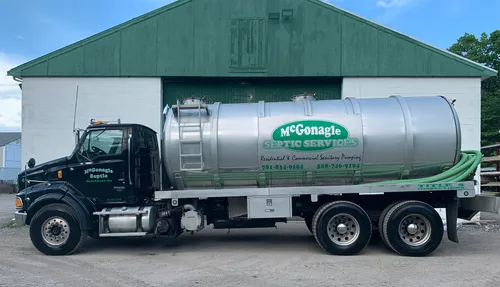
McGonagle Septic Services
10 Central Ave Unit 44, Marshfield, MA 02050
McGonagle Septic Services is a family owned and operated business serving Boston, MA, and the South Shore area. They provide residential and commercial septic tank pumping, septic system repairs, and Title 5 inspections. The company is fully licensed, insured, and Mass DEP certified, with over 15 years of experience. McGonagle Septic also offers specialized services such as grease trap and hair salon pumping, as well as cesspool and leaching pit pumping. Customers work directly with the owner throughout the process, ensuring clear communication and transparent pricing.
Understanding Cambridge's Septic System Landscape
While the vast majority of Cambridge is connected to the municipal sewer system, a number of properties, particularly in certain neighborhoods, still utilize private septic systems. These systems are regulated under the Massachusetts State Environmental Code, Title 5 (310 CMR 15.000). Local enforcement falls to the Cambridge Public Health Department and the Department of Public Works, which must approve all significant repairs and upgrades. Whether you're dealing with a slow drain, a soggy yard, or preparing for a home sale, knowing the rules is the first step toward a compliant and effective fix.
When is Septic System Repair Required?
Repairs aren't just for obvious failures. State law mandates specific triggers that require an inspection, which often leads to necessary repairs.
- Property Transfer: A Title 5 inspection is required before selling a home with a septic system. A failed inspection means repairs or replacement must be completed, typically within two years of the sale.
- System Failure: Signs include sewage backing up into the home, effluent ponding on the ground surface, or contamination of groundwater. A failed inspection report from a certified inspector mandates corrective action.
- Property Expansion: If you plan to increase the design flow to the system, such as by adding a bedroom, the existing system must pass an inspection and often needs upgrading to handle the increased load.
- Routine Inspection Discovery: Even without a sale, a routine inspection might uncover failing components like cracked tanks or blocked pipes that need immediate attention to prevent a full system failure.
The Title 5 Inspection: The Gateway to Repair
Before any major repair can be planned, a state-certified inspector must evaluate your system. This isn't a casual look; it's a detailed process.
- Locate & Expose: The inspector finds and exposes the tank, distribution box, and leaching area for examination.
- Pump & Inspect: The septic tank is pumped out to allow for an internal inspection of its structural integrity, checking for cracks, leaks, or baffle failures 1.
- Hydraulic Load Test: The inspector runs water to check for backups and assesses the absorption area. Dye testing is often used to see if effluent is properly dispersing or surfacing 2.
- Official Report: Within 30 days, the inspector files a report with the Cambridge Board of Health. This report will state if the system passes, conditionally passes (with required repairs), or fails 3.
A "conditional pass" is a common outcome and is your direct roadmap for repair. It means the system is functionally adequate if specific, identified issues are fixed within a set timeframe.
Common Types of Septic System Repairs in Cambridge
The nature of the repair depends entirely on what the inspection uncovers. Work ranges from minor fixes to major component replacement.
Minor Repairs for a Conditional Pass
These are often repairs that bring a system into compliance without a full redesign.
- Replacing a Damaged Distribution Box: This component splits flow from the tank to the leach field. A cracked or tilted box can cause uneven distribution and system failure 4.
- Fixing or Replacing Inlet/Outlet Pipes: Broken, clogged, or deteriorated pipes between the house, tank, and distribution box need to be repaired.
- Installing Proper Inspection Ports: Title 5 requires accessible ports for inspecting the tank and distribution box. Adding these may be a condition of passing.
Major System Component Replacement
When key parts of the system are compromised, more extensive work is needed.
- Septic Tank Repair or Replacement: A cracked concrete tank or a rusted-out metal baffle can compromise the entire system. While some cracks can be sealed, significant damage often requires tank replacement 5.
- Pump Chamber Repairs: For systems with a pump to move effluent to the leach field, a failed pump, float switch, or alarm system requires repair by a licensed professional.
- Leach Field (Soil Absorption System) Issues: This is the most complex and costly problem. If the leaching area is saturated and failing, simple repair is rarely possible. Solutions usually involve constructing a new or expanded leach field, which requires new percolation tests, engineering design, and significant excavation 6 7.
Find the perfect septic system repair companies for your needs
Get personalized recommendations and expert advice
The Legal and Permitting Process for Repairs
You cannot simply hire a contractor to start digging. Cambridge requires oversight to ensure repairs meet health and environmental standards.
- Get the Failed Inspection Report: This is your starting document, specifying what needs to be fixed.
- Hire a Licensed Professional: All design and installation work must be performed by Massachusetts-certified system inspectors and installers 8.
- Submit for a Permit: Before any work begins, you or your contractor must obtain a Disposal System Construction Permit from the Cambridge Board of Health. The application will include the inspection report and the proposed repair plan 9.
- Construction and Inspection: Once permitted, the certified installer completes the work. The Board of Health or its agent will typically inspect the work during and after construction.
- Final Approval: After passing a final inspection, the Board of Health will issue a certificate of compliance, which is a crucial document for your property records 10.
Understanding the Costs and Financial Assistance
Repair costs in Cambridge vary dramatically based on the problem.
- Inspection Cost: The initial Title 5 inspection typically ranges from $300 to $500 11.
- Repair Costs: A simple repair like replacing a distribution box may cost around $500. However, significant repairs like replacing a septic tank can run $3,000 to $7,000. A complete system replacement, often necessary for a failed leach field, can easily exceed $12,000 or more, depending on soil conditions and system design 12 13.
- Massachusetts Tax Credit: The state offers a significant incentive: an income tax credit for 40% of the repair or replacement cost, up to a maximum credit of $6,000. This credit can be spread over four tax years.
- Loan Programs: Eligible homeowners may access low-interest loan programs (from 0% to 5%) for septic system repair through the Massachusetts Housing Finance Agency and other local programs 14.
Maintaining Your System Post-Repair
After investing in repairs, proper maintenance is key to longevity. Pump your tank every 2-3 years (annually for some systems), conserve water, and avoid putting grease, chemicals, or non-biodegradable items down the drain. A well-maintained system can function for decades and help you avoid another costly repair cycle.
Frequently asked questions
Sources
Footnotes
-
Guidance for the Inspection of On-site Sewage Disposal Systems - https://www.mass.gov/guides/guidance-for-the-inspection-of-on-site-sewage-disposal-systems ↩
-
Understanding the Importance of Septic Inspections as a Buyer and Homeowner - https://www.rismedia.com/2024/04/18/understanding-importance-septic-inspections-buyer-homeowner/ ↩
-
Buying or Selling Property with a Septic System - Mass.gov - https://www.mass.gov/guides/buying-or-selling-property-with-a-septic-system ↩
-
Buying or Selling Property with a Septic System - Mass.gov - https://www.mass.gov/guides/buying-or-selling-property-with-a-septic-system ↩
-
Septic Inspection Massachusetts - https://sherwoodinspection.com/septic-inspection-massachusetts/ ↩
-
Massachusetts Title 5 Septic Rules - Martha's Vineyard Buyer Agents - https://www.mvbuyeragents.com/title-5-septic-systems-faq ↩
-
Massachusetts Title 5 Septic Regulations Explained - https://primeengineering.org/massachusetts-title-5-septic-regulations-explained/ ↩
-
Septic System Inspections and Repairs | Mass.gov - https://www.mass.gov/guides/consumer-protection-tips-septic-system-inspections-and-repairs ↩
-
Septic System: Repairing / Replacing - Southborough, MA - https://www.southboroughma.gov/348/Septic-System-Repairing-Replacing ↩
-
Septic System Regulations in Massachusetts - https://www.mecindustries.com/morse-engineering-and-construction-industries/septic-system-regulations-in-massachusetts ↩
-
Title 5 and Septic Systems - Law Office of David Rocheford - https://www.thebestclosings.com/septic-2/ ↩
-
Title 5 Overview - https://www.townofgb.org/DocumentCenter/View/542/Title-5-Overview-PDF ↩
-
Title 5 septic system regulations - State Library of Massachusetts - https://archives.lib.state.ma.us/server/api/core/bitstreams/1a084553-08d1-43c2-a060-9daa614dbace/content ↩
-
What is a Title 5 Septic Inspection? When Do You Need One? - https://www.upnest.com/post/title-5-inspection/ ↩