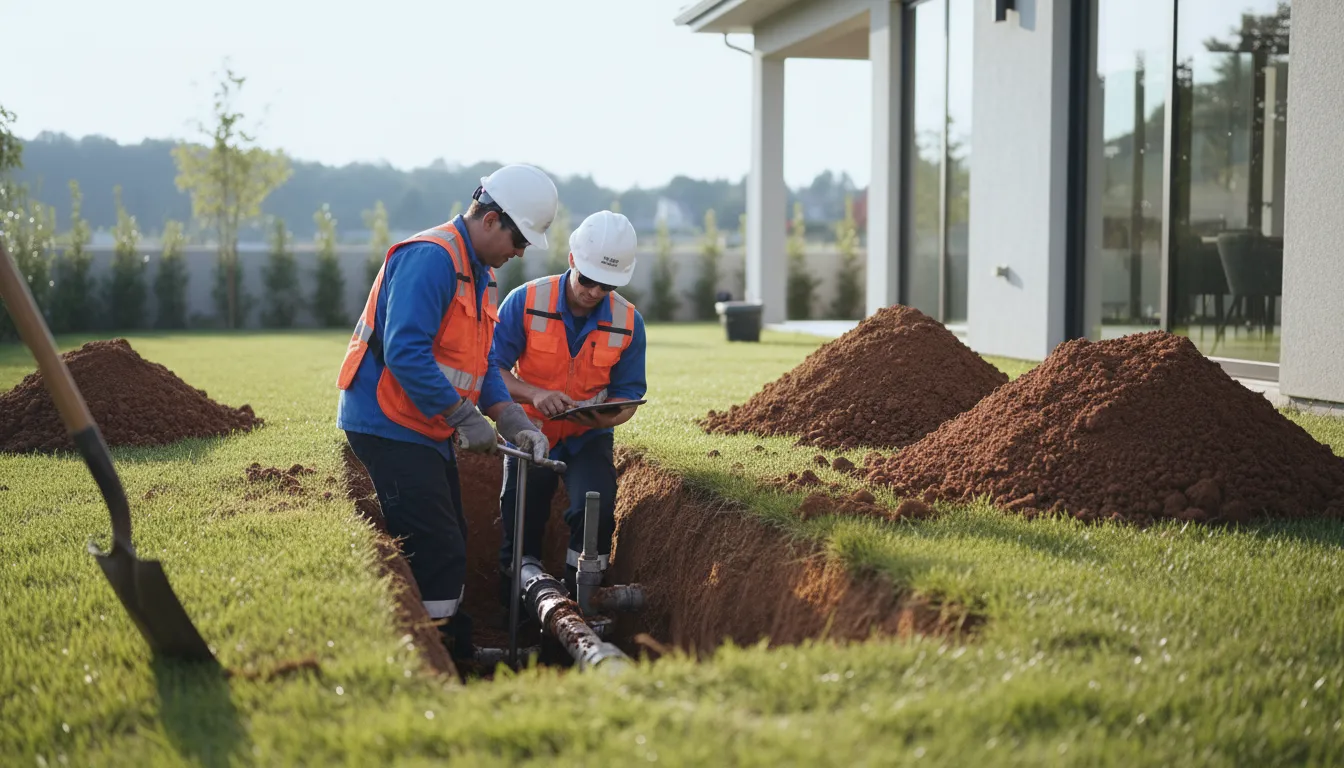
Find the Best Septic System Repair Companies for Your Business
No obligation • Fast responses • Nationwide coverage

Why you can trust Septic Spot
Septic Spot is a leading United States resource for understanding and comparing septic services. Our editors review providers using consistent criteria and verify key business details. Listings and scores are independent, and companies cannot pay to influence our content.
Search providers near you
Top Septic System Repair Companies in Everett, Massachusetts Ranked
Maintaining a functional septic system is crucial for protecting your property, your health, and the environment in Massachusetts. When a system fails or needs significant work, navigating the complex state and local regulations can be daunting. This guide provides clear, practical information on the repair process, costs, and regulatory requirements to help you understand your options and connect with qualified, licensed professionals in your area.
Rooterman
67 Andover Rd, Billerica, MA 01821
Rooterman is a septic tank pumping, inspection, repair, and installation company serving Boston, MA. With over 50 years of experience since 1970, they provide residential and commercial septic services including certified Title V inspections and sewer and drain maintenance. Their team is licensed and insured, offering same-day service for most non-emergency issues and supporting property owners in maintaining safe and compliant septic systems.
Rosano Davis Sanitary Pumping Inc
9 Rocky Ln, Cohasset, MA 02025
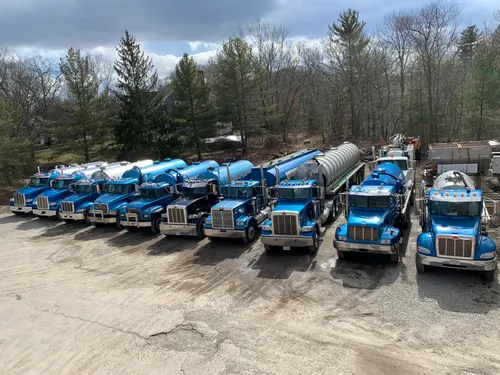
Rosano Davis Sanitary Pumping Inc is a family-owned septic system company serving Boston, MA. They provide a full range of services including septic system pumping, inspection, repair, and new system installation. Their capabilities include electronic locating of septic tanks and covers to minimize property disruption, as well as color video pipe inspection and high-pressure washing of leaching lines. The company manages all aspects of septic system installation, from excavation to landscaping, using their own equipment to ensure a complete service.
Bateson Enterprises Inc
111 Argilla Rd, Andover, MA 01810
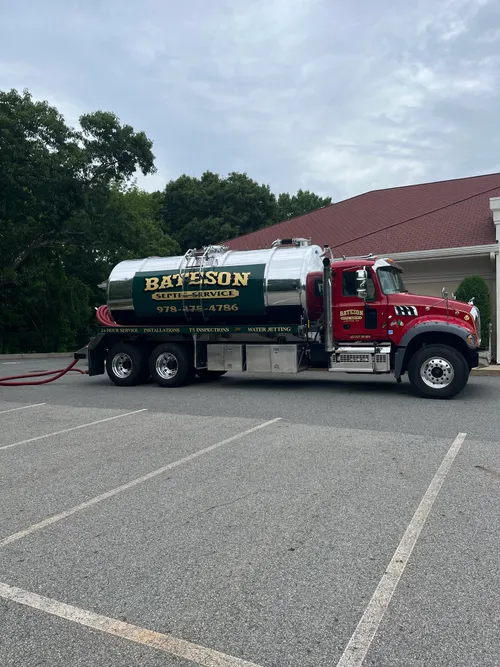
Bateson Enterprises Inc is a septic system company serving Lowell, MA, and the surrounding areas. They provide a range of septic services including tank installation, system repair, pumping, and inspections. The company also offers specialized services such as water jetting, mainline snaking, video inspection, and Title V inspections. With over 30 years of experience, Bateson Enterprises Inc handles all types of septic systems and related repairs. They are equipped to manage both maintenance and emergency needs for residential and commercial septic systems.
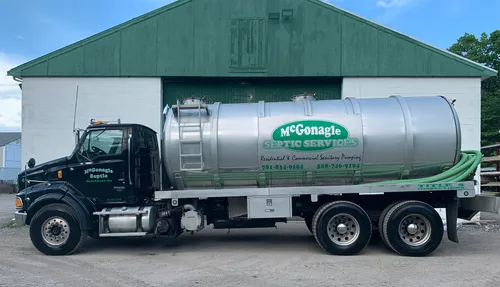
McGonagle Septic Services
10 Central Ave Unit 44, Marshfield, MA 02050
McGonagle Septic Services is a family owned and operated business serving Boston, MA, and the South Shore area. They provide residential and commercial septic tank pumping, septic system repairs, and Title 5 inspections. The company is fully licensed, insured, and Mass DEP certified, with over 15 years of experience. McGonagle Septic also offers specialized services such as grease trap and hair salon pumping, as well as cesspool and leaching pit pumping. Customers work directly with the owner throughout the process, ensuring clear communication and transparent pricing.
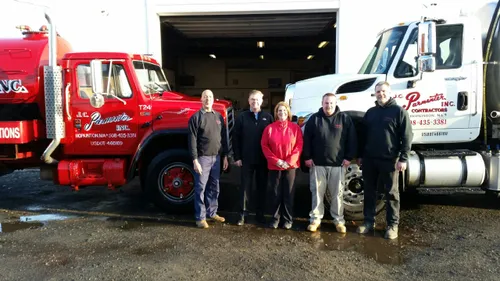
John C Parmenter Inc.
85 Hayden Rowe St, Hopkinton, MA 01748
John C Parmenter Inc. is a septic service company based in Worcester, MA, with over 100 years of experience. They offer septic tank pumping, repair, Title 5 inspections, and full septic system installations. The company serves Hopkinton and surrounding towns, handling everything from routine maintenance to new construction septic projects. Their licensed inspectors provide comprehensive Title 5 reports, and they also offer emergency septic services.
Understanding Massachusetts Title 5 Regulations
All residential septic system work in Massachusetts is governed by the State Environmental Code, Title 5 (310 CMR 15.000). This isn't just a set of guidelines; it's the law. The regulations are designed to ensure that wastewater is treated properly to prevent groundwater contamination and public health hazards.
A key concept in Title 5 is "system failure." The state defines this as a condition that threatens public health or the environment, such as sewage breaking out onto the ground surface, backing up into the home, or contaminating a water supply. If your system has failed, repair is not optional-it's legally required. Even if a system hasn't fully failed, repairs are often necessary to bring it into compliance for a property transfer, as a Title 5 inspection is mandatory during most real estate transactions.
The Septic System Repair Process: Step-by-Step
Repairing a septic system in Massachusetts is a multi-step process that involves several professionals and local government oversight. You cannot simply hire an excavator to dig up a failing leach field.
-
Initial Assessment & Design: The process typically begins with a site evaluation by a licensed soil evaluator or professional engineer. They will conduct soil tests, including deep observation holes and a percolation (perc) test, to determine the soil's ability to absorb wastewater. Based on this evaluation and the nature of the failure, a new system design plan is created. This plan must be stamped by a Massachusetts-licensed professional engineer 1.
-
Permitting: Before any shovel hits the ground, you must obtain a Disposal Works Construction Permit from your local Board of Health (BOH) 2. To get this permit, you submit the engineered design plan. The BOH reviews it for compliance with both state Title 5 rules and any stricter local regulations your town may have.
-
Construction: Once the permit is issued, construction can begin. All construction must be performed by a licensed septic system installer. The installer will follow the approved plan to repair or replace system components.
-
Final Approval & Certificate of Compliance: After construction is complete, the installing contractor and the design engineer must provide the BOH with "as-built" plans, showing the system was built exactly as designed 3 4. A state-certified inspector then conducts a final inspection 4. If it passes, the BOH issues a Certificate of Compliance, which is the official document stating your system meets all legal requirements 5.
Critical Technical Requirements for Repairs
Understanding a few key technical rules can help you grasp what a repair might entail on your property.
-
Groundwater Separation: Title 5 mandates a minimum vertical distance between the bottom of your leaching facility (e.g., stone-and-pipe trenches or chambers) and the high groundwater table. This separation is critical for filtering pathogens before they reach groundwater. The required distance is:
-
Nitrogen-Sensitive Areas (NSAs): Many areas on Cape Cod, the Islands, and other designated regions are classified as NSAs due to impaired water quality from nitrogen pollution 9. If your property is in an NSA, any new system or major repair will likely be required to include Nitrogen Reducing Technology (NRT), such as an advanced treatment unit that removes nitrogen before the wastewater reaches the soil 9.
Find the perfect septic system repair companies for your needs
Get personalized recommendations and expert advice
Cost of Septic System Repairs in Massachusetts
Costs for septic work in Massachusetts vary dramatically based on the scope of repair, soil conditions, system type, and local labor rates. It's essential to get multiple detailed quotes from licensed installers.
- Minor Repairs: Fixing a specific component, like replacing a damaged distribution box, inlet/outlet baffles, or a tank lid, may cost a few thousand dollars.
- Component Replacement: A more involved repair, such as replacing the septic tank or installing a new pump chamber, can range from $5,000 to $15,000.
- Partial or Full System Replacement: This is the most expensive scenario. Replacing just the leaching field (drainfield) or the entire system (tank and field) is a major construction project. Costs typically range from $15,000 to over $40,000, with complex sites in sensitive areas exceeding that range 10.
Financial Assistance for Homeowners
Recognizing the high cost of compliance, Massachusetts and other agencies offer several forms of financial assistance:
- State Tax Credit: Massachusetts offers an income tax credit for septic system repairs or replacements on your primary residence. The credit is worth up to $6,000, claimed over four tax years (up to $1,500 per year) 11 12. You must have a Certificate of Compliance to qualify.
- Municipal Betterment Loans: Many towns offer "betterment" or loan programs that allow homeowners to finance the cost of mandated repairs through a low-interest loan repaid as a surcharge on their property tax bill over many years.
- USDA Rural Development Grants and Loans: For eligible homeowners in qualifying rural areas, the USDA offers direct loans and potentially grants for septic system repair and replacement.
Choosing a Qualified Professional
Given the regulatory complexity, your choice of contractor is critical. Always verify that any installer you contact holds a current Massachusetts Subsurface Sewage Disposal System Installer License. You can ask for their license number and verify it. Furthermore, ensure they will pull all necessary local permits and that their work will be backed by the required engineered design and final inspection. A reputable professional will guide you through the entire Title 5 process, not just the excavation.
Frequently asked questions
Sources
Footnotes
-
Massachusetts Title 5 Septic Regulations Explained - https://primeengineering.org/massachusetts-title-5-septic-regulations-explained/ ↩
-
minimum requirements for subsurface septic systems - Uxbridge, MA | - https://www.uxbridge-ma.gov/board-health/files/title-5-septic-regulations ↩
-
Title 5 - Septic Systems | Northbridge MA - https://www.northbridgemass.org/board-of-health/pages/title-5-septic-systems ↩
-
The Complete Guide to Massachusetts Title 5 Inspection - https://allclearseptic.com/the-complete-guide-to-massachusetts-title-5-inspection/ ↩ ↩2
-
Frequently Asked Questions - https://www.ashlandmass.com/1010/Frequently-Asked-Questions ↩
-
Onsite Wastewater - https://megamanual.geosyntec.com/npsmanual/sectionintroonsitewastewater.aspx ↩
-
BOARD of HEALTH SEPTIC MANAGEMENT REGULATION - https://www.nattleboro.com/DocumentCenter/View/10751 ↩
-
Untitled - https://cdnsm5-hosted.civiclive.com/UserFiles/Servers/Server_15207780/File/Departments/Health/BOH%20Regulations/Title%205.pdf ↩
-
2023 Title 5 Regulation Changes - Barnstable County - https://www.capecod.gov/departments/masstc/learn/homeowner-resources/2023-title-5-regulation-changes/ ↩ ↩2
-
Construction & Excavation Questions | South Shore MA | Amex Construction | South Shore MA - https://amexconstruction.net/questions ↩
-
Consumer Protection Tips: Septic System Inspections and Repairs - https://www.mass.gov/guides/consumer-protection-tips-septic-system-inspections-and-repairs ↩
-
Massachusetts Title 5 Septic Rules | Martha's Vineyard Buyer ... - https://www.mvbuyeragents.com/title-5-septic-systems-faq ↩