
Find the Best Septic System Repair Companies for Your Business
No obligation • Fast responses • Nationwide coverage

Why you can trust Septic Spot
Septic Spot is a leading United States resource for understanding and comparing septic services. Our editors review providers using consistent criteria and verify key business details. Listings and scores are independent, and companies cannot pay to influence our content.
Search providers near you
Top Septic System Repair Companies in Newton, Massachusetts Ranked
Maintaining a functional septic system is a critical responsibility for homeowners in Newton who are not connected to the municipal sewer. When issues arise, timely and compliant septic system repair is essential to protect your property value, your family's health, and the local environment. This guide explains the specific regulations, common repair scenarios, and processes for addressing septic problems in Newton, helping you navigate the path from inspection to a fully compliant system.
Rooterman
67 Andover Rd, Billerica, MA 01821
Rooterman is a septic tank pumping, inspection, repair, and installation company serving Boston, MA. With over 50 years of experience since 1970, they provide residential and commercial septic services including certified Title V inspections and sewer and drain maintenance. Their team is licensed and insured, offering same-day service for most non-emergency issues and supporting property owners in maintaining safe and compliant septic systems.
Rosano Davis Sanitary Pumping Inc
9 Rocky Ln, Cohasset, MA 02025
Rosano Davis Sanitary Pumping Inc is a family-owned septic system company serving Boston, MA. They provide a full range of services including septic system pumping, inspection, repair, and new system installation. Their capabilities include electronic locating of septic tanks and covers to minimize property disruption, as well as color video pipe inspection and high-pressure washing of leaching lines. The company manages all aspects of septic system installation, from excavation to landscaping, using their own equipment to ensure a complete service.
Northboro / Curtis Septic Service
124 Main St, Northborough, MA 01532
Northboro / Curtis Septic Service is a septic contractor based in Worcester, MA, offering a range of services including septic system installation, repair, pumping, cleaning, and maintenance for both residential and commercial clients. They also provide septic to town sewer conversions and Title 5 inspections across Worcester County and several surrounding counties. The company maintains strong relationships with local Boards of Health to ensure compliance and quality service.
Chase Harris Septic Services
85 Dudley Rd, Sutton, MA 01590
Chase Harris Septic Services is a family-owned business providing septic system maintenance, repair, installation, and inspection services in Worcester, MA. With decades of experience, they serve residential and commercial clients, offering comprehensive septic pumping, Title 5 inspections, and grease trap cleaning. Their team also handles excavation and site preparation to ensure proper system installation and repair. Chase Harris Septic Services is known for meeting local codes and regulations, including Title 5 compliance, and uses advanced equipment to maintain system efficiency and safety.
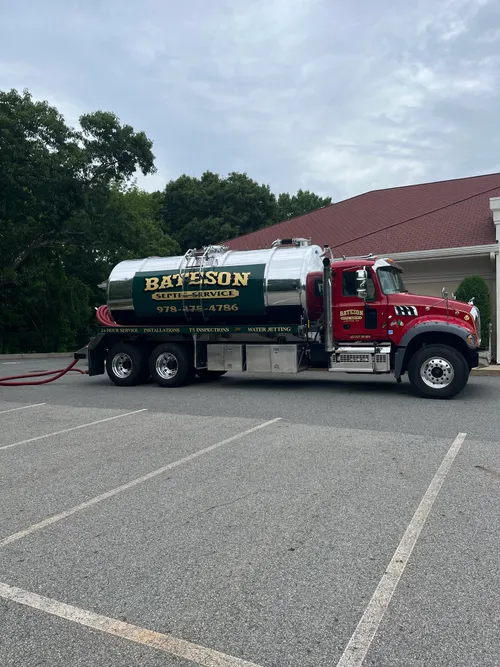
Bateson Enterprises Inc
111 Argilla Rd, Andover, MA 01810
Bateson Enterprises Inc is a septic system company serving Lowell, MA, and the surrounding areas. They provide a range of septic services including tank installation, system repair, pumping, and inspections. The company also offers specialized services such as water jetting, mainline snaking, video inspection, and Title V inspections. With over 30 years of experience, Bateson Enterprises Inc handles all types of septic systems and related repairs. They are equipped to manage both maintenance and emergency needs for residential and commercial septic systems.
Understanding Title 5: The Foundation of Septic Compliance
In Massachusetts, all onsite sewage disposal systems are regulated under the state's Title 5 code (310 CMR 15.000). This isn't just a guideline-it's the law governing the inspection, design, and installation of systems to safeguard public health and groundwater 1. While many Newton neighborhoods are sewered, properties with private systems must adhere to these state rules as well as any additional requirements from the Newton Health and Human Services Department.
A key trigger for a mandatory inspection is the sale of a property. A Title 5 inspection must be completed within two years before the transfer of title, or within six months after the sale under certain conditions 2. Other common triggers include applying for a permit to add a bedroom, or if the local Board of Health suspects a system failure that poses a public health risk.
The Title 5 Inspection Process: What to Expect
When you hire a state-licensed inspector, they will conduct a thorough evaluation to determine if your system passes, fails, or receives a conditional pass. The inspection is a detailed physical investigation, not just a visual check 3.
The licensed professional will typically follow this procedure 4 5:
- Locate and Uncover: The inspector will locate and excavate to access the septic tank, distribution box, and leaching field.
- Tank Evaluation: The tank is checked for structural soundness, cracks, and proper liquid levels. The inlet and outlet baffles are inspected to ensure they are intact and functioning.
- Flow and Hydraulic Testing: A water or dye test is often performed to check for backups into the house and to assess if the system is hydraulically failing (i.e., not accepting water).
- Leach Field Assessment: The soil absorption area is probed to detect effluent saturation, surface breakouts, or ponding, which indicate a failed field.
- Official Report: A written report is provided to the homeowner and submitted to the Board of Health, detailing the system's condition 6.
Common Reasons for Septic System Failure and Required Repairs
A failing system is one that threatens public health or the environment, such as through sewage surfacing on the ground or backing up into the home. The inspection report will specify the reason for failure and dictate the necessary corrective actions.
Minor Issues & Conditional Passes: For less severe problems, an inspector may issue a conditional pass. This allows for specific repairs to be made, such as 7:
- Replacing a broken pipe between the tank and field.
- Installing a new distribution box.
- Replacing a cracked or compromised septic tank lid or installing risers for easier future access.
Major Repairs and Full Replacements: If the soil absorption system (leach field) has failed, it typically requires a complete replacement. This is often the most complex and costly repair. Other major corrections include full septic tank replacement or installing a new distribution structure 8.
Emergency and Temporary Solutions: If the Health Agent determines a failure is an imminent public health hazard, they can order immediate repairs 9. In some cases where a full repair cannot be completed quickly, a tight tank (a holding tank) may be authorized as a temporary solution. This tank must be pumped regularly by a licensed hauler 10.
Timelines, Permits, and the Path to Compliance
Once a system fails inspection, the clock starts ticking. Massachusetts law generally requires the system to be upgraded or replaced within two years of the failed inspection 11. However, if the failure is deemed severe, the local Board of Health can mandate a much shorter timeline for repair.
Before any construction begins, you must obtain a Permit to Construct from the Newton Board of Health 12. All design and installation work must be performed by state-licensed professionals (Soil Evaluators, System Designers, and Installers) approved by the local health department. Upon successful completion, the installer and a licensed inspector must provide a Certificate of Compliance to the Board of Health, officially closing out the repair project 13.
Find the perfect septic system repair companies for your needs
Get personalized recommendations and expert advice
Understanding the Costs and Financial Assistance Options
The financial impact of septic system work can vary widely based on the scope of the problem and your property's conditions.
- Inspection Costs: A standard Title 5 inspection typically ranges from $300 to $800, plus potential pumping fees of $200-$300 14.
- Minor Repairs: Fixing baffles, replacing pipes, or installing risers may cost between $500 and $2,500.
- Major System Replacement: This is a significant investment. Replacing a full septic system, especially in areas with challenging soil, high water tables, or ledge, can range from $12,000 to over $30,000.
Fortunately, financial assistance programs exist for eligible homeowners:
- State Tax Credit: Massachusetts offers a Septic System Repair Tax Credit for your primary residence. It covers 40% of eligible repair costs, up to $15,000, for a maximum credit of $6,000 over four years 15 16.
- Local Betterment Funds: Some Massachusetts towns, including Newton, may offer low-interest loan programs (often 0% to 5%) for septic repairs to qualified low- and moderate-income homeowners. These are typically long-term loans (e.g., 20 years) added to your property tax bill 17.
Choosing a Licensed Professional in Newton
Given the regulatory complexity, selecting the right team is crucial. You need professionals who are not only skilled but also fully licensed by the state and familiar with Newton's local requirements. Always verify a contractor's state license and check with the Newton Health Department for their list of approved inspectors and installers. Don't hesitate to ask for references and proof of insurance.
Proactive maintenance is the best way to avoid emergency repairs. Have your tank pumped regularly (every 3-5 years, depending on use), conserve water, and avoid putting harmful chemicals or non-biodegradable materials down the drain. A well-maintained system is more likely to pass inspection and have a longer lifespan.
Frequently asked questions
Sources
Footnotes
-
2023 Title 5 Regulation Changes - Barnstable County - https://www.capecod.gov/departments/masstc/learn/homeowner-resources/2023-title-5-regulation-changes/ ↩
-
Massachusetts Title 5 Septic Rules | Martha's Vineyard Buyer ... - https://www.mvbuyeragents.com/title-5-septic-systems-faq ↩
-
Title V Septic Inspections in Massachusetts - Panza Home Group - https://www.panzarealestate.com/blog/2025/2/10/title-v-septic-inspections-in-massachusetts-what-home-sellers-need-to-know ↩
-
Septic Inspection Massachusetts - https://sherwoodinspection.com/septic-inspection-massachusetts/ ↩
-
How to properly inspect a septic tank - https://www.youtube.com/shorts/Jhn6uANUqCw ↩
-
Septic System Inspections and Repairs | Mass.gov - https://www.mass.gov/guides/consumer-protection-tips-septic-system-inspections-and-repairs ↩
-
Guidance for the Inspection of On-site Sewage Disposal ... - https://www.mass.gov/guides/guidance-for-the-inspection-of-on-site-sewage-disposal-systems ↩
-
Buying or Selling Property with a Septic System - Mass.gov - https://www.mass.gov/guides/buying-or-selling-property-with-a-septic-system ↩
-
Massachusetts septic system law - https://www.youtube.com/watch?v=woFhtM4ODH0 ↩
-
Nonresidential Septic System Users - Mass.gov - https://www.mass.gov/guides/nonresidential-septic-system-users ↩
-
Can I sell my house if the septic system fails a Title Five Inspection? - https://www.northboroughma.gov/health-department/faq/can-i-sell-my-house-if-septic-system-fails-title-five-inspection ↩
-
Septic Systems & Title 5 New Construction - Mass.gov - https://www.mass.gov/info-details/septic-systems-title-5-new-construction ↩
-
Septic System Regulations in Massachusetts - https://www.mecindustries.com/morse-engineering-and-construction-industries/septic-system-regulations-in-massachusetts ↩
-
Buying a Home with a Septic System & Title 5 Inspections - https://www.lamacchiarealty.com/buying-or-selling-home-with-septic-system/ ↩
-
Title 5 and Septic Systems - Law Office of David Rocheford - https://www.thebestclosings.com/septic-2/ ↩
-
Title 5 septic system regulations - State Library of Massachusetts - https://archives.lib.state.ma.us/server/api/core/bitstreams/1a084553-08d1-43c2-a060-9daa614dbace/content ↩
-
Title 5 Overview - https://www.townofgb.org/DocumentCenter/View/542/Title-5-Overview-PDF ↩