Find the Best Septic System Repair Companies for Your Business
No obligation • Fast responses • Nationwide coverage

Why you can trust Septic Spot
Septic Spot is a leading United States resource for understanding and comparing septic services. Our editors review providers using consistent criteria and verify key business details. Listings and scores are independent, and companies cannot pay to influence our content.
Search providers near you
Top Septic System Repair Companies in Dearborn Heights, Michigan Ranked
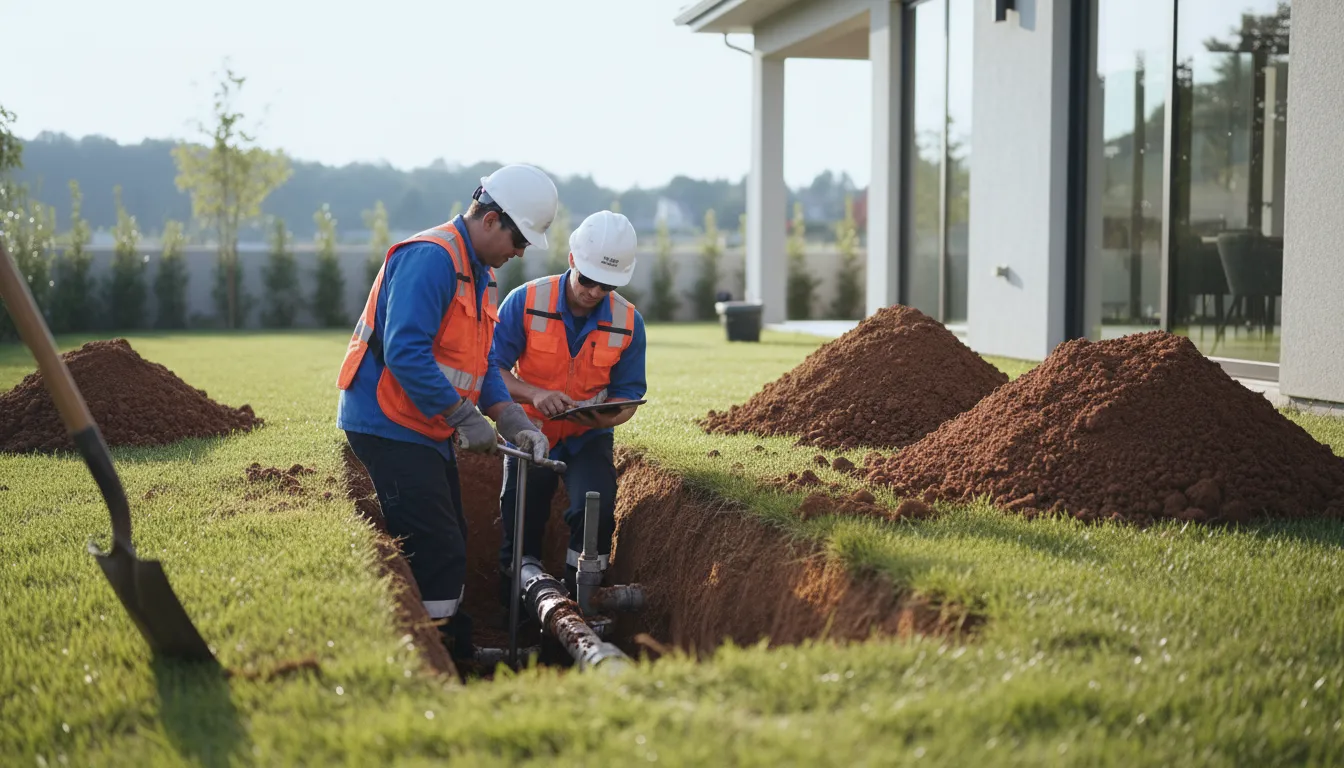
A failing septic system is more than an inconvenience; it's a serious public health and environmental concern for homeowners in Dearborn Heights. Septic system repair involves diagnosing and fixing issues with your tank, drainfield, or connecting components to restore proper wastewater treatment on your property. Understanding the local regulations and repair options is crucial, as all work is governed by the Wayne County Health Department. This guide will help you navigate the process, from recognizing warning signs and securing permits to understanding common fixes and finding qualified local professionals to handle the job.
Understanding Septic System Failures
A septic system is a self-contained wastewater treatment plant for your home. When functioning correctly, solids settle in the tank, liquids are treated and dispersed in the drainfield, and natural bacterial processes break down waste. A system fails when it can no longer effectively treat or dispose of this wastewater. In Dearborn Heights, common causes of failure include:
- Aging Infrastructure: Systems older than 20-30 years are more prone to breakdowns.
- Lack of Maintenance: Infrequent pumping allows solids to overflow into and clog the drainfield.
- Physical Damage: Crushed pipes from vehicle traffic, root intrusion, or a deteriorating concrete tank.
- Biomat Buildup: A thick, slimy layer of bacteria and organic matter that forms in the drainfield soil, eventually preventing proper drainage.
- System Overload: Excessive water use from leaks, fixtures, or an increase in household size overwhelms the system's capacity.
The Role of Wayne County Regulations
All septic system installation, alteration, and repair work in Dearborn Heights requires oversight from the Wayne County Environmental Health Unit 1. No person may install, alter, or repair a private sewage system without a written permit from the Health Officer 2. This regulatory framework is designed to protect groundwater and public health.
Key Regulatory Steps for Repairs:
- Site Evaluation: Before a repair permit is issued, a soil evaluation is often required to determine the suitability of your property for the proposed fix. This involves digging test holes that must be inspected by a county sanitarian 3.
- Permitting: You or your contractor must apply for a repair permit through the Wayne County Health Department. The permit must name a registered septic installer, though homeowners may install or repair their own system if it is their primary residence and they pass a test on the sewage code 4.
- Required Inspections: The county mandates specific inspections during the repair process to ensure compliance with code 5:
- Drainfield Excavation Inspection: The excavation must be inspected before any sand or stone is added.
- Sand Backfill Inspection: Confirms the quality and quantity of sand used in the drainfield.
- Component Placement Inspection: Checks the stone, tile, and pipe placement.
- Final Grading Inspection: Ensures proper earth cover and that surface water is directed away from the system.
- Final Approval & Operating Permit: Once repairs are complete and pass a final inspection, and subsequently a 12-month inspection, the county may issue an operating permit for the system 6.
Common Types of Septic Repairs
The scope and cost of septic work can vary dramatically, from minor adjustments to major excavations. Here are the most common repairs needed for onsite wastewater systems in the Dearborn Heights area.
Tank Repairs
The septic tank itself can develop issues. Repairs here often include:
- Sealing Cracks and Leaks: Preventing untreated sewage from escaping into the surrounding soil or groundwater.
- Baffle Replacement: The inlet and outlet baffles are crucial for controlling the flow of wastewater. If damaged or missing, they must be replaced to prevent solids from leaving the tank.
- Installing Risers: Adding access risers from the tank lids to the surface is a common upgrade that makes future pumping and inspection much easier and less costly.
Drainfield Restoration and Repair
A failing drainfield (or leach field) is a frequent problem. Complete replacement is expensive, so several restoration techniques are attempted first:
- Jet-Aeration and Bio-rejuvenation: Specialized equipment, such as a SludgeHammer, injects air and specialized bacteria into the drainfield to break down the clogging biomat and restore soil permeability without excavation 7 8.
- Soil Fracturing: This technique uses high-pressure air to create fissures in the compacted soil around the drainfield pipes, improving drainage pathways.
- Partial Replacement: If only a section of the field has failed, it may be possible to replace just that portion, though this depends on the soil evaluation and county approval.
Line and Component Repairs
- Pipe Repair/Replacement: Broken, crushed, or clogged pipes leading from the house to the tank (inlet) or from the tank to the drainfield (outlet) must be dug up and replaced.
- Pump and Alarm Systems: For systems with a pump tank, the pump, float switches, or alarm panel may need repair or replacement.
Full System Replacement
When a system is failed beyond repair or cannot be brought up to current code, a full replacement is necessary. This involves installing a new tank and a newly sized and engineered drainfield. This is the most extensive and costly project, with prices frequently ranging between $5,000 and $20,000, and sometimes higher for specialized systems or difficult sites.
Find the perfect septic system repair companies for your needs
Get personalized recommendations and expert advice
Navigating Costs and Financial Assistance
The financial burden of a major septic repair or replacement can be significant. Beyond the typical $5,000-$20,000 range for replacements, it's important to budget for the required soil evaluation, permit fees, and county inspections 9 10. Fortunately, Michigan offers resources to help qualified homeowners:
- Low-Interest Loans: The Michigan Department of Environment, Great Lakes, and Energy (EGLE) partners with Michigan Saves to provide accessible financing options for septic system replacements 11.
- Grant Programs: The Michigan Department of Health and Human Services (MDHHS) offers State Emergency Relief funds to correct unsafe conditions, which can include a failing septic system.
- Local Resources: Homeowners are encouraged to contact the Wayne County Environmental Health Division directly at 734-727-8490 to inquire about any local assistance programs or guidance specific to Dearborn Heights 12 13.
The Time of Sale/Transfer (TOST) Inspection
If you are buying or selling a home in Dearborn Heights with a septic system, be aware of Wayne County's Time of Sale/Transfer requirement. This mandate requires a septic tank inspection and pumping upon the sale of a home 14. This inspection often uncovers needed repairs that must be addressed before the property transfer can be completed, making it a critical step in the real estate process.
Choosing a Qualified Repair Professional
Given the regulatory complexity, choosing the right contractor is essential. Look for a licensed and insured septic service provider with extensive experience in Wayne County. They should be familiar with the local permit process, inspection requirements, and the various repair technologies available. A reputable professional will handle the county paperwork, schedule necessary inspections, and ensure the work meets all code standards for a lasting repair.
Maintaining Your Repaired System
Once your system is repaired, protect your investment with proper care. Pump your tank every 3-5 years (or as recommended based on usage), conserve water, avoid flushing harmful chemicals or non-biodegradables, and never drive or build over the drainfield. Regular maintenance is the most cost-effective way to avoid another major repair down the line.
Frequently asked questions
Sources
Footnotes
-
Septic/Onsite Sewage - Wayne County, Michigan - https://www.waynecountymi.gov/Government/Departments/Health-Human-Veterans-Services/Public-Health/Environmental-Health/Environmental-Safety/SepticOnsite-Sewage ↩
-
§ 53.02 GENERAL REQUIREMENTS. - https://codelibrary.amlegal.com/codes/waynecoin/latest/wayneco_in/0-0-0-1677 ↩
-
Sewage Treatment Systems | Wayne County Health Department - https://www.wayne-health.org/sewage-treatment-systems ↩
-
Septic/Onsite Sewage - Wayne County, Michigan - https://www.waynecountymi.gov/Government/Departments/Health-Human-Veterans-Services/Public-Health/Environmental-Health/Environmental-Safety/SepticOnsite-Sewage ↩
-
Inspections - Jim Kovalak, Inc. - https://kovalaksepticservice.com/inspections/ ↩
-
Septic/Onsite Sewage - Wayne County, Michigan - https://www.waynecountymi.gov/Government/Departments/Health-Human-Veterans-Services/Public-Health/Environmental-Health/Environmental-Safety/SepticOnsite-Sewage ↩
-
Septic Repair Services in Southeast Michigan - https://www.universalsepticservices.com/services/septic-repairs/ ↩
-
Septic Field Restoration | A Comprehensive Guide - https://michigandrainfield.com/blog/septic-field-restoration-a-comprehensive-guide/ ↩
-
Septic Systems - Michigan Water Stewardship Program - https://miwaterstewardship.org/septic-systems/ ↩
-
Rights vs. Regulations: When it comes to septic system codes ... - https://www.greatlakesnow.org/2021/03/02/michigan-regulations-septic-system-codes-property-rights/ ↩
-
Navigating your home septic system replacement - Michigan Saves - https://michigansaves.org/news/navigating-your-home-septic-system-replacement/ ↩
-
Residential Well & Septic - https://www.dhd10.org/environmental-health/well-septic/residential/ ↩
-
Wayne County Health Department - https://www.wayne-health.org/sites/default/files/2023-02/WPCLF%20Application%20Instructions%202023.pdf ↩
-
Inspections - Jim Kovalak, Inc. - https://kovalaksepticservice.com/inspections/ ↩