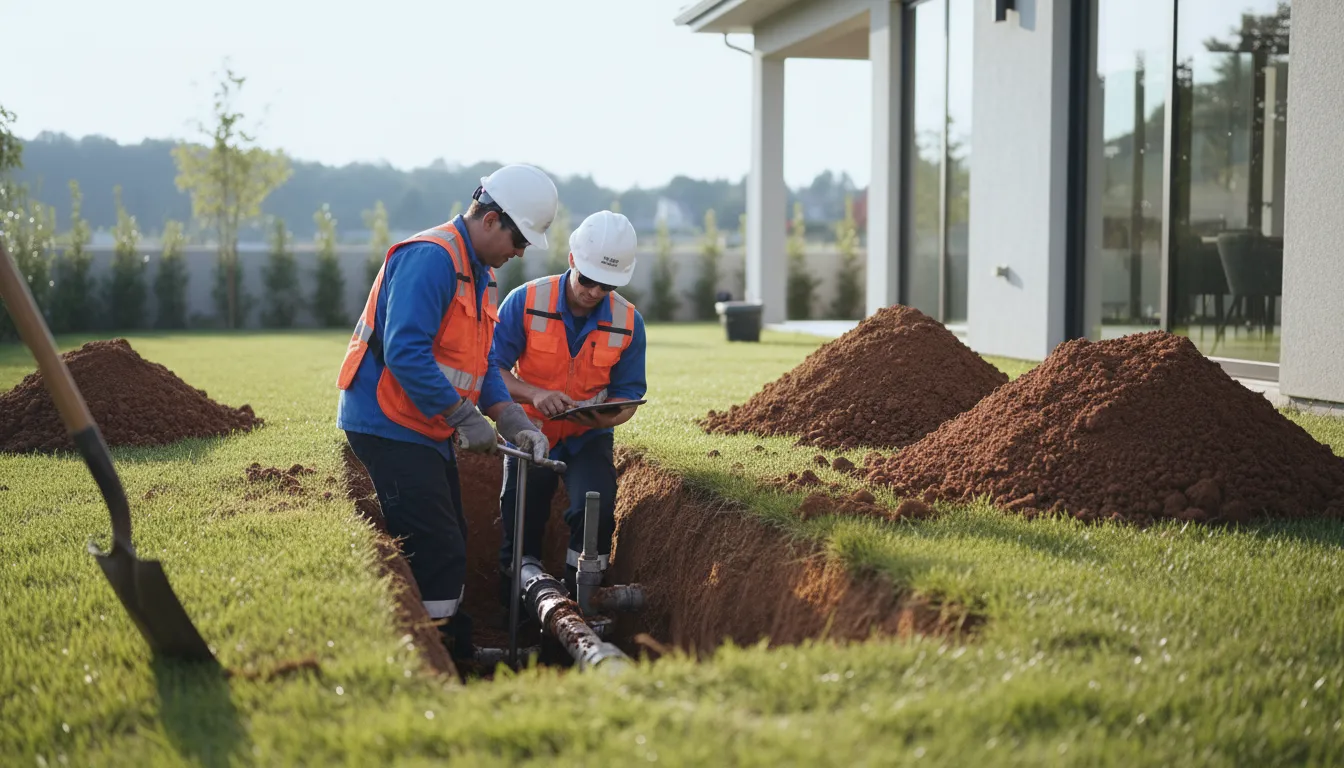
Find the Best Septic System Repair Companies for Your Business
No obligation • Fast responses • Nationwide coverage

Why you can trust Septic Spot
Septic Spot is a leading United States resource for understanding and comparing septic services. Our editors review providers using consistent criteria and verify key business details. Listings and scores are independent, and companies cannot pay to influence our content.
Search providers near you
Top Septic System Repair Companies in Flint, Michigan Ranked
When your home's wastewater treatment system fails, it's more than an inconvenience-it's a public health and environmental concern that requires immediate, professional attention. Septic system repair in Flint, Michigan, involves diagnosing and fixing issues with your septic tank, drain field, or related components to restore proper function and prevent contamination. This process is strictly regulated by local health authorities to protect our groundwater and community. This guide will help you understand the signs of failure, the local regulatory process, and how to find qualified professionals to handle your septic system maintenance and remediation needs.
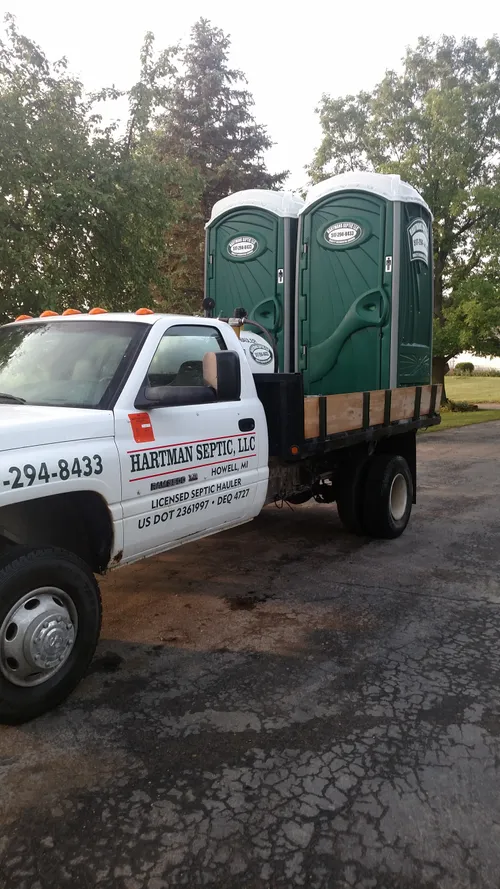
Hartmans Septic LLC
Lansing, MI
Hartmans Septic LLC is a locally owned septic service provider based in Lansing, MI, serving Howell and surrounding areas. The company offers septic tank pumping, minor septic system repairs, and portable restroom rentals for events and construction sites. With over 20 years of experience, Hartmans Septic LLC focuses on maintaining efficient septic systems and preventing costly damage through regular cleaning and timely repairs.
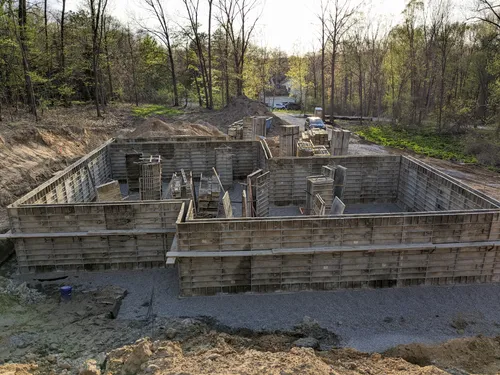
Bowman Excavating Inc
920 W Marr Rd, Howell, MI 48855
Bowman Excavating Inc is a family-owned excavation and septic system company serving Lansing, MI, and surrounding counties. With over 45 years of experience, they specialize in septic system installation and repair, including certified Advantex septic systems, engineered drain fields, and pressure systems. Their expertise extends to full-service excavation work such as basement excavation, grading, land clearing, and site development. Bowman Excavating applies detailed knowledge of soil structure and environmental codes to ensure precise and compliant septic solutions.
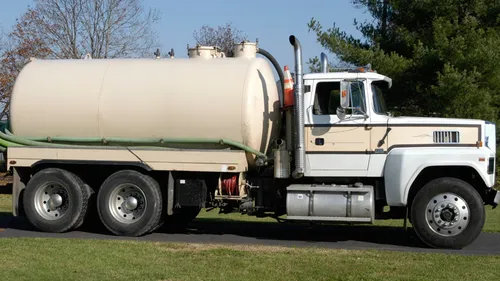
Howell Sanitary Co. II
Lansing, MI
Howell Sanitary Co. II provides a range of septic system services in Lansing, MI. Their offerings include septic tank pumping, inspections, repairs, and new installations. They also handle septic field repairs and replacements, with expertise in various field types such as conventional, elevated, dry wells, bed, and trench systems. Additional capabilities include septic tank riser installation, effluent filter cleaning, excavating, driveway grading, and land clearing.
Recognizing a Failing Septic System
The first step in addressing a problem is recognizing that one exists. A failing onsite wastewater system often gives clear warning signs before a complete breakdown occurs. Ignoring these signs can lead to costly property damage, environmental harm, and significant health code violations.
Common indicators that your system may need inspection or repair include:
- Sewage backups in household drains, toilets, or showers.
- Slow-draining sinks, tubs, or washing machines.
- Gurgling sounds coming from your plumbing.
- Unpleasant odors around the septic tank or drain field area.
- Persistently soggy ground or pooling water (effluent) over the drain field, even in dry weather.
- Unusually lush, green grass growing over the drain field.
If you notice any of these signs, it's crucial to act promptly. A failing system can contaminate nearby wells, streams, and groundwater with harmful bacteria and nutrients.
The Regulatory Landscape: Genesee County Health Department
All septic system work in Flint and Genesee County is governed by the Genesee County Health Department (GCHD). Their Environmental Health Division enforces state and local codes designed to safeguard public health. Understanding this process is non-negotiable for any homeowner.
A core requirement is that a permit must be obtained from the GCHD prior to repairing or replacing any component of a septic system. This isn't a mere formality. The process ensures repairs are done correctly and sustainably. Here's what you can expect:
- Site Evaluation: A GCHD sanitarian will inspect the proposed repair site. They assess critical factors like soil type, depth to the water table, and proper separation distances from wells and property lines.
- Permit Approval: Once the site plan (often prepared by your licensed installer) is approved, the GCHD issues a permit for the specific work.
- Final Inspection: After the repair or installation is complete but before it is backfilled, a final inspection by the health department is mandatory.
It's important to note that operating a failing system or conducting work without a permit can result in fines ranging from $500 to $1,0001 2. However, if you have an older system that is not currently failing, it may be "grandfathered" and allowed to continue operating under existing codes. The moment it requires replacement, however, the new system must meet all current regulations 1 3 4.
Common Types of Septic System Repairs
The nature of the repair depends entirely on where and how the system has failed. A professional assessment is required to determine the exact solution. Common septic tank fixes and wastewater system remediations include:
Component Replacement & Minor Repairs
These are often the most straightforward and affordable fixes, addressing specific broken parts.
- Baffle Replacement: The inlet or outlet baffle inside the tank can deteriorate, allowing solids to escape into the drain field. Replacing it is a common repair.
- Riser Installation/Repair: Adding or fixing access risers brings the tank lids to ground level, making future pumping and inspection much easier and cheaper.
- Pump Repairs: For systems with a dosing tank or lift station, the effluent pump can fail and may need repair or replacement.
- Filter Cleaning/Replacement: Outlet filters catch solids and require regular cleaning; they can become clogged and need service.
Drain Field (Leach Field) Rehabilitation or Replacement
This is typically the most extensive and expensive type of repair. The drain field is where treated liquid wastewater (effluent) is dispersed into the soil. If it becomes clogged with solids or biomat, it will fail.
- Field Replacement: This involves excavating a new absorption area with new gravel and perforated pipes. It requires significant space and a new permit.
- Advanced Treatment Systems: In cases where soil conditions are poor (e.g., high water table, dense clay), an engineered system like a mound, sand filter, or aerobic treatment unit (ATU) may be required as a replacement 5.
Full System Replacement
Sometimes, the entire system is beyond repair or is severely undersized for the home. This involves removing the old tank and drain field and installing a completely new, permitted system that meets modern codes.
System Cleaning & Jetting
For minor drain line clogs between the house and tank, or within the drain field pipes, high-pressure water jetting can sometimes clear blockages caused by roots or accumulated biosolids 6.
Find the perfect septic system repair companies for your needs
Get personalized recommendations and expert advice
The Step-by-Step Repair Process
Navigating a septic system fix can feel daunting, but following a clear process ensures compliance and a successful outcome.
- Hire a Licensed Professional: Your first call should be to a licensed septic system installer or repair specialist in Genesee County. They can perform a thorough inspection to diagnose the problem.
- Pump the Tank: As part of the inspection, the tank should be pumped. This allows for a clear view of the tank's interior and is often required for proper assessment.
- Develop a Repair Plan: The professional will recommend a solution, which may range from a simple component swap to a major drain field redesign.
- Submit Permit Application: Your contractor will typically handle submitting the necessary site plan and application to the GCHD Environmental Health Division on your behalf 7.
- Schedule GCHD Evaluation: The health department sanitarian will visit your property to evaluate the site and approve the plan.
- Complete the Repairs: Once the permit is issued, the licensed professional can perform the approved work.
- Final Inspection: Do not backfill the work until a GCHD sanitarian conducts a final inspection and approves the installation 8.
Understanding Repair and Maintenance Costs
Costs for septic work vary widely based on the repair's complexity, soil conditions, and system size. Regular maintenance is your best defense against major expenses.
- Routine Maintenance: A standard septic tank pumping and inspection in the Flint area typically costs between $250 and $500 and should be done every 3-5 years (more often for systems with pumps) 9.
- Minor Repairs: Fixing a baffle, replacing a riser, or repairing a pump often falls in the range of $300 to $1,000.
- Major Repairs & Replacements: Replacing a drain field or installing a new conventional system generally starts around $3,000 to $10,000. For complex, engineered systems required for difficult sites, costs can easily exceed $20,00010 11.
Proactive Maintenance to Avoid Repairs
The most cost-effective "repair" is consistent, preventative care. Follow these guidelines to extend the life of your Flint-area septic system:
- Inspect Regularly: Have a professional inspect your system every 1-3 years.
- Pump Routinely: Pump the septic tank every 3-5 years to prevent solids from washing out and clogging the drain field.
- Conserve Water: Fix leaks and spread out laundry loads to avoid overloading the system.
- Mind What You Flush: Never flush wipes (even "flushable" ones), feminine hygiene products, grease, chemicals, or medications. These can clog or destroy the biological treatment process.
- Protect the Drain Field: Never drive or park vehicles over the drain field, and avoid planting trees with deep roots nearby.
Frequently asked questions
Sources
Footnotes
-
A Genesee County Homeowner's Guide to a Well-Maintained ... - https://gcdcswm.com/PhaseII/Permit_Forms/septic_book_final.pdf ↩ ↩2
-
Septic System Ordinances | Michigan Lakes and Streams ... - https://mymlsa.org/government-and-legal-issues/ordinances/septic-system-ordinances/ ↩
-
Rights vs. Regulations: When it comes to septic system codes ... - https://www.greatlakesnow.org/2021/03/02/michigan-regulations-septic-system-codes-property-rights/ ↩
-
Environmental Health Regulations - Genesee County, MI - https://www.geneseecountymi.gov/departments/health_department/services/environmental_health/environmental_health_regulations.php ↩
-
Navigating your home septic system replacement - Michigan Saves - https://michigansaves.org/news/navigating-your-home-septic-system-replacement/ ↩
-
Septic Systems: - Mid-Michigan District Health Department - https://www.mmdhd.org/wp-content/uploads/2018/09/Septic-Systems.pdf ↩
-
Sewage Systems | CMDHD - https://www.cmdhd.org/septicsystems ↩
-
Sewage System Permitting - Western UP Health Department - https://www.wupdhd.org/sewage-system-permitting/ ↩
-
Septic Systems - Michigan Water Stewardship Program - https://miwaterstewardship.org/septic-systems/ ↩
-
Proper Septic System Maintenance: - Tip of the Mitt Watershed Council - https://watershedcouncil.org/wp-content/uploads/2023/09/2022-Proper-Septic-Maintenance-For-Homeowners.pdf ↩
-
Engineered Septic Systems in Michigan: Costs, Maintenance, a ... - https://www.michiganseptic.com/post/engineered-septic-systems-in-michigan-costs-maintenance-a-2026-guide ↩