
Find the Best Septic System Repair Companies for Your Business
No obligation • Fast responses • Nationwide coverage

Why you can trust Septic Spot
Septic Spot is a leading United States resource for understanding and comparing septic services. Our editors review providers using consistent criteria and verify key business details. Listings and scores are independent, and companies cannot pay to influence our content.
Search providers near you
Top Septic System Repair Companies in Redford, Michigan Ranked
Maintaining a functional septic system is crucial for the health of your home and the local environment in Redford. When your on-site sewage disposal system (OSDS) fails, it can lead to unpleasant backups, environmental contamination, and significant property value issues. This guide explains the process, regulations, and typical considerations for septic system repair in Redford, helping you understand your options and connect with qualified local professionals to restore your system to proper working order.
Howell Sanitary Co. II
Lansing, MI
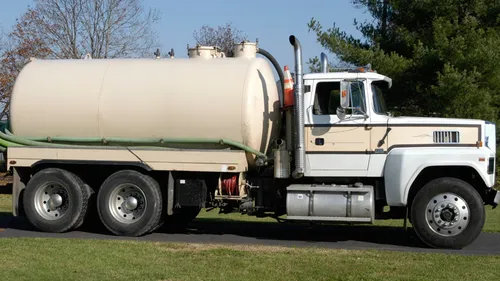
Howell Sanitary Co. II provides a range of septic system services in Lansing, MI. Their offerings include septic tank pumping, inspections, repairs, and new installations. They also handle septic field repairs and replacements, with expertise in various field types such as conventional, elevated, dry wells, bed, and trench systems. Additional capabilities include septic tank riser installation, effluent filter cleaning, excavating, driveway grading, and land clearing.
Al Pearson & Son Septic Tank Cleaning
46885 Ford Rd, Canton Township, MI 48187
Al Pearson & Son Septic Tank Cleaning is a family-owned business serving Ann Arbor, MI, and the surrounding Southeast Michigan area. They offer a full range of septic services including tank pumping, cleaning, system repairs, new installations, soil evaluations, and excavation. With over 70 years of experience since 1953, the company is licensed and certified to handle advanced septic system work for both residential and commercial clients. They emphasize clear communication and honest recommendations to ensure septic systems operate reliably. Emergency septic services are also available with often same-day pumping.
Understanding Septic System Failures
A septic system is considered failing when it no longer safely treats and disposes of household wastewater. In Wayne County, this is officially defined as a system that causes sewage to back up into the home, discharges effluent to the ground surface, or fails to treat wastewater before it reaches groundwater. Recognizing the early signs of failure can save you from more extensive and costly repairs down the line. Common indicators include slow-draining fixtures, foul odors near the drainfield or tank, unusually lush or soggy grass over the drainfield area, and, most critically, sewage backups in your home.
Because Michigan does not have a statewide sanitary code, local county regulations are paramount 1. In Redford, which is part of Wayne County, all repair work is strictly governed by the Wayne County Department of Health, Human and Veterans Services (WCHD) Environmental Health Division. This means any significant repair, from replacing a baffle to installing a new drainfield, requires county oversight, permits, and inspections.
Common Types of Septic Repairs
Septic system issues can range from minor component failures to major subsystem replacements. Understanding the scope of common repairs can help you anticipate the work involved.
Tank Repairs and Component Replacement: The septic tank itself can develop problems. Concrete tanks may crack, inlet or outlet baffles can break or deteriorate, and access lids (often buried) may need to be upgraded with risers for easier future maintenance. Repairing or replacing these components typically involves excavating to access the tank, which is considered a minor to moderate repair.
Drainfield (Soil Absorption System) Repairs: This is often the most complex and expensive type of repair. A drainfield can fail due to soil clogging (biomat formation), compaction, or hydraulic overloading. Sometimes, a process called "rejuvenation" can temporarily restore function, but often a new drainfield must be installed in a designated "reserve area" on your property 2. The soil conditions in Redford will heavily influence the design and cost of this repair.
Pump and Lift Station Repairs: If your property's topography requires effluent to be pumped to a higher drainfield (common in mound systems), the mechanical pump and associated electrical components are critical. Repairing or replacing a failed pump, float switches, or alarm systems is a specialized task that ensures wastewater is properly conveyed to the treatment area 3.
The Regulatory Process for Repairs in Wayne County
Navigating the permit and inspection process is a non-negotiable part of any septic system repair in Redford. Skipping these steps can result in fines and an unpermitted system that complicates future property sales.
- Initial Evaluation: Before planning repairs, a thorough evaluation is needed. For property transfers, a Time of Sale (TOS) inspection is mandated by county ordinance 4. Even outside of a sale, hiring a registered evaluator to assess the system-which includes pumping the tank and probing the drainfield-provides a clear diagnosis.
- Call MISS DIG: Before any excavation, state law requires you or your contractor to call 8-1-1 or 1-800-482-7171 at least three business days before digging. This free service marks the location of underground utilities to prevent dangerous and costly strikes 5.
- Obtain a Permit: A construction permit from the WCHD is required to repair, replace, or abandon a septic system. Only registered septic installers-or property owners who pass a county-administered exam with an 80% grade-may apply for this permit 6 7. The application will detail the planned repair work.
- Perform the Repair Work: The registered contractor completes the approved repairs. For certain steps, like the excavation for a new drainfield, a county environmentalist may need to perform an "open trench" inspection before the system is covered.
- Final Inspections: Once work is complete, a WCHD inspector must conduct a final inspection to approve the installation. A final grading inspection is also required to ensure the site is properly covered and surface water is diverted away from the system components.
Find the perfect septic system repair companies for your needs
Get personalized recommendations and expert advice
Critical Local Ordinances to Know
Redford homeowners must be aware of two key Wayne County ordinances that directly impact septic system repair decisions.
The Time of Sale (TOS) Ordinance: This rule requires that any property with a septic system must have it inspected and approved by the Health Department before the sale or transfer of the home 8 9. This inspection often triggers the need for repairs, as any identified failure must be corrected before the sale can proceed. The inspection fee typically ranges from $50 to $75.
Mandatory Connection Ordinance: This is a crucial financial consideration. If a public sewer line is available within 300 feet of your residence, the county may require you to abandon your septic system and connect to the public sewer upon the failure of your existing system. Connecting to city sewer involves significant tap-in fees and plumbing work, but it may be mandated instead of allowing a costly new drainfield installation. Always check with the WCHD to understand your options if your system fails.
Understanding Repair Costs and Financial Assistance
Repair costs can vary widely based on the problem, soil conditions, and system type. It's wise to get multiple estimates from registered contractors.
- Minor Repairs: Fixing or replacing baffles, tees, or installing access risers might range from $500 to $1,500.
- Septic Tank Pumping: Often part of an evaluation or routine maintenance, pumping costs approximately $250 to $500+, depending on tank size and access 10 11.
- Major Drainfield Repair/Replacement: This is the most significant expense. Replacing a failed drainfield or installing a new mound system can range from $3,000 to over $10,000, with complex sites costing even more 12 13.
For homeowners facing financial hardship, assistance may be available. The Michigan Department of Health and Human Services (MDHHS) State Emergency Relief program can sometimes provide funds for replacing failing septic systems for eligible households. Additionally, the Michigan Saves program offers home energy loans that can also be used for septic system replacements that include water efficiency components, providing a potential financing path.
Choosing a Qualified Repair Contractor
Your choice of contractor is critical, as improper repairs can lead to repeated failures and regulatory issues. In Wayne County, you must use a registered septic installer. You can verify a contractor's registration status with the WCHD. A reputable professional will:
- Pull all required permits on your behalf.
- Call MISS DIG before digging.
- Understand local soil conditions and county design requirements.
- Schedule and coordinate all necessary inspections.
- Provide a detailed, written estimate and warranty for their work.
Regular maintenance, including periodic pumping every 3-5 years and avoiding flushing harmful chemicals or non-biodegradables, is the best way to avoid premature system failure and the need for major repairs.
Frequently asked questions
Sources
Footnotes
-
Septic System Ordinances | Michigan Lakes and Streams ... - https://mymlsa.org/government-and-legal-issues/ordinances/septic-system-ordinances/ ↩
-
Sewage Systems | CMDHD - https://www.cmdhd.org/septicsystems ↩
-
Septic Systems: - Mid-Michigan District Health Department - https://www.mmdhd.org/wp-content/uploads/2018/09/Septic-Systems.pdf ↩
-
Evaluation & Maintenance Ordinance - Wayne County, Michigan - https://www.waynecountymi.gov/Government/Departments/Environmental-Services/Water-Quality-Management/Storm-Water-Management/Evaluation-Maintenance-Ordinance ↩
-
Septic/Onsite Sewage - Wayne County, Michigan - https://www.waynecountymi.gov/Government/Departments/Health-Human-Veterans-Services/Public-Health/Environmental-Health/Environmental-Safety/SepticOnsite-Sewage ↩
-
Sewage Treatment Systems | Wayne County Health Department - https://www.wayne-health.org/sewage-treatment-systems ↩
-
SepticSmart - Mid-Michigan District Health Department - https://www.mmdhd.org/environmental-services/septic/septic-smart/ ↩
-
Septic/Onsite Sewage - Wayne County, Michigan - https://www.waynecountymi.gov/Government/Departments/Health-Human-Veterans-Services/Public-Health/Environmental-Health/Environmental-Safety/SepticOnsite-Sewage ↩
-
§ 53.02 GENERAL REQUIREMENTS. - https://codelibrary.amlegal.com/codes/waynecoin/latest/wayneco_in/0-0-0-1677 ↩
-
Inspections - Jim Kovalak, Inc. - https://kovalaksepticservice.com/inspections/ ↩
-
Septic Systems - Michigan Water Stewardship Program - https://miwaterstewardship.org/septic-systems/ ↩
-
Navigating your home septic system replacement - https://michigansaves.org/news/navigating-your-home-septic-system-replacement/ ↩
-
New Property Owner Sewage Program Review of Operation and ... - https://www.wayne-health.org/sites/default/files/2022-11/Generic%20O.M.pdf ↩