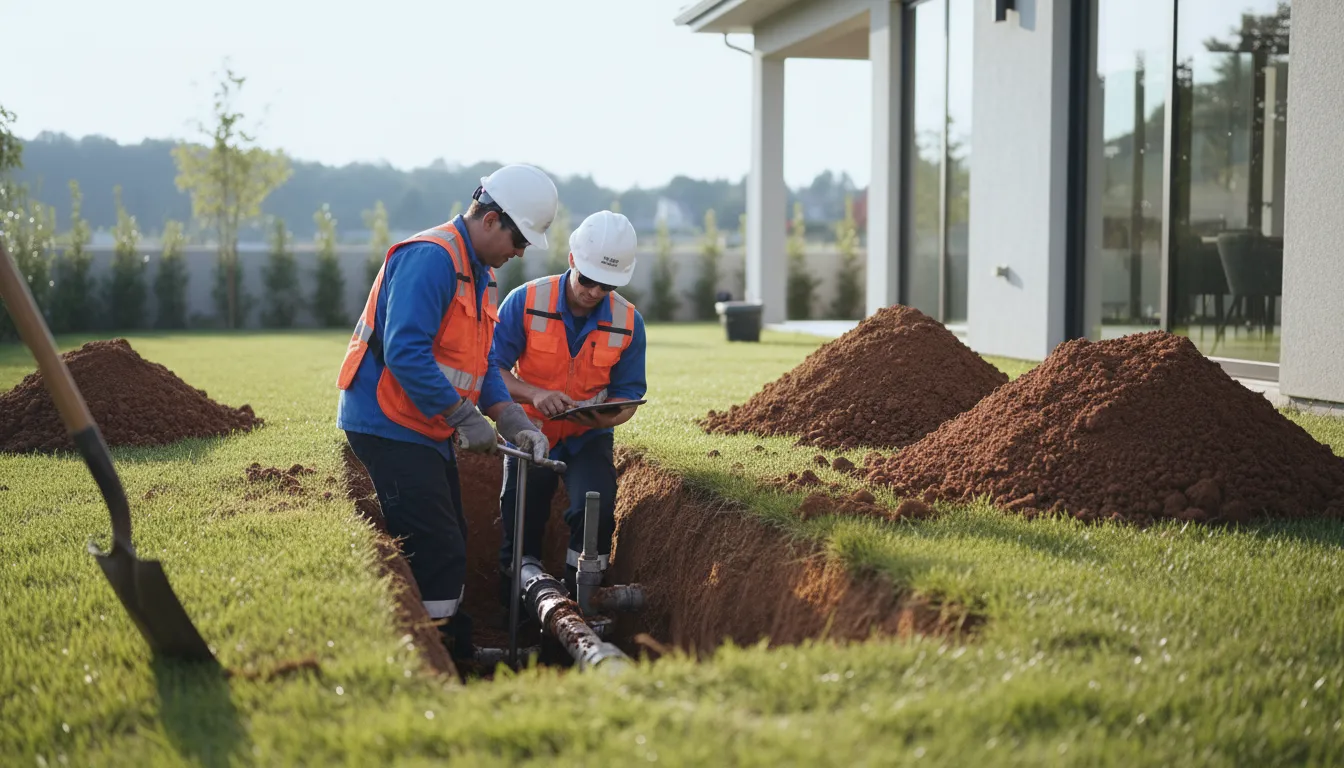
Find the Best Septic System Repair Companies for Your Business
No obligation • Fast responses • Nationwide coverage

Why you can trust Septic Spot
Septic Spot is a leading United States resource for understanding and comparing septic services. Our editors review providers using consistent criteria and verify key business details. Listings and scores are independent, and companies cannot pay to influence our content.
Search providers near you
Best Septic System Repair Companies in New Hampshire Ranked
A failing septic system is more than an inconvenience; it's a potential health hazard and a significant environmental concern for your property and community. Septic system repair in New Hampshire involves diagnosing issues, obtaining state and local approvals, and implementing solutions to restore proper wastewater treatment. This guide explains the regulatory landscape, common repair scenarios, and associated costs to help you navigate the process of finding qualified local professionals for your repair needs.
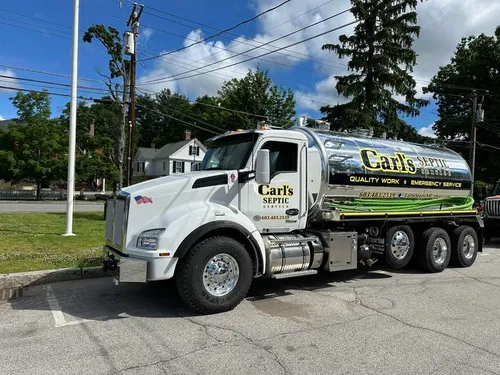
Carl's Septic Systems and Services in New Hampshire
320 Baker Rd, Candia, NH 03034
Carl's Septic Systems and Services in New Hampshire provides septic tank pumping, repair, and installation services in Manchester, NH. With over 40 years of experience, they serve both residential and commercial clients across New Hampshire. Their offerings include emergency septic services, routine maintenance, and commercial septic solutions, ensuring systems operate efficiently and meet regulatory standards. The company emphasizes reliable emergency response and comprehensive septic system care.
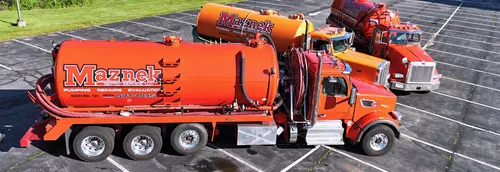
Maznek Septic Services LLC
41 Wendover Way, Bedford, NH 03110
Maznek Septic Services LLC provides comprehensive septic system services in Manchester, NH, and surrounding areas of central and southern New Hampshire. Their offerings include septic tank pumping, inspections by certified evaluators, septic system repairs, and drain field maintenance. The company is skilled in septic pump replacement and grease trap pumping for commercial clients such as restaurants and hospitals. Maznek Septic Services also performs system locating and camera scans to support real estate transactions and pre-construction planning. Their approach includes thorough septic tank cleaning and component checks to help prevent costly repairs and system failures.
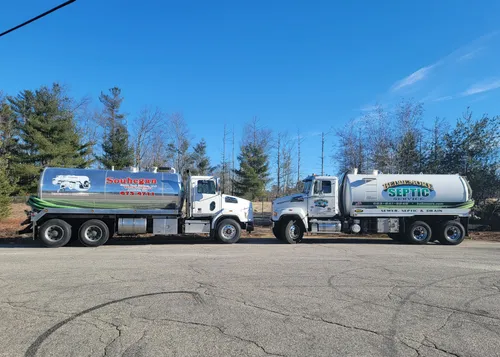
Souhegan Septic Tank Services LLC
18 Lamy Dr, Goffstown, NH 03045
Souhegan Septic Tank Services LLC is a family-owned business serving Manchester, NH, and the surrounding Southern New Hampshire area. They provide septic system services including pumping, cleaning, line unclogging, jetting, and camera inspection. The company also offers specialized capabilities such as hydro excavation and pipe relining. Established in 1978, Souhegan Septic Tank Services has decades of experience in septic maintenance and repair.
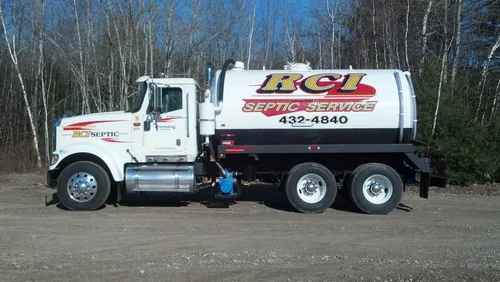
RCI Septic Service
Manchester, NH
RCI Septic Service is a family-owned septic company serving Manchester, NH, and the surrounding Southern New Hampshire region. They provide septic tank pumping, system repair, replacement, and installation services tailored to residential and commercial properties. With over 25 years of experience and a multi-generational team, they use up-to-date technology and quality materials to ensure efficient and environmentally friendly septic systems. Their capabilities include thorough septic tank pump-outs and full system installations, designed to maintain system health and longevity.
Understanding New Hampshire's Septic Repair Regulations
All significant septic system work in New Hampshire is governed by the Department of Environmental Services (NHDES) under the Env-Wq 1000 rules. The goal is to protect the state's groundwater, which is the source of drinking water for many residents.
Key regulatory steps for any repair include:
- NHDES Approval: Any replacement or major modification of a septic system requires a Subsurface System Permit from the NHDES. This is non-negotiable for work beyond simple component replacement.
- Local Permits: You must also contact your local health officer or building inspector. They handle local compliance, investigate system failures, and issue necessary local permits 1.
- Licensed Design: For most repairs, especially those involving the leach field, a licensed septic system designer must create engineered plans. This ensures the solution meets current health and environmental standards.
Common Signs You Need Septic Repairs
Recognizing early warning signs can prevent a minor issue from becoming a catastrophic failure.
- Slow Drains and Backups: Consistently slow drains or sewage backing up into household fixtures are primary indicators of a problem.
- Unpleasant Odors: Foul smells around the drain field or inside the home suggest the system is not processing waste properly.
- Soggy Ground or Lush Grass: Overly wet, spongy soil or unusually green, lush grass over the leach field can signal that effluent is surfacing.
- Failed Inspection: During a real estate transaction, a mandated septic inspection may reveal issues that require repair before a sale can proceed 2.
Regular maintenance, including pumping your tank every 3 to 5 years, is strongly encouraged and often mandated by local ordinance to avoid these costly problems 3 4.
Types of Septic System Repairs and Costs
Repair costs in New Hampshire vary dramatically based on the scope of work, soil conditions, and system type. The following estimates are based on regional data and should be used as a guideline; always obtain multiple quotes from licensed contractors.
1. Inspection and Diagnostic Pumping
Before any repair, a professional inspection and tank pumping ($400-$700) is essential to diagnose the exact problem.
2. Component Replacement
This involves fixing specific parts without altering the entire system's design.
- Tank Repair/Replacement: Replacing a damaged 1,000-gallon tank typically costs between $500 and $900 for the tank itself, plus significant labor for excavation and installation 5.
- Baffle or Pipe Repair: Fixing inlet/outlet baffles or connecting pipes is generally less expensive but crucial for proper function.
3. Leach Field Repair or Replacement
This is the most common and costly major repair.
- Partial Field Repair: If only a portion of the leach field has failed, spot repairs may be possible, ranging from $3,000 to $7,000.
- Complete Field Replacement: A full leach field replacement is a major undertaking, often costing between $3,000 and $10,000 or more. This price includes new design, permitting, excavation, and materials 6.
4. Advanced/Alternative System Repairs
Homes with engineered systems like mounds, sand filters, or aerobic treatment units (ATUs) face higher repair costs due to mechanical and electrical components.
- Pump or Dosing Tank Replacement: $1,000-$3,000.
- ATU Component Repair: $2,000-$5,000+.
- Full Advanced System Replacement: Replacing an entire failing advanced system can cost between $12,000 and $25,000, with some high-end systems exceeding $50,000 7.
5. Design and Permitting Fees
Budget an additional $1,000 to $2,000 for the services of a licensed designer and the associated state and local permit fees 8 9.
Find the perfect septic system repair companies for your needs
Get personalized recommendations and expert advice
Site-Specific Challenges in New Hampshire
New Hampshire's diverse terrain and geology present unique hurdles for septic repair.
- High Water Table and Poor Soils: Many areas have high groundwater or dense, impermeable soils. Repairs here often require engineered solutions like raised mound systems or systems with pumps, which increase complexity and cost 10.
- Strict Setback Requirements: State law mandates minimum distances between septic system components and wells, property lines, water bodies, and buildings. A repair must comply with current setbacks, which may be stricter than when the original system was installed.
- Soil Evaluations (Perc Tests): For any leach field work, a new soil evaluation (percolation test) is usually required to prove the soil can properly absorb treated wastewater 11.
The Repair Process: From Failure to Function
- Identify the Problem: Contact a licensed septic inspector or repair contractor at the first sign of trouble.
- Diagnose & Design: The professional will assess the failure. For major work, a licensed designer will draft a repair plan.
- Secure Permits: Your contractor or designer will submit the plan to NHDES and your local municipality for approval 12 13.
- Execute the Repair: Once permits are issued, excavation and construction can begin. All work must be performed by or under the supervision of a licensed installer.
- Final Inspection: NHDES or the local health officer will conduct a final inspection to approve the repair before the system is covered.
Can You Do Your Own Septic Repair in New Hampshire?
State rules allow a homeowner to install or repair a septic system on their primary residence without holding a professional license, provided they follow all design and permitting rules 14 15. However, this is only recommended for those with significant excavation and construction experience. The complexity of regulations, the need for specialized equipment, and the high stakes for environmental protection make hiring a licensed professional the prudent choice for most homeowners.
Maintaining Your System Post-Repair
After investing in repairs, protect your investment with proper care.
- Pump Regularly: Schedule pumping every 3-5 years based on household size and usage.
- Conserve Water: Fix leaks and spread out laundry loads to avoid hydraulically overloading the system.
- Mind What You Flush: Only human waste and toilet paper should go down the drain. Avoid chemicals, grease, wipes, and other non-biodegradables.
- Protect the Drain Field: Never drive or park heavy vehicles over it, and keep roof drains and sump pumps directed away from the area.
Frequently asked questions
Sources
Footnotes
-
WD-07-29 The DES Guide to Groundwater Protection - https://www.des.nh.gov/sites/g/files/ehbemt341/files/documents/2020-01/wd-07-29.pdf ↩
-
Septic & Well Inspections in NH: What Buyers Need to Know - https://nhrealestate.com/blog/septic-well-inspections-nh ↩
-
Protecting Water Quality with Septic System Rules | New Hampshire ... - https://www.nhmunicipal.org/town-city-magazine/new-hampshire-town-city-magazine-novemberdecember-2019/protecting-water-quality ↩
-
Navigating New Hampshire Septic System Laws: A Homeowner's Guide - https://www.ajfoss.com/regulations-and-compliance/new-hampshire-septic-system-laws/ ↩
-
Residential Septic Tank Pricing | Homeowner's Guide to Costs - https://www.ntotank.com/blog/residential-septic-tank-pricing ↩
-
Essential Guide to Septic System Installation NH - https://swallowandsonsexcavation.com/f/essential-guide-to-septic-system-installation-nh?blogcategory=General+Contractor+FAQ ↩
-
How Much Does It Cost to Replace a Septic System? - https://alphaenvironmental.net/blog/how-much-cost-replace-septic-system/ ↩
-
Septic System Installation for Small Properties in NH - https://www.townesseptic.com/blog/septic-system-installation-for-small-properties-in-nh ↩
-
What Home Buyers and Sellers Should Know About Septic Systems ... - https://www.lamacchiarealty.com/home-buyers-sellers-septic-systems-new-hampshire/ ↩
-
Septic System Installation in NH: Everything You Need to Know - https://www.rciseptic.com/septic-system-installation-in-new-hampshire-everything-homeowners-need-to-know ↩
-
Understanding Residential Water Wells & Septic Systems - https://support.explorekeyrealty.com/s/article/Understanding-Residential-Water-Wells-Septic-Systems ↩
-
Septic Systems | NH Department of Environmental Services - https://www.des.nh.gov/land/septic-systems ↩
-
New Hampshire Septic License & Certification | 2024 Contractor Guide - https://www.servicetitan.com/licensing/septic/new-hampshire ↩
-
Can you install your own septic system in NH? - AJFoss - https://www.ajfoss.com/ufaqs/can-you-install-your-own-septic-system-in-nh/ ↩
-
Navigating New Hampshire Septic System Laws: A Homeowner's Guide - https://www.ajfoss.com/regulations-and-compliance/new-hampshire-septic-system-laws/ ↩