Find the Best Septic System Repair Companies for Your Business
No obligation • Fast responses • Nationwide coverage

Why you can trust Septic Spot
Septic Spot is a leading United States resource for understanding and comparing septic services. Our editors review providers using consistent criteria and verify key business details. Listings and scores are independent, and companies cannot pay to influence our content.
Search providers near you
Top Septic System Repair Companies in Hackensack, New Jersey Ranked
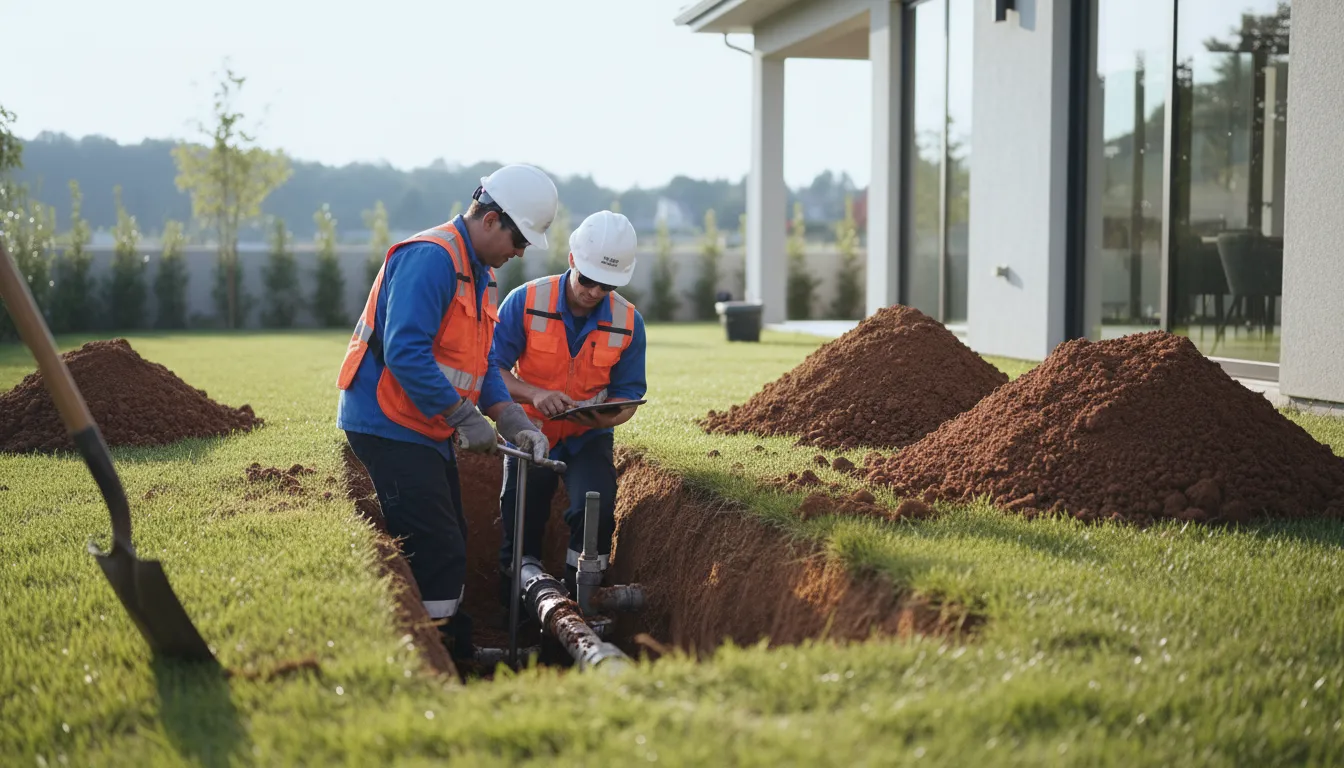
A failing septic system is a serious issue for any Hackensack homeowner, posing health risks and potential property damage. Septic system repair involves diagnosing and fixing problems with your tank, drain field, or connecting components to restore proper wastewater treatment. Navigating this process requires understanding New Jersey's strict regulations and working with licensed professionals. This guide provides the essential information you need to identify issues, understand the repair process, and find qualified local experts to ensure your system is fixed safely and legally.
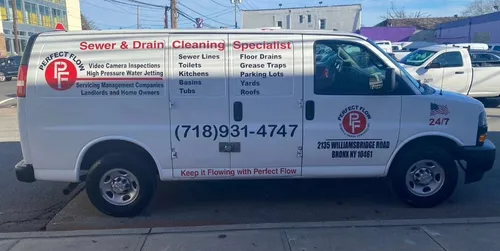
Perfect Flow Sewer & Drain Services
2135 Williamsbridge Rd, Bronx, NY 10461
Perfect Flow Sewer & Drain Services provides septic tank inspection and septic system repair in Yonkers, NY. They offer thorough inspections, efficient cleaning, and precise repairs to maintain reliable sewer and drain systems. Their services focus on ensuring seamless flow and system functionality.
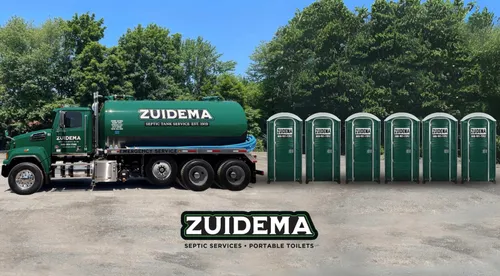
Zuidema Septic Services & Portable Toilets
90 Midland Ave, Midland Park, NJ 07432
Zuidema Septic Services & Portable Toilets provides residential and commercial septic services along with portable toilet and restroom trailer rentals in New York, NY. With over 100 years of experience since 1919, they offer septic tank pumping, inspections, repairs, and grease trap services. Their use of advanced sewer camera technology helps identify and address sewer line issues effectively. Zuidema also offers 24/7 emergency service for septic and portable toilet needs, ensuring support is available at any time.
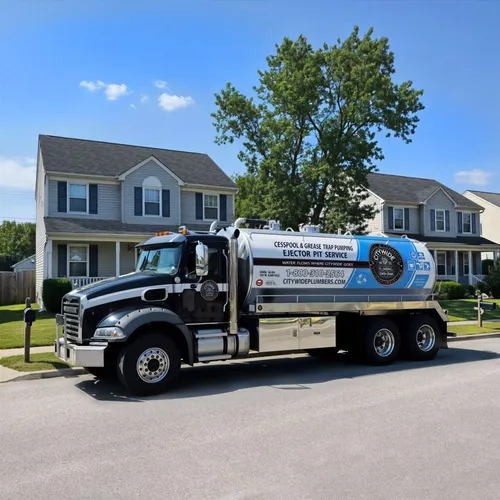
Citywide Grease Trap Maintenance | Cesspool Pumping Service Long Island
110 Voice Rd, Carle Place, NY 11514
Citywide Grease Trap Maintenance | Cesspool Pumping Service Long Island provides septic and cesspool pumping, inspection, repair, and installation services in New York, NY. Serving both residential and commercial clients, they offer comprehensive maintenance and cleaning to prevent system failures. Their skilled technicians use advanced equipment for installations and repairs, including grease trap pumping and sewage ejector pit services. With over 65 years of experience, Citywide operates 24/7 to address emergency needs promptly.
Water Resource Technologies
2 Kanouse Rd, Newfoundland, NJ 07435
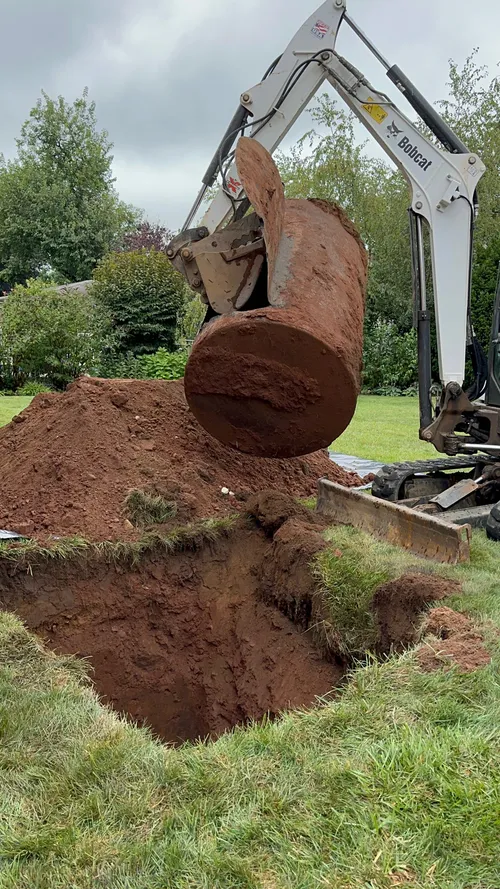
Water Resource Technologies is a full-service environmental remediation and consulting company based near New York, NY. They specialize in septic system repair and installation, as well as residential heating oil tank services and environmental site remediation. Their expertise includes environmental drilling and borings, supporting a range of environmental and septic system needs.
North Shore Cesspool & Drain Corp
231 Lawrence Ln, Glen Cove, NY 11542
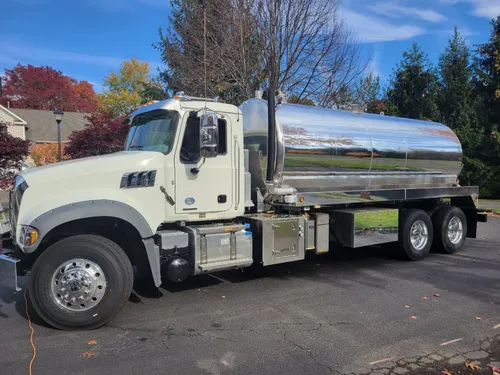
North Shore Cesspool & Drain Corp provides cesspool and septic system services in New York, NY. They offer pumping, cleaning, inspections, repairs, and installations for residential and commercial properties. Their capabilities include hydro jetting and sewer line camera inspections. The company serves Long Island and is available 24/7 for emergency flooding response and backups.
Understanding New Jersey's Septic Repair Regulations
In Hackensack and throughout New Jersey, all septic system work is governed by the New Jersey Department of Environmental Protection (NJDEP) under N.J.A.C. 7:9A standards. These rules are enforced locally, meaning any significant septic repair or tank replacement requires approval from the Bergen County Health Department or your local municipal health authority. The goal is to protect groundwater and public health, so compliance isn't optional.
A critical distinction is between maintenance and repair. Routine pumping every 3-5 years typically doesn't need a permit. However, any repair involving excavation, component replacement (like a tank or distribution box), or modifications to the drain field does require a permit 1 2. The permit process involves submitting a site plan, often designed or approved by a licensed professional engineer (PE), especially for system upgrades or failures 3 4. Attempting unpermitted work can result in fines up to $10,000 and may force you to undo the work 5.
Common Signs You Need Septic Repairs
Recognizing early warning signs can prevent a minor issue from becoming a catastrophic system failure. If you notice any of the following, it's time to call a licensed inspector:
- Sewage Odors: Foul smells in your yard or home are a primary indicator of a problem.
- Slow Drains & Backups: Gurgling toilets and slow-draining sinks throughout the house, not just one fixture.
- Soggy Lawn or Surfacing Effluent: Wet, spongy ground or standing sewage over the drain field, even in dry weather.
- Unusually Lush Vegetation: Patches of grass that are greener and grow faster than the rest of your lawn, indicating nutrient-rich wastewater.
- Failed Inspection: A pre-sale or routine inspection that identifies structural damage, baffle failures, or a saturated drain field.
The Septic Inspection & Diagnosis Process
Before any repair can be planned, a thorough inspection is required to diagnose the exact problem. In New Jersey, a proper inspection is a detailed, multi-step process that typically takes 2-4 hours.
- Record Review & System Location: The inspector will first consult local health department records to understand your system's original design and then physically locate the tank, distribution box (d-box), and drain field.
- Visual Site Assessment: They check the area for surface issues like odors, soggy soil, or unusually lush vegetation 6.
- Tank Pumping & Internal Inspection: A licensed pumper empties the tank. This allows for a close examination of the tank's structural integrity (checking for cracks, corrosion) and critical components like the inlet and outlet baffles.
- Hydraulic (Load) Testing: Water is run into the system to simulate use and assess the drain field's ability to absorb and treat liquid effluent. Dye tests may also be used 7.
- Detailed Report: The inspector provides a written report outlining the system's condition, the cause of failure, and the necessary repairs to bring it into compliance with state code 8 9.
The cost for this comprehensive inspection in the Hackensack area generally ranges from $400 to $800.
Types of Septic System Repairs
The repair needed depends entirely on the inspection findings. Here are the most common fixes for systems in Northern New Jersey:
- Baffle Repair/Replacement: The baffles inside the tank prevent solids from flowing into the drain field. If broken, they must be replaced, which is a relatively common repair.
- Pipe Repairs: Fixing clogged or broken pipes connecting the house to the tank or the tank to the drain field.
- Distribution Box (D-Box) Replacement: The d-box evenly distributes liquid effluent to the drain field lines. If damaged or uneven, it needs replacement.
- Tank Replacement: This is a major repair required for cracked, collapsed, or severely corroded tanks. It involves excavation, removal of the old tank, and installation of a new, modern tank that meets current codes.
- Drain Field Repair or Replacement: The most extensive and costly repair. Partial repair might involve replacing a few clogged lines. A full drain field replacement is needed if the soil is completely saturated and can no longer absorb liquid 10.
- Installation of Access Risers: Adding risers from the tank lids to the surface is a smart upgrade that allows for much easier future pumping and inspection, especially for deep tanks 11.
Find the perfect septic system repair companies for your needs
Get personalized recommendations and expert advice
Cost of Septic Repairs in Hackensack
Repair costs vary widely based on the repair's scope and complexity. It's crucial to get detailed, written estimates from licensed contractors. Below is a general cost framework for the Hackensack area:
- Basic Repairs (Baffles, Pipes, D-Box): $500 - $2,000
- Septic Tank Replacement: $10,000 - $15,000
- Complete System Replacement (New Tank & Drain Field): $35,000 - $60,000+ 12 13
- Permit Fees: $200 - $1,500, depending on the project's complexity and local jurisdiction 14 15.
Remember, these are estimates. The final cost depends on soil conditions, system size, accessibility, and whether engineering plans are required.
Navigating Permits, Setbacks, and "Grandfathering"
The regulatory aspect is a critical part of any septic fix. Key considerations include:
- Setback Requirements: All repairs and new components must comply with NJDEP setback rules, including distances from wells (50-100 feet), property lines (10 feet), and water bodies (100 feet) 16. Your contractor should handle this.
- The "Grandfather" Clause: An older system that is functioning may be "grandfathered" under older rules. However, once a significant repair is needed, the entire system often must be upgraded to meet current NJDEP standards. Don't assume your existing non-compliant system can simply be patched.
- Pre-Sale Inspections: While not a state law, many municipalities in Bergen County require a passing septic inspection certificate before a home sale can be finalized. This makes maintaining your system essential for preserving your property's value.
Choosing a Qualified Repair Contractor
Selecting the right professional is the most important step. In New Jersey, you must use a licensed septic contractor. For major repairs like a new drain field, a Professional Engineer (PE) is often required to design the system. When evaluating contractors:
- Verify their NJDEP license and ask for proof of insurance.
- Check reviews and ask for local references in Hackensack or Bergen County.
- Ensure they will handle the entire permit process with the county health department.
- Get a detailed, written contract that outlines the scope of work, timeline, and total cost.
Frequently asked questions
Sources
Footnotes
-
Licensed Septic Service NJ - Requirements - The Sewer Kings - https://thesewerkings.com/blog/licensed-septic-service-professionals/ ↩
-
Environmental Health Division - https://www.wycokck.org/files/assets/public/v/1/health/documents/environmental-health/2025-permits/ugphd-septic-policies-procedures-updated-2024.pdf ↩
-
NJ Septic Regulations for 2026: Inspections, Permits & Rules - https://www.atsenvironmental.com/blog/nj-septic-regulations-for-2026/ ↩
-
NJDEP| Division of Water Quality | Permitting Information - https://dep.nj.gov/dwq/wastewater/septic-systems/permitting-information/ ↩
-
Division of Water Quality | Homeowner Information - NJDEP - https://dep.nj.gov/dwq/wastewater/septic-systems/homeowner-guidance/ ↩
-
How to Never Worry About Your NJ Septic System Again - https://www.youtube.com/watch?v=7xPdvCiGV5g ↩
-
Septic System Inspection: NJSMG - https://www.youtube.com/watch?v=5YsqNZi1bdY ↩
-
What to Expect During a Septic Inspection in New Jersey - https://www.luxeservicegroup.com/sellers/new-jersey-septics-and-inspections/ ↩
-
How Septic Inspections Are Performed in NJ | Sewer Kings - https://thesewerkings.com/blog/septic-system-inspections/ ↩
-
How Septic System Inspections Are Performed in New Jersey - https://thesewerkings.com/blog/septic-system-inspections/ ↩
-
How to Inspect a Private Septic System - https://www.youtube.com/watch?v=URhIPaX-csA&t=20 ↩
-
How Much Does It Cost To Replace A Septic System In Northern NJ? - https://dsepticservice.com/b/septic-system-replacement-cost-new-jersey/ ↩
-
How Much Does Failed Septic System Cost? - https://www.septicconnection.com/how-much-does-failed-septic-system-cost ↩
-
New Jersey Septic System Rules - 2026 Guide - https://thesewerkings.com/blog/new-jersey-septic-system-rules/ ↩
-
New Jersey Septic Tank Rules And Regulations - https://www.arrowsewernj.com/blog/septic-tanks-in-new-jersey-what-you-need-to-know/ ↩
-
Septic System Program | Middlesex County NJ - https://www.middlesexcountynj.gov/government/departments/department-of-public-safety-and-health/office-of-health-services/environmental-health/septic-system-program ↩