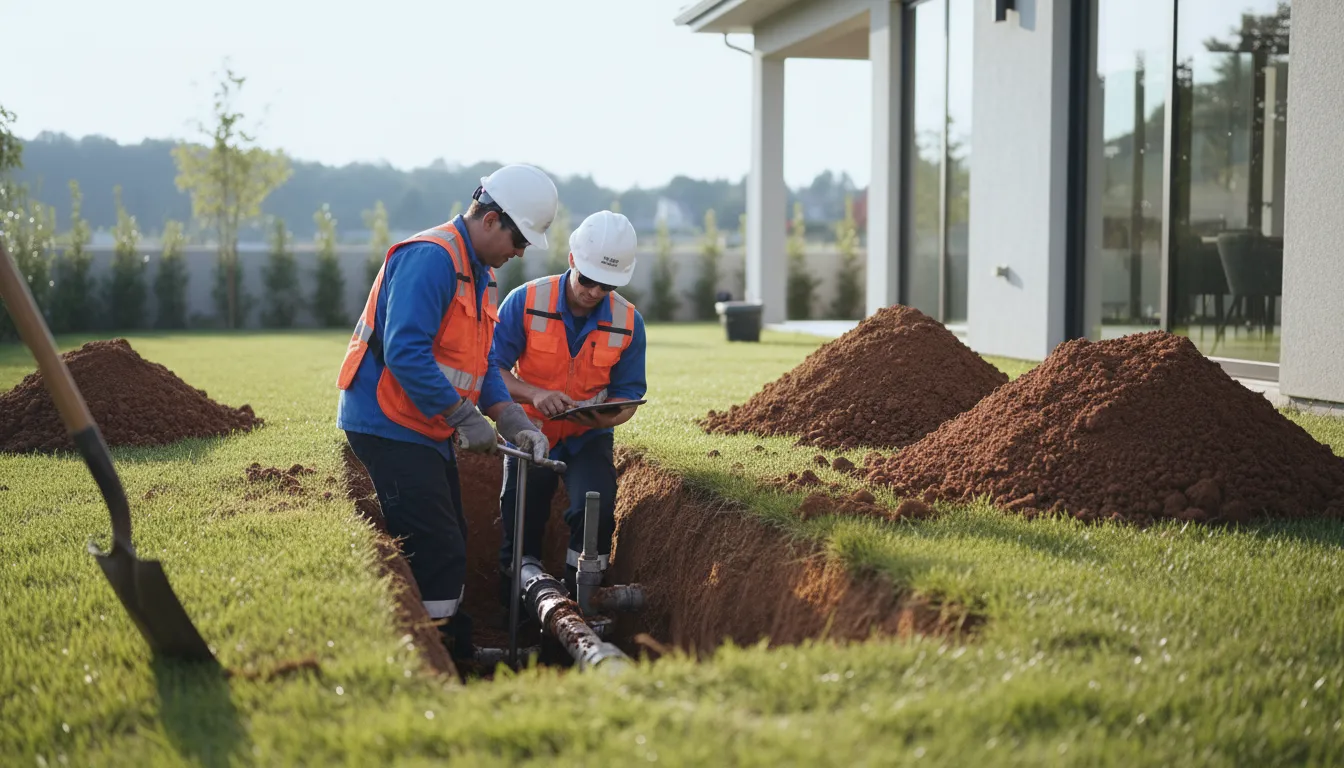
Find the Best Septic System Repair Companies for Your Business
No obligation • Fast responses • Nationwide coverage

Why you can trust Septic Spot
Septic Spot is a leading United States resource for understanding and comparing septic services. Our editors review providers using consistent criteria and verify key business details. Listings and scores are independent, and companies cannot pay to influence our content.
Search providers near you
Top Septic System Repair Companies in Hamilton, New Jersey Ranked
A failing septic system is more than an inconvenience; it's a serious health and environmental concern that requires immediate professional attention. Septic system repair involves diagnosing and fixing issues with your wastewater treatment system, from minor component replacements to major drainfield overhauls. In Hamilton, this work is strictly regulated to protect local groundwater and public health. This guide explains the local repair process, costs, and regulations to help you understand your options and connect with qualified local specialists.
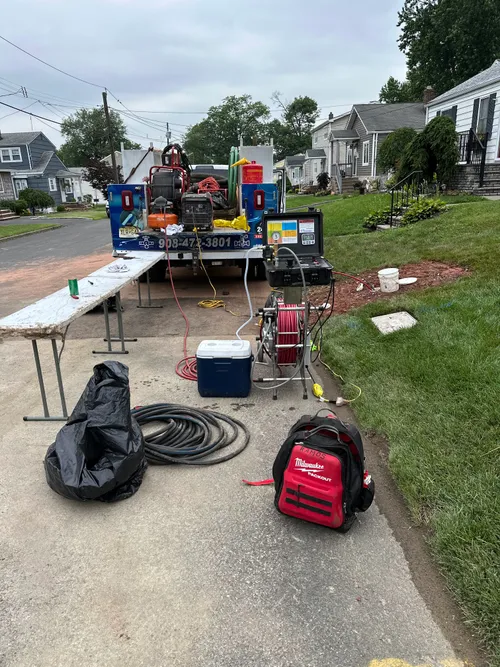
Arrow Sewer and Drain
165 Union Ave, Middlesex, NJ 08846
Arrow Sewer and Drain is a septic tank inspection and repair company serving New York, NY. They specialize in trenchless sewer repair methods that avoid excavation, preserving property while fixing cracked or corroded underground pipes. Their services include sewer inspections, pipe repairs, hydro-jetting, and emergency plumbing. The company offers 24/7 emergency plumbing service to address urgent sewer line problems quickly with professional camera inspections and effective solutions. Arrow Sewer and Drain serves a wide area including Middlesex and Somerset Counties in New Jersey, providing residential, commercial, and municipal sewer and plumbing projects.
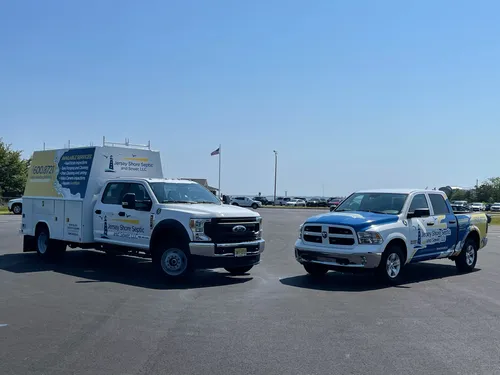
Jersey Shore Septic And Sewer LLC
Lakewood, NJ
Jersey Shore Septic And Sewer LLC is a family-owned and operated business serving Lakewood, NJ, and surrounding counties including Atlantic, Middlesex, Monmouth, and Ocean. With over a decade of experience, they provide residential and commercial septic services such as septic tank pumping, inspections, repairs, replacements, and new installations. Their team holds CDL-A licenses and is trained to perform specialized services like video camera inspections and high-pressure water jetting. The company also offers excavation and commercial snow removal services.
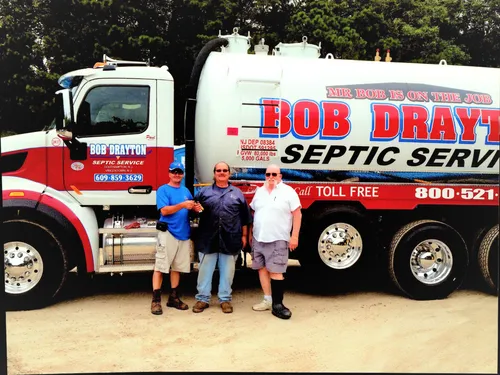
Bob Drayton Inc
151 Big Hill Rd, Southampton Township, NJ 08088
Bob Drayton Inc is a septic system repair and portable toilet rental company serving Philadelphia, PA, and nearby areas. Established in 1955, the company offers septic pump repair, power snaking, and jetting services along with roll-off container rentals for various projects and events. With over six decades of experience, Bob Drayton Inc provides 24-hour emergency septic services to meet urgent needs.
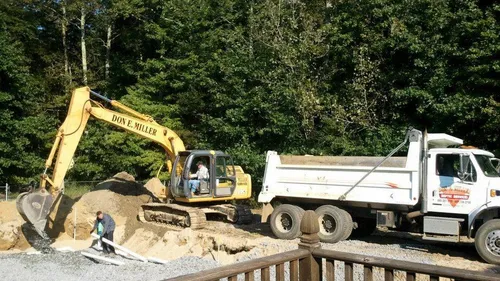
Don E Miller Septic Service Inc & Donny's Potty's
362 Meany Rd, North Hanover, NJ 08562
Don E Miller Septic Service Inc & Donny's Potty's is a family-owned septic service provider based near Philadelphia, PA. They offer a wide range of septic system services including pumping, inspections, repairs, and installations, as well as portable toilet rentals for residential, commercial, and municipal customers. The company has been serving the North Hanover Township area and surroundings since 1963, providing expertise in maintaining and installing various septic system components such as dosing pumps, grease traps, and effluent filters.
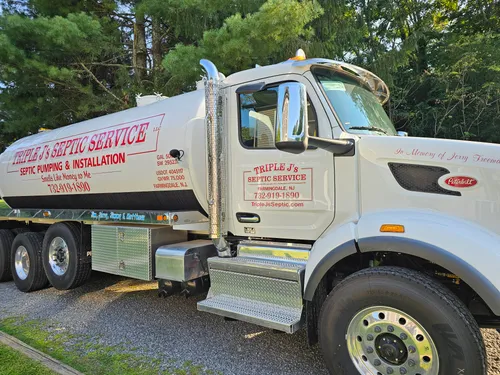
Triple J's Septic Services LLC
34 Asbury Ave, Farmingdale, NJ 07727
Triple J's Septic Services LLC is a family-owned business based in Lakewood, NJ, providing septic tank pumping, repairs, and installation services. Established in the late 1980s by Gerald Freeman, the company holds an A-901 State License, ensuring compliance with New Jersey regulations. They also offer grease trap pumping and manage complex projects involving engineering and additional contractors. With decades of experience, Triple J's supports customers through every step of septic system care and maintenance.
Understanding Your Septic System and Common Failures
Your home's onsite wastewater treatment system is a complex network of components working together. The septic tank separates solids from liquids, while the drainfield (or leach field) filters and disperses the treated effluent into the soil. A system failure occurs when this process is disrupted, often signaled by soggy ground over the drainfield, sewage backups in the home, or foul odors.
In Hamilton, common issues requiring septic repair include:
- Component Failure: Broken or deteriorated tank baffles, cracked pipes, or a malfunctioning distribution box can cause solids to clog the drainfield.
- Structural Damage: Cracks in the concrete tank, often from ground shifting or root intrusion, can lead to leaks and groundwater contamination.
- Drainfield Failure: This is the most serious and costly problem. It happens when the soil becomes clogged and can no longer absorb liquid, often due to lack of maintenance, hydraulic overloading, or natural aging.
The Hamilton, NJ Regulatory Landscape for Repairs
All septic system maintenance and corrective work in Hamilton Township must comply with New Jersey Department of Environmental Protection (NJDEP) and local Health Department regulations. You cannot simply hire a contractor to dig and fix; the process is permit-driven to ensure repairs meet current environmental standards.
Permits are mandatory for virtually any repair, alteration, or replacement of a system component. To get a permit, you typically need to submit approved engineering plans and, for significant work like a new drainfield, recent soil testing results 1. The local Health Department reviews these submissions, and a review fee (commonly around $50) is usually required 1.
A critical rule is the pre-cover inspection. After repairs are made but before the excavation is backfilled, a licensed inspector or health department official must inspect the work. This ensures everything is installed correctly according to code. You cannot cover the work until it passes this inspection. This is especially crucial during real estate transactions, where a failed system inspection often mandates repair or replacement before a new certificate of occupancy is issued.
The Professional Repair Process: From Diagnosis to Completion
A reputable septic service provider follows a structured process for system rehabilitation.
- Comprehensive Inspection & Diagnosis: The first step is a full evaluation. A licensed professional will locate all system components, pump the tank to examine its structure and baffles, and assess the drainfield's performance, often using a hydraulic load test 2 3 4. This diagnosis determines the exact cause and scope of the problem.
- Planning & Permitting: Based on the inspection, the repair company will outline the necessary fixes. For major work, they will handle or guide you through the permit application process, submitting the required plans and paperwork to the Hamilton Township Health Department 5.
- Executing the Repair: Once permitted, the physical work begins. This ranges from targeted fixes like replacing a baffle or installing tank risers for easier future access, to extensive excavations for pipe replacement or drainfield work.
- Final Inspection and Closure: After the repair is complete, the pre-cover inspection is scheduled. Once approved, the site can be backfilled. The service provider should provide you and the health department with documentation of the completed work 6.
Find the perfect septic system repair companies for your needs
Get personalized recommendations and expert advice
Types of Repairs and Associated Cost Ranges in Hamilton
Repair costs in Hamilton vary dramatically based on the problem's severity. It's important to get multiple detailed estimates from licensed contractors.
- Minor Repairs: Fixing or replacing tank baffles, repairing cleanout pipes, or sealing minor tank cracks typically start around $1,000 and can go up to several thousand dollars depending on access and labor.
- Major Repairs - Drainfield Rehabilitation: This is a significant expense. Repairing or replacing a failed leach field often involves new perforated pipes and clean gravel in a new area of your property. Costs for drainfield work alone typically range from $8,000 to $18,000.
- Complete System Replacement: When the tank and drainfield have both failed, a full new system is required. This is the most costly scenario, with prices in New Jersey generally ranging from $15,000 to $35,000 or more. The final cost depends on soil conditions, system size, and site accessibility 7 8.
- Additional Fees: Remember to factor in non-construction costs. Permit fees can range from $250 to $1,500. If a new site assessment or soil evaluation is needed, that can add another $3,000 to $7,000 to the project total 9 10.
Proactive Maintenance to Avoid Costly Repairs
The best "repair" is prevention. Adhering to a strict maintenance schedule is the most effective way to extend your system's life and avoid emergency failures.
The NJDEP recommends having your septic tank pumped and inspected by a licensed professional every three years 11. This routine service removes sludge and scum that can otherwise flow into and clog the drainfield. It also allows for early detection of small issues, like a worn baffle, before they cause major damage. Be mindful of what goes down your drains-avoid grease, harsh chemicals, and non-biodegradable items-and practice water conservation to reduce hydraulic load on the system 12.
It's also important to know that older systems installed before current codes are not "grandfathered in" upon failure. If a system from the 1970s fails today, any repair or replacement must bring the entire system up to modern NJDEP standards, which can significantly influence the project's scope and cost.
Choosing a Qualified Septic Repair Specialist in Hamilton
Given the regulatory and technical complexity, choosing the right contractor is essential. Look for a company licensed by the state of New Jersey for wastewater treatment system installation and repair. They should have extensive experience with the local Hamilton Township Health Department's specific processes and inspectors. Always ask for proof of insurance and references from recent, similar jobs in the area. A trustworthy provider will be transparent about the entire process, including permitting timelines, inspection requirements, and detailed cost breakdowns, not just the construction estimate.
Frequently asked questions
Sources
Footnotes
-
Frequently Asked Questions - CivicPlus.CMS.FAQ - https://www.hamiltonnj.com/faq.aspx?TID=147 ↩ ↩2
-
NJDEP| Division of Water Quality | Inspection Guidance - https://dep.nj.gov/dwq/wastewater/septic-systems/inspection-guidance/ ↩
-
How Septic System Inspections Are Performed in New Jersey - https://thesewerkings.com/blog/septic-system-inspections/ ↩
-
Understanding Septic Tank Inspections: What to Expect and Why They're Necessary - https://alvaradosepticpumping.com/2024/02/understanding-septic-tank-inspections-what-to-expect-and-why-theyre-necessary/ ↩
-
The Complete Guide to Septic System Installation and Permitting in ... - https://excavatingnj.com/blog/the-complete-guide-to-septic-system-installation-and-permitting-in-new-jersey/ ↩
-
New Jersey Septic System Rules - 2026 Guide - https://thesewerkings.com/blog/new-jersey-septic-system-rules/ ↩
-
The Real Cost of Septic Installation in New Jersey (2025) - https://www.atsenvironmental.com/blog/the-real-cost-of-septic-installation-in-new-jersey-2025/ ↩
-
Troubleshooting & Repairs - New Jersey Septic Management Group - https://nj-septic.com/repairs/ ↩
-
NJ Septic Regulations for 2026: Inspections, Permits & Rules - https://www.atsenvironmental.com/blog/nj-septic-regulations-for-2026/ ↩
-
Navigating Septic System Regulations: Expert Guidance for New Jersey Property Owners - https://www.mapengineering.net/navigating-septic-system-regulations/ ↩
-
a homeowner's manual for septic systems - RUcore - https://rucore.libraries.rutgers.edu/rutgers-lib/29112/PDF/1/play/ ↩
-
SEPTIC - NJ.gov - https://dep.nj.gov/wp-content/uploads/dwq/pdf/septicmn.pdf ↩