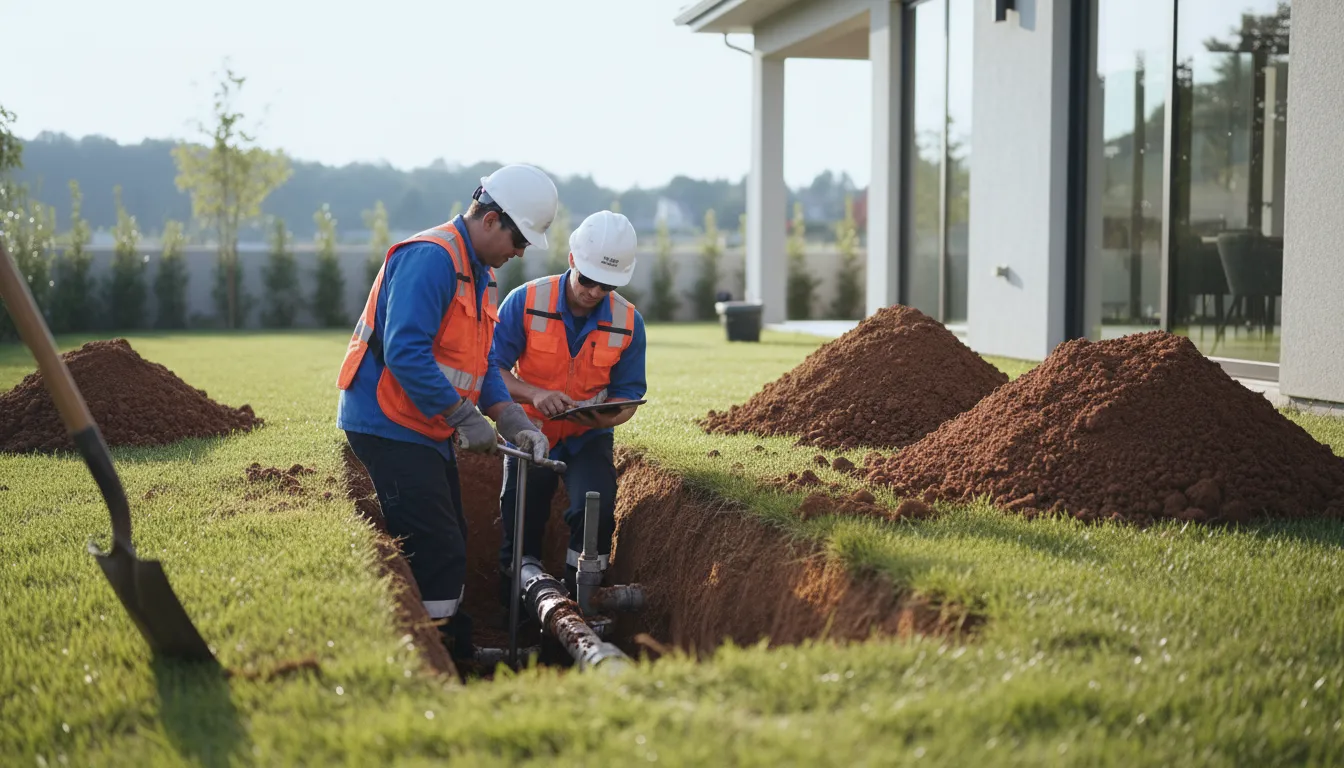
Find the Best Septic System Repair Companies for Your Business
No obligation • Fast responses • Nationwide coverage

Why you can trust Septic Spot
Septic Spot is a leading United States resource for understanding and comparing septic services. Our editors review providers using consistent criteria and verify key business details. Listings and scores are independent, and companies cannot pay to influence our content.
Search providers near you
Top Septic System Repair Companies in Jackson, New Jersey Ranked
When your septic system shows signs of trouble-like slow drains, soggy patches in the yard, or unpleasant odors-timely and proper repair is essential. In New Jersey, septic repairs are not simple fixes; they are governed by a complex set of state and local regulations designed to protect public health and the environment. This guide explains the critical aspects of septic repair in NJ, from permits and soil testing to common repair types and costs, helping you understand the process and connect with qualified local professionals.
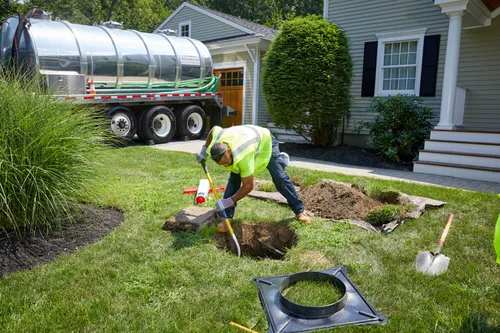
Wind River Environmental of Swedesboro, NJ
701 2nd St, Swedesboro, NJ 08085
Wind River Environmental of Swedesboro, NJ provides septic tank pumping, grease trap cleaning, and drain services to residential, commercial, and municipal clients in Philadelphia, PA. The company offers comprehensive septic system maintenance, including sewer jetting and repairs, with a focus on compliance with local regulations. Established in 1946, Wind River Environmental combines decades of industry experience with modern technology to deliver effective solutions. They also provide 24/7 emergency services to address urgent septic system needs.
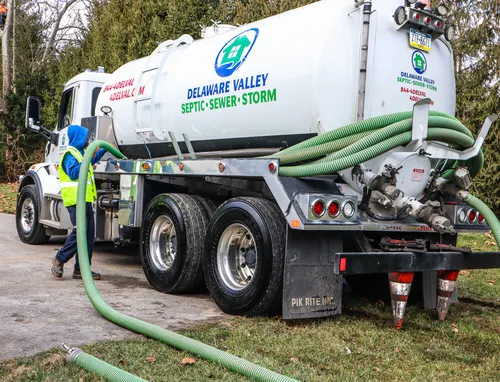
Delaware Valley Septic, Sewer & Storm
504 Eagle Rd STE B, Springfield, PA 19064
Delaware Valley Septic, Sewer & Storm is a family-run business serving Philadelphia, PA, and the surrounding Delaware Valley area. Since 1986, they have provided septic system installation, repair, and maintenance services, including sewer and storm water management. Their expertise covers a wide range of septic systems such as traditional in-ground, sand mound, at-grade, drip irrigation, micro-mound, and pressure dose systems. They serve Chester, Delaware, Montgomery, and Philadelphia counties, offering comprehensive solutions to maintain and improve septic and sewer system performance. The company emphasizes long-term partnerships with homeowners and provides reliable repairs and regular maintenance to extend system lifespan.
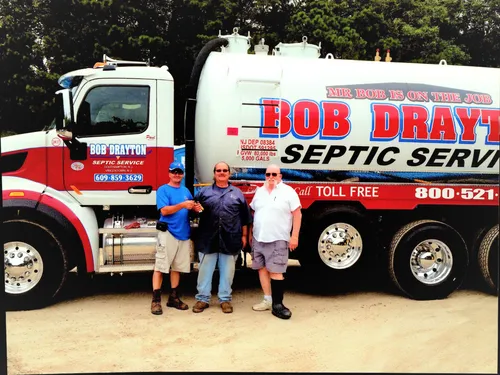
Bob Drayton Inc
151 Big Hill Rd, Southampton Township, NJ 08088
Bob Drayton Inc is a septic system repair and portable toilet rental company serving Philadelphia, PA, and nearby areas. Established in 1955, the company offers septic pump repair, power snaking, and jetting services along with roll-off container rentals for various projects and events. With over six decades of experience, Bob Drayton Inc provides 24-hour emergency septic services to meet urgent needs.
EcoFlow Septic
Philadelphia, PA
EcoFlow Septic is a veteran-owned company providing residential septic and sewer services in Philadelphia, PA. They offer septic tank pumping, inspections, and repairs with a focus on detailed, code-compliant work. The company emphasizes clear communication and practical solutions to help homeowners and realtors manage septic system maintenance and real estate inspections with confidence. EcoFlow Septic aims to protect homes, investments, and the environment through honest and professional service.
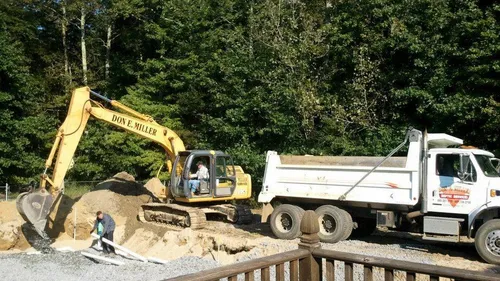
Don E Miller Septic Service Inc & Donny's Potty's
362 Meany Rd, North Hanover, NJ 08562
Don E Miller Septic Service Inc & Donny's Potty's is a family-owned septic service provider based near Philadelphia, PA. They offer a wide range of septic system services including pumping, inspections, repairs, and installations, as well as portable toilet rentals for residential, commercial, and municipal customers. The company has been serving the North Hanover Township area and surroundings since 1963, providing expertise in maintaining and installing various septic system components such as dosing pumps, grease traps, and effluent filters.
Understanding New Jersey's Septic Repair Regulations
All residential septic system repairs in New Jersey must comply with the New Jersey Department of Environmental Protection (NJDEP) Standards for Individual Subsurface Sewage Disposal Systems (N.J.A.C. 7:9A). These rules are stringent and non-negotiable, ensuring systems function properly without contaminating groundwater or surface water.
The first step for almost any repair beyond basic maintenance is obtaining a permit from your local health department. You cannot legally begin work without this permit. The health department will review your proposed repair to ensure it meets all state standards regarding system design, location, and construction. Attempting repairs without a permit can result in significant fines and may complicate the sale of your property later.
The Permit and Planning Process
Navigating the permit process requires working with licensed professionals. Here's a typical sequence:
- Initial Assessment: A licensed septic contractor or engineer inspects your system to diagnose the problem and determine the scope of necessary repairs.
- Site Evaluation & Soil Testing: For repairs affecting the drain field (also called a leach field or absorption area), a new soil permeability test (perc test) is almost always required 1. This test, conducted by a licensed evaluator, determines how quickly water absorbs into your soil. It typically costs between $500 and $1,500 and is crucial for designing a compliant system.
- Engineering Design: In many cases, especially for major repairs or replacements, a professional engineer must create a site-specific design. This is particularly true for properties with challenging conditions like high groundwater tables, poor soil, or limited space 2.
- Permit Submission: Your contractor or engineer will submit the repair plans, soil test results, and application to the local health department for review and approval.
- Inspection: Once permitted work is complete, a final inspection by the health department is mandatory to close the permit and certify the repair.
Key Factors Influencing Repairs in NJ
Several site-specific factors heavily influence repair options and costs in the Garden State:
- Soil Percolation: The results of your perc test dictate the size and type of drain field needed. Poorly draining soils require larger fields or alternative systems.
- Groundwater Table Depth: New Jersey has many areas with a seasonally high water table. State regulations require a specific vertical separation between the bottom of the drain field and the highest seasonal groundwater level. If this separation cannot be met with a conventional system, a more complex alternative system, such as a mound system or aerobic treatment unit (ATU), may be required 3 4.
- Setback Distances: NJ regulations enforce strict minimum distances between septic system components and other features. These setbacks apply to property lines, wells, buildings, streams, and wetlands. Your repair plan must respect all existing setbacks, which can limit where new components can be placed 5 6.
Find the perfect septic system repair companies for your needs
Get personalized recommendations and expert advice
Common Types of Septic Repairs and Associated Costs
Repair needs can range from minor fixes to complete system overhauls. Costs in New Jersey vary widely based on system size, site accessibility, soil conditions, and local permit fees.
Minor Repairs and Diagnostics
- Camera Inspection: Using a specialized camera to locate blockages or damage in pipes between the house and tank or in the drain field lines. Cost: $300-$500.
- Root Intrusion Removal: Cutting and removing tree roots that have invaded and clogged pipes. Cost: $500-$1,500.
- Pipe Repair/Replacement: Fixing or replacing a broken section of inlet or outlet pipe. Cost: $1,500-$4,500.
Major Component Repairs
- Drain Field Repair: This can involve replacing clogged or crushed distribution pipes, adding new lines to an existing field, or installing a completely new replacement field (often called a "repair field"). Cost: $3,000-$10,000+ 7.
- Tank Replacement: If the concrete or fiberglass tank is cracked or failing, it must be replaced. If it can be replaced in the exact same location, costs are lower. Cost: $10,000-$15,000.
- Full System Replacement: When both the tank and drain field have failed, a completely new system is necessary. This includes all new components, extensive site work, engineering, and permits. This is the most significant repair. Cost: $35,000-$60,000+8 9 10.
Disclaimer: The costs provided are estimates based on New Jersey market data. Your actual cost will depend on your specific site conditions and contractor. Always get multiple detailed quotes from licensed professionals.
Choosing the Right Septic Professional
Given the regulatory complexity, choosing the right contractor is critical. Look for a company that is:
- Licensed by the State of New Jersey for septic installation and repair.
- Insured with both liability and worker's compensation coverage.
- Knowledgeable about Local Codes: Familiar with the specific requirements of your county and municipal health department.
- Transparent: Willing to provide detailed written estimates, explain the permit process, and pull all required permits on your behalf.
- Experienced with Alternative Systems: If your site requires a non-conventional system, ensure they have specific experience installing and maintaining that technology.
Proper maintenance is the best way to avoid costly repairs. Have your tank pumped regularly (every 2-3 years for an average household) and be mindful of what goes down your drains. However, when problems arise, understanding New Jersey's repair landscape empowers you to make informed decisions and protect your property investment.
Frequently asked questions
Sources
Footnotes
-
Septic System Requirements Based on Home Size & Layout - https://speidelseptic.com/septic-system-requirements-home-size-layout-nj/ ↩
-
Navigating Septic System Regulations: Expert Guidance for ... - https://www.mapengineering.net/navigating-septic-system-regulations/ ↩
-
The Complete Guide to Septic System Installation and ... - https://excavatingnj.com/blog/the-complete-guide-to-septic-system-installation-and-permitting-in-new-jersey/ ↩
-
Alternative Septic Tanks in NJ - https://www.mershonconcrete.com/alternative-septic-tanks ↩
-
New Jersey Septic Tank Rules and Regulations - Arrow Sewer & Drain - https://www.arrowsewernj.com/blog/septic-tanks-in-new-jersey-what-you-need-to-know/ ↩
-
Stay Compliant: Avoid Fines with Septic System Regulations - https://smartsepticpros.com/blog/septic-system-regulations/ ↩
-
Septic System Repair in New Jersey - ATS Environmental - https://www.atsenvironmental.com/residential/septic-system-repair/ ↩
-
NJ Septic Regulations for 2026: Inspections, Permits & Rules - https://www.atsenvironmental.com/blog/nj-septic-regulations-for-2026/ ↩
-
How Much Does It Cost To Replace A Septic System In Northern NJ? - https://dsepticservice.com/b/septic-system-replacement-cost-new-jersey/ ↩
-
How Much Does It Cost to Replace a Septic System? - https://alphaenvironmental.net/blog/how-much-cost-replace-septic-system/ ↩