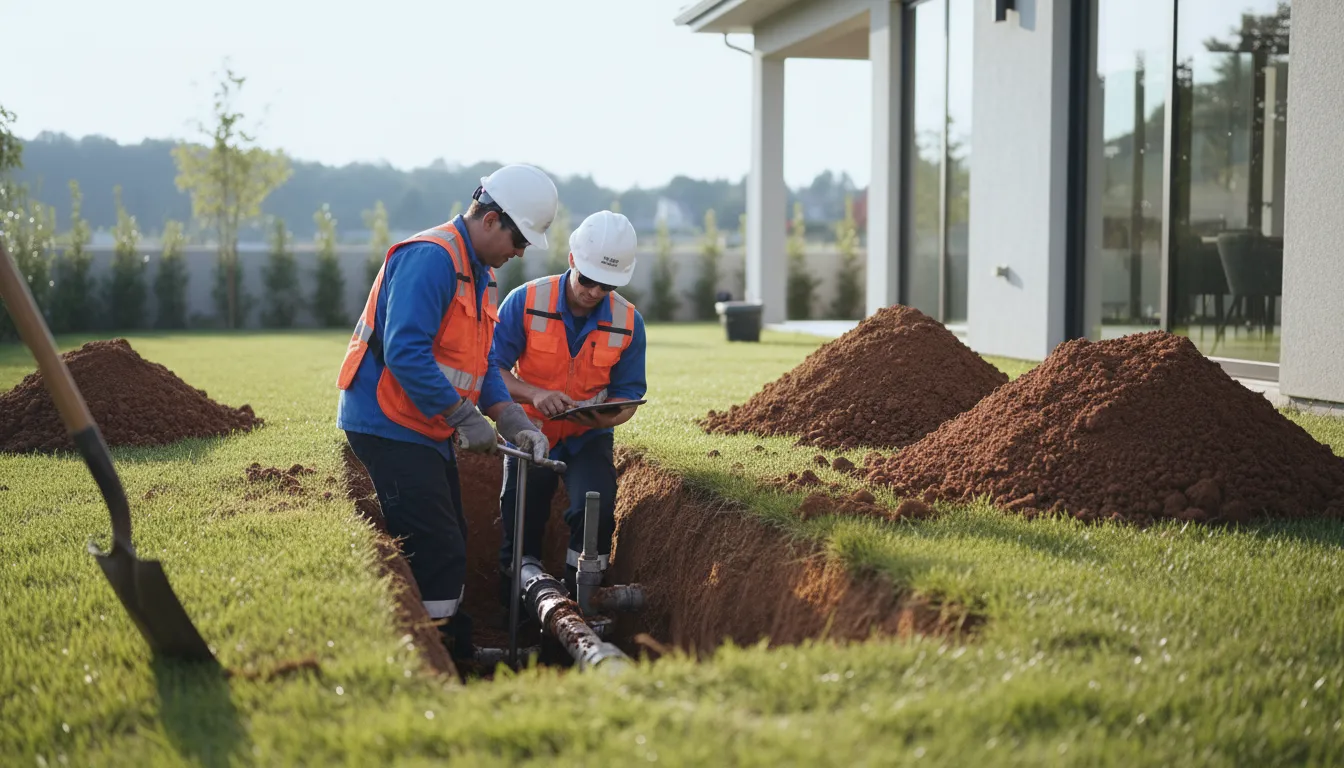
Find the Best Septic System Repair Companies for Your Business
No obligation • Fast responses • Nationwide coverage

Why you can trust Septic Spot
Septic Spot is a leading United States resource for understanding and comparing septic services. Our editors review providers using consistent criteria and verify key business details. Listings and scores are independent, and companies cannot pay to influence our content.
Search providers near you
Top Septic System Repair Companies in Mount Laurel, New Jersey Ranked
When your home's wastewater treatment system fails, it's more than an inconvenience-it's a critical issue that requires immediate and expert attention. Septic system repair in Mount Laurel involves diagnosing and fixing problems with your tank, drain field, or related components to restore proper function and protect your property and local groundwater. Given New Jersey's strict environmental regulations, navigating repairs requires understanding local permit requirements, working with licensed professionals, and following a structured process. This guide will help you understand the common issues, necessary steps, and key considerations for addressing septic system failures in the Mount Laurel area.
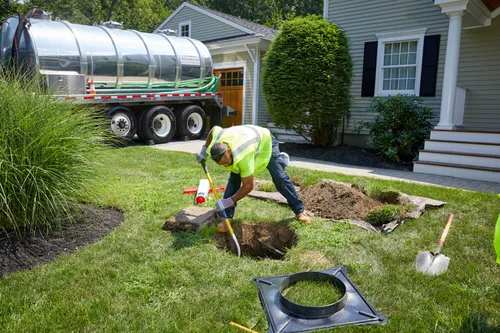
Wind River Environmental of Swedesboro, NJ
701 2nd St, Swedesboro, NJ 08085
Wind River Environmental of Swedesboro, NJ provides septic tank pumping, grease trap cleaning, and drain services to residential, commercial, and municipal clients in Philadelphia, PA. The company offers comprehensive septic system maintenance, including sewer jetting and repairs, with a focus on compliance with local regulations. Established in 1946, Wind River Environmental combines decades of industry experience with modern technology to deliver effective solutions. They also provide 24/7 emergency services to address urgent septic system needs.
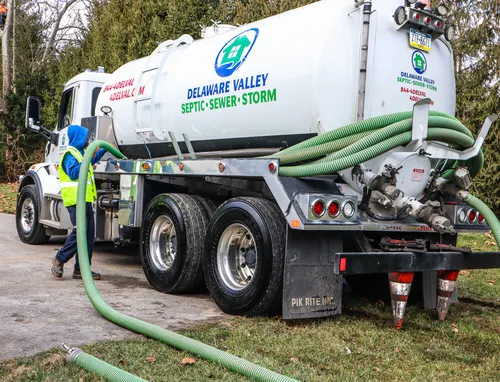
Delaware Valley Septic, Sewer & Storm
504 Eagle Rd STE B, Springfield, PA 19064
Delaware Valley Septic, Sewer & Storm is a family-run business serving Philadelphia, PA, and the surrounding Delaware Valley area. Since 1986, they have provided septic system installation, repair, and maintenance services, including sewer and storm water management. Their expertise covers a wide range of septic systems such as traditional in-ground, sand mound, at-grade, drip irrigation, micro-mound, and pressure dose systems. They serve Chester, Delaware, Montgomery, and Philadelphia counties, offering comprehensive solutions to maintain and improve septic and sewer system performance. The company emphasizes long-term partnerships with homeowners and provides reliable repairs and regular maintenance to extend system lifespan.
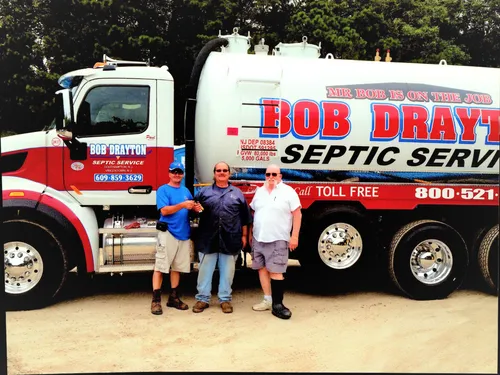
Bob Drayton Inc
151 Big Hill Rd, Southampton Township, NJ 08088
Bob Drayton Inc is a septic system repair and portable toilet rental company serving Philadelphia, PA, and nearby areas. Established in 1955, the company offers septic pump repair, power snaking, and jetting services along with roll-off container rentals for various projects and events. With over six decades of experience, Bob Drayton Inc provides 24-hour emergency septic services to meet urgent needs.
EcoFlow Septic
Philadelphia, PA
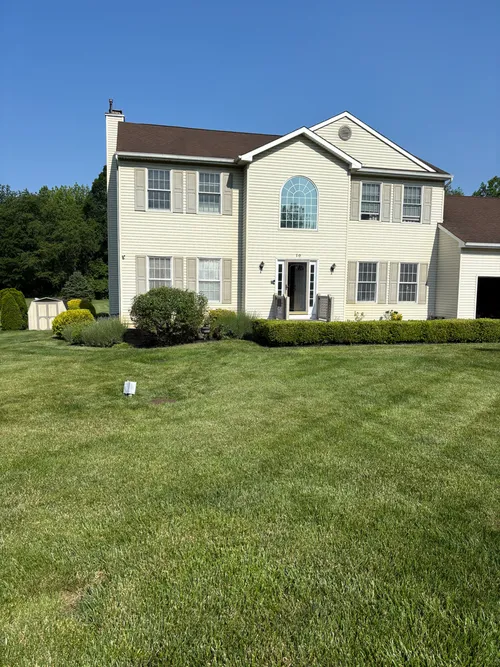
EcoFlow Septic is a veteran-owned company providing residential septic and sewer services in Philadelphia, PA. They offer septic tank pumping, inspections, and repairs with a focus on detailed, code-compliant work. The company emphasizes clear communication and practical solutions to help homeowners and realtors manage septic system maintenance and real estate inspections with confidence. EcoFlow Septic aims to protect homes, investments, and the environment through honest and professional service.
Don E Miller Septic Service Inc & Donny's Potty's
362 Meany Rd, North Hanover, NJ 08562
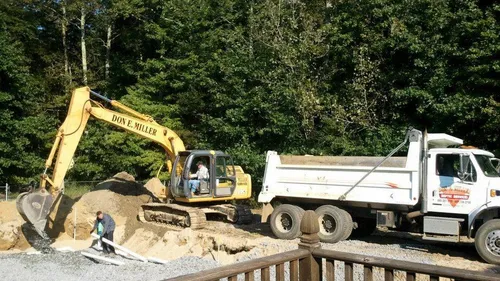
Don E Miller Septic Service Inc & Donny's Potty's is a family-owned septic service provider based near Philadelphia, PA. They offer a wide range of septic system services including pumping, inspections, repairs, and installations, as well as portable toilet rentals for residential, commercial, and municipal customers. The company has been serving the North Hanover Township area and surroundings since 1963, providing expertise in maintaining and installing various septic system components such as dosing pumps, grease traps, and effluent filters.
Understanding Your Septic System and Common Failures
A residential septic system is a self-contained wastewater treatment plant. It consists of a watertight tank where solids settle and begin to decompose, and a drain field (or leach field) where the clarified liquid effluent is dispersed into the soil for final treatment. In Mount Laurel, these systems are common in neighborhoods not connected to municipal sewer lines. Recognizing the signs of trouble early can prevent minor issues from escalating into costly, full-scale replacements.
Common indicators that your onsite wastewater system needs repair include:
- Slow-draining sinks, tubs, or toilets.
- Gurgling sounds in your plumbing.
- Sewage odors in your yard or home.
- Unusually lush, green grass or standing water over the drain field area.
- Backups of sewage into household drains.
Several specific components are frequent culprits for failure. Leach field clogging or failure is a major issue, often caused by a buildup of solids, hydraulic overloading, or soil compaction. Broken tank baffles-the partitions inside the tank that control the flow of wastewater-can allow solids to escape into the drain field, causing rapid clogging. For systems with pumps (like mound systems), pump failure can halt the entire process. Finally, cracked tank lids or damaged risers can pose safety hazards and allow surface water to enter the tank, overwhelming the system.
The Mount Laurel and Burlington County Regulatory Landscape
One of the most critical aspects of septic system maintenance and remediation in New Jersey is compliance with state and county regulations. Nearly all significant repair work in Mount Laurel requires approval from the Burlington County Health Department. The New Jersey Department of Environmental Protection (NJDEP) sets stringent standards to protect groundwater, and local health departments enforce these rules through a permitting process 1.
You will likely need a permit for any repair that affects the system's capacity, involves tank replacement, or modifies the drain field. The process typically starts with a professional inspection to diagnose the problem. If the repair is substantial, New Jersey law often requires the involvement of a licensed professional engineer. The engineer will create design plans and may need to conduct soil evaluations (like perc tests) before the permit application can be submitted to the health department. Skipping these steps can result in fines, failed inspections, and work that doesn't meet code.
Types of Septic Repairs and Associated Costs
The scope and cost of fixing your wastewater system depend entirely on the nature and location of the failure. Here's a breakdown of common repair scenarios for Mount Laurel homeowners.
Minor Component Repairs
These are fixes that address specific, isolated parts of the system without a major overhaul.
- Replacing Broken Baffles: Repairing or replacing the inlet or outlet baffles inside the tank typically costs between $800 and $1,500.
- Repairing or Replacing Distribution Boxes (D-Boxes): This component evenly distributes effluent to the drain field lines. Repair or replacement can range from $1,200 to $3,000.
- Replacing Lids or Risers: Upgrading cracked concrete lids or installing safe, accessible risers for easier maintenance usually costs $300 to $800.
Major Component Replacement
This involves more complex mechanical or electrical parts.
- Replacing Pumps and Electrical Switches: For systems that rely on a pump to move effluent to the drain field, replacing the pump, float switches, and control panels can cost between $800 and $2,500.
Drain Field Rehabilitation or Replacement
This is the most extensive and expensive type of repair, necessary when the soil absorption area has failed.
- Drain Field Repair: Sometimes, a clogged section can be repaired or a new line can be added. However, if the entire field has failed, a full replacement is required. Costs for this major project are significant and are often rolled into the price of a full system replacement 2.
Find the perfect septic system repair companies for your needs
Get personalized recommendations and expert advice
The Step-by-Step Repair Process
Successfully navigating a septic system fix involves a clear sequence of events, especially under New Jersey's regulatory framework.
-
Preparation and Professional Inspection: Start by locating your tank and clearing access to it. Gather any past inspection or pumping records. Then, hire a licensed professional to conduct a thorough inspection, which usually costs $300 to $500. This inspection will involve pumping the tank to check for cracks or leaks and examining all components, including the drain field 3.
-
Diagnosis and Engineering Design: The inspector will provide a report detailing the problem. For repairs beyond simple component swaps-especially those involving the drain field or tank structure-you will need to hire a licensed engineer. They will perform necessary soil tests and create engineered design plans required for the permit application 4.
-
Permitting: With the engineer's plans in hand, you or your contractor will submit a permit application to the Burlington County Health Department. Permit fees can range from $250 to $1,500, depending on the project's scope. Do not begin work until the permit is approved.
-
Repair Installation: A qualified septic contractor will perform the permitted repair work. All work must adhere to the approved plans and NJDEP standards.
-
Final Inspection and Reporting: Once work is complete, the local health department will conduct a final inspection to ensure compliance. The results are officially reported, closing out the permit.
Repair vs. Full System Replacement: Making the Decision
A crucial determination is whether to repair the existing system or invest in a complete replacement. Repairs are viable when the tank is structurally sound and the drain field has limited, fixable issues. However, replacement becomes necessary if the tank is cracked or collapsed, the drain field has completely failed due to age or soil saturation, or the system is chronically undersized for the home's use.
The cost difference is substantial. While repairs can range from $800 to over $3,000 for components, a full system replacement in New Jersey, including engineering, permitting, and installation, can cost between $35,000 and $60,000. An honest assessment from your inspector and engineer is essential for making this financially significant decision.
Planning for Costs: A Financial Overview
Understanding the potential expenses helps in planning. Here's a summary of typical costs associated with septic system remediation in Mount Laurel:
- Professional Inspection: $300 - $500 5
- Permit Fees: $250 - $1,500
- Engineering & Soil Testing: $2,500 - $3,500 6 7
- Component Repairs (e.g., baffle, pump, D-box): $800 - $3,000+ 8 9
- Full System Replacement: $35,000 - $60,000 10
Frequently asked questions
Sources
Footnotes
-
NJDEP| Division of Water Quality | Permitting Information - https://dep.nj.gov/dwq/wastewater/septic-systems/permitting-information/ ↩
-
New Jersey Septic System Rules - 2026 Guide - https://thesewerkings.com/blog/new-jersey-septic-system-rules/ ↩
-
A Guide for Homeowner's Septic Systems - http://englishsewage.net/wp-content/uploads/2016/12/511129_-English-HomeownersGuide_2017_final.pdf ↩
-
Copy of Inspections - New Jersey Septic Management Group - https://nj-septic.com/inspections-copy/ ↩
-
How Septic System Inspections Are Performed in New Jersey - https://thesewerkings.com/blog/septic-system-inspections/ ↩
-
The Real Cost of Septic Installation in New Jersey (2025) - https://www.atsenvironmental.com/blog/the-real-cost-of-septic-installation-in-new-jersey-2025/ ↩
-
Navigating Septic System Regulations: Expert Guidance for New Jersey Property Owners - https://www.mapengineering.net/navigating-septic-system-regulations/ ↩
-
Septic Repair vs Replacement in NJ: Costs & Signs - https://www.atsenvironmental.com/blog/septic-repair-vs-replacement/ ↩
-
Selling a Home With a Septic System in South Jersey: What Buyers ... - https://www.scottkompa.com/blog/selling-home-septic-system-south-jersey/ ↩
-
How Much Does It Cost To Replace A Septic System In Northern NJ? - https://dsepticservice.com/b/septic-system-replacement-cost-new-jersey/ ↩