Find the Best Septic System Repair Companies for Your Business
No obligation • Fast responses • Nationwide coverage

Why you can trust Septic Spot
Septic Spot is a leading United States resource for understanding and comparing septic services. Our editors review providers using consistent criteria and verify key business details. Listings and scores are independent, and companies cannot pay to influence our content.
Search providers near you
Top Septic System Repair Companies in New Brunswick, New Jersey Ranked
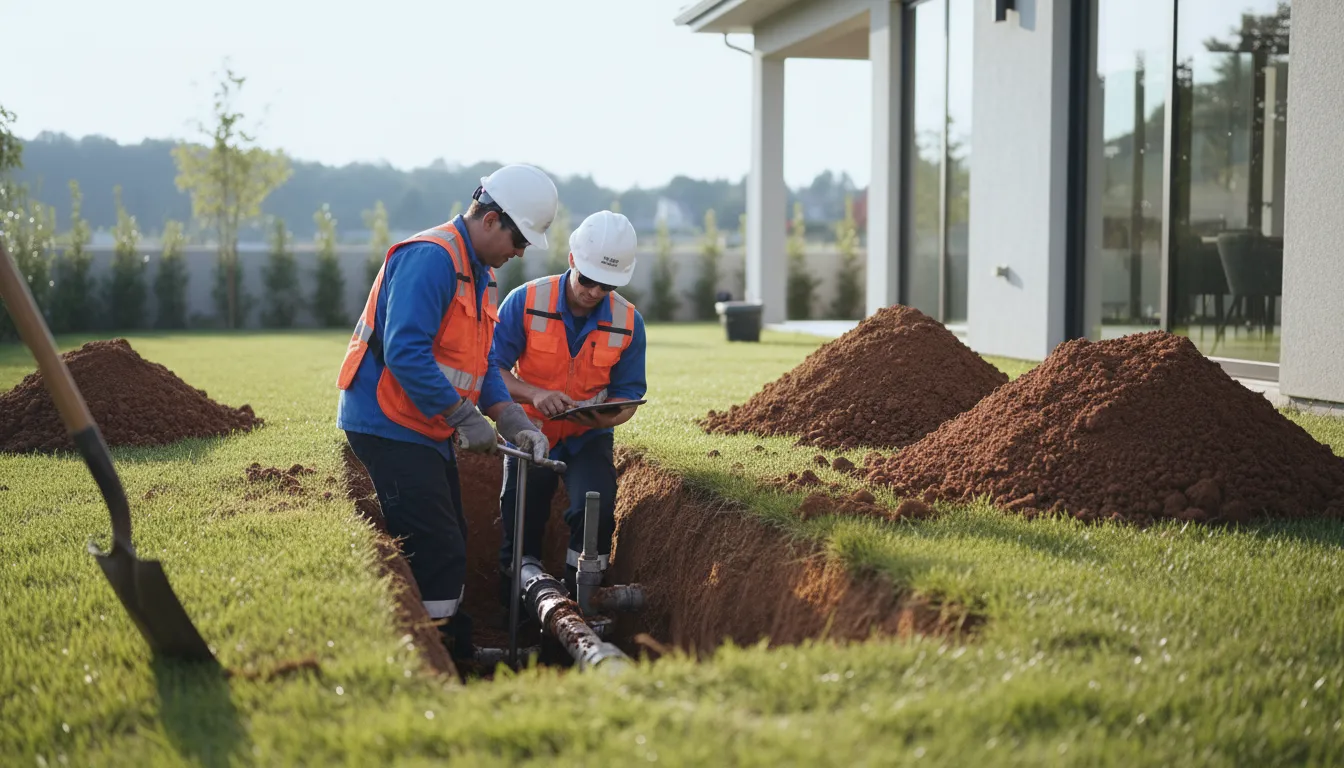
A failing septic system is more than an inconvenience; it's a serious environmental and public health concern that requires immediate, professional attention. Septic system repair involves diagnosing and fixing issues with your tank, drain field, or related components to restore proper wastewater treatment on your property. In a densely populated area like New Brunswick, proper system function is critical to protect local groundwater and comply with strict state and county regulations. This guide will help you understand the common repair needs, the regulatory process, and what to expect when seeking service for your onsite wastewater treatment system.
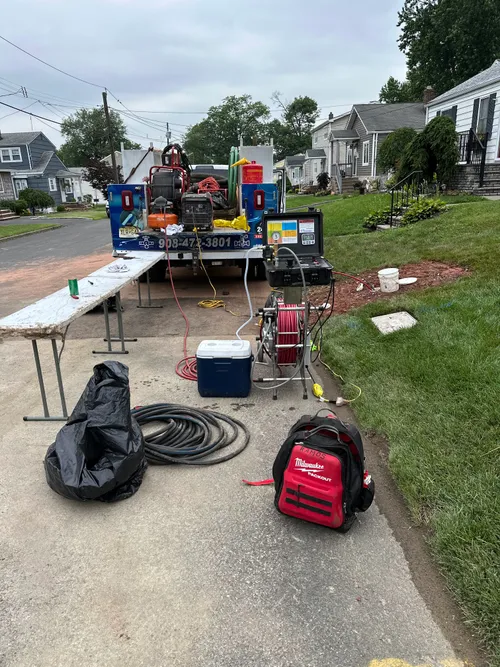
Arrow Sewer and Drain
165 Union Ave, Middlesex, NJ 08846
Arrow Sewer and Drain is a septic tank inspection and repair company serving New York, NY. They specialize in trenchless sewer repair methods that avoid excavation, preserving property while fixing cracked or corroded underground pipes. Their services include sewer inspections, pipe repairs, hydro-jetting, and emergency plumbing. The company offers 24/7 emergency plumbing service to address urgent sewer line problems quickly with professional camera inspections and effective solutions. Arrow Sewer and Drain serves a wide area including Middlesex and Somerset Counties in New Jersey, providing residential, commercial, and municipal sewer and plumbing projects.
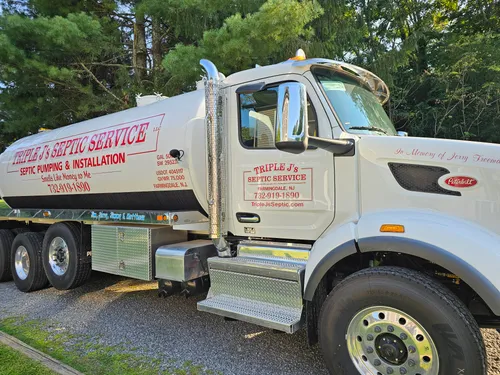
Triple J's Septic Services LLC
34 Asbury Ave, Farmingdale, NJ 07727
Triple J's Septic Services LLC is a family-owned business based in Lakewood, NJ, providing septic tank pumping, repairs, and installation services. Established in the late 1980s by Gerald Freeman, the company holds an A-901 State License, ensuring compliance with New Jersey regulations. They also offer grease trap pumping and manage complex projects involving engineering and additional contractors. With decades of experience, Triple J's supports customers through every step of septic system care and maintenance.
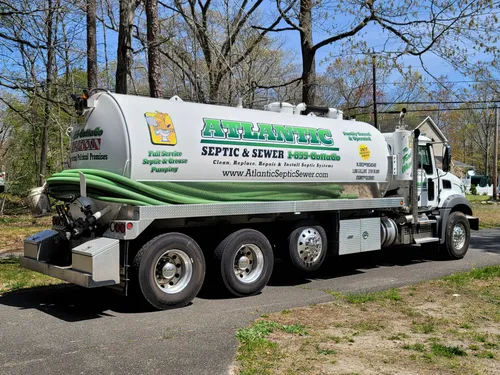
Atlantic Sitton Services, Inc.
647 Herman Rd, Jackson Township, NJ 08527
Atlantic Sitton Services, Inc. provides septic system installation, repair, inspection, and pumping services in Lakewood, NJ. They serve residential, commercial, and government clients across New Jersey, offering additional services such as grease trap cleaning, grease tank pumping, and used cooking oil collection for recycling. Their certified technicians handle septic system jetting, sludge and liquid waste removal, and new construction excavation. With over 30 years of experience, Atlantic Sitton Services emphasizes environmentally conscientious practices and offers emergency services 24/7 to support system functionality and environmental health.
A Norton Septic Contracting
3171 US-9, Old Bridge, NJ 08857
A Norton Septic Contracting is a full-service septic company based in New York, NY, offering septic tank pumping, inspections, repairs, and installations. They serve residential and commercial clients and specialize in alternative septic systems like Hoot and Infiltrator. With over 30 years of experience, they provide NJDEP-compliant inspections and have developed effective repair methods for systems that fail prematurely. The company emphasizes proper maintenance and offers consultations to troubleshoot septic issues. They provide personalized service and handle each project from start to finish.
B.J. Sewer & Septic
39 Pitney Ln, Jackson Township, NJ 08527
B.J. Sewer & Septic is a septic tank inspection and repair company serving Lakewood, NJ. They provide detailed system evaluations using advanced diagnostic tools to identify leaks, blockages, and structural issues in septic tanks and connected plumbing. Their services include thorough inspections of all critical components, such as tanks, piping, and drain fields, helping homeowners detect problems early and maintain system efficiency. The company also offers eco-friendly septic solutions that focus on sustainability by reducing water usage and minimizing environmental impact. These practices support long-term system health and responsible maintenance.
Understanding Septic System Failures and Repair Needs
A septic system is a complex, buried network that treats household wastewater. When one part fails, it can compromise the entire operation. Common signs you may need septic system servicing or remediation include:
- Sewage backups in household drains or toilets.
- Slow draining sinks, showers, and tubs.
- Gurgling sounds coming from your plumbing.
- Unpleasant odors around the yard or home.
- Persistently wet, soggy, or spongy soil over the drain field area.
- Unusually lush, green grass growing over the leach field.
Ignoring these signs can lead to a Notice of Violation from local health authorities and potential contamination of soil and water. In New Brunswick, all repair work falls under the oversight of the Middlesex County Environmental Health Division (MCEHD), which enforces New Jersey's stringent standards (NJAC 7:9A).
Common Types of Septic System Repairs
Not all system problems require a full replacement. Professional contractors can address a range of specific issues.
Tank Replacement or Repair
The septic tank is the primary holding and separation chamber. Repair or replacement becomes necessary if the tank is physically damaged (cracked, collapsed), has failing baffles, or is found to be undersized for the household's current use. Modern regulations often require a minimum 1,000-gallon capacity for a single-family home. Replacing a damaged tank typically involves excavating the old one, disposing of it properly, and installing a new, compliant tank. This process always requires a permit from the MCEHD.
Drain Field (Leach Field) Restoration
The drain field is where treated effluent is dispersed into the soil for final purification. It's often the most expensive component to fix. Problems arise from soil clogging (biomat buildup), hydraulic overloading, or physical damage. Repairs can range from jetting to clean clogged pipes to a partial or complete drain field replacement, which involves excavating new trenches in a suitable area of the yard 1. This is a major project that requires extensive soil evaluation and engineering design.
Component Replacement and Upgrades
Sometimes, the issue is isolated to a specific part:
- Distribution Box (D-Box): This box splits effluent evenly to each drain field line. If it becomes clogged or damaged, it can cause uneven distribution and field failure.
- Effluent Pump: For systems where gravity flow isn't possible, a pump is used. Pump failure will halt the entire system.
- Pipes and Lines: Broken or crushed pipes between the house and tank or the tank and field need to be dug up and replaced.
- Risers and Lids: Installing modern, secure risers brings the tank access to ground level, making future inspection, pumping, and troubleshooting much easier and safer.
The Inspection and Diagnosis Process
Before any repair plan is developed, a thorough inspection is essential to accurately diagnose the problem. A proper evaluation for a septic system fix includes several key steps 2 3 4:
- System Location: The technician will first locate all components-tank, distribution box, and drain field-using probes, records, or electronic locating equipment.
- Tank Inspection and Pumping: The tank is opened, and the scum and sludge layers are measured. Often, the tank is pumped to allow for an interior inspection of the walls, baffles, and outlet tee for structural integrity.
- Visual Site Evaluation: The yard, especially the drain field area, is examined for surfacing effluent, soggy soil, or unusual vegetation.
- Functional Testing: This may involve a dye test, where non-staining dye is flushed into the system to check if it surfaces in the drain field, indicating a failure in treatment or absorption.
- Soil and Percolation Testing: For major repairs or replacements, a licensed professional engineer or soil scientist may need to conduct percolation tests and deep hole observations to determine the soil's absorption suitability and design a new system.
Find the perfect septic system repair companies for your needs
Get personalized recommendations and expert advice
Navigating Permits and Regulations in Middlesex County
In New Jersey, septic system work is highly regulated to protect public health and the environment. For New Brunswick homeowners, the Middlesex County Environmental Health Division (MCEHD) is your primary point of contact for permits and approvals.
- When is a Permit Required? A permit is required for virtually any repair beyond simple component replacement like-for-like. Any change to the tank size, location, or drain field design requires a permit. The MCEHD must review and approve the application before work begins 5.
- The Permit Process: Your chosen contractor or a licensed engineer will typically handle the permit application. It involves submitting a detailed repair plan, including site and soil evaluations, engineering designs, and system specifications that comply with NJAC 7:9A standards. The review process by the county can take 4 to 8 weeks 6.
- Inspections: County inspectors will conduct inspections at critical stages of the repair, such as before the tank is buried or the drain field is backfilled, to ensure the work matches the approved plans.
Understanding Repair Costs and Timelines
The cost for septic system remediation varies widely based on the problem's scope, soil conditions, and system size.
- Diagnostics: A pre-repair inspection can cost $400 to $800. If advanced engineering and soil testing are needed, that can add $2,000 to $4,000.
- Permit Fees: Fees paid to the county for permit review and inspections typically range from $200 to $1,500.
- Repair Work:
- Replacing a septic tank may cost between $10,000 and $15,000 7.
The entire project, from initial inspection to final county sign-off, is a significant undertaking. Once a permit is secured, construction might take a few weeks, but you should plan for a total project timeline of 12 to 20 weeks to account for planning, approvals, weather, and construction.
Maintaining Your System Post-Repair
After investing in a major septic system fix, proper maintenance is key to protecting that investment and avoiding future problems. Adhere to a regular pumping schedule (every 2-5 years, as recommended), conserve water to avoid overloading the system, and avoid flushing harmful chemicals or non-biodegradable materials. The New Jersey Department of Environmental Protection (NJDEP) provides excellent homeowner guidance for ongoing care 10.
Frequently asked questions
Sources
Footnotes
-
Septic Tank Regulations Homeowners Compliance Guide | Blog - https://www.blueribbonseptic.com/blog/septic-tank-regulations-homeowners-compliance ↩
-
SEPTIC - NJ.gov - https://dep.nj.gov/wp-content/uploads/dwq/pdf/septicmn.pdf ↩
-
Technical Guidance for Inspections of Onsite Wastewater Treatment ... - https://dep.nj.gov/wp-content/uploads/dwq/inspection_guidance.pdf ↩
-
How Septic System Inspections Are Performed in New Jersey - https://thesewerkings.com/blog/septic-system-inspections/ ↩
-
New Jersey Septic System Rules - 2026 Guide - https://thesewerkings.com/blog/new-jersey-septic-system-rules/ ↩
-
Septic System Program | Middlesex County NJ - https://www.middlesexcountynj.gov/government/departments/department-of-public-safety-and-health/office-of-health-services/environmental-health/septic-system-program ↩
-
New Jersey Septic Tank Rules And Regulations - https://www.arrowsewernj.com/blog/septic-tanks-in-new-jersey-what-you-need-to-know/ ↩
-
NJ Septic Regulations for 2026: Inspections, Permits & Rules - https://www.atsenvironmental.com/blog/nj-septic-regulations-for-2026/ ↩
-
How Much Does It Cost To Replace A Septic System In Northern NJ? - https://dsepticservice.com/b/septic-system-replacement-cost-new-jersey/ ↩
-
Division of Water Quality | Homeowner Information - NJDEP - https://dep.nj.gov/dwq/wastewater/septic-systems/homeowner-guidance/ ↩