Find the Best Septic System Repair Companies for Your Business
No obligation • Fast responses • Nationwide coverage

Why you can trust Septic Spot
Septic Spot is a leading United States resource for understanding and comparing septic services. Our editors review providers using consistent criteria and verify key business details. Listings and scores are independent, and companies cannot pay to influence our content.
Search providers near you
Top Septic System Repair Companies in North Brunswick, New Jersey Ranked
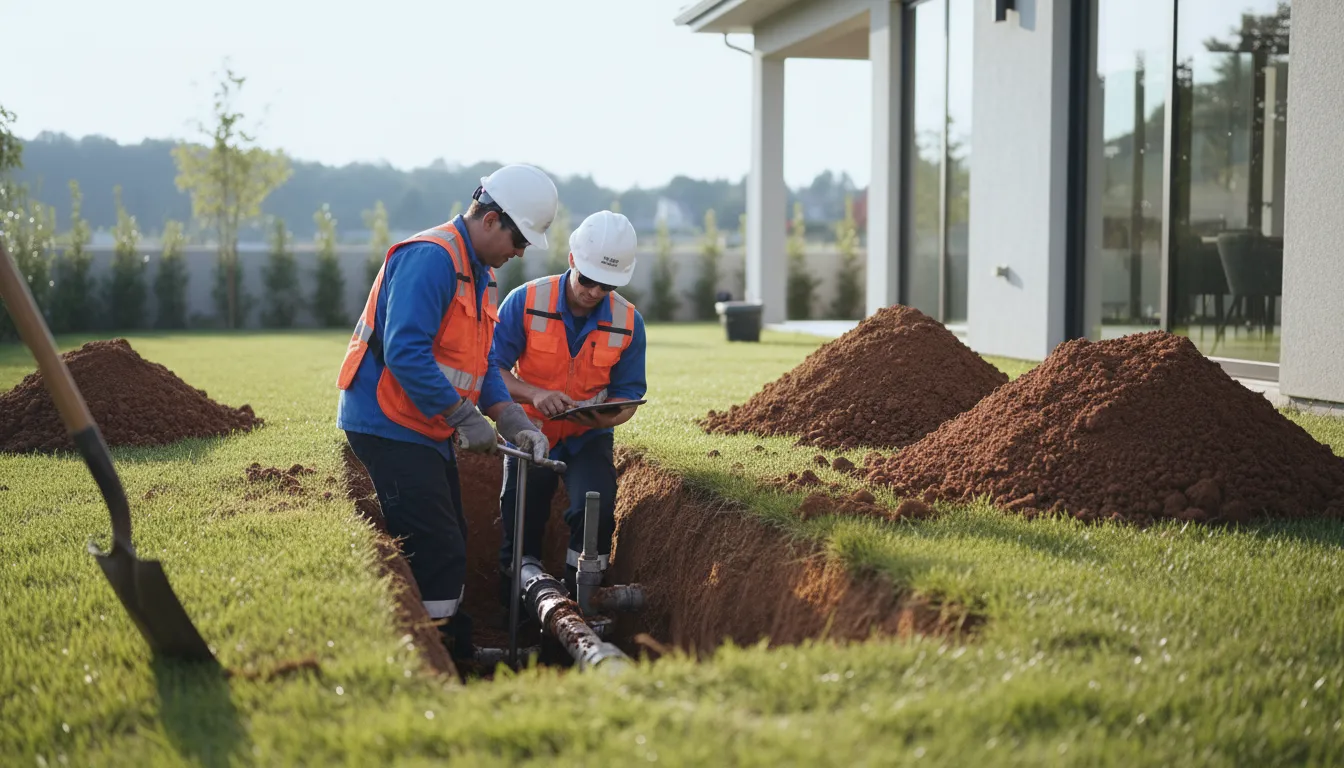
A failing septic system is more than an inconvenience; it's a serious environmental and public health concern that requires immediate, professional attention. Septic system repair involves diagnosing and fixing issues with your tank, pipes, drain field, or related components to restore proper wastewater treatment on your property. In North Brunswick, these repairs are strictly regulated by local health authorities to protect groundwater and community health. This guide will help you understand the repair process, local requirements, and how to find qualified professionals to address your system's needs.
Arrow Sewer and Drain
165 Union Ave, Middlesex, NJ 08846
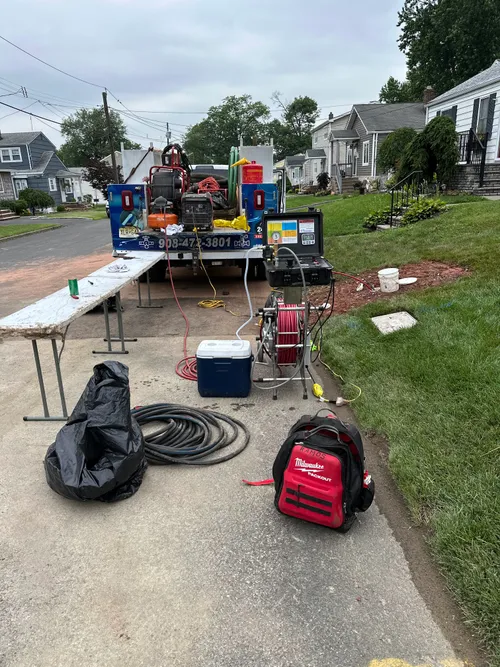
Arrow Sewer and Drain is a septic tank inspection and repair company serving New York, NY. They specialize in trenchless sewer repair methods that avoid excavation, preserving property while fixing cracked or corroded underground pipes. Their services include sewer inspections, pipe repairs, hydro-jetting, and emergency plumbing. The company offers 24/7 emergency plumbing service to address urgent sewer line problems quickly with professional camera inspections and effective solutions. Arrow Sewer and Drain serves a wide area including Middlesex and Somerset Counties in New Jersey, providing residential, commercial, and municipal sewer and plumbing projects.
Don E Miller Septic Service Inc & Donny's Potty's
362 Meany Rd, North Hanover, NJ 08562
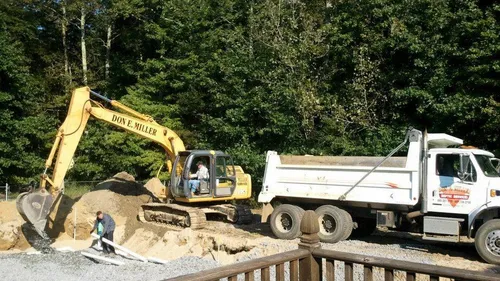
Don E Miller Septic Service Inc & Donny's Potty's is a family-owned septic service provider based near Philadelphia, PA. They offer a wide range of septic system services including pumping, inspections, repairs, and installations, as well as portable toilet rentals for residential, commercial, and municipal customers. The company has been serving the North Hanover Township area and surroundings since 1963, providing expertise in maintaining and installing various septic system components such as dosing pumps, grease traps, and effluent filters.
Triple J's Septic Services LLC
34 Asbury Ave, Farmingdale, NJ 07727
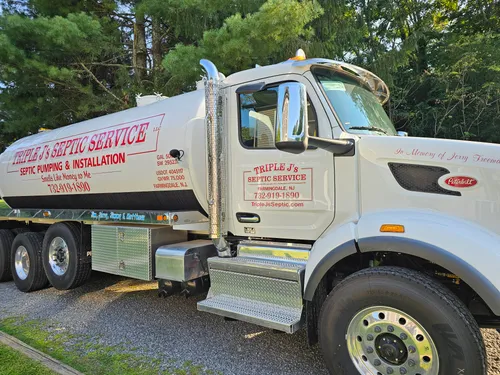
Triple J's Septic Services LLC is a family-owned business based in Lakewood, NJ, providing septic tank pumping, repairs, and installation services. Established in the late 1980s by Gerald Freeman, the company holds an A-901 State License, ensuring compliance with New Jersey regulations. They also offer grease trap pumping and manage complex projects involving engineering and additional contractors. With decades of experience, Triple J's supports customers through every step of septic system care and maintenance.
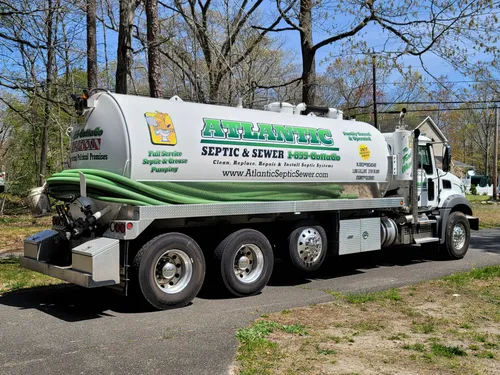
Atlantic Sitton Services, Inc.
647 Herman Rd, Jackson Township, NJ 08527
Atlantic Sitton Services, Inc. provides septic system installation, repair, inspection, and pumping services in Lakewood, NJ. They serve residential, commercial, and government clients across New Jersey, offering additional services such as grease trap cleaning, grease tank pumping, and used cooking oil collection for recycling. Their certified technicians handle septic system jetting, sludge and liquid waste removal, and new construction excavation. With over 30 years of experience, Atlantic Sitton Services emphasizes environmentally conscientious practices and offers emergency services 24/7 to support system functionality and environmental health.
A Norton Septic Contracting
3171 US-9, Old Bridge, NJ 08857
A Norton Septic Contracting is a full-service septic company based in New York, NY, offering septic tank pumping, inspections, repairs, and installations. They serve residential and commercial clients and specialize in alternative septic systems like Hoot and Infiltrator. With over 30 years of experience, they provide NJDEP-compliant inspections and have developed effective repair methods for systems that fail prematurely. The company emphasizes proper maintenance and offers consultations to troubleshoot septic issues. They provide personalized service and handle each project from start to finish.
Understanding Septic System Repairs
When we talk about septic system repair, we're referring to a wide range of corrective actions, from simple component replacements to major overhauls of the entire wastewater treatment system. A typical residential septic system is a complex, buried network that treats household waste through biological decomposition and soil filtration. Repairs become necessary when any part of this network fails, which can lead to backups, foul odors, or contaminated groundwater. In North Brunswick's varied soil conditions, which can include areas with high water tables or heavy clay, the specific approach to fixing a system must be tailored to the site.
The goal of any septic fix is to return the system to full compliance with New Jersey's stringent environmental standards, known as NJAC 7:9A. This isn't just about functionality; it's about ensuring your property's wastewater is processed safely without posing a risk to your family, neighbors, or the local environment. Understanding the scope of common repairs is the first step in addressing problems effectively.
Local Regulations and Required Permits
In North Brunswick Township, all work on a septic system falls under the jurisdiction of the Middlesex County Environmental Health Division (MCEHD). This agency is the final approval authority for any repair, alteration, or replacement.
Permitting is Mandatory: Before any shovel hits the ground, a homeowner or their contractor must obtain a permit from the MCEHD for the proposed repair. This is not a mere formality. The permit process ensures that the planned work meets all state and county health codes. Skipping this step can result in significant fines and may even complicate the sale of your property later.
Engineering Plans: For substantial repairs or a full system replacement, the county will require detailed engineering plans to be submitted and approved before a permit is issued. These plans must account for specific setbacks from wells, property lines, and structures, as dictated by New Jersey law 1. Given North Brunswick's proximity to the Raritan River and its tributaries, the county is particularly vigilant about systems that could impact water quality.
Common Types of Septic Repairs
Septic issues rarely fix themselves. Here are the most frequent types of corrective work performed by septic service professionals in the area, ranging from minor to major interventions.
Minor Component Repairs
These are often the most common and least invasive fixes.
- Baffle or Tee Replacement: The inlet and outlet baffles (or tees) inside the tank are crucial for preventing scum and solids from escaping into the drain field. When these break, they must be replaced. This typically involves pumping the tank and installing new components, with costs generally ranging from $800 to $1,500.
- Pipe Repair/Replacement: The pipes connecting your home to the tank or the tank to the distribution box can become clogged with roots or physically damaged. Excavating and replacing a section of pipe is a standard repair.
- Pump or Alarm Repair: If your system includes a pump (common in mound systems or homes with a basement), electrical failures or pump burnouts can occur. Repairing or replacing a pump and its associated alarm system is a specialized task.
Major System Repairs
These involve more significant excavation and a higher degree of technical skill.
- Distribution Box Repair: The D-box evenly distributes liquid effluent to the drain field lines. If it becomes clogged, cracked, or uneven, it can cause a complete system failure and requires excavation and replacement.
- Drain Field Remediation: When a drain field becomes clogged (a condition known as "biomat" buildup), the effluent can't percolate into the soil. Solutions can include high-pressure jetting to clear the lines or installing advanced remediation systems. In severe cases, adding new drain field lines or constructing a replacement "repair field" may be necessary.
Full System Replacement
When the tank is structurally compromised (cracked or collapsed) or the drain field has completely failed beyond repair, a full system replacement is the only option. This is a major construction project involving extensive excavation, the installation of a new tank and drain field, and full compliance with modern codes. In New Jersey, challenging site conditions often require engineered solutions like sand mound systems, which can add significantly to the project cost.
Find the perfect septic system repair companies for your needs
Get personalized recommendations and expert advice
The Diagnostic Process: From Symptoms to Solution
How do professionals determine what kind of septic fix you need? A proper diagnosis follows a systematic inspection process, which is often required by the county for permitting purposes.
- File Review: A reputable contractor will first check with the Middlesex County Health Department to review the "as-built" design records for your system, if available. This provides a blueprint of what was originally installed 2.
- Locating & Opening: The technician will locate and excavate to access the tank's manhole covers and, if possible, the distribution box.
- Pumping & Visual Inspection: The tank is pumped out to allow for a thorough internal inspection. The professional looks for cracks, leaks, corrosion, and the condition of the baffles 3. The sludge and scum levels measured during pumping also indicate how well the system has been maintained.
- Drain Field Assessment: The inspector will check the drain field area for telltale signs of failure, such as soggy ground, surfacing sewage, or unusually lush grass. They may also use a probe to check for standing liquid in the field 4.
This comprehensive inspection provides the evidence needed to pinpoint the problem and recommend a specific, effective repair strategy.
Cost Considerations for Repairs in North Brunswick
The cost of septic system work varies dramatically based on the problem's severity and your property's specific conditions. Here's a general breakdown based on regional data:
- Minor Repairs (Baffles, Pipes): $500-$1,500.
- Major Repairs (Pump, D-Box): $1,500-$5,000 5.
- Drain Field Restoration/Repair Field: $5,000-$15,000+.
- Full System Replacement: $15,000-$35,000 or more 6 7. If your property requires an engineered sand mound system due to poor soil percolation or a high water table-common challenges in parts of New Jersey-this can add $8,000 to $12,000 to the total cost 7.
It's crucial to get detailed, written estimates from multiple licensed contractors. The estimate should clearly separate labor, materials, permit fees, and any costs for soil testing or engineering plans.
Maintaining Your System Post-Repair
A successful repair is an investment. Protecting that investment requires consistent, proper maintenance.
- Regular Pumping: The single most important maintenance task is having your tank pumped every 3 to 5 years by a licensed hauler 8 9. This prevents solids from overflowing into and clogging the drain field, which is a primary cause of system failure.
- Protect the Drain Field: Never drive or park heavy vehicles, build structures, or plant trees over your drain field. The weight can crush pipes, and roots can invade and clog them.
- Water Conservation & Mindful Use: Spread out laundry loads, fix leaking faucets, and avoid pouring grease, chemicals, or non-biodegradable items down the drain. These practices reduce the load on your system.
- Keep Detailed Records: Maintain a file with all inspection reports, pumping receipts, repair invoices, and permit documentation. This record is invaluable for troubleshooting future issues and is essential during a property transfer 10.
Frequently asked questions
Sources
Footnotes
-
New Jersey Septic System Rules - 2026 Guide - https://thesewerkings.com/blog/new-jersey-septic-system-rules/ ↩
-
Inspections - New Jersey Septic Management Group - https://nj-septic.com/inspections/ ↩
-
How Septic Inspections Are Performed in NJ | Sewer Kings - https://thesewerkings.com/blog/septic-system-inspections/ ↩
-
How Septic System Inspections Are Performed in New Jersey - https://thesewerkings.com/blog/septic-system-inspections/ ↩
-
Septic System Repair in New Jersey | NJ Septic Repair - https://www.atsenvironmental.com/residential/septic-system-repair/ ↩
-
Septic Repair vs Replacement in NJ: Costs & Signs - https://www.atsenvironmental.com/blog/septic-repair-vs-replacement/ ↩
-
The Real Cost of Septic Installation in New Jersey (2025) - https://www.atsenvironmental.com/blog/the-real-cost-of-septic-installation-in-new-jersey-2025/ ↩ ↩2
-
SEPTIC - NJ.gov - https://dep.nj.gov/wp-content/uploads/dwq/pdf/septicmn.pdf ↩
-
Appendix B A Homeowner's Guide to Septic Systems B-1 - http://files.water.rutgers.edu/Water%20Resources%20Program/Projects/Highlands%20WRPPs/FINAL-DRAFT-SOUTH-BRANCH/APPENDIX-B.pdf ↩
-
Septic System Program | Middlesex County NJ - https://www.middlesexcountynj.gov/government/departments/department-of-public-safety-and-health/office-of-health-services/environmental-health/septic-system-program ↩