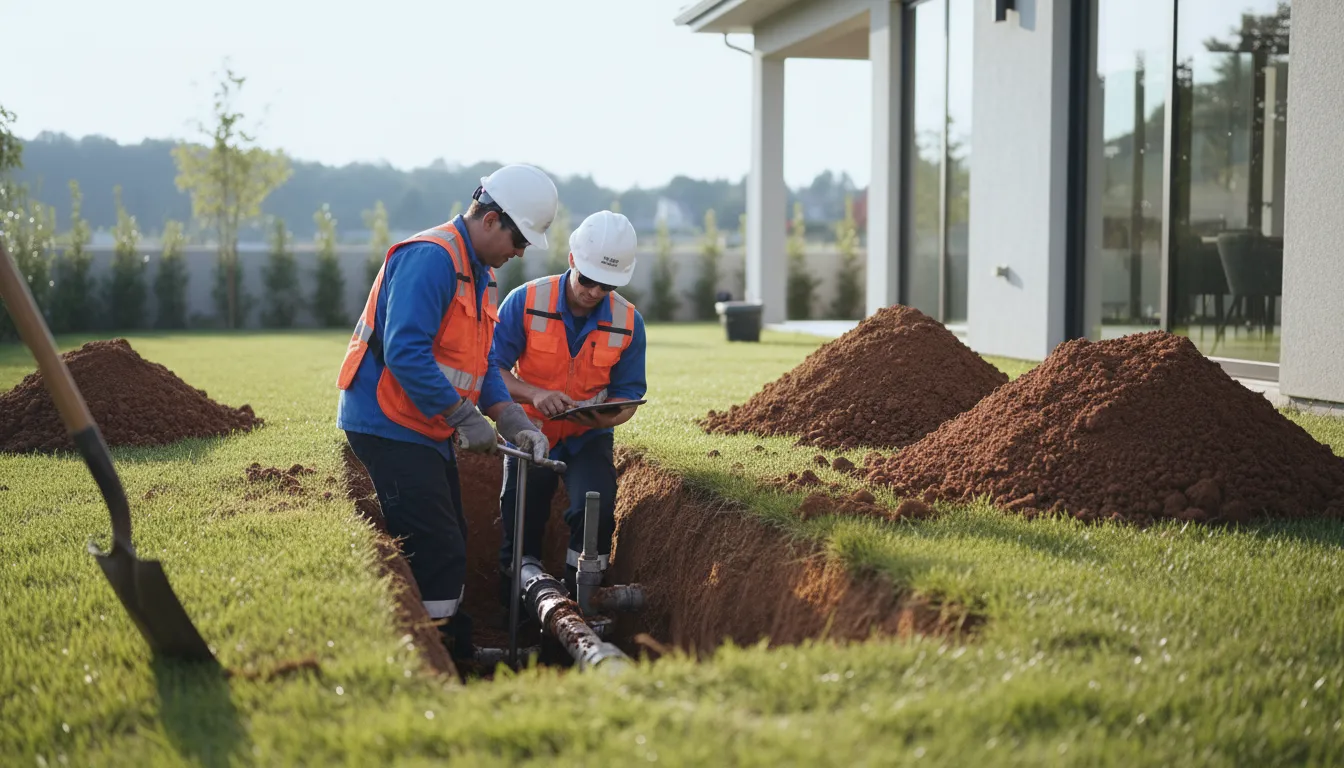
Find the Best Septic System Repair Companies for Your Business
No obligation • Fast responses • Nationwide coverage

Why you can trust Septic Spot
Septic Spot is a leading United States resource for understanding and comparing septic services. Our editors review providers using consistent criteria and verify key business details. Listings and scores are independent, and companies cannot pay to influence our content.
Search providers near you
Top Septic System Repair Companies in Wayne, New Jersey Ranked
Maintaining a functional septic system is a critical responsibility for homeowners in Wayne. When issues arise, timely and proper septic system repair is essential to protect your property, your family's health, and the local environment. This guide explains the local regulations, common repair types, and the process for addressing problems with your onsite wastewater treatment system, helping you connect with qualified local professionals for service.
Perfect Flow Sewer & Drain Services
2135 Williamsbridge Rd, Bronx, NY 10461
Perfect Flow Sewer & Drain Services provides septic tank inspection and septic system repair in Yonkers, NY. They offer thorough inspections, efficient cleaning, and precise repairs to maintain reliable sewer and drain systems. Their services focus on ensuring seamless flow and system functionality.
Zuidema Septic Services & Portable Toilets
90 Midland Ave, Midland Park, NJ 07432
Zuidema Septic Services & Portable Toilets provides residential and commercial septic services along with portable toilet and restroom trailer rentals in New York, NY. With over 100 years of experience since 1919, they offer septic tank pumping, inspections, repairs, and grease trap services. Their use of advanced sewer camera technology helps identify and address sewer line issues effectively. Zuidema also offers 24/7 emergency service for septic and portable toilet needs, ensuring support is available at any time.
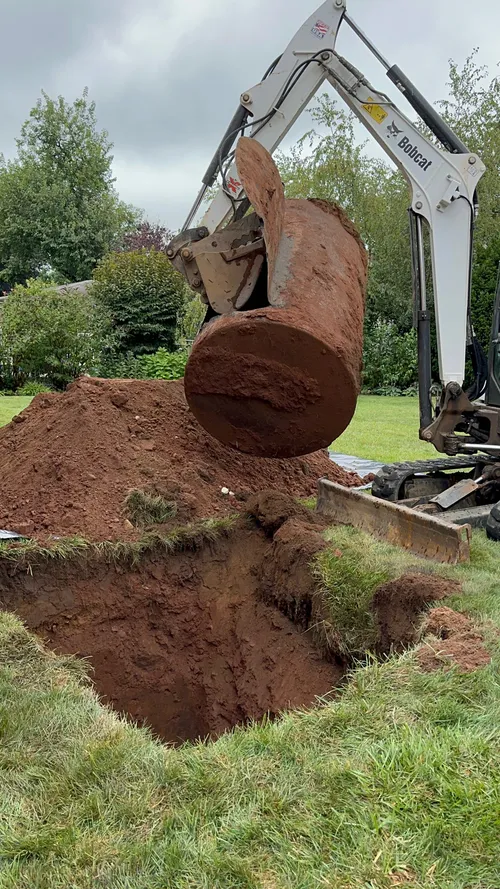
Water Resource Technologies
2 Kanouse Rd, Newfoundland, NJ 07435
Water Resource Technologies is a full-service environmental remediation and consulting company based near New York, NY. They specialize in septic system repair and installation, as well as residential heating oil tank services and environmental site remediation. Their expertise includes environmental drilling and borings, supporting a range of environmental and septic system needs.
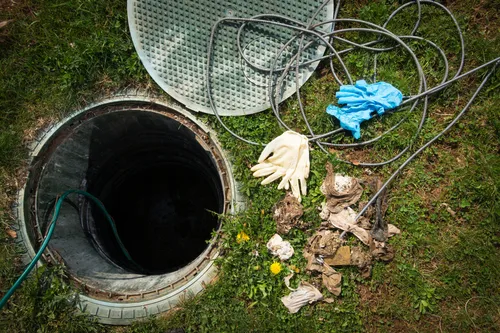
WHERE OLD MEETS NEW LLC
2a Great Meadow Ln, East Hanover, NJ 07936
WHERE OLD MEETS NEW LLC is a family-operated septic service company based near New York, NY, serving the communities of Northern New Jersey. They provide full-service septic system maintenance, repair, and installation for both residential and commercial properties. With over 50 years of experience, the company offers expertise in all aspects of septic systems, including planning and permitting for new installations. WHERE OLD MEETS NEW LLC is licensed and insured, continuing a legacy that began with B Horstmann Septic Service founded in 1978.
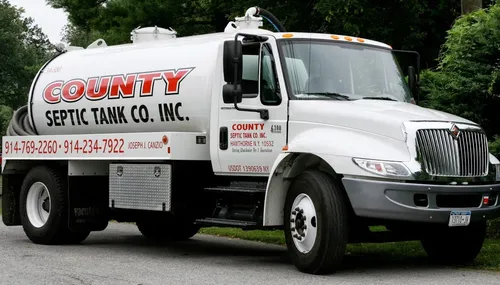
County Septic Tank Co
1 Broadway, Hawthorne, NY 10532
County Septic Tank Co is a family-owned business based in New York, NY, specializing in septic tank pumping, inspection, installation, and repair services. Serving Westchester County since 1956, the company brings over 70 years of experience in maintaining and servicing septic systems. Their expertise includes environmentally friendly septic products and comprehensive septic system maintenance to help prevent soil and water contamination. County Septic Tank Co emphasizes regular system checks and offers full septic consulting services to support system longevity and functionality.
Understanding Septic System Regulations in Wayne
All work on residential septic systems in Wayne is governed by a strict framework of local and state codes. The primary authority is the Wayne Department of Health, operating under Chapter 157: Sewage Disposal Systems, which is aligned with New Jersey Department of Environmental Protection (NJDEP) standards (N.J.A.C. 7:9A). A fundamental rule is that no person shall construct, alter, or repair a sewage disposal system without a permit from the local health department. These permits are not indefinite; they typically expire six months from the date of issuance, so planning your project timeline is important.
Only licensed contractors with current NJ Home Improvement Contractor licenses and specific septic system certifications are legally authorized to perform this work 1. Furthermore, all repairs must adhere to strict setback requirements, such as maintaining a minimum distance of 50 feet from wells and 100 feet from water bodies 1 2. The health department mandates inspections at critical stages before any repaired or replaced component can be covered with soil, ensuring the work meets code 1 2.
Common Septic Repairs: From Minor Fixes to Major Overhauls
Not all septic issues require a full system replacement. Understanding the scope of the problem helps in planning and budgeting. Repairs are generally categorized as minor or major.
Minor Repairs typically address components above or within the tank itself. These can often be completed with simplified permitting. Common examples include:
- Baffle Replacement: The inlet and outlet baffles inside the tank are crucial for preventing scum and solids from exiting into the drain field. If damaged, they must be replaced.
- Lid or Riser Installation: Replacing a damaged concrete lid or installing safe, watertight risers to bring tank access to the surface for easier future maintenance.
- Pump or Motor Repair: For systems with a pump to move effluent to the drain field, repairing or replacing the pump or float switches falls under minor repairs.
Major Repairs involve the soil absorption area, known as the leach field or drain field, or significant structural work. These always require full permits and often engineered plans. They include:
- Leach Field Repair: This may involve replacing clogged or crushed distribution pipes and the surrounding stone (aggregate) in a portion of the field.
- Distribution Box Repair/Replacement: The D-box, which evenly distributes effluent to the field lines, can fail and need repair or replacement 3 4.
- Tank Replacement: If the septic tank itself has significant structural cracks, leaks, or has collapsed, it must be excavated and replaced.
System Replacement becomes necessary when the existing system is damaged beyond repair, is chronically failing, or cannot be upgraded to meet current NJDEP standards. A complete replacement involves installing a new tank and a entirely new leach field.
Find the perfect septic system repair companies for your needs
Get personalized recommendations and expert advice
The Professional Inspection & Diagnosis Process
Before any repair plan is made, a thorough professional inspection is the essential first step. A qualified inspector will follow a systematic process to diagnose your system's health 5.
- System Location & History Review: The inspector will locate all system components (tank, D-box, field) and may review historical permit records with the Wayne Health Department to understand the system's original design.
- Pumping & Tank Inspection: The tank is pumped to allow for a clear visual inspection of the interior walls, floor, and baffles for cracks, leaks, and structural soundness 6.
- Component Check: The inlet and outlet tees or baffles, risers, and safety covers are inspected for integrity and proper function.
- Drainfield Evaluation: This is a critical phase. The inspector will probe the absorption area to check for signs of failure, such as surface dampness, sewage odors, or unusually lush vegetation, which indicate effluent is not percolating properly. The distribution box is checked to ensure it is level and distributing flow evenly.
- Hydraulic Load Test: In some cases, water is run into the system to test its capacity to manage a typical household flow, helping to identify hydraulic failures 7 8.
Regular inspections, recommended every 3-5 years, can catch small problems before they become expensive emergencies 9.
Cost Considerations for Septic Work in Wayne
The cost of septic system service in Wayne varies dramatically based on the work required. It's important to get multiple estimates from licensed contractors. General price ranges include 10 11 12:
- Professional Inspection: $400 - $800
- Minor Repairs (e.g., baffle, riser): $500 - $5,000
- Septic Tank Replacement: $10,000 - $15,000
- Complete System Replacement: $15,000 - $35,000 for a standard system, and $60,000+ for complex systems requiring advanced treatment or challenging site conditions.
- Engineering & Soil Testing: $2,000 - $4,000 (often required for major repairs or replacements)
Financial Assistance for Septic System Replacement
Recognizing the high cost of system replacement, Wayne County may offer financial assistance programs for eligible homeowners 13. These are typically income-based. For example, a program might require homeowners to provide proof of income (paystubs, bank statements) and could cover a significant portion of the cost. Under one such structure, homeowners earning between 100%-200% of a defined income bracket might be responsible for only 15% of the cost, while those in the 200%-300% bracket might cover 50% 13. A key requirement is that all work must be performed by a contractor authorized by the county, and receipts showing payment are usually required before any reimbursement or grant is approved 13.
Choosing a Contractor for Your Septic Repair
Given the regulatory complexity, selecting the right professional is paramount. Always verify that a contractor holds a current NJ Home Improvement Contractor License and specific certifications for septic system work 14 15. They should be intimately familiar with Wayne Township Health Department procedures and NJDEP regulations. Ask for references from recent jobs in Wayne and ensure they will handle all necessary permit applications and schedule the required health department inspections. A reputable contractor will provide a detailed, written estimate that clearly separates labor, materials, permit fees, and any engineering costs.
Frequently asked questions
Sources
Footnotes
-
New Jersey Septic System Rules - 2026 Guide - https://thesewerkings.com/blog/new-jersey-septic-system-rules/ ↩ ↩2 ↩3
-
Chapter 157: Sewage Disposal Systems, Individual - eCode360 - https://ecode360.com/7672691 ↩ ↩2
-
Septic System Repair in New Jersey - ATS Environmental - https://www.atsenvironmental.com/residential/septic-system-repair/ ↩
-
Septic System Repairs | Septic Parts Replacement | NJ - https://septicandoiltanks.com/septic-system-repairs-component-replacement/ ↩
-
How to Never Worry About Your NJ Septic System Again - https://www.youtube.com/watch?v=7xPdvCiGV5g ↩
-
Septic Tank Inspections in South NJ and Ocean County - https://www.chdisposalservice.com/inspection/ ↩
-
How Septic System Inspections Are Performed in New Jersey - https://thesewerkings.com/blog/septic-system-inspections/ ↩
-
Septic Inspections NJ - Statewide Environmental Services LLC - https://septicandoiltanks.com/septic-inspections/ ↩
-
How Often Should You Have Your Septic Tank Checked? - https://www.drsepticsd.com/news/how-often-should-you-have-your-septic-tank-checked/ ↩
-
NJ Septic Regulations for 2026: Inspections, Permits & Rules - https://www.atsenvironmental.com/blog/nj-septic-regulations-for-2026/ ↩
-
Septic Repair vs Replacement in NJ: Costs & Signs - https://www.atsenvironmental.com/blog/septic-repair-vs-replacement/ ↩
-
How Much Does It Cost To Replace A Septic System In Northern NJ? - https://dsepticservice.com/b/septic-system-replacement-cost-new-jersey/ ↩
-
Assistance for Septic Replacement. ... - https://www.wayne-health.org/sites/default/files/2021-01/Assistance%20for%20Septic%20Replacement.pdf ↩ ↩2 ↩3
-
NJ Septic Regulations for 2026: Inspections, Permits & Rules - https://www.atsenvironmental.com/blog/nj-septic-regulations-for-2026/ ↩
-
Division of Water Quality | Professional Information - NJDEP - https://dep.nj.gov/dwq/wastewater/septic-systems/professional-information/ ↩