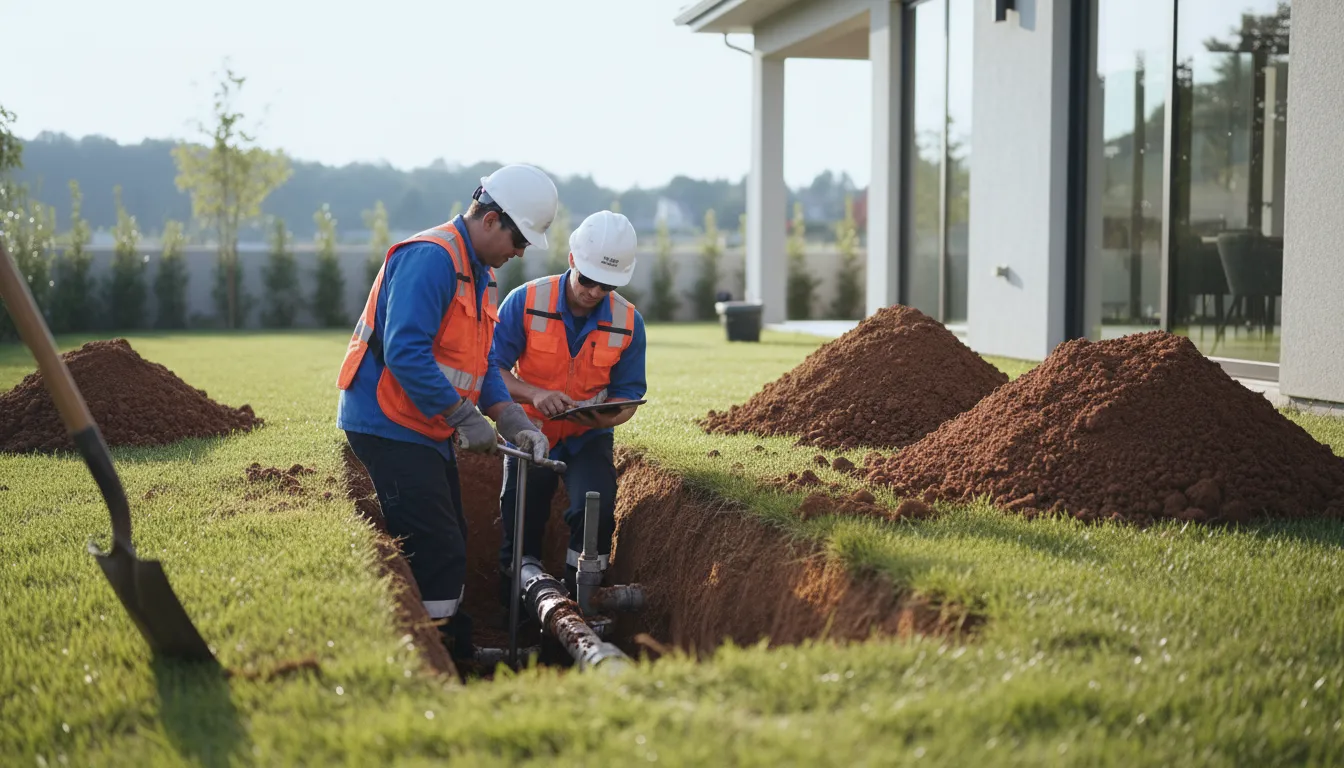
Find the Best Septic System Repair Companies for Your Business
No obligation • Fast responses • Nationwide coverage

Why you can trust Septic Spot
Septic Spot is a leading United States resource for understanding and comparing septic services. Our editors review providers using consistent criteria and verify key business details. Listings and scores are independent, and companies cannot pay to influence our content.
Search providers near you
Top Septic System Repair Companies in West New York, New Jersey Ranked
Maintaining a functional septic system is a critical responsibility for homeowners in West New York, New Jersey. When issues arise, timely and proper septic system repair is essential to protect your property, your family's health, and the local environment. This guide provides a detailed overview of the repair process, local regulations, and what to expect when addressing septic problems in Hudson County. You can use this information to understand your options and connect with qualified local professionals for assessments and service.
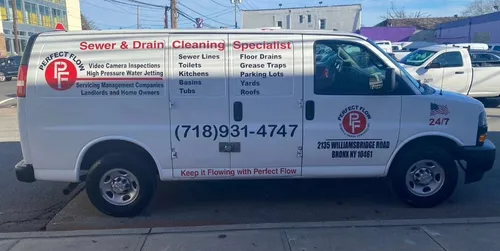
Perfect Flow Sewer & Drain Services
2135 Williamsbridge Rd, Bronx, NY 10461
Perfect Flow Sewer & Drain Services provides septic tank inspection and septic system repair in Yonkers, NY. They offer thorough inspections, efficient cleaning, and precise repairs to maintain reliable sewer and drain systems. Their services focus on ensuring seamless flow and system functionality.
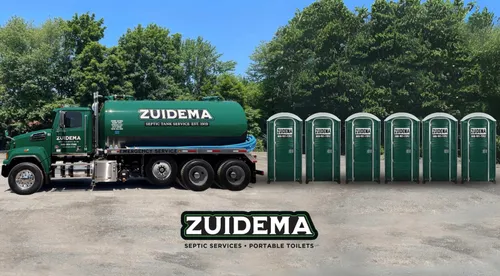
Zuidema Septic Services & Portable Toilets
90 Midland Ave, Midland Park, NJ 07432
Zuidema Septic Services & Portable Toilets provides residential and commercial septic services along with portable toilet and restroom trailer rentals in New York, NY. With over 100 years of experience since 1919, they offer septic tank pumping, inspections, repairs, and grease trap services. Their use of advanced sewer camera technology helps identify and address sewer line issues effectively. Zuidema also offers 24/7 emergency service for septic and portable toilet needs, ensuring support is available at any time.
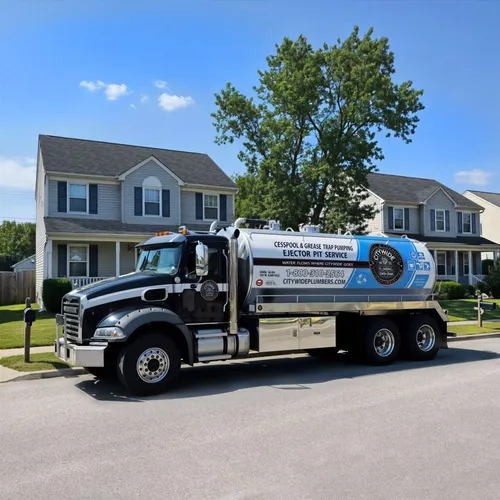
Citywide Grease Trap Maintenance | Cesspool Pumping Service Long Island
110 Voice Rd, Carle Place, NY 11514
Citywide Grease Trap Maintenance | Cesspool Pumping Service Long Island provides septic and cesspool pumping, inspection, repair, and installation services in New York, NY. Serving both residential and commercial clients, they offer comprehensive maintenance and cleaning to prevent system failures. Their skilled technicians use advanced equipment for installations and repairs, including grease trap pumping and sewage ejector pit services. With over 65 years of experience, Citywide operates 24/7 to address emergency needs promptly.
Water Resource Technologies
2 Kanouse Rd, Newfoundland, NJ 07435
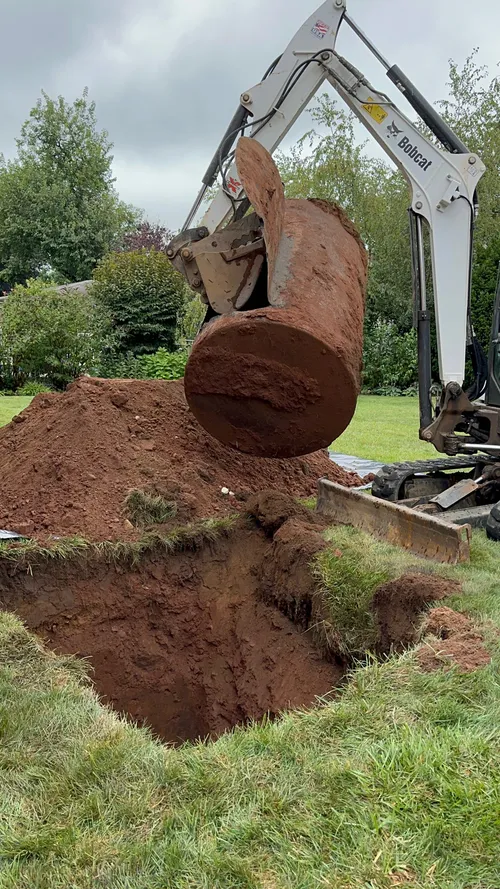
Water Resource Technologies is a full-service environmental remediation and consulting company based near New York, NY. They specialize in septic system repair and installation, as well as residential heating oil tank services and environmental site remediation. Their expertise includes environmental drilling and borings, supporting a range of environmental and septic system needs.
North Shore Cesspool & Drain Corp
231 Lawrence Ln, Glen Cove, NY 11542
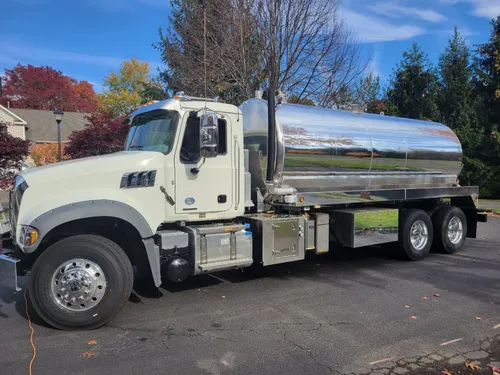
North Shore Cesspool & Drain Corp provides cesspool and septic system services in New York, NY. They offer pumping, cleaning, inspections, repairs, and installations for residential and commercial properties. Their capabilities include hydro jetting and sewer line camera inspections. The company serves Long Island and is available 24/7 for emergency flooding response and backups.
Understanding Septic System Failures and Common Repairs
A septic system is a complex, on-site wastewater treatment structure. When components fail, the consequences can range from minor inconveniences to major environmental hazards. Recognizing the early warning signs of a failing system is the first step toward a necessary repair. Common indicators include surfacing sewage or effluent in your yard, persistent foul odors near the drain field or tank, unusually bright green and lush grass over the leach field, and chronically slow-draining sinks or toilets 1.
These symptoms point to specific problems that require targeted septic services. Repairs in West New York generally fall into several categories:
- Minor Component Repairs: This includes replacing broken or deteriorated inlet/outlet baffles, installing or replacing riser lids for better access, and cleaning or replacing effluent filters. These are often the most straightforward and least expensive fixes.
- Pipe and Line Repairs: The sewer line connecting your home to the tank or the pipes within the distribution box can crack, collapse, or become clogged with roots or grease. Repairing or replacing these sections is a common necessity.
- Drain Field (Leach Field) Issues: This is often the most serious and costly area for septic tank repair. A saturated or clogged drain field cannot absorb liquid waste. Solutions may range from specialized rejuvenation techniques to a partial or complete replacement of the absorption trenches 2.
- Tank Structural Damage: Concrete tanks can crack, and even fiberglass or plastic tanks can be damaged. A compromised tank can leak untreated wastewater into the soil or allow groundwater to flood in, requiring either major rehabilitation or a full tank replacement.
- System Upgrades: If the native soil fails percolation tests, a standard gravity system may not be permissible. Repairs in these cases can involve upgrading to a more complex system with pumps, aerators, or advanced treatment components to meet New Jersey Department of Environmental Protection (NJDEP) standards.
The Critical Role of Inspections and Diagnosis
Before any septic repair work can be planned, a thorough inspection and diagnosis by a licensed professional is mandatory. A proper inspection is more than just checking if toilets flush; it's a systematic process to pinpoint the exact cause of failure.
A comprehensive septic system inspection in New Jersey typically involves:
- Record Review: The technician will start by reviewing any existing records with the local health department to understand the system's original design and history.
- Locating & Exposing: The exact location of the tank, distribution box, and drain field must be confirmed and exposed for visual inspection.
- Pumping & Internal Inspection: The tank is pumped out to allow for an internal check of structural integrity, baffle condition, and sludge/scum levels. This step is vital to assess tank health 3.
- Hydraulic Load Testing: Water is run into the system to test the drain field's absorption capacity and identify any surfacing issues or backups.
- Reporting: The inspector provides a detailed report classifying the system as "pass," "fail," or "conditionally approved," which forms the basis for any repair plan and is often required for real estate transactions 4 5.
Find the perfect septic system repair companies for your needs
Get personalized recommendations and expert advice
Navigating West New York and New Jersey Septic Regulations
All septic system repair work in West New York is strictly regulated. Undertaking repairs without following the proper legal channels can result in significant fines and may not solve the underlying problem. The regulatory framework is designed to protect groundwater, which is a shared resource in densely populated New Jersey.
Key regulatory steps for repairs include:
- Local Health Department Permit: Before any repair or alteration, you must obtain a permit from the West New York or Hudson County health department. This application will require details of the proposed fix.
- NJDEP Standards: All work must comply with New Jersey state regulations (N.J.A.C. 7:9A). These rules govern everything from system design and materials to setback distances from property lines, wells (typically 50 feet), and water bodies (often 100 feet) 6.
- Professional Licensing: Repairs must be performed by a licensed septic system installer or repair contractor. For major work like a new drain field or system replacement, a licensed professional engineer must often design the system and submit plans for approval 7.
- Inspections and Approvals: The local health inspector will need to inspect the work at various stages (e.g., after the tank is set, before the drain field is covered) and issue a final approval upon completion 8 9.
Understanding Repair and Replacement Costs
The cost of septic system work in Northern New Jersey varies dramatically based on the scope of the problem, soil conditions, and system type. It's important to get detailed, written estimates from multiple licensed contractors. Here is a general overview of potential costs based on common repair scenarios:
- Minor Repairs (Baffles, Risers, Filters): These simpler fixes can range from $500 to $2,500 or more, depending on accessibility and parts.
- Drain Field Repair or Partial Replacement: Addressing leach field issues is more involved. Costs for repair or partial replacement often fall between $5,000 and $10,000+.
- Full Tank Replacement: Removing an old, damaged tank and installing a new one typically costs $10,000 to $15,000.
- Complete System Replacement: When both the tank and drain field fail, a full system replacement is needed. In Northern New Jersey, this is a major excavation and installation project, with costs commonly ranging from $35,000 to $60,000 or higher 10.
- Engineering & Soil Testing: For any new drain field or system, mandatory soil testing and engineered design plans can add $3,700 to $8,300 to the total project cost 11.
Maintaining Your System to Avoid Major Repairs
Proactive maintenance is the most effective strategy to avoid costly emergency septic repairs. A well-maintained system can last for decades. Key maintenance practices include 12 13 14:
- Regular Pumping: Have the septic tank pumped by a professional every 3 to 5 years. Systems with garbage disposals, larger households, or older systems may require more frequent pumping.
- Water Conservation: Reducing overall water use lessens the hydraulic load on your drain field, helping to prevent saturation.
- Mindful Flushing: Only human waste and toilet paper should go down the drain. Avoid flushing chemicals, oils, grease, diapers, wipes (even "flushable" ones), and feminine hygiene products.
- Protect the Drain Field: Never drive or park vehicles over the leach field, and avoid planting trees with deep roots nearby.
Frequently asked questions
Sources
Footnotes
-
Essential Guide to Septic Tank Inspections - https://www.mybuilder.com/groundwork-foundations/articles/septic-tank-inspections ↩
-
New Jersey Septic System Rules - 2026 Guide - https://thesewerkings.com/blog/new-jersey-septic-system-rules/ ↩
-
Why Septic Tank Inspections Are Critical When Purchasing a Home - https://www.jadlawfirm.com/blog/why-septic-tank-inspections-are-critical-when-purchasing-a-home/ ↩
-
Why Septic Inspections are Vital for New Jersey Home Buyers - https://speidelseptic.com/why-septic-inspections-vital-for-nj-home-buyers/ ↩
-
How Septic System Inspections Are Performed in New Jersey - https://thesewerkings.com/blog/septic-system-inspections/ ↩
-
Watershed & Land Management | Septic System - NJDEP - https://dep.nj.gov/wlm/lrp/common-projects/septic-system/ ↩
-
NJ Septic Regulations for 2026: Inspections, Permits & Rules - https://www.atsenvironmental.com/blog/nj-septic-regulations-for-2026/ ↩
-
Copy of Inspections - New Jersey Septic Management Group - https://nj-septic.com/inspections-copy/ ↩
-
New Jersey Septic Tank Rules and Regulations - Arrow Sewer & Drain - https://www.arrowsewernj.com/blog/septic-tanks-in-new-jersey-what-you-need-to-know/ ↩
-
How Much Does It Cost To Replace A Septic System In Northern NJ? - https://dsepticservice.com/b/septic-system-replacement-cost-new-jersey/ ↩
-
The Real Cost of Septic Installation in New Jersey (2025) - https://www.atsenvironmental.com/blog/the-real-cost-of-septic-installation-in-new-jersey-2025/ ↩
-
SEPTIC - NJ.gov - https://dep.nj.gov/wp-content/uploads/dwq/pdf/septicmn.pdf ↩
-
Septic Services Pros Blog - https://www.septicinstallationpros.com/blog.html ↩
-
Septic Systems / Wells - https://www.randolphnj.org/203/Septic-Systems-Wells ↩