
Find the Best Septic System Repair Companies for Your Business
No obligation • Fast responses • Nationwide coverage

Why you can trust Septic Spot
Septic Spot is a leading United States resource for understanding and comparing septic services. Our editors review providers using consistent criteria and verify key business details. Listings and scores are independent, and companies cannot pay to influence our content.
Search providers near you
Top Septic System Repair Companies in Rio Rancho, New Mexico Ranked
Maintaining a functional septic system is crucial for the health of your home and the local environment in Rio Rancho. When components fail, timely and compliant septic system repair is essential to prevent property damage, health hazards, and regulatory issues. This guide explains the common types of repairs, the strict New Mexico regulations that govern them, and how you can connect with qualified local professionals to assess and fix your system efficiently.
RC Septic Installation & Repair
131 Bowers Rd SW, Albuquerque, NM 87105
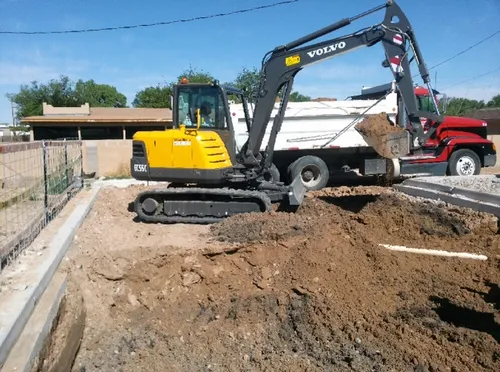
RC Septic Installation & Repair provides septic tank installation, repair, and pumping services in Albuquerque, NM. The company handles various septic system needs to help maintain proper function and avoid common issues. Their services include septic tank pumping and system repairs to ensure reliable operation.
Black Bear Septics LLC
Albuquerque, NM
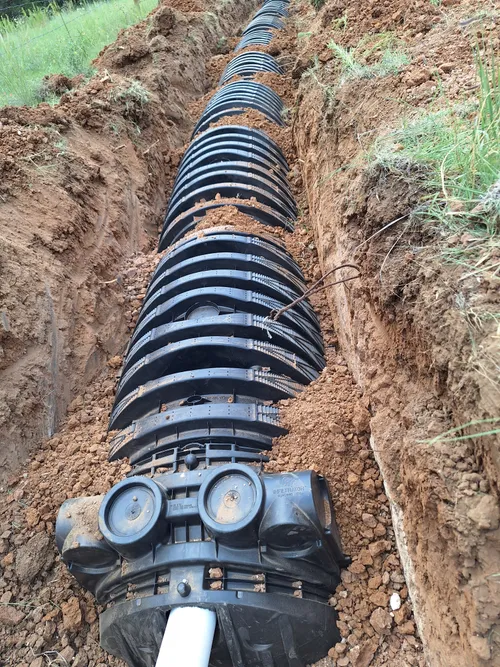
Black Bear Septics LLC is a septic tank inspection, repair, and installation company based in Albuquerque, NM. The business is run by a father-son team with a combined 30 years of experience, including seven years working together installing septic systems. They offer services that include system installations, repairs, and inspections. One notable capability is expert backhoe operation, led by Octavio Manriquez Garcia, who has over 20 years of experience in the industry. The company emphasizes hands-on expertise and detailed knowledge of septic system plumbing.
EC Bassett Construction
34 NM-344, Edgewood, NM 87015
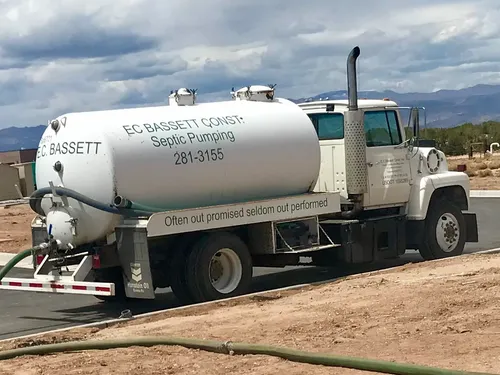
EC Bassett Construction is a locally owned septic system company serving Albuquerque, NM, and nearby areas. Established in 1982, the company offers a full range of septic services including tank pumping, cleaning, maintenance, installation, and repair. Their expertise includes custom septic system design, drain field installation, and emergency repairs, addressing both residential and commercial needs.
American Pumping Service
4500 Paseo Del Norte NE Suite B, Albuquerque, NM 87113
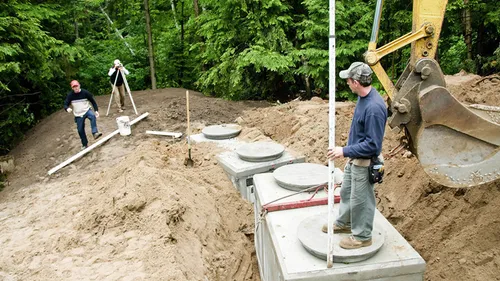
American Pumping Service provides septic tank pumping, inspection, installation, and repair services in Albuquerque, NM. They offer certified maintenance solutions and NAWT-certified septic system inspections for home buyers and sellers. Established in 1996, the company serves customers throughout New Mexico and is available 24/7 for emergency and same-day services.
Understanding Septic System Failures and Repairs
A septic system is a complex, underground wastewater treatment structure. When it malfunctions, the issue typically falls into one of several categories requiring specific septic repair solutions. Common signs of trouble include slow drains, sewage backups in the house, soggy or foul-smelling areas in the drain field, and unusually green grass over the leach lines.
The most frequent repairs needed involve the tank itself or the soil absorption area, known as the drain field. Tank issues can include cracked concrete, failing baffles (which keep solids from exiting the tank), or damaged risers and lids that need replacement for safe access 1. Drain field problems are often more serious and costly, ranging from localized clogging to complete hydraulic failure, where the soil can no longer absorb liquid effluent.
New Mexico and Rio Rancho Septic Repair Regulations
Any significant septic system maintenance or modification in Rio Rancho is governed by the New Mexico Environment Department (NMED). It is illegal to perform repairs without the proper permits, and doing so can lead to fines and complications when selling your property.
A critical rule is the "180-Day Rule." If a system is officially deemed to have failed an inspection, the homeowner has 180 days to complete permitted repairs or a full replacement. Failure to comply can result in the property being "red-tagged," which may prohibit occupancy until the issue is resolved 2. Furthermore, strict proximity rules apply; for example, leach fields must be at least 100 feet from any water well or perennial stream 3.
For properties on smaller lots (under 0.75 acres), regulations can be even more stringent. If a conventional drain field needs replacement, the NMED may require an advanced treatment system, which uses technology to further clean the wastewater before dispersal, adding significant cost to the project 4.
The Professional Repair Process: From Inspection to Completion
Given the regulatory complexity, the repair process should always begin with a professional assessment. A licensed septic inspector will conduct a thorough evaluation, checking the tank's sludge and scum levels, the condition of the effluent filter, and performing a percolation test or probe to assess drain field saturation.
Once the problem is diagnosed, a repair plan is developed. For tank repairs, this may involve excavating to access and patch cracks or install new components. Drain field repair might start with less invasive methods like jetting to clear clogged pipes, but often, a full or partial leach field replacement is necessary. This involves designing a new absorption area based on current soil tests and NMED specifications.
Find the perfect septic system repair companies for your needs
Get personalized recommendations and expert advice
A crucial final step is the NMED final inspection. After permitted repairs or a new installation is complete, a state inspector must approve the work before the system is back in legal operation. Your septic professional will typically coordinate this inspection 5 6.
Costs and Financial Considerations for Repairs
Septic system repairs represent a significant investment. Costs vary widely based on the repair type-from a few hundred dollars for a new effluent filter or baffle to tens of thousands for a complete system replacement, especially if an advanced treatment unit is mandated 7 8.
It's important to explore financial assistance options. Some areas may have programs like the TANK program, which can offer up to $10,000 in grants or loans for repair or replacement of failing systems. Another option is the PIPE program, which assists with the cost of connecting a property to a municipal sewer line if available, thereby abandoning the septic system altogether. Availability of these programs can vary 9.
The most cost-effective strategy is proactive septic system maintenance. Having your tank pumped and inspected every 1 to 3 years, depending on usage, is far less expensive than emergency repairs and can extend the life of your drain field for decades 10.
Choosing a Qualified Septic Repair Provider in Rio Rancho
Selecting the right professional is key to a successful, code-compliant repair. Look for contractors who are licensed by the state of New Mexico and have extensive experience with the local soil conditions and NMED officials. They should be willing to pull all necessary permits, provide a detailed written estimate, and explain the repair process clearly.
A reputable provider will also discuss long-term maintenance plans with you. They understand that a repair is not just a one-time fix but part of ongoing system stewardship. By choosing an experienced local expert, you ensure your repair meets all legal requirements and provides a reliable solution for years to come.