
Find the Best Septic System Repair Companies for Your Business
No obligation • Fast responses • Nationwide coverage

Why you can trust Septic Spot
Septic Spot is a leading United States resource for understanding and comparing septic services. Our editors review providers using consistent criteria and verify key business details. Listings and scores are independent, and companies cannot pay to influence our content.
Search providers near you
Best Septic System Repair Companies in Rhode Island Ranked
When your septic system shows signs of trouble-like slow drains, soggy ground, or unpleasant odors-prompt and proper repair is essential to protect your property, your health, and Rhode Island's delicate environment. Septic system repair in the Ocean State is a regulated process that requires working with licensed professionals to navigate state and local codes. This guide explains the key steps, regulations, and costs involved in fixing or replacing a failing system, helping you understand what to expect and how to connect with qualified local experts for your project.
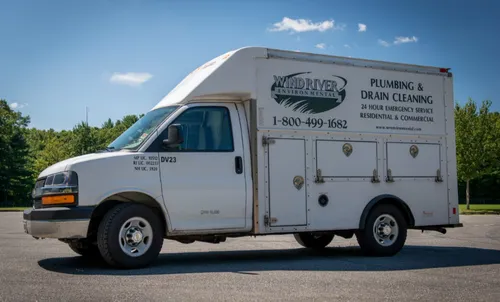
Wind River Environmental of Johnston, RI
141 Shun Pike, Johnston, RI 02919
Wind River Environmental of Johnston, RI provides septic tank pumping, inspection, and repair services in Providence, RI. Serving residential, commercial, and municipal clients, the company offers tailored solutions that comply with local codes and regulations. With a history dating back to 1946, Wind River Environmental brings decades of experience and a broad resource network to handle projects of varying complexity. The company is available 24/7 to address urgent septic and wastewater needs.
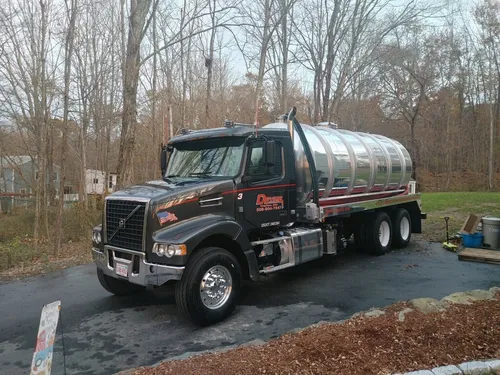
Devine Septic LLC
Providence, RI
Devine Septic LLC is a septic tank inspection and repair company serving Providence, RI. With over 10 years of experience, they offer services including septic system maintenance, emergency repairs, and Title V inspections required for home sales in Massachusetts. They focus on educating customers about septic system operation to help prevent issues and maintain efficient performance.

A & D Sanitation.
223 Hinchey Ln, Somerset, MA 02726
A & D Sanitation provides septic tank pumping, inspection, and repair services in Providence, RI. The company handles septic system maintenance including pumping, line snaking to clear blockages, and basic repairs such as installing filters, risers, and covers. They also offer yearly bacteria treatments and inspections required for Rhode Island point-of-sale ISDS. Their services include maintaining cesspool tight tanks and providing tank seals and jetting.

Croome Sanitation Inc
26 Hillside Ave, Rehoboth, MA 02769
Croome Sanitation Inc is a family-owned septic service company serving Providence, RI, and the surrounding areas of Southeast Massachusetts and Rhode Island. Established in 1962, the company offers a wide range of septic system services including pumping, Title 5 inspections, sewer camera diagnostics, pump station maintenance, and excavation work. Their expertise extends to wastewater treatment systems, providing comprehensive care to maintain system health and compliance with local regulations. Croome Sanitation also offers same-day and emergency services to address urgent septic needs.
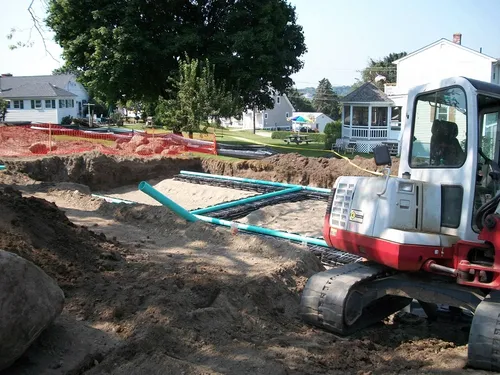
Michael Perri & Sons Septic Service, Inc.
Providence, RI
Michael Perri & Sons Septic Service, Inc. is a family-owned and operated septic company serving Providence, RI, and the entire state of Rhode Island. They provide a full range of septic services including routine pumping, cleaning, inspections, repairs, and new system installations. Their skilled team also offers hydro-jetting, backhoe services, enzyme bacteria treatments, and drainage installation to maintain and protect septic systems. With over 50 years of experience and licenses for underground utility work, they handle both residential and commercial septic needs across multiple Rhode Island communities.
Understanding Rhode Island's Repair Requirements
Not all septic work is created equal. In Rhode Island, the Rhode Island Department of Environmental Management (RIDEM) classifies repairs into different tiers, which dictate the level of oversight and permitting required.
- Minor Repairs: Simple fixes like replacing a tank manhole cover or a damaged effluent filter may not always require a formal RIDEM repair application. However, it's crucial to consult with a licensed professional to confirm.
- Major Repairs/Replacements: Any work involving the replacement of a tank, drainage field (leach field), or other major components is considered a "repair" by RIDEM and triggers a formal application process. This includes fixing a failed soil absorption system.
The cornerstone of Rhode Island's regulatory framework is the requirement for a RIDEM-licensed designer. A Class I, II, or III licensed designer must assess your system, create the repair plans, and submit them to RIDEM for approval. You cannot legally undertake major septic repairs without this step.
The Step-by-Step Repair Process
Navigating a septic repair project involves a series of defined steps. Following this process ensures compliance and a successful outcome.
- Identify the Problem: The first sign is often a system failure noticed by the homeowner or identified during a mandatory inspection for a property transfer 1. A licensed installer or inspector can perform a thorough evaluation to diagnose the exact issue.
- Hire a Licensed Designer: Engage a RIDEM-licensed septic system designer. They will conduct a site evaluation, which often includes soil testing, to determine the best repair or replacement solution that meets current codes.
- Submit the Repair Application: Your designer will prepare and submit a "Repair Application" package to RIDEM. This includes detailed plans, soil data, and the required fees.
- Secure Additional Assents (If Needed): If your property is within 200 feet of tidal waters, coastal wetlands, or shoreline features, you will likely need an assent from the Coastal Resources Management Council (CRMC) in addition to the RIDEM permit.
- Check Local Town Ordinances: Some municipalities, like South Kingstown, have their own wastewater management ordinances and health department requirements that must be satisfied 2. Your designer should be familiar with these local rules.
- Receive Approval & Hire a Licensed Installer: Once RIDEM (and CRMC, if applicable) approves the plans, you can hire a licensed installer to perform the construction. The installer must follow the approved design precisely.
- Final Inspection: After installation, the system must be inspected and approved by the RIDEM or a designated local inspector before it can be covered and put into use.
Critical Environmental and Site Regulations
Rhode Island's regulations are designed to protect public health and its abundant groundwater and coastal resources. Your repair design must adhere to strict environmental standards:
- Groundwater Protection: Systems must maintain specific setbacks from water sources to prevent contamination 3.
- 100 feet from private drinking water wells.
- 200 feet from public water supply wells.
- 50 feet from surface water, streams, and wetlands.
- Soil Suitability: The existing soil conditions are paramount. A repair cannot simply replicate a failed system. The licensed designer's soil evaluation will determine the appropriate technology, which may include advanced treatment systems if soil conditions are poor 4.
- Seasonal High Water Table: In areas with a high water table, construction may be restricted to drier periods of the year to ensure proper installation and prevent immediate system failure 5.
- The Cesspool Act: A critical state law mandates that all cesspools must be replaced with approved septic systems upon failure or at the time of property transfer 6 7. You cannot simply repair a failing cesspool.
Find the perfect septic system repair companies for your needs
Get personalized recommendations and expert advice
Understanding Repair and Replacement Costs
The cost of septic work in Rhode Island varies significantly based on the scope of the project, soil conditions, and the technology required. Here is a general breakdown of potential costs 8 9 10:
- Full System Replacement: Replacing an entire failed system, including tank and leach field, is the most expensive option, typically ranging from $15,000 to $35,000 or more.
- Conventional Drain Field Repair/Replacement: If the tank is sound but the absorption area has failed, costs generally fall between $10,000 and $18,000.
- Innovative/Alternative (I/A) Systems: In areas with poor soil or tight environmental setbacks, an advanced pretreatment system may be required. These systems cost between $23,000 and $32,000+.
- Tank-Only Replacement: If only the septic tank needs to be replaced, expect to pay $3,000 to $8,000.
- Permits and Fees: Budget an additional $1,500 to $3,000 for RIDEM permit fees, soil testing, designer plans, and local inspection fees.
Maintenance: The Best "Repair" is Prevention
Regular maintenance is the most cost-effective way to avoid major, expensive repairs. RIDEM recommends having your septic system inspected by a professional every three to five years and pumping the tank as needed, typically every three to five years for an average household 11 12. Proper care, like avoiding flushing harmful chemicals and managing water usage, can extend the life of your system for decades.
Choosing the Right Professional for Your Repair
Given the complexity of regulations, selecting the right team is critical. Look for professionals who are:
- Licensed by RIDEM: Verify that both the designer and the installer hold current RIDEM licenses.
- Experienced with Local Conditions: Choose firms familiar with Rhode Island's specific coastal, soil, and town-level requirements.
- Transparent with Communication: They should clearly explain the diagnosis, the proposed solution, the regulatory process, and provide a detailed written estimate.
By understanding the process, regulations, and costs outlined here, you are well-prepared to manage a septic system repair project in Rhode Island. Taking informed, prompt action with qualified experts will restore your home's wastewater system efficiently and in full compliance with state laws.
Frequently asked questions
Sources
Footnotes
-
Do I Need a Septic Inspection to Sell My House: Rhode Island - https://www.rockhouseconstruction.com/do-i-need-a-septic-inspection-to-sell-my-house-rhode-island ↩
-
Procedure to Repair or Replace - South Kingstown, RI - https://www.southkingstownri.gov/388/Procedure-to-Repair-or-Replace ↩
-
How Septic Systems Impact Groundwater in Rhode Island - https://www.rockhouseconstruction.com/how-septic-systems-impact-groundwater-in-rhode-island ↩
-
Rhode Island Septic System Regulations for Homeowners - https://www.rockhouseconstruction.com/rhode-island-septic-system-regulations-for-homeowners ↩
-
Onsite Wastewater Treatment System Application for Repair - https://dem.ri.gov/sites/g/files/xkgbur861/files/programs/benviron/water/permits/isds/pdfs/repairfs.pdf ↩
-
The RI Cesspool Act goes into effect 1/1/16. - https://www.hoganassociatesre.com/blog/the-ri-cesspool-act-is-coming-what-buyers-sellers-need-to-know.html ↩
-
Frequently Asked Questions: Cesspools and the Rhode Island Cesspool Act - https://dem.ri.gov/sites/g/files/xkgbur861/files/programs/benviron/water/permits/isds/pdfs/cessfaqs.pdf ↩
-
Septic & Onsite Wastewater Treatment Systems | Rhode Island ... - https://dem.ri.gov/environmental-protection-bureau/water-resources/permitting/septic-onsite-wastewater-treatment-owts ↩
-
Cost of Replacing a Septic System in Rhode Island - https://www.rockhouseconstruction.com/cost-of-replacing-a-septic-system-in-rhode-island ↩
-
What Size Septic Tank Do I Need in Rhode Island? - https://www.rockhouseconstruction.com/what-size-septic-tank-do-i-need-in-rhode-island ↩
-
SepticSmart Homeowners | Rhode Island Department of ... - https://dem.ri.gov/environmental-protection-bureau/water-resources/permitting/septic-smart-home ↩
-
Does Your Septic System Meet State Standards? - https://dem.ri.gov/sites/g/files/xkgbur861/files/programs/benviron/water/permits/isds/pdfs/isdsbro1.pdf ↩