Find the Best Septic System Repair Companies for Your Business
No obligation • Fast responses • Nationwide coverage

Why you can trust Septic Spot
Septic Spot is a leading United States resource for understanding and comparing septic services. Our editors review providers using consistent criteria and verify key business details. Listings and scores are independent, and companies cannot pay to influence our content.
Search providers near you
Top Septic System Repair Companies in West Jordan, Utah Ranked
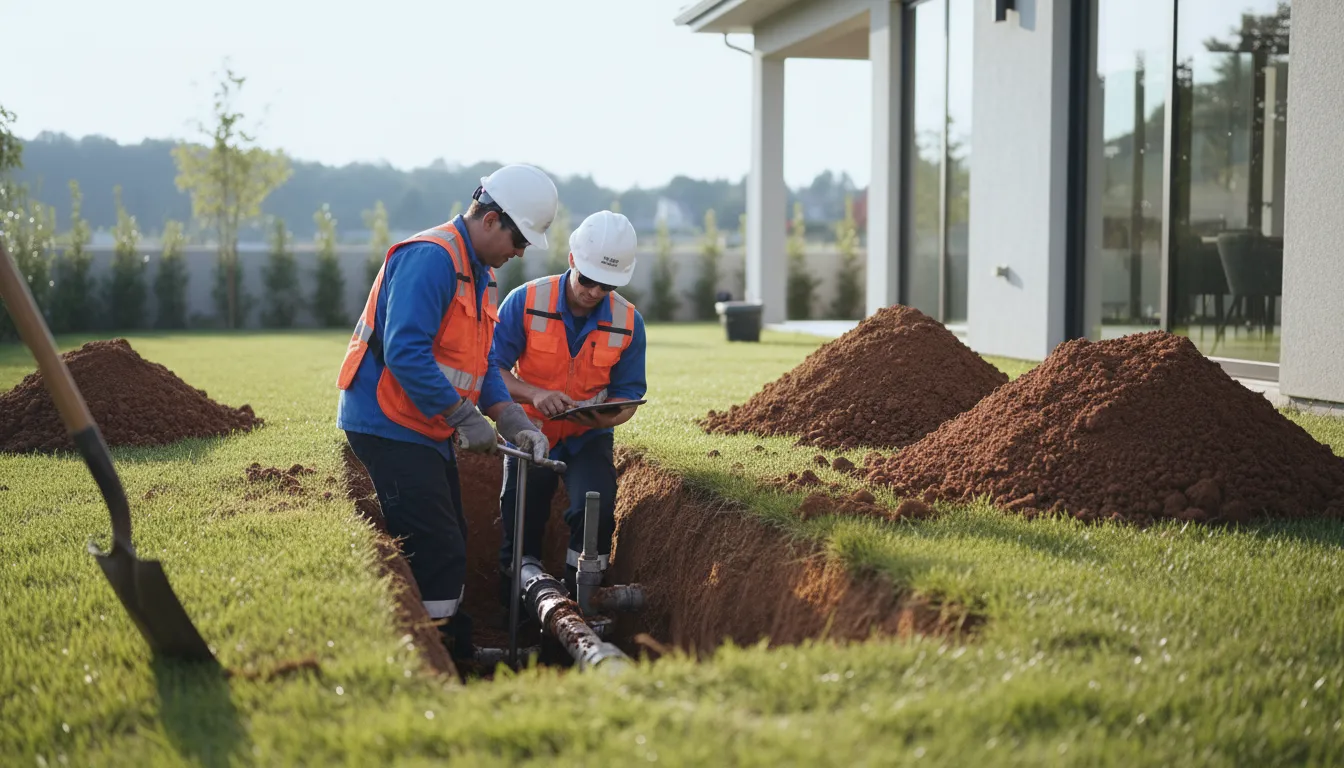
When your home's onsite wastewater system starts to fail, it's more than an inconvenience-it's a pressing health and environmental issue that requires immediate, professional attention. Septic system repair in West Jordan involves diagnosing and fixing problems ranging from clogged pipes to complete drainfield failure, all under the strict oversight of local health authorities. This guide explains the critical repair process, local regulations, and what to expect when restoring your system to proper function, helping you connect with qualified local professionals to navigate this complex but essential home maintenance task.

Understanding Your Onsite Wastewater System
Before diving into repairs, it's helpful to understand the basic components of a conventional septic system. The system begins with the main sewer line from your house, which carries all wastewater to an underground septic tank. Here, solids settle to the bottom as sludge, and fats float to the top as scum. The liquid effluent then flows out through a baffle into a network of perforated pipes known as the drainfield or leach field, where it is gradually absorbed and filtered by the soil. A failure in any part of this chain-the tank, the connecting pipes, or the absorption area-can lead to system malfunction, backups, or environmental contamination.
In West Jordan, these systems are regulated by the Salt Lake County Health Department (SLCoHD), which enforces Utah Administrative Rules R317-4. As a homeowner, you are responsible for the maintenance and repair of your entire system, including the lateral pipes up to the city's main sewer line if one is available nearby 1.
Common Signs You Need Septic Repairs
Recognizing early warning signs can prevent minor issues from becoming major, costly failures. Be alert for these symptoms:
- Slow Drains and Backups: Sinks, showers, and toilets that drain slowly or back up, especially after heavy water use, can indicate a blockage or a full tank.
- Unpleasant Odors: Foul sewage smells inside your home or, more commonly, in your yard near the tank or drainfield area.
- Soggy Lawn or Surfacing Effluent: Lush, green patches or persistently wet, soggy spots in the yard, particularly over the drainfield, are classic signs of a failing absorption area.
- Gurgling Sounds: Strange gurgling noises from your plumbing fixtures.
- Notice from Health Department: Receiving a "Notice of Violation" from the Salt Lake County Health Department following a complaint or inspection.
If you observe any of these issues, it's time to contact a licensed professional for an inspection.
The Mandatory Inspection and Diagnosis Process
You cannot effectively fix what you haven't properly diagnosed. A professional septic inspection is the essential first step in any repair process. A certified inspector will typically follow a thorough process 2 3:
- Locate the System: Using property records, "as-built" drawings, or electronic probing equipment to find the tank and drainfield.
- Expose Access Points: Carefully excavate to uncover the tank's manhole and inspection ports.
- Evaluate Tank Conditions: Measure the levels of sludge and scum to determine if pumping is needed or if tank integrity is compromised. They will also check the inlet and outlet baffles for damage, as a broken baffle can allow solids to escape and clog the drainfield 4.
- Assess the Drainfield: Conduct a visual survey for wet spots and may perform a percolation test or use a camera to check for clogged or crushed distribution pipes.
- Provide a Detailed Report: The inspector will give you a written report outlining the system's condition, the cause of failure, and recommended corrective actions. This report is often required to obtain a repair permit from the health department.
Navigating West Jordan's Repair Permits and Regulations
In Salt Lake County, a permit is mandatory for any replacement, alteration, or extension of a septic system. The regulatory process is designed to protect public health and groundwater. Here's what you need to know:
- Permit Initiation: The process often starts with a "Notice of Violation" from the health department or a contractor's report on a malfunctioning system.
- Site Assessment & Design: A certified professional or engineer must conduct a new site evaluation, including soil testing, and design a repair or replacement system that meets current codes.
- Application Submission: Your contractor will submit an Onsite Wastewater Construction Permit application to the SLCoHD, which takes approximately 10 business days for review.
- Required Inspections: The health department must inspect the repaired or installed system before it is backfilled with soil.
- Sewer Availability: A critical local rule: if a municipal sewer line is available within 300 feet of your property line, the city may require you to connect to it instead of repairing your septic system 5.
- ADU Restrictions: Connecting an Accessory Dwelling Unit (ADU) to a failing septic system is prohibited.
Find the perfect septic system repair companies for your needs
Get personalized recommendations and expert advice
Types of Septic System Repairs
The nature of the repair depends entirely on the inspection findings. Solutions range from simple maintenance to major excavation.
Minor Repairs and Maintenance
- Tank Pumping and Cleaning: Often the first corrective step. If a system is failing simply because the tank is full, pumping it out ($250-$500 on average) may resolve the issue 6 7. It's also a necessary step for a proper inspection.
- Baffle Repair or Replacement: Damaged inlet or outlet baffles can be replaced to prevent solids from entering and destroying the drainfield.
- Pipe Repair: Excavating and replacing crushed, broken, or clogged pipes between the house and tank or the tank and drainfield.
- Riser Installation: Adding secure, flush-to-the-ground access risers over tank lids makes future inspection, pumping, and maintenance much easier and less costly.
Major Repairs and System Replacement
- Drainfield Repair or Replacement: This is the most complex and expensive repair. If the soil in the existing leach field has become clogged with a "biomat" (a layer of organic material), it may no longer absorb effluent. Options include:
- Drainfield Expansion: Adding new trenches to the existing field if space allows.
- Complete Replacement: Installing a brand-new drainfield in a different area of the property. This requires a full site evaluation and new design by a certified professional 8 9.
- Advanced Treatment Systems: In cases where soil conditions are poor, an engineered system like an aerobic treatment unit (ATU) or sand filter may be required as part of the replacement.
Understanding the Costs of Septic Repairs
Costs in West Jordan vary widely based on the repair's scope and the system's size. It's highly recommended to get multiple estimates from licensed contractors.
- Inspections & Pumping: Routine service typically ranges from $250 to $500.
- Minor Repairs: Fixing baffles or small sections of pipe can range from a few hundred to a few thousand dollars.
- Major Drainfield Work: A partial or full drainfield replacement is a significant investment, often costing several thousand to tens of thousands of dollars. The final price depends on soil conditions, system size, and the technology required.
- Permit and Design Fees: Remember to factor in the cost of the required health department permit and the fees for the certified professional who performs the soil test and system design. There is often a $25 certification fee associated with the permit application 10.
Choosing a Qualified Septic Repair Professional in West Jordan
This is not a DIY project. Utah law requires that soil testing and system design be completed by a certified individual or professional engineer 11 12. When searching for help:
- Verify Licensing: Ensure the company is licensed to operate in Utah and specifically experienced with Salt Lake County Health Department protocols.
- Check Certifications: Look for contractors certified by the state or listed by reputable agencies like the Southwest Utah Public Health Department 13.
- Review Services: Choose a provider that offers a full range of services-inspection, design, permitting, repair, and maintenance-to handle your project from start to finish. Companies like Go2Pumpers or Alternative Onsite Solutions are examples of specialized local providers 14 15.
- Get Detailed Estimates: A reputable contractor will provide a written, detailed estimate that breaks down costs for labor, materials, permit pulling, and any engineering fees.
Proactive Maintenance: The Best "Repair"
The most cost-effective strategy is to prevent failures before they start. The Salt Lake County Watershed program advises homeowners to "Be Smart About Septic" through regular pumping (every 3-5 years), conserving water, and avoiding pouring grease or harsh chemicals down the drain. A well-maintained system can last for decades, protecting your home's value, your family's health, and West Jordan's environment.
Frequently asked questions
Sources
Footnotes
-
Wastewater - West Jordan City - https://www.westjordan.utah.gov/waste-water/ ↩
-
Septic Inspection Process: What Homeowners Should Know ... - https://www.lunspro.com/vlog/the-septic-system-inspection-process-what-homeowners-should-know ↩
-
Septic Inspections Made Easy: What Every Contractor Needs to Know Before Breaking Ground (2025) - https://flengineeringllc.com/septic-inspections-guide-contractors-2025/ ↩
-
Preparing for Septic Tank Inspection: 7 Key Steps - https://septic911.com/preparing-for-septic-tank-inspection/ ↩
-
THE CITY OF WEST JORDAN - Utah.gov - https://www.utah.gov/pmn/files/1394985.pdf ↩
-
Homeowners Guide to Septic Systems Brochure - Alpine, UT - https://www.alpineut.gov/DocumentCenter/View/136/Private-Septic-System-Care-PDF ↩
-
Be Smart About Septic - Watershed | Salt Lake County - https://www.saltlakecounty.gov/watershed/get-involved/stream-friendly-practices/be-smart-about-septic/ ↩
-
Septic & Onsite Wastewater Systems - Waste - Salt Lake County - https://www.saltlakecounty.gov/health/waste/septic/ ↩
-
Top 10 Best Septic tank pros in West Jordan, UT - Angie's List - https://www.angi.com/companylist/us/ut/west-jordan/septic-tank.htm ↩
-
Onsite Wastewater Program - https://deq.utah.gov/water-quality/onsite-wastewater-program ↩
-
17.36.170: REPAIR OR REPLACEMENT OF SEWERS - https://codelibrary.amlegal.com/codes/saltlakecityut/latest/saltlakecity_ut/0-0-0-58784 ↩
-
Septic Systems and Onsite Wastewater Treatment in Utah - https://regalserviceteam.com/blog/septic-systems-and-onsite-wastewater-treatment-in-utah/ ↩
-
Septic Systems - Southwest Utah Public Health Department - https://swuhealth.gov/septic-systems/ ↩
-
Go2Pumpers: Utah's Septic & Grease Trap Experts - https://go2pumpers.com/ ↩
-
Alternative Onsite Solutions | Septic System Design - https://www.alternativeonsite.com/ ↩