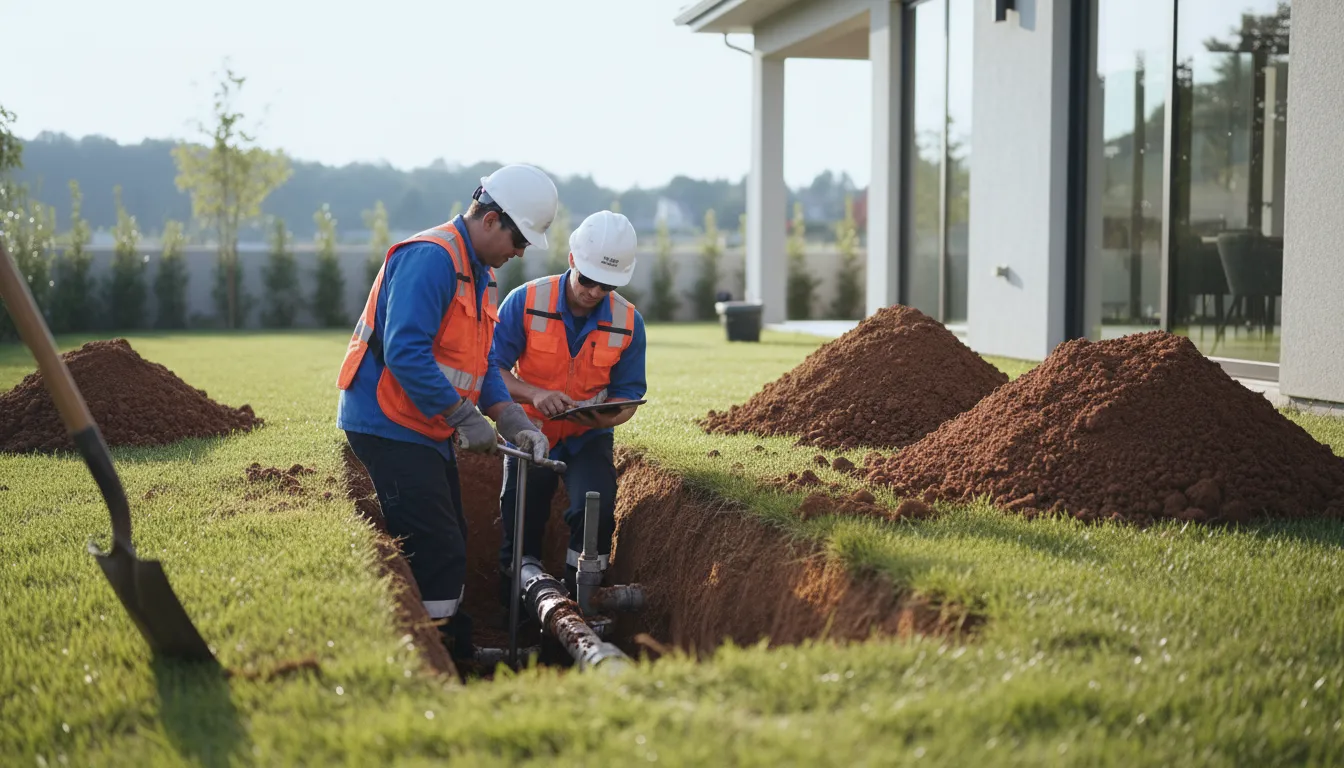
Find the Best Septic System Repair Companies for Your Business
No obligation • Fast responses • Nationwide coverage

Why you can trust Septic Spot
Septic Spot is a leading United States resource for understanding and comparing septic services. Our editors review providers using consistent criteria and verify key business details. Listings and scores are independent, and companies cannot pay to influence our content.
Search providers near you
Top Septic System Repair Companies in Hampton, Virginia Ranked
Maintaining a functional septic system is crucial for the health, safety, and property value of your Hampton home. When components fail, timely and professional septic system repair is essential to prevent environmental contamination, costly property damage, and public health issues. This guide explains the common types of septic repairs, the regulatory landscape in Virginia, and how to navigate the process of finding qualified local professionals to restore your system to proper working order.
Powell's Plumbing & Air
1111 Boissevain Ave, Norfolk, VA 23507
Powell's Plumbing & Air provides septic tank pumping, inspection, and repair services in Virginia Beach, VA. With over 35 years of experience serving Norfolk and surrounding areas, the company handles a range of plumbing and septic system needs. Their long-standing presence reflects a deep knowledge of local septic systems and plumbing repairs.
Goodman's Septic Tank Svc
Virginia Beach, VA
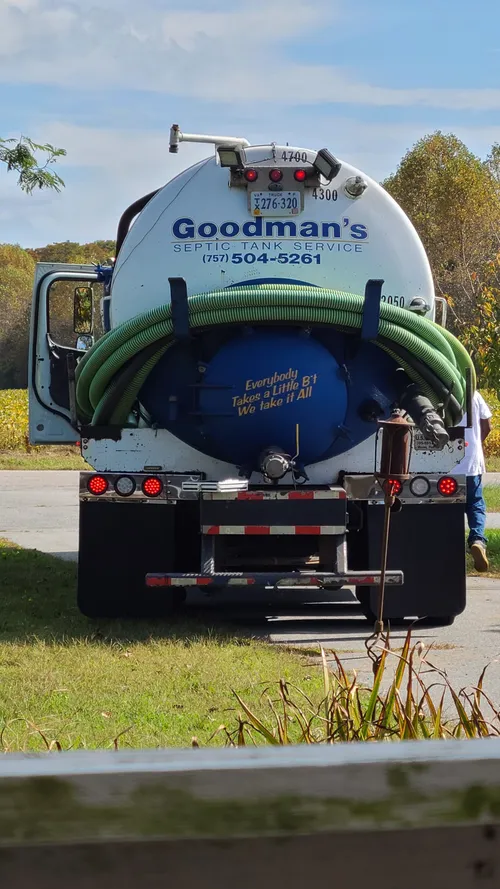
Goodman's Septic Tank Svc is a family-owned company serving Virginia Beach, VA, and nearby areas since 2010. They provide septic tank cleaning, pumping, and repair services for both residential and commercial clients. Their offerings include septic tank and grease trap cleaning, pump service and repairs, as well as plumbing sewer and drain cleaning. The company is equipped to handle a range of maintenance needs and offers 24-hour septic service for urgent situations.
Understanding Septic System Failures and Repairs
A septic system is a complex onsite wastewater treatment structure. When one part malfunctions, it can compromise the entire system. Common signs you may need septic tank repair or drain field work include slow-draining fixtures, sewage backups into the home, soggy ground or foul odors in your yard, and unusually lush grass over the drain field. Addressing these issues quickly can prevent a minor fix from becoming a major replacement project.
In Hampton, all septic system maintenance and corrective work must be performed by licensed professionals, and most repairs require a permit from the Hampton Health Department (part of the Virginia Department of Health) before any work begins 1. This ensures repairs meet state and local health codes, protecting both your property and the local environment, including the Chesapeake Bay watershed.
Common Types of Septic Repairs
The scope of necessary septic repairs can vary widely, from simple component swaps to extensive excavation. Here are the most frequent issues that require professional intervention.
Tank-Related Repairs
The septic tank itself can suffer damage or require part replacement.
- Tank Cleaning/Pumping: While routine maintenance, pumping is often the first step in diagnosing problems or clearing excessive sludge that has blocked outlet pipes.
- Baffle Repair/Replacement: The inlet and outlet baffles are crucial for preventing solids from escaping into the drain field. Cracked or deteriorated baffles are a common cause of system failure and must be fixed promptly.
- Tank Structural Repair: Cracks in concrete tanks or damage to riser lids may require patching or replacement to prevent groundwater infiltration or surface water inflow.
Drain Field (Soil Absorption Area) Repairs
The drain field is often the most expensive component to fix. Problems here usually indicate a serious issue.
- Pipe Repair/Replacement: Individual pipes in the drain field can become crushed, blocked by roots, or clogged with biomat. Spot repairs or replacement of lateral lines may be possible.
- System Remediation: For a failing or failed drain field, options include adding a new replacement field (if space allows), or technologies like drip irrigation or mound system installation.
Mechanical Component Repairs
Many systems, especially Alternative Onsite Sewage Systems (AOSS) common in coastal Virginia, rely on mechanical parts.
- Pump Replacement: Effluent pumps in pump chambers or dose tanks can fail. Repairing or replacing a septic pump is a standard job for a licensed technician.
- Controller/Alarm Service: Electrical control panels and high-water alarm systems may need servicing or replacement to ensure the system doses wastewater correctly.
Ancillary Repairs
- Root Removal: Invasive tree roots can infiltrate and clog pipes and tanks. Professional root removal, often via hydro-jetting, is necessary 2.
- Distribution Box Leveling: A settled or tilted distribution box can cause uneven wastewater distribution, overloading part of the drain field. Re-leveling corrects this issue.
Virginia's Regulatory Framework for Septic Work
Virginia has specific laws governing all onsite sewage system work. Understanding these requirements is key to a successful, legal repair project in Hampton.
The Permit Process
Before any repair work begins-excluding emergency pumping to stop an immediate backup-a permit must be obtained. The property owner or their licensed agent must submit an application to the Hampton Health Department. This application must include plans and specifications prepared by a private-sector consultant licensed by the Department of Professional and Occupational Regulation (DPOR) 3. The health department reviews the application for compliance with regulations before issuing the permit.
The Role of Licensed Professionals
Virginia law mandates that the actual repair work on a septic system be performed by a licensed sewage handler or installer. Furthermore, the design and permitting support must come from a licensed Soil Scientist, Professional Engineer, or Onsite Sewage System Practitioner. This two-tiered system ensures that repairs are both properly designed and correctly executed.
Special Rules for Alternative Systems (AOSS)
If your home uses an advanced pretreatment system (AOSS), such as an aerobic treatment unit (ATU), it is subject to stricter, ongoing requirements. These systems must be inspected annually by a licensed operator, and any repairs must be documented as part of this mandatory maintenance program 4 5.
Find the perfect septic system repair companies for your needs
Get personalized recommendations and expert advice
New Inspection Standards Impacting Repairs
As of July 1, 2025, Virginia implemented new, stricter standards for septic system inspections conducted during real estate transactions 6. While these directly affect home buyers and sellers, they also raise the bar for system assessments that often precede repair decisions.
A qualifying inspection now requires a comprehensive evaluation, including:
- Component Evaluation: Inspection of all accessible tanks, distribution boxes, pumps, and alarms.
- Mandatory Pumping: A full inspection requires pumping the tank to allow for a thorough internal visual assessment of baffles, tees, and tank structure 7.
- System Function Testing: This often involves a "loading test" or flow test to ensure the drain field is accepting water properly without surfacing or backing up.
- Detailed Reporting: Inspectors must submit a written report documenting the system's condition. Notably, the regulations specify that inspectors should not issue a simple "pass/fail" but rather a detailed account of the system's components and performance 8 9.
These rigorous inspections are more likely to identify minor issues before they become major failures, potentially influencing the type and urgency of repairs a homeowner undertakes.
Understanding the Costs of Septic System Repair
The cost for fixing a septic system in Hampton varies dramatically based on the problem's nature and extent. It's important to get detailed estimates from licensed professionals.
- Permit and Inspection Fees: The repair permit itself from the health department often has a low or minimal fee. However, the required professional design and site evaluation for the permit application incur costs. A pre-repair inspection can range from a few hundred dollars for a basic check to over a thousand for a full inspection with tank pumping 10.
- Minor Repairs: Fixing a baffle, replacing a pump, or servicing a controller typically ranges from $300 to $2,500, depending on parts and labor 11.
- Major Drain Field Repairs: This is where costs escalate significantly. Partial drain field repairs or remediation can cost $5,000 to $10,000. A complete drain field replacement or the installation of a new alternative system like a mound can easily range from $10,000 to $20,000 or more12 13.
- Financial Assistance: Virginia offers a "betterment loan" program for necessary septic system repairs. Homeowners can request this loan based on estimated repair costs by providing the VDH with an estimate from a licensed professional before work is completed 14.
The Repair Process: A Step-by-Step Guide for Hampton Homeowners
- Identify the Problem: Note symptoms like backups, odors, or wet spots. Cease using water if a serious backup occurs.
- Contact Licensed Professionals: Reach out to licensed septic repair companies or consultants. They can perform a diagnostic inspection to pinpoint the issue.
- Obtain a Repair Plan & Permit: Your licensed consultant will design the repair and submit the permit application to the Hampton Health Department on your behalf.
- Schedule the Repair: Once the permit is approved, a licensed installer can perform the work. All work should be performed according to the permitted plans.
- Final Inspection: In many cases, the health department will require a final inspection to approve the completed repair before the system is put back into full service.
- Update Maintenance Records: Keep all permits, invoices, and inspection reports for your property records. This is especially important for AOSS systems with annual inspection requirements.
For a list of licensed sewage handlers and system practitioners authorized to work in Hampton, you can contact the Hampton Health Department or consult the Virginia Department of Health's resources for private sector service providers 15.
Frequently asked questions
Sources
Footnotes
-
Sewage Handling & Disposal Regulations - https://www.vdh.virginia.gov/content/uploads/sites/20/2022/02/Sewage-Handling-Disposal-Regs-1982.pdf ↩
-
Common Septic Tank & Drain Field Problems & Solutions - https://www.a1plumbers.com/resources/sewer-water-lines/common-septic-tanks-drain-fields-problems-solutions/ ↩
-
Septic, Sewage, and Well Applications - Virginia Department of Health - https://www.vdh.virginia.gov/environmental-health/onsite-sewage-water-services-updated/have-you-considered-using-the-private-sector/ ↩
-
Operation & Maintenance for Existing Onsite Sewage Systems - https://www.vdh.virginia.gov/blue-ridge/operation-and-maintenance-for-existing-onsite-sewage-systems/ ↩
-
Understanding Virginia's AOSS Inspection Requirements - https://livingwaterenvironmental.com/blog/understanding-virginia-s-aoss-inspection-requirements ↩
-
New Virginia Septic Inspection Requirements - https://dullesarea.com/2025/07/28/new-virginia-septic-inspection-requirements/ ↩
-
NEW Septic System Inspection Legislation Coming July 1st - https://virginiarealtors.org/2025/05/20/new-septic-inspection-legislation-coming-july-1st/ ↩
-
What You Need to Know About Virginia's New Septic ... - https://farmersseptic.com/what-you-need-to-know-about-virginias-new-septic-inspection-regulations-for-real-estate/ ↩
-
What You Should Know When BUYING A HOUSE WITH AN ONSITE ... - https://www.vdh.virginia.gov/environmental-health/what-i-should-know-when-buying-a-house-with-an-onsite-system/ ↩
-
A Complete Guide to Septic System Inspections | GAI Inc - https://www.guardianangelinspections.com/complete-guide-septic-system-inspection ↩
-
Septic Tank Repair - https://www.lanthornplumbingva.com/septic-tank-repair ↩
-
Septic Repair & Replacement Near You | Farmer's Septic, Inc. - https://farmersseptic.com/septic-repair-replacement/ ↩
-
Code of Virginia Code - Chapter 6. Environmental Health Services - https://law.lis.virginia.gov/vacodefull/title32.1/chapter6/ ↩
-
A Guide to Septic Systems - VTechWorks - Virginia Tech - https://vtechworks.lib.vt.edu/bitstream/handle/10919/55266/guide_to_septic_systems.pdf ↩
-
Septic System and Private Well Service Providers - https://www.vdh.virginia.gov/environmental-health/onsite-sewage-water-services-updated/septic-system-and-private-well-service-providers/ ↩