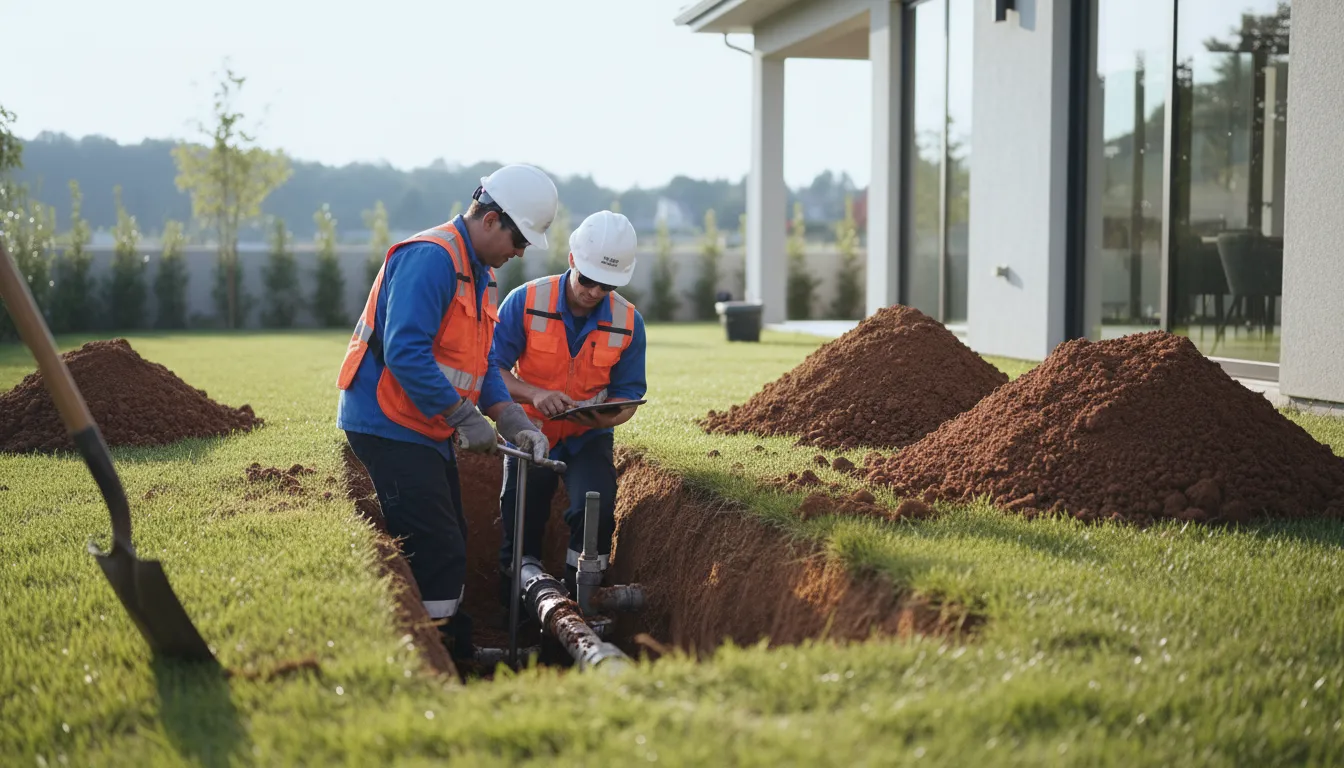
Find the Best Septic System Repair Companies for Your Business
No obligation • Fast responses • Nationwide coverage

Why you can trust Septic Spot
Septic Spot is a leading United States resource for understanding and comparing septic services. Our editors review providers using consistent criteria and verify key business details. Listings and scores are independent, and companies cannot pay to influence our content.
Search providers near you
Best Septic System Repair Companies in Wisconsin Ranked
A failing septic system is a serious health and environmental hazard for Wisconsin homeowners. Septic system repair involves diagnosing and fixing issues with your Private Onsite Wastewater Treatment System (POWTS), from drain field problems to tank failures. Understanding Wisconsin's specific regulations and common soil challenges is crucial for a successful, compliant repair. This guide provides the essential information you need to navigate the repair process, connect with qualified local professionals, and protect your property.

Rozga Plumbing Corp.
1529 S 113th St, West Allis, WI 53214
Rozga Plumbing Corp. is a plumbing and septic service provider located in Milwaukee, WI. Serving Milwaukee and Waukesha counties, they offer septic tank pumping, inspection, and repair services along with general plumbing and sewer solutions. Established in 1981, Rozga Plumbing Corp. has over four decades of experience and provides 24-hour emergency plumbing services. Their team uses modern equipment and techniques to handle a wide range of plumbing and septic system needs.

Walter Stanley Septic
S65W22175 W National Ave, Waukesha, WI 53189
Walter Stanley Septic is a family-owned septic tank pumping and repair company serving Milwaukee, WI, and Southeast Wisconsin. They provide residential, commercial, and municipal septic services, including septic tank and mound system pumping, holding tank pumping, and grease trap cleaning for commercial kitchens. The company uses high-pressure water jetting to clear clogged drain lines and sewers, ensuring proper system function. Established in 1953, Walter Stanley Septic has a long history of serving the community with licensed and bonded services.
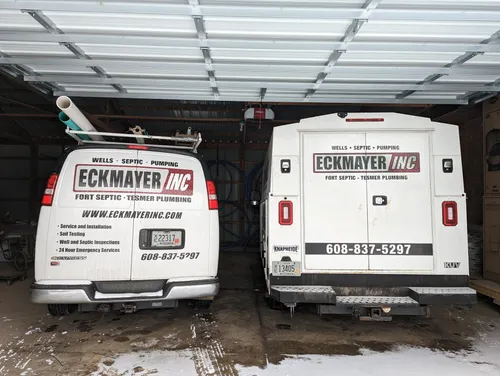
Eckmayer dba Fort Septic
N8458 County Rd O, Waterloo, WI 53594
Eckmayer dba Fort Septic is a septic tank pumping, repair, and installation company serving Madison, WI, and surrounding South Central Wisconsin communities. With over 30 years of experience, they provide septic system maintenance, well installation, and pump repair services. Their capabilities include septic and holding tank pumping as well as well system design and abandonment. Eckmayer dba Fort Septic has been serving the area since 1987, offering licensed and insured services that comply with local regulations.
Understanding Wisconsin's Septic System Regulations
Repairing a septic system in Wisconsin is a regulated process designed to protect groundwater, which is a critical resource for the state. The rules are enforced at both the state and county levels, and compliance is not optional.
Permits Are Mandatory: Before any repair, replacement, or alteration of a POWTS, you must obtain a sanitary permit from your local county planning or zoning office. This ensures the work is reviewed and approved for compliance with health and environmental codes.
Licensed Professionals Required: Wisconsin law mandates that the installation and repair of septic systems be performed by a licensed plumber1. This requirement helps guarantee that the work meets the technical standards of the Wisconsin Uniform Plumbing Code.
Regular Inspections: Many Wisconsin counties, including Rock, Waukesha, and Wood, have maintenance programs that require septic systems to be inspected-and often pumped-at least every three years2 3. These inspections are key to identifying minor issues before they become major, costly repairs.
Common Causes for Septic System Repair in Wisconsin
Systems fail for various reasons, but in Wisconsin, environmental factors play a significant role.
Soil and Site Limitations: Approximately half of Wisconsin's soils are unsuitable for conventional below-grade septic systems due to high groundwater, shallow bedrock, or poor permeability. When these "limiting conditions" exist, a conventional system may fail, requiring a more advanced repair or replacement.
System Age and Wear: Components like tanks, pipes, and drain fields degrade over time. Cracks, blockages, and biomat buildup in the drain field are common age-related issues that necessitate repair.
Improper Use and Lack of Maintenance: Flushing non-biodegradable items, overloading the system with excessive water, and skipping routine pumping can accelerate system failure. Regular maintenance is the most effective way to avoid premature repairs.
The Repair Process: From Diagnosis to Completion
A structured approach ensures your repair is done correctly and legally.
- Identify the Problem: Signs of failure include sewage backups in the home, soggy ground or foul odors in the yard, and unusually green grass over the drain field. The first step is to contact a licensed professional for a diagnosis.
- Soil Evaluation: For any significant repair or full replacement, a Certified Soil Tester (CST) must evaluate your property's soil conditions, depth to bedrock, and groundwater levels 4. This report determines what type of system your site can support.
- Design and Permitting: Your licensed plumber will design a repair solution that complies with the soil report and state/county codes. You or your contractor must then submit the design and application for a sanitary permit to the county 5.
- Repair Installation: Once the permit is issued, the licensed plumber can proceed with the repair work. All work must be inspected by the county sanitarian at key stages.
- Final Approval: After installation, a final county inspection is required to approve the repair and close the permit.
Types of Septic Systems Used in Wisconsin Repairs
The repair solution for your property depends entirely on the site conditions revealed by the soil test.
Conventional System: A tank and a below-ground drain field in suitable soil. Repair might involve replacing a portion of the drain field. Costs typically range from $15,000 to $20,000.
At-Grade System: Used when the entire soil profile is needed for treatment. The drain field is constructed at the original ground level and covered with a mound of topsoil. This is often a solution for repairs where soil depth is limited. Estimated costs are $18,000 to $22,000.
Mound System: The most common alternative system in Wisconsin for sites with high groundwater or shallow bedrock 6 7 8. An engineered sand mound is built above the natural grade to provide adequate treatment. Repair or conversion to a mound system is complex. Costs generally range from $22,000 to $26,000 or more6 9.
Holding Tank: A sealed tank that stores waste until it is pumped and hauled away. This is typically a last-resort option where no soil-based treatment is possible and can be the most expensive long-term due to perpetual pumping fees.
Find the perfect septic system repair companies for your needs
Get personalized recommendations and expert advice
Choosing a Qualified Repair Professional in Wisconsin
Selecting the right team is critical for a lasting repair.
- Verify Licenses: Always confirm that the plumber is licensed by the State of Wisconsin to install and repair POWTS. You can also ask if they hold any specialty certifications.
- Check for CST Partnership: Since a soil test is required, many reputable plumbing companies work closely with Certified Soil Testers or have one on staff.
- Understand Local County Rules: A good professional will be thoroughly familiar with the specific sanitary permit and inspection requirements of your county.
- Get Detailed Estimates: Request written estimates that break down costs for design, permitting, soil testing, construction, and county fees. Be wary of quotes that seem significantly lower than others.
Financial Considerations and Planning for Repairs
Septic system repair is a major investment. Beyond the installation costs mentioned above, consider these factors:
- Permit and Soil Test Fees: County permit fees and the cost for a Certified Soil Tester report are additional upfront expenses 10.
- System Maintenance Costs: Post-repair, budget for routine pumping (every 3-5 years) and any required county inspection fees to protect your new investment.
- Financing Options: Some counties may offer low-interest loan programs for septic system repairs to protect water quality. Check with your local health or zoning department.
Maintaining Your System Post-Repair
A successful repair is followed by diligent maintenance to extend the system's life.
- Adhere to Inspection Schedules: Comply with your county's mandated 3-year inspection and maintenance program.
- Practice Water Conservation: Spread out laundry loads, fix leaks, and use water-efficient fixtures to avoid overloading the system.
- Mind What You Flush: Only human waste and toilet paper should go into the system. Avoid chemicals, grease, diapers, and wipes (even those labeled "flushable") 11.
- Protect the Drain Field: Never drive or park vehicles over it, and keep roof drains and sump pumps directed away from the area.
Frequently asked questions
Sources
Footnotes
-
Sanitary Requirements - Sawyer County, WI - https://www.sawyercounty.gov/720/Sanitary-Requirements ↩
-
Septic Systems | Waukesha County - https://www.waukeshacounty.gov/parks-and-land-use/environmental-health/septic-systems/ ↩
-
Septic Systems | Rock County, WI - https://www.co.rock.wi.us/departments/public-health/septic-systems ↩
-
SBD-9046 Revised 02/22 - DSPS - https://dsps.wi.gov/Documents/Programs/POWTS/SBD9046.pdf ↩
-
SEPTIC SYSTEM GENERAL INFORMATION - https://www.woodcountywi.gov/departments/pz/Doc/Septic%20System%20Information%20for%20Homeowners.pdf ↩
-
Septic Maintenance - Washington County, WI - https://www.washcowisco.gov/departments/natural_resources/land_resources/homeowners___residents/septic_maintenance ↩ ↩2
-
Septic Systems | Price County, WI - Official Website - https://www.co.price.wi.us/258/Septic-Systems ↩
-
A Guide to Rural Septic Systems for Wisconsin Homes - https://sunsetseptic.com/guide-to-rural-septic-systems-for-wisconsin-homes/ ↩
-
Wood County Sanitary Permit Program - https://www.woodcountywi.gov/Departments/PZ/Doc/Citizens%20Guide%20Aug%202018.pdf ↩
-
Wood County Sanitary Permit Program - https://www.woodcountywi.gov/Departments/PZ/Doc/Citizens%20Guide%20to%20Sanitary%20Permits.pdf ↩
-
Care & Maintenance of Residential Septic Systems (B3583) - https://green.extension.wisc.edu/files/2020/04/Care-and-Maintenance-of-Residential-Septic-Systems.pdf ↩