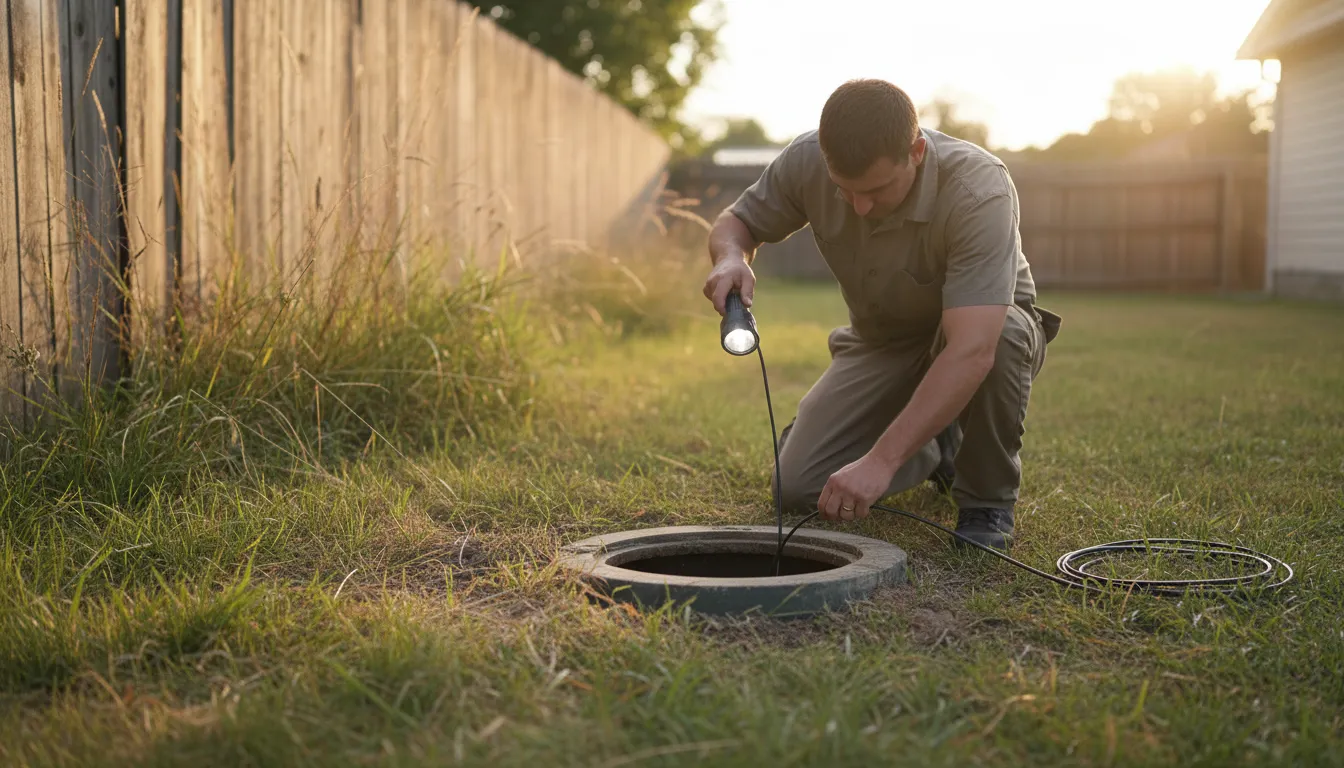
Find the Best Septic Tank Inspection Companies for Your Business
No obligation • Fast responses • Nationwide coverage

Why you can trust Septic Spot
Septic Spot is a leading United States resource for understanding and comparing septic services. Our editors review providers using consistent criteria and verify key business details. Listings and scores are independent, and companies cannot pay to influence our content.
Search providers near you
Top Septic Tank Inspection Companies in Tuscaloosa, Alabama Ranked
A septic tank inspection is a vital evaluation of your onsite wastewater system's health and functionality. In Tuscaloosa, where many homes rely on these private systems, regular assessments are crucial for protecting your property value, ensuring public health, and complying with local regulations. This guide will help you understand the inspection process, local requirements, and how to connect with qualified, licensed professionals in the Tuscaloosa area to maintain your system properly.
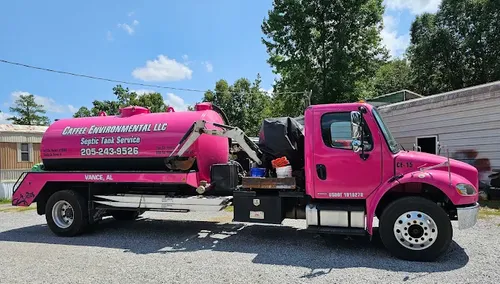
Caffee Environmental LLC
Birmingham, AL
Caffee Environmental LLC is a family-owned septic service company based in Birmingham, AL, offering a full range of septic system services including tank pumping, inspections, pump replacements, and drain field repairs. With 25 years of combined experience, their licensed and certified team serves residential customers across Tuscaloosa, Jefferson, and Bibb Counties. They use modern equipment and eco-friendly practices tailored to local soil conditions to maintain system health and prevent costly issues. The company also provides land clearing and excavation services, supporting property maintenance and preparation beyond septic care.
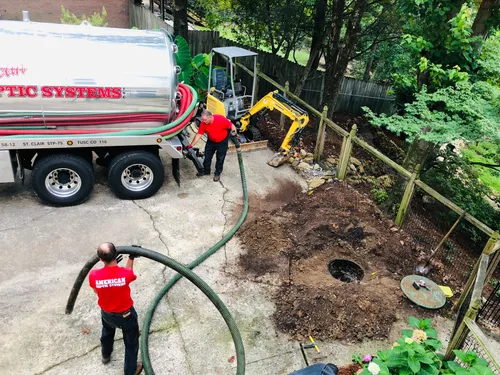
American Septic Systems
10650 Lock 17 Rd, Adger, AL 35006
American Septic Systems is a licensed septic service provider based near Birmingham, AL. They offer a wide range of septic services including tank pumping, inspections approved by county health departments, repairs, and new installations. Their capabilities include field line installation and repair, grease trap cleaning, and effluent pump replacement. The company emphasizes thorough septic system maintenance to prevent issues before they arise.
Understanding Your Septic System in Tuscaloosa
A septic system, or onsite wastewater system, is a self-contained treatment plant for your household sewage. In areas without municipal sewer lines, like many parts of Tuscaloosa County, these systems are essential. The typical system includes a septic tank, where solids settle and begin to decompose, and a drain field (or leach field), where treated liquid effluent is dispersed into the soil. Proper function depends on regular maintenance, with a professional system evaluation being the cornerstone of that care.
In Alabama, septic systems are regulated by the Alabama Department of Public Health (ADPH) and local county health officials 1. This means any new installation or substantial repair requires a permit from the local health department. Understanding this regulatory framework is the first step in being a responsible system owner.
Why Regular Septic Inspections Are Non-Negotiable
Skipping a septic system check-up can lead to costly and unpleasant consequences. A failing system can cause sewage to back up into your home or bubble up in your yard, creating health hazards and environmental contamination. Furthermore, a malfunctioning septic system can significantly reduce your property's value and complicate a future sale.
Regular inspections help you:
- Catch Problems Early: Identify minor issues like a clogged effluent filter or a small leak before they become major, expensive repairs or a full system failure.
- Schedule Pumping Accurately: The inspection determines the levels of sludge and scum in your tank, providing a data-driven answer for when pumping is truly needed, rather than relying on a generic timeline.
- Ensure Compliance: Maintain a record of professional servicing, which is often required for property transfers and is always good practice for demonstrating responsible ownership.
- Protect Your Investment: Your home is likely your largest asset. Proactive system care protects that investment from the severe damage and devaluation a failed septic system can cause.
What Happens During a Professional Septic Inspection?
A comprehensive septic tank evaluation in Tuscaloosa, performed by a licensed professional, follows a detailed process. Here's what you can expect during a standard onsite wastewater system inspection:
1. Preliminary Review & Locating Components The technician will often start by asking about your system's history and may review any available permits or diagrams. They will then locate and uncover the tank lid(s) and inspect the drain field area.
2. Visual Assessment of the Tank and Drain Field The inspector looks for any visible signs of trouble. This includes checking the tank integrity for cracks, inspecting inlet and outlet pipes for blockages or leaks, and examining the drain field for soggy soil, foul odors, or surfacing sewage-clear indicators of failure.
3. Measuring Sludge and Scum Levels This is a critical quantitative step. Using specialized tools, the technician measures the depth of the sludge layer at the bottom of the tank and the scum layer floating at the top. These measurements determine how full the tank is and provide the definitive evidence for whether pumping is immediately necessary 2.
4. Inspection of Internal Components The professional will check key internal parts, including:
- Baffles or Tees: Ensuring these are intact to prevent solids from flowing out into the drain field.
- Effluent Filter: Cleaning or noting if this filter, which catches finer particles, is clogged.
- Tank Lid and Risers: Verifying that lids are secure and, if risers are installed, that they provide safe, easy access to grade (a recommended practice by ADPH).
5. Functional Flow Test To ensure water is moving through the system correctly, the inspector may run water from your home to confirm it is entering the tank properly and not backing up.
Find the perfect septic tank inspection companies for your needs
Get personalized recommendations and expert advice
Alabama Regulations and the Role of Licensed Professionals
It is imperative to hire a technician who is licensed by the Alabama Onsite Wastewater Board. State law requires that pumping and repairs be conducted by licensed professionals to ensure work is done correctly and complies with the Alabama Administrative Code governing onsite sewage systems 3 4.
The local county health department enforces these state rules. They issue permits for new installations and repairs, and they can be a resource for understanding the specific requirements for your property. Always ask any service provider for proof of their state license.
Septic Tank Pumping: The Companion to Inspection
While an inspection assesses condition, pumping is the essential maintenance action that removes accumulated solids. In Tuscaloosa, the general guideline is to pump your septic tank every 3 to 5 years 5. However, this is not a rigid rule. Household size, water usage, and garbage disposal use can all affect this frequency. The most reliable method is to have an inspection, which will measure sludge/scum levels and tell you definitively if pumping is needed now or can wait.
When pumping is performed, the licensed contractor will pump out all contents from the tank (septage) for proper disposal at a designated facility. They should also inspect the empty tank for any structural issues that weren't visible when it was full.
Cost Expectations for Inspection and Pumping in Tuscaloosa
Understanding potential costs helps in budgeting for this important home maintenance. Prices can vary based on tank size, accessibility, and the scope of service.
- Inspection-Only Service: A standard septic system inspection in the Tuscaloosa area typically ranges from $200 to $500 6. This fee covers the technician's time, expertise, and report on your system's condition.
- Pumping-Only Service: If you already know your tank needs to be pumped, the cost generally ranges from $300 to $600 or more, depending primarily on tank capacity (measured in gallons) 7 8.
- Combined Inspection & Pumping Package: Many local companies offer a bundled service, which can provide better value. The inspection determines if pumping is needed immediately, and if it is, it can often be done during the same visit.
Homeowner Tips for a Healthy Septic System
Between professional visits, your habits directly impact your system's longevity.
- Keep Detailed Records: Maintain a file with all inspection reports, pumping receipts, repair invoices, and your system's original permit and design. This is invaluable for troubleshooting and is often requested during real estate transactions.
- Conserve Water: Spread out laundry loads, fix leaky faucets, and install water-efficient fixtures. Reducing the flow into the tank gives solids more time to settle and prevents hydraulic overload of the drain field.
- Mind What You Flush: Only human waste and toilet paper should go down the toilet. Never flush wipes (even "flushable" ones), feminine hygiene products, dental floss, grease, or chemicals.
- Protect the Drain Field: Never park vehicles, build sheds, or pave over your drain field. The soil needs to breathe to treat effluent. Also, plant only grass over the field; tree and shrub roots can clog and damage the pipes 9 10.
- Install Access Risers: If your tank lids are buried deep, consider having risers installed. This brings the access point to the surface, making future inspections and pumping easier, safer, and less costly.
Frequently asked questions
Sources
Footnotes
-
Septic Tank Systems | Alabama Department of Public Health (ADPH) - https://www.alabamapublichealth.gov/onsite/septic-tanks.html ↩
-
Septic System Inspection: What to Expect During an OSS ... - https://liljohnsanitary.net/what-is-a-septic-system-inspection-what-to-expect-during-an-oss-inspection-in-lummi-island/ ↩
-
Alabama Septic Tank Requirements - https://www.ntotank.com/blog/alabama-septic-tank-requirements ↩
-
Sewage Tank Pumping Permit - Alabama Administrative Code - https://admincode.legislature.state.al.us/administrative-code/420-3-6-.23 ↩
-
Septic Tank Maintenance | Alabama Department of Public ... - https://www.alabamapublichealth.gov/onsite/maintenance.html ↩
-
Septic Inspections | Residential & Commercial Services in Alabama - https://septicworksal.com/septic-inspections/ ↩
-
Caring for Septic Systems - https://www.aces.edu/blog/topics/fish-water/caring-for-septic-systems/ ↩
-
2026 Septic Inspection Costs | Tank, System, & Title 5 - https://homeguide.com/costs/septic-tank-inspection-cost ↩
-
Frequent Questions on Septic Systems | US EPA - https://www.epa.gov/septic/frequent-questions-septic-systems ↩
-
Septic Tank System: Homeowner's Guide & Records Folder - https://www.alabamapublichealth.gov/onsite/assets/homeownersguide.pdf ↩