Find the Best Septic Tank Inspection Companies for Your Business
No obligation • Fast responses • Nationwide coverage

Why you can trust Septic Spot
Septic Spot is a leading United States resource for understanding and comparing septic services. Our editors review providers using consistent criteria and verify key business details. Listings and scores are independent, and companies cannot pay to influence our content.
Search providers near you
Top Septic Tank Inspection Companies in Wilmington, Delaware Ranked
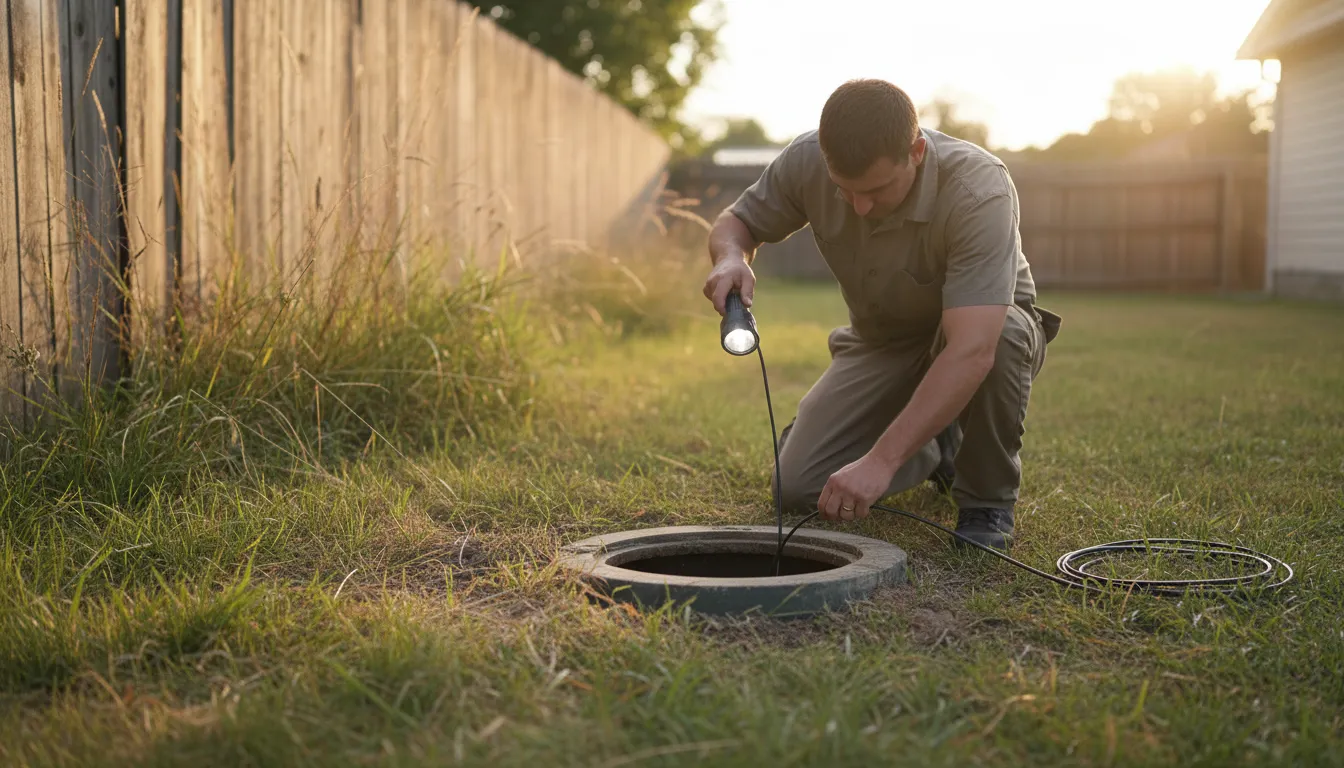
A professional septic tank inspection is a critical evaluation of your on-site wastewater system's condition and performance. In Delaware, these assessments are not just a good idea-they are often required by state regulations, especially during property transfers. A thorough inspection can identify potential failures, ensure environmental compliance, and save you from costly repairs. This guide explains Delaware's specific rules, what an inspection entails, and how to connect with licensed professionals to evaluate your system.
Understanding Delaware's Septic System Regulations
Delaware's septic systems are regulated by the Department of Natural Resources and Environmental Control (DNREC) under the Regulations Governing the Design, Installation, and Operation of On-Site Wastewater Treatment and Disposal Systems (7 DE Admin. Code 7101)1. These rules are designed to protect public health and the state's groundwater. A key requirement is that all inspections, installations, and repairs must be performed by DNREC-licensed professionals 2. This licensing ensures that the individual has the proper training and knowledge of state standards.
It is highly recommended that homeowners keep all permits, maintenance records, and the original site plan for their system3. These documents are invaluable during an inspection and are legally required for the specialized Class H inspection conducted during real estate transactions. If records are missing, particularly for pre-1992 systems in New Castle County, a component failure may necessitate a total system replacement because the original design specifications cannot be verified.
Types of Septic Inspections in Delaware
Not all septic inspections are the same. The type you need depends on your situation.
Routine Maintenance Inspection
For ongoing care, DNREC and public health guidance recommends having your system inspected every 1 to 3 years4. A routine inspection typically includes:
- Measuring the sludge and scum layers in the tank to determine if pumping is needed.
- Checking the tank's structural integrity for cracks, leaks, or corrosion.
- Inspecting inlet and outlet baffles.
- Examining the drainfield for signs of surfacing effluent or soggy ground.
- For alternative systems (like low-pressure pipe or aerobic treatment units), more frequent-sometimes annual-inspections are often required 5.
Class H Inspection for Real Estate
This is a mandatory, state-defined inspection for property transfers6. The Class H inspection is more formal and results in a report that documents the system's operational condition. This report can be searched by the public via the DNREC Division of Water website7. Its purpose is to provide transparency between buyer and seller regarding a critical, and costly, component of the property.
The Inspection Process: What to Expect
When a licensed professional arrives to inspect your septic system, they will follow a systematic process. Understanding this can help you prepare.
1. Pre-Inspection Review: The inspector will request any available records, such as the "as-built" site plan and past maintenance reports. If a permit is already on file with DNREC, the process is more straightforward. If no permit is found, the inspection may involve additional fees for locating and documenting the system components.
2. Site Evaluation: The inspector will locate and expose the tank's access lids. They will also walk the drainfield area to look for visual signs of failure, such as overly lush grass, standing water, or odors.
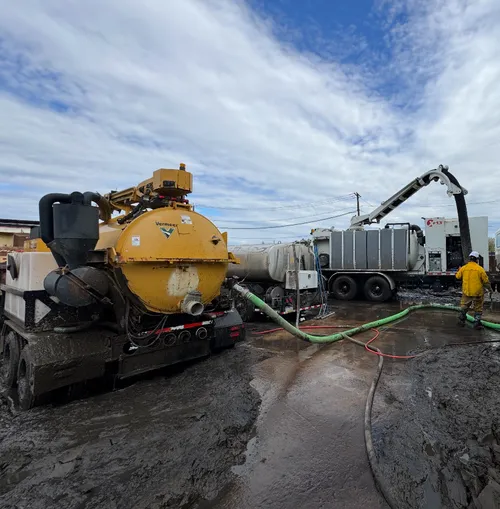
3. Tank Assessment: This is the core of the inspection. The inspector will pump the tank to accurately measure sludge and scum levels, which dictates the pump-out frequency. They will also inspect the tank's interior and exterior walls, baffles, and tees for damage.
4. Component and Drainfield Check: All mechanical components, including pumps, alarms, and distribution boxes, are tested. The drainfield is assessed for hydraulic performance; some inspectors may use a probe to check for clogging.
5. Reporting: You will receive a detailed report outlining the system's condition, any issues found, and recommended actions. For a Class H inspection, this report is filed with DNREC.
Find the perfect septic tank inspection companies for your needs
Get personalized recommendations and expert advice
Septic Inspection Costs in Delaware
Costs for a septic system evaluation in Delaware vary based on the type of inspection and system complexity.
- Routine Inspection: A standard maintenance inspection generally ranges from $200 to $900, depending on tank size, accessibility, and whether pumping is included.
- Class H Real Estate Inspection: For systems with an existing permit on file, a Class H inspection typically costs between $575 and $5958. If no permit is on file, fees can increase, sometimes with an additional $225 or more charged for the work required to locate and document the system8 9.
Remember, these are service fees. The cost for any required pumping is usually separate and based on tank capacity.
Permitting, Compliance, and Consequences
The regulatory framework in Delaware is a three-step process for new installations or major repairs: Site Evaluation (by a Class D soil scientist), System Design (by a Class B or C designer), and Installation (by a Class E contractor)10 11. Inspections are a part of maintaining compliance within this system.
Failure to comply with regulations, such as discharging untreated waste onto the ground or into state waters, is prohibited and can result in significant penalties12 13. Regular inspections help prevent such violations by catching problems early. Furthermore, local county regulations (in New Castle, Kent, or Sussex) may be stricter than state rules, so it's always advisable to check directly with the DNREC Division of Water for the most current local requirements14.
Maintaining Your System After Inspection
An inspection report is a roadmap for maintenance. The most common recommendation is pumping. Delaware guidance recommends a pump-out by a licensed Class F liquid waste hauler every 3 years, though the actual frequency depends on usage and the inspection findings15 16. Other common maintenance tips include:
- Conserving water to avoid overloading the system.
- Avoiding flushing non-biodegradable items.
- Not pouring grease, chemicals, or paints down the drain.
- Keeping vehicles and heavy structures off the drainfield.
- Diverting roof drains and surface water away from the system area.
Proper, consistent maintenance, guided by professional inspections, is the most effective way to extend the life of your septic system and avoid environmental hazards.
Frequently asked questions
Sources
Footnotes
-
What do we know about NCC Septic System Permitting ... - https://www.newcastlede.gov/DocumentCenter/View/28819/NCC-Council-Septic-12-11-18 ↩
-
Delaware Septic License & Certification | 2024 Contractor Guide - https://www.servicetitan.com/licensing/septic/delaware ↩
-
Maintaining Your Septic System - DNREC - Delaware.gov - https://dnrec.delaware.gov/water/residential/septic-systems/maintaining/ ↩
-
Sewage Treatment Systems - Delaware Public Health District - https://www.delawarehealth.org/wp-content/uploads/2017/08/New-Sewage-System-Owner-Packet.pdf ↩
-
Frequent Questions on Septic Systems | US EPA - https://www.epa.gov/septic/frequent-questions-septic-systems ↩
-
Septic Systems - DNREC - Delaware.gov - https://dnrec.delaware.gov/water/residential/septic-systems/ ↩
-
Septic System Inspection Reports - DNREC - Delaware.gov - https://dnrec.delaware.gov/water/digital-resources/septic-system-inspections/ ↩
-
Class H Real Estate - Septic Contracts Delaware | Willey & Co - https://www.willeyco.com/septic-inspections-maintenance/ ↩ ↩2
-
How Much Does a Septic Inspection Cost? [2026 Data] - Angie's List - https://www.angi.com/articles/septic-inspection-cost.htm ↩
-
Delaware Regulations - Title 7 7101 - https://regulations.delaware.gov/AdminCode/title7/7101 ↩
-
Delaware Regulations - Title 7 7101 - https://regulations.delaware.gov/AdminCode/title7/7101 ↩
-
What do we know about NCC Septic System Permitting ... - https://www.newcastlede.gov/DocumentCenter/View/28819/NCC-Council-Septic-12-11-18 ↩
-
Delaware Regulations - Title 7 7201 - https://regulations.delaware.gov/AdminCode/title7/7201 ↩
-
Delaware Septic Tank Requirements - https://septiccalculator.com/states/de ↩
-
Delaware Septic Tank Requirements | On-Site Wastewater ... - https://www.ntotank.com/blog/delaware-septic-tank-requirements ↩
-
On-Site Wastewater Treatment and Disposal Systems - https://documents.dnrec.delaware.gov/fab/Documents/Non-Pont%20Source%20Program%20Funding/Regulatory%20requirements%20link.pdf ↩