Find the Best Septic Tank Inspection Companies for Your Business
No obligation • Fast responses • Nationwide coverage

Why you can trust Septic Spot
Septic Spot is a leading United States resource for understanding and comparing septic services. Our editors review providers using consistent criteria and verify key business details. Listings and scores are independent, and companies cannot pay to influence our content.
Search providers near you
Best Septic Tank Inspection Companies in Hawaii Ranked
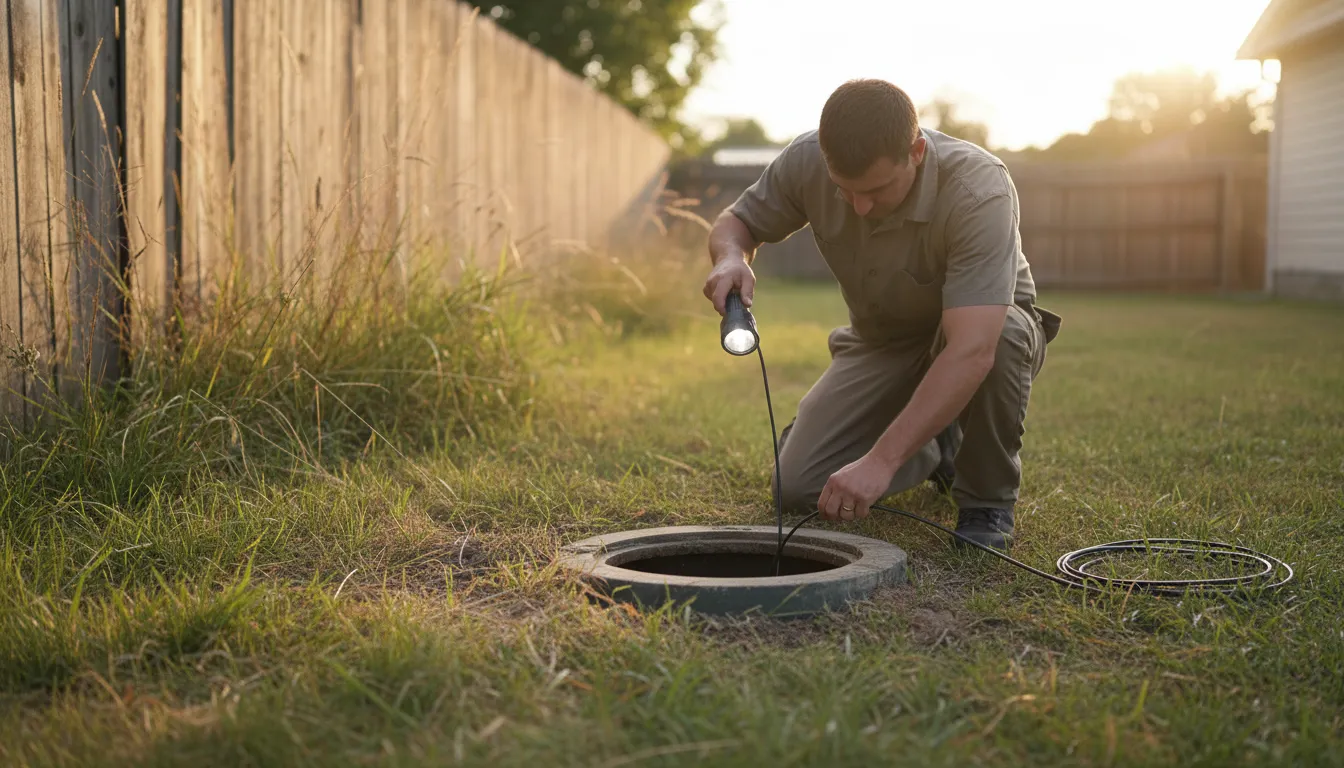
A septic system inspection is a professional evaluation of your home's on-site wastewater treatment system. In Hawaii, where many properties rely on these individual systems, a thorough inspection is crucial for protecting your investment, ensuring public health, and safeguarding the islands' delicate environment. This guide explains the local requirements, processes, and benefits of septic evaluations, helping you understand when to schedule one and how to find qualified professionals to assess your system.
Why Inspect Your Septic System in Hawaii?
Regular septic system inspections are a key part of responsible homeownership in the Aloha State. Unlike a municipal sewer connection, your septic system is a private treatment plant buried on your property. A malfunctioning system can lead to sewage backups in your home, foul odors, and contamination of groundwater and nearby streams or ocean waters. Given Hawaii's unique geology and the statewide mandate to convert all cesspools by 2050 1, proactive inspection and maintenance are more important than ever. An inspection provides peace of mind, can prevent costly emergency repairs, and is often a required step in real estate transactions.
Hawaii's Septic System Regulations & The Cesspool Conversion Law
Hawaii's Individual Wastewater Systems (IWS) are regulated by the state's Department of Health (DOH). All new systems must be designed by a licensed professional engineer, permitted by the DOH, and installed by a licensed contractor. For existing systems, while the state does not mandate routine inspections for all standard septic tanks, it strongly recommends them.
The most significant regulatory driver for inspections is Act 125, which requires that all of Hawaii's estimated 88,000 cesspools be upgraded to septic systems or connected to sewer lines by January 1, 2050. Furthermore, an immediate upgrade is legally required if a cesspool is found to be failing, not treating sewage adequately, or if a building expansion adds a bedroom. This law makes pre-purchase inspections for properties with cesspools critically important and is a major reason for the growing demand for system evaluations and upgrades across the islands.
When is a Septic Inspection Needed?
Knowing when to schedule a system check can save you from major headaches and expenses.
- Routine Maintenance: The Hawaii DOH and industry experts recommend a standard septic system inspection approximately every five years. This proactive check can identify minor issues before they become system failures.
- Before Buying a Home: This is one of the most common reasons for an inspection. A thorough septic evaluation is a vital part of your due diligence, especially on islands like Kauai where many homes rely on older systems 2. It can reveal the system's condition, type, and remaining lifespan, potentially affecting your offer or sale terms.
- Selling a Home: Providing a recent, clean inspection report can make your property more attractive to buyers and streamline the transaction process.
- Suspected Problems: Signs like slow drains, sewage odors in the yard, unusually lush grass over the drain field, or gurgling sounds in plumbing all warrant an immediate professional inspection.
- System Pumping: While pumping (typically recommended every 3-5 years) is not a full inspection, it is an opportune time for a technician to assess the tank's interior and note any potential issues 3.
- For Aerobic Treatment Units (ATUs): If your property uses a more complex ATU system, state rules require it to be inspected by a certified operator at least every six months 4.
What Does a Professional Inspection Involve?
A comprehensive septic inspection in Hawaii goes beyond just looking at the tank. A qualified inspector will typically follow a multi-step process:
- Record Search & Site Evaluation: The inspector reviews any available system permits and "as-built" diagrams from the DOH. They assess the property layout, location of the tank and drain field, and look for visible signs of trouble like soggy soil or effluent surfacing.
- Locating & Exposing the Tank: Using probes and records, the inspector finds and uncovers the tank's access lids.
- Tank Inspection: The inspector measures scum and sludge layers to determine if pumping is needed. They check the tank's structural integrity, inlet and outlet baffles, and look for cracks or leaks.
- Hydraulic Load Test: This is a critical part of a real estate inspection. The inspector runs a substantial amount of water through the household plumbing to "load" the system and observe how the drain field absorbs and disperses the effluent. This test helps identify a failing drain field.
- Drain Field Assessment: The inspector examines the entire drain field area for signs of saturation, breakthrough, or improper drainage.
- Component Check: All mechanical components, including pumps, alarms, and electrical connections (especially for ATUs), are tested for proper operation.
- Detailed Report: You receive a written report detailing the system's condition, any deficiencies found, required repairs, and recommendations for maintenance or pumping.
Find the perfect septic tank inspection companies for your needs
Get personalized recommendations and expert advice
Understanding Inspection Costs in Hawaii
The cost of a septic inspection in Hawaii varies based on the system's complexity, location, and purpose. A standard maintenance inspection may be on the lower end of the scale, while a full inspection for a real estate transaction, which includes a hydraulic load test, will cost more.
On average, you can expect a private septic inspection in Hawaii to cost roughly $550, with a typical range between $200 and $900+ 5. Factors influencing price include:
- Island & Accessibility: Remote locations or properties with difficult access may incur higher travel fees.
- System Type: Inspecting a basic septic tank is standard. Evaluating an ATU, mound system, or other advanced treatment unit requires more expertise and time.
- Scope of Work: A simple tank check is less expensive than a full inspection with a hydraulic load test and comprehensive report.
- Real Estate Context: Inspections for mortgage lending often must meet specific lender criteria, which can affect the price.
It's important to distinguish inspection costs from repair or installation costs. If an inspection reveals a failing system or the need for a cesspool conversion, complete installation or upgrade costs can be significant, often ranging from $8,000 to $20,000 or more, depending on the site conditions and technology required 6.
Finding a Qualified Hawaii Septic Inspector
Choosing the right professional is essential for an accurate assessment. Look for the following:
- Licensing: In Hawaii, septic system installation must be performed by a contractor with a specific license (A, C-9, C-37, C-37a, or C-43) 7. While there is no specific "septic inspector" license, reputable inspectors often hold these contractor licenses or work closely with licensed engineering firms that design and permit systems.
- Experience & Local Knowledge: Hawaii's volcanic soil, high water tables, and unique regulations require inspectors familiar with local challenges. Ask how long they've been inspecting systems in your specific county.
- Comprehensive Service: Ensure they offer a full inspection that includes locating all components, evaluating the tank structure, and performing a hydraulic load test on the drain field, not just a quick tank check.
- References & Reviews: Check online reviews and ask for references from past clients, especially those who had inspections for home purchases.
- Detailed Reporting: They should provide a clear, written report with photos and explicit recommendations.
Always get a detailed written estimate before work begins and confirm what is included in the inspection fee.
The Consequences of a Failing System
Ignoring your septic system can lead to serious outcomes. According to Hawaii administrative rules, a system is considered failing if the tank requires pumping more than twice in a 12-month period to prevent backups, or if it causes pollution of groundwater or surface water 8 9. A failure can result in:
- Health Hazards: Exposure to untreated sewage poses risks to your family and community.
- Environmental Damage: Nutrient and pathogen pollution can harm streams, coral reefs, and drinking water sources.
- Costly Enforcement: The DOH can require you to repair or replace a failing system, often on an urgent timeline.
- Property Damage: Sewage backups can ruin floors and personal belongings, and a failed drain field may require costly excavation and landscaping repairs.
- Failed Real Estate Transaction: An unsatisfactory inspection can derail a home sale or purchase.
Regular inspection is the most effective way to avoid these scenarios and ensure your system operates safely and efficiently for years to come.
Frequently asked questions
Sources
Footnotes
-
General Info and FAQ | Wastewater Branch - https://health.hawaii.gov/wastewater/home/general-info-and-faq/ ↩
-
Yes - You Should Absolutely Get a Septic Inspection When ... - https://www.hawaiilife.com/blog/yes-you-should-absolutely-get-a-septic-inspection-when-buying-a-home-on-kaua%CA%BBi/ ↩
-
WASTEWATER FAQS | Kauai District Health Office - https://health.hawaii.gov/kauai/wastewater-faqs/ ↩
-
Haw. Code R. § 11-62-33.1 - Specific requirements for new ... - https://www.law.cornell.edu/regulations/hawaii/Haw-Code-R-SS-11-62-33-1 ↩
-
How Much Does a Septic Inspection Cost? [2026 Data] - Angie's List - https://www.angi.com/articles/septic-inspection-cost.htm ↩
-
Septic System Design Costs in Kauai: What to Expect - https://kauaiwastewatersolutions.com/blog/cost-of-septic-system-design-kauai/ ↩
-
pdf - Hawaii State Department of Health - https://health.hawaii.gov/wastewater/files/2024/01/Pilot_Inspection_Report_Redacted-002.pdf ↩
-
Hawaii Septic Tank Requirements | Individual Wastewater ... - https://www.ntotank.com/blog/hawaii-septic-tank-requirements ↩
-
Chapter 11-62, Hawaii Administrative Rules (Unofficial) - https://health.hawaii.gov/wastewater/home/rule/ ↩