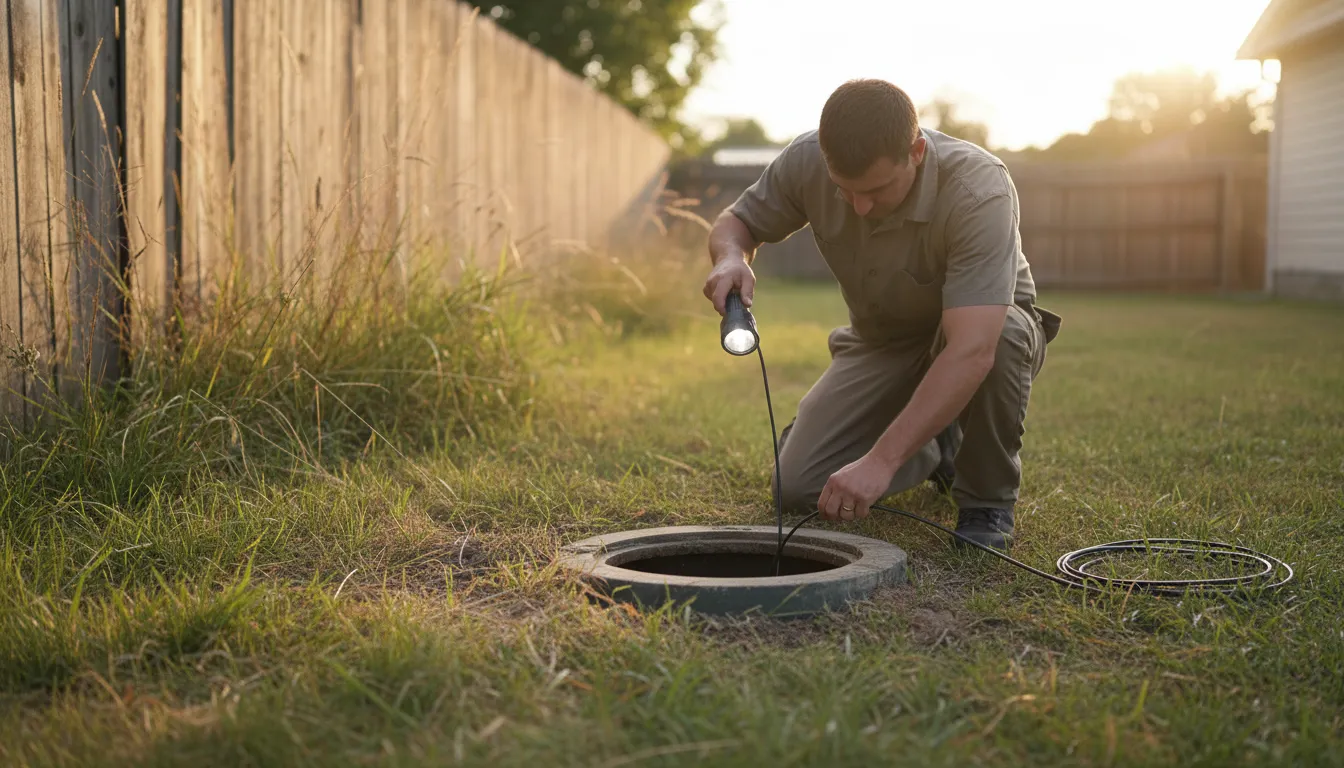
Find the Best Septic Tank Inspection Companies for Your Business
No obligation • Fast responses • Nationwide coverage

Why you can trust Septic Spot
Septic Spot is a leading United States resource for understanding and comparing septic services. Our editors review providers using consistent criteria and verify key business details. Listings and scores are independent, and companies cannot pay to influence our content.
Search providers near you
Best Septic Tank Inspection Companies in Indiana Ranked
A septic tank inspection is a professional assessment of your home's on-site wastewater system. It's a critical service for maintaining your property's value, ensuring environmental safety, and protecting your family's health. In Indiana, these inspections are governed by specific state and local health codes, making it essential to find a qualified local professional who understands the regulations. This guide will help you understand the process, costs, and requirements for septic system inspections in the Hoosier State so you can make informed decisions about your property.
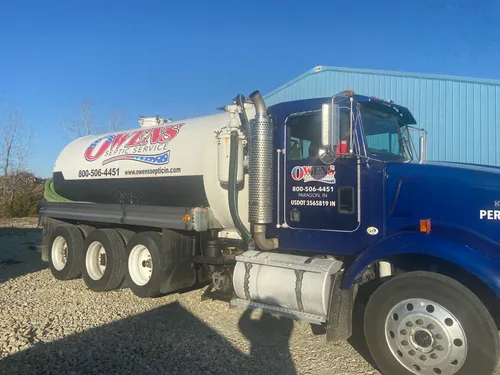
Owens Septic Service
8541 N 850 W, Fairland, IN 46126
Owens Septic Service offers septic tank pumping, inspection, and pump repair or replacement in Indianapolis, IN. With over 30 years of experience, they provide comprehensive septic system maintenance, including lift station upkeep, septic riser installation, and grease trap pumping for commercial kitchens. Their services focus on maintaining efficient wastewater flow and preventing system failures through regular inspections and pump-outs.
AllCheck Inspections
4519 N Franklin Rd Suite A, Indianapolis, IN 46226
AllCheck Inspections is a home inspection company based in Indianapolis, IN, offering a range of inspection services including septic system testing, termite inspection, radon testing, water testing, mold testing, and indoor air quality testing. They serve Indianapolis and surrounding Central Indiana communities such as Carmel, Fishers, and Noblesville. The company provides detailed and unbiased reports to help buyers and sellers understand the condition of a property before making decisions. AllCheck Inspections emphasizes clear communication and thorough inspections to support informed home buying and selling.
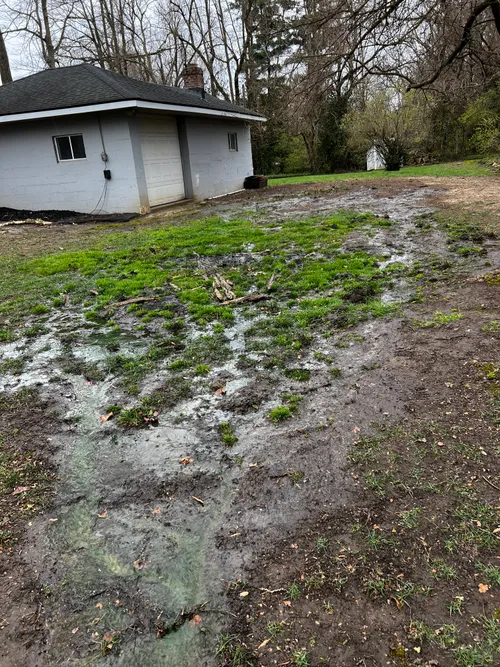
Patriot Home and Septic Inspections LLC
Indianapolis, IN
Patriot Home and Septic Inspections LLC is a veteran-owned business based in Indianapolis, IN, specializing in septic system inspections primarily for real estate transactions. They serve home buyers, sellers, listing agents, home inspection companies, and septic companies by providing comprehensive septic inspections and detailed reports. The company is certified by the Indiana Onsite Wastewater Professionals Association (IOWPA) and focuses on identifying issues such as root intrusion, corrosion, and system leaks that standard home inspections may miss. Their expertise helps clients understand the condition of septic systems, which can last 25 to 40 years depending on maintenance and environmental factors.
Purge Environmental
10625 Deme Dr D, Indianapolis, IN 46236
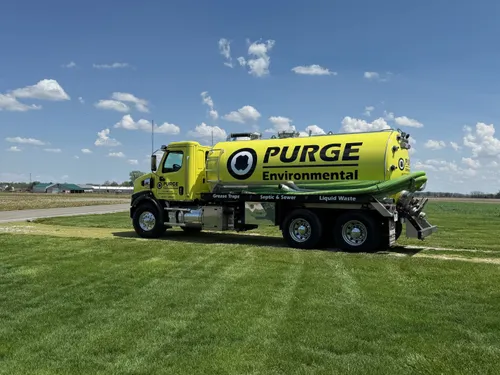
Purge Environmental is a locally owned and operated company based in Indianapolis, IN, specializing in septic tank pumping, inspection, and repair services. They offer residential and commercial solutions including septic tank cleaning, grease trap pumping, lift station maintenance, and industrial wastewater hauling. Their services cover Central and Eastern Indiana, focusing on environmentally responsible waste management. Purge Environmental provides 24/7 emergency pumping services to address urgent septic issues promptly. Their trained technicians follow a thorough twenty-point inspection process and dispose of waste at IDEM-approved facilities, ensuring compliance and eco-friendly practices.
Restorex Septic Solutions
6616 E S R 144, Mooresville, IN 46158
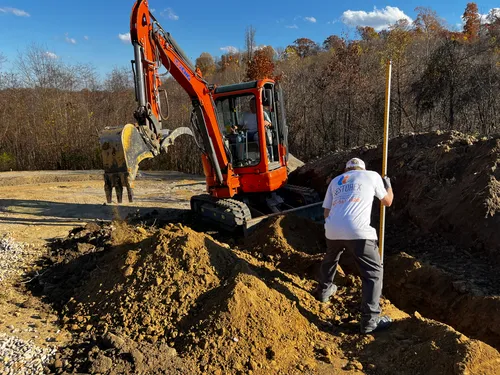
Restorex Septic Solutions provides residential and commercial septic services in Indianapolis, IN. Their offerings include septic tank pumping, inspections, repairs, and installations to maintain proper waste management and comply with environmental regulations. The company addresses issues such as backups, odors, and slow drains to help preserve property sanitation and occupant health. Restorex Septic Solutions is available to assist with septic system problems whenever needed, working with clients and insurance companies to manage repairs efficiently.
Why Septic Inspections Are Crucial in Indiana
Your septic system is an out-of-sight, but vital, component of your home. A failing system can lead to sewage backups in your house, contamination of groundwater and nearby wells, and costly environmental hazards. In Indiana, where many homes rely on private wells and septic systems, proper maintenance is not just a recommendation-it's a responsibility. Regular system evaluations help catch minor issues like a failing baffle or excessive sludge before they become major, expensive repairs or public health concerns 1. Furthermore, local health departments require verification of a system's functionality for any property expansion or transfer, making a professional assessment a necessary step for many homeowners 2 3.
Indiana's Regulatory Framework: 410 IAC 6-8.3
All septic system work in Indiana, including inspections tied to permits, falls under the state rule 410 IAC 6-8.3. This code is administered and enforced by your local County Health Department (LCHD). Understanding this framework is key because it dictates who can perform work, what standards must be met, and when official permits and inspections are required.
Key aspects of the rule include:
- Permit Requirements: A permit from the LCHD is mandatory for the installation of a new system, the repair or replacement of an existing system, and for adding bedrooms to a home (which increases the system's design load).
- System Design: New or replacement systems require a site evaluation, often including soil borings, to design a system appropriate for the property's soil type and topography.
- Approved Materials: Tanks must be watertight and constructed of approved materials like concrete, fiberglass, or plastic. Metal tanks are not permitted 4.
- Abandonment: If a tank is taken out of service, it must be properly pumped out and filled with a stable material like soil or sand to eliminate a collapse hazard 5.
Types of Septic System Inspections
Not all septic checks are the same. The scope and depth of the inspection depend on your goal.
Routine Maintenance Inspection
This is a proactive check-up recommended every three years. A service professional will typically:
- Locate and access the tank and distribution box.
- Pump the tank (which is generally needed every 3-5 years).
- Inspect the tank's inlet and outlet baffles for integrity.
- Measure sludge and scum layers to determine pumping frequency.
- Visually assess the tank structure for cracks or leaks.
- Check the drain field area for signs of failure, such as soggy soil or surfacing sewage.
Real Estate (Transfer) Inspection
This is a more comprehensive evaluation often required during the sale of a property. Its purpose is to provide a definitive report on the system's current functionality and compliance for the buyer, seller, and lender. In addition to the items in a routine inspection, it may involve:
- A more detailed assessment of the drain field, sometimes using a flush test or camera.
- Verifying the system's design capacity matches the home's bedroom count.
- Checking for unpermitted components or modifications.
- Providing a detailed report suitable for real estate disclosures and health department reviews.
Inspection for a Permit or Repair
If you're applying for a permit to repair your system or add a bedroom, the local health department will require an inspection. This inspection verifies the existing system's condition and capacity to inform what repairs or upgrades are necessary to meet code. A professional inspector can identify the specific issue (e.g., a clogged leach field, broken pipe, or failing tank) and outline the repair path that will be acceptable to the health department 6.
Find the perfect septic tank inspection companies for your needs
Get personalized recommendations and expert advice
What to Expect During the Inspection Process
Hiring a qualified inspector gives you peace of mind. Here's a typical process:
- Scheduling and Preparation: You'll schedule an appointment and provide any available records about your system (previous inspection reports, permit copies). Clear access to the tank lids and distribution box is crucial.
- Site Evaluation: The inspector locates all system components. They may use probe rods or electronic locating equipment if lids are buried.
- Tank Access and Pumping: For a thorough inspection, the tank usually needs to be pumped. This allows the inspector to see the tank walls, bottom, and baffles clearly 7.
- Component Inspection: The inspector examines the tank's interior and exterior, checks pumps and alarms (if present), and assesses the drain field for proper drainage.
- Reporting: You will receive a written report detailing the findings, including sludge/scum levels, any defects found (cracks, baffle issues), the overall system condition, and any recommended actions or repairs.
Understanding Inspection Costs in Indiana
The cost of a septic system evaluation in Indiana varies based on the type of inspection and the system's size and complexity.
- Routine Maintenance Inspection: Often performed in conjunction with pumping, a basic inspection typically ranges from $200 to $900, with an average cost around $550.
- Detailed Real Estate Inspection: This more in-depth service can cost up to $1,300, depending on the need for excavation, camera scoping, or specialized testing 8 9.
Remember, while cost is a factor, the inspector's qualifications, experience, and familiarity with local Indiana codes are paramount. A cheap, incomplete inspection can lead to vastly more expensive problems down the road.
Choosing a Qualified Indiana Septic Inspector
Since septic work is regulated at the county level, you need a professional who knows your local health department's specific requirements. Look for:
- Licensing/Registration: In Indiana, septic system installers must be registered with the state. While inspectors aren't always separately licensed, many are registered installers or work for licensed septic service companies. Hiring a professional registered with the Indiana State Department of Health ensures they understand code compliance 10.
- Experience and Reputation: Choose a company with a long track record in your county. Read reviews and ask for references.
- Insurance: Ensure the inspector carries general liability insurance.
- Detailed Reporting: They should provide a clear, written report with photos, not just a verbal summary.
- Local Knowledge: They should be familiar with your local health department's inspectors and processes, which can streamline any permitting or repair follow-up.
Maintaining Your System Between Inspections
A professional inspection every three years is essential, but daily care extends your system's life. Follow these best practices:
- Conserve Water: Fix leaks and spread out laundry loads to avoid overwhelming the drain field.
- Mind What You Flush: Only human waste and toilet paper should go down the drain. Never flush wipes (even "flushable" ones), feminine hygiene products, grease, or chemicals.
- Protect the Drain Field: Never park or build over the leach field. Keep roof drains and sump pumps directed away from it.
- Keep Records: Maintain a file of all inspection reports, pumping receipts, and permit documents. This is invaluable for home sales and troubleshooting.
Frequently asked questions
Sources
Footnotes
-
How to Care for Your Septic System | US EPA - https://www.epa.gov/septic/how-care-your-septic-system ↩
-
Indiana Septic Tank Requirements | On-Site Sewage Systems - https://www.ntotank.com/blog/indiana-septic-tank-requirements ↩
-
Septic Systems - Greene County, Indiana - https://www.co.greene.in.us/topic/index.php?topicid=48&structureid=23 ↩
-
Septic Information | Lagrange County Health Department - https://lagrangecountyhealth.com/index.php/programs/septic-information/ ↩
-
CHAPTER 51. - SEWAGE AND SEPTIC SYSTEMS REGULATIONS | ... - https://library.municode.com/in/st._joseph_county/codes/code_of_ordinances?nodeId=TITVPUWO_CH51SESESYRE ↩
-
Septic Permits - Elkhart County Health Department - https://health.elkhartcounty.com/en/environmental-health/about-environmental-health/septic-permits/ ↩
-
What to Expect from a Septic Inspection - https://www.wrenvironmental.com/blog/2023/may/what-to-expect-from-a-septic-inspection/ ↩
-
How Much Does a Septic Inspection Cost? [2026 Data] - Angie's List - https://www.angi.com/articles/septic-inspection-cost.htm ↩
-
Septic Tank Inspection Cost: Here's The 2026 Average - https://ibuyer.com/blog/how-much-is-a-septic-tank-inspection/ ↩
-
RESIDENTIAL ONSITE SEPTIC PERMIT PROCESS - https://rushcounty.in.gov/wp-content/uploads/2021/07/RESIDENTIAL-ONSITE-SEPTIC-PERMIT-PROCESS-1.pdf ↩