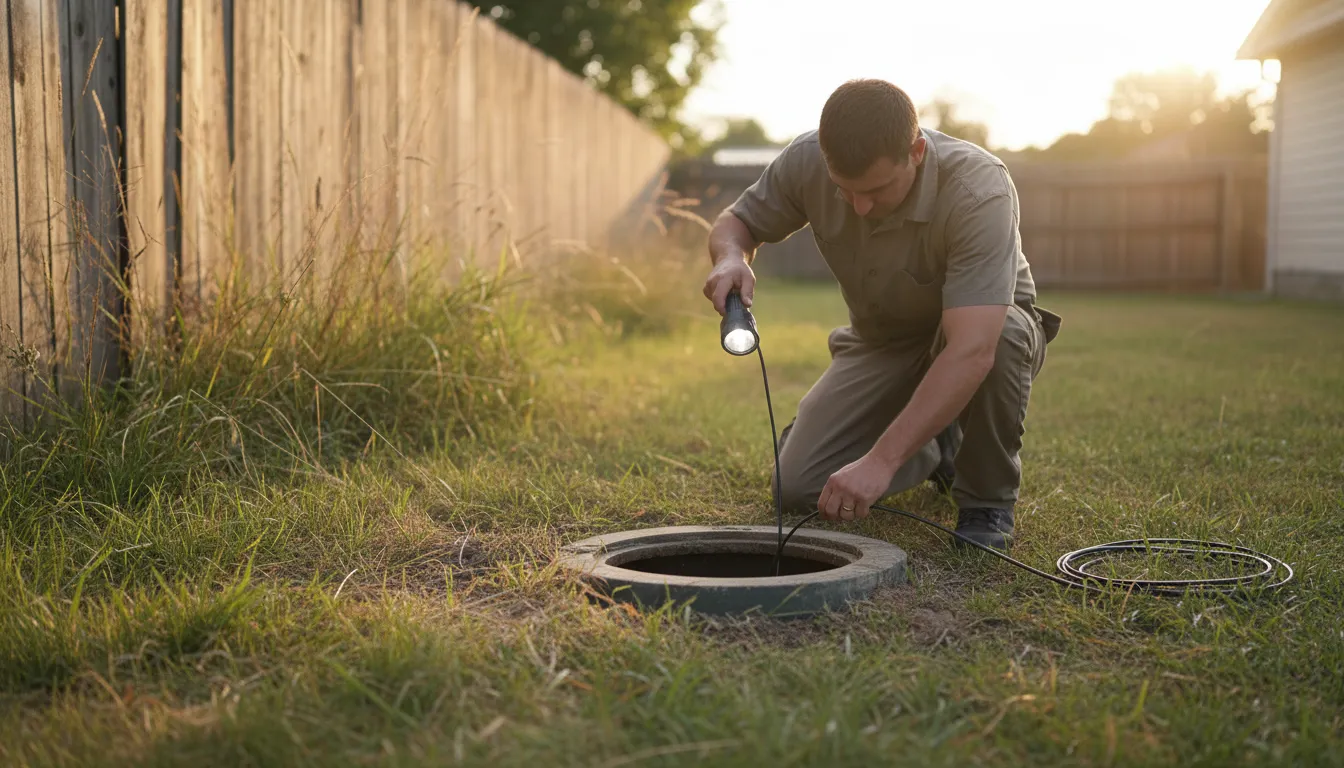
Find the Best Septic Tank Inspection Companies for Your Business
No obligation • Fast responses • Nationwide coverage

Why you can trust Septic Spot
Septic Spot is a leading United States resource for understanding and comparing septic services. Our editors review providers using consistent criteria and verify key business details. Listings and scores are independent, and companies cannot pay to influence our content.
Search providers near you
Best Septic Tank Inspection Companies in Missouri Ranked
A septic tank inspection is a professional evaluation of your on-site wastewater system's condition and functionality. In Missouri, these assessments are crucial for protecting your property value, ensuring public health, and complying with state and local regulations. Whether you're a homeowner maintaining your system, a buyer in a real estate transaction, or a seller preparing your property, understanding the inspection process helps you find qualified local professionals to perform this essential service.
Complete Inspection, LLC
Springfield, MO
Complete Inspection, LLC is a septic tank inspection company based in Springfield, MO. They offer detailed home and property inspections using advanced methods such as drone-assisted inspections, infrared technology, and multi-media reporting. The inspector is certified by ASHI, InterNACHI, and NRPP, ensuring adherence to recognized standards and ethics. This company focuses on identifying hidden issues that might not be visible during a standard walkthrough to help clients make informed decisions before purchasing property.
Mirowski Inspections
1500 E St Louis St, Springfield, MO 65802
Mirowski Inspections is a septic tank inspection company based in Springfield, MO, offering a wide range of property inspection services for both residential and commercial clients. Their certified inspectors provide thorough evaluations of septic, lagoon, well, and water systems, supported by credentials such as Missouri Department of Health & Senior Services OWTS certification and ASHI certification. The company emphasizes professional standards and technical expertise, including advanced thermographic inspections to detect hidden issues. Mirowski Inspections is committed to delivering detailed and reliable inspection results to support property health and safety.
Barnes Plumbing and Septic
3861 N Grindstone Cir, Lathrop, MO 64465
Barnes Plumbing and Septic provides plumbing and septic services for residential and commercial properties in Kansas City, MO, as well as Saint Joseph and Lathrop. Their offerings include septic tank inspections, repairs, and installations, along with a wide range of plumbing solutions such as water heaters, faucets, and water filtration systems. The company uses industry-standard techniques and quality materials to ensure reliable system performance. They are fully licensed and insured, serving the community with a focus on tailored, long-lasting solutions.
Affordable Property Inspections
734 W Kearney St, Springfield, MO 65803
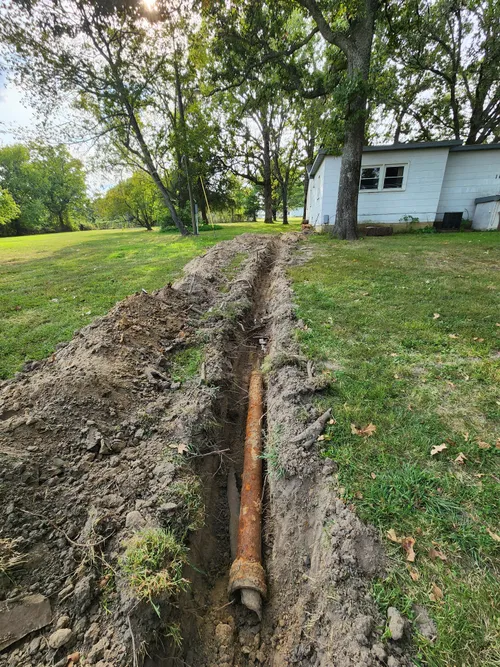
Affordable Property Inspections is a septic tank inspection company based in Springfield, MO. They provide a range of property inspection services including septic tank inspections, thermal imaging, drone inspections, and water quality testing. Their inspections help identify potential issues in residential and commercial properties across several counties in Southwest Missouri. The company is certified by InterNACHI and has completed over 10,000 inspections, demonstrating extensive experience in the field.
Honey-Wagon Septic And Grease
19546 Metcalf Ave c, Stilwell, KS 66085
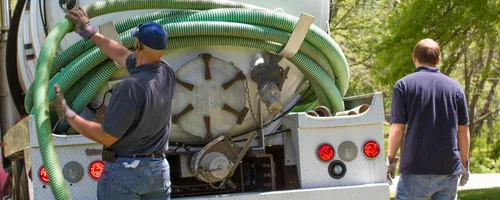
Honey-Wagon Septic And Grease is a family-owned company based near Kansas City, MO, specializing in septic tank pumping, grease trap cleaning, and septic system repairs. With nearly 40 years of experience, they serve both residential and commercial customers across Miami, Wyandotte, and Johnson counties in Kansas, as well as Jackson and Cass counties in Missouri. Their certified septic inspectors are available five days a week to assist with inspections and maintenance. The company is fully licensed, bonded, and insured, offering services such as septic tank pumping, holding tank pumping, septic system repairs, and installation of septic risers.
Why Septic System Inspections Are Important in Missouri
Missouri has diverse soil types and topography, which directly impacts how septic systems are designed and how they perform. Regular evaluations are not just a good idea-they are often a legal requirement. Inspections help prevent system failures that can lead to costly repairs, environmental contamination, and health hazards. For rural and suburban properties not connected to municipal sewer lines, a functioning septic system is a critical component of the home's infrastructure. Proactive checks can identify minor issues before they escalate into major problems, saving homeowners thousands of dollars 1.
Missouri Regulations Governing Septic Systems
All septic systems in Missouri must comply with standards set by the Missouri Department of Health and Senior Services (DHSS). Local county health departments are the primary permitting and enforcement authorities. Key regulatory points include:
- Permit Requirement: A construction permit from the local county health department is mandatory before installing, repairing, or significantly altering any septic system.
- System Setbacks: Strict distance rules protect water sources. For example, a septic tank must be at least 50 feet from a private water well, and the drain field (disposal area) must be at least 100 feet away 2.
- Installation Standards: Even pipe specifications are regulated. The line from the house to the tank must be a minimum grade of SDR 35 pipe with a slope of at least 1/8 inch per foot. Schedule 40 pipe is often required for the first 10 feet entering and exiting the tank 3.
- Property Transfer Inspections: Many counties in Missouri require a passing septic inspection as a condition for the sale of a property. This protects the buyer and is a standard part of real estate due diligence 4.
When to Get a Septic Inspection
Scheduling an inspection at the right times is key to responsible homeownership.
- Routine Maintenance: The U.S. Environmental Protection Agency (EPA) recommends having your septic system inspected at least every three years5. Tanks typically need pumping every 3 to 5 years, but an inspection will determine the exact need based on sludge and scum levels.
- During Real Estate Transactions: This is one of the most common reasons for an inspection. Buyers should always include a septic inspection contingency in their offer. Sellers can benefit from a pre-listing inspection to identify and address issues beforehand, smoothing the sale process 6 7.
- Before Major Home Additions: If you plan to add a bedroom or significantly increase your home's water usage, an inspection can determine if your existing system can handle the additional load.
- Signs of Trouble: Be alert to warning signs like slow drains, sewage backups, foul odors indoors or outdoors, unusually lush grass over the drain field, or standing water in the yard.
What a Comprehensive Inspection Involves
A proper septic system evaluation in Missouri goes beyond just checking the tank. A qualified inspector will follow a systematic process:
- Record Review & Site Evaluation: The inspector will review any available system permits, "as-built" diagrams, and maintenance records. They will also note the system's age and visually assess the property for signs of trouble.
- Tank Access and Pumping: The tank lids are located and exposed. Often, the tank is pumped during the inspection to allow for a thorough internal examination. This is a good opportunity for routine maintenance.
- Internal Tank Inspection: With the tank empty, the inspector checks for:
- Sludge and Scum Levels: Measuring these layers determines how soon pumping is needed.
- Structural Integrity: Looking for cracks, leaks, or corrosion in the concrete, fiberglass, or plastic tank.
- Baffles and Outlets: Ensuring inlet and outlet baffles are intact and functional to prevent solids from entering the drain field.
- Drain Field Assessment: The inspector will examine the drain field area for surfacing effluent, soggy ground, or overly vigorous plant growth, which indicate failure or clogging.
- Full System Flow Test: Water is run through the household plumbing to check for backups and to ensure the system accepts and disperses water properly from the house to the tank and out to the drain field.
- Detailed Report: You will receive a written report detailing the findings, any deficiencies, required repairs, and recommendations for ongoing maintenance.
Find the perfect septic tank inspection companies for your needs
Get personalized recommendations and expert advice
Understanding Inspection Costs in Missouri
The cost of a septic inspection in Missouri varies based on the system's size, complexity, and the inspection's depth. Here's a general breakdown:
- Standard Routine Inspection: A basic inspection, often coupled with tank pumping, typically ranges from $200 to $900, with an average cost around $550.
- Real Estate Transaction Inspection: More detailed evaluations required for property sales can cost more, sometimes reaching up to $1,300, depending on the need for excavation, camera scoping of lines, or additional tests 8.
- Permit Fees: Local health department fees are separate. For example, permit fees can be $125 in Cape Girardeau County and $150 in Monroe County 9 10.
- Annual Maintenance Cost: Budgeting $200 to $500 per year for routine inspection and pumping is a wise investment. This is minimal compared to the $10,000 or more it can cost to replace a failed drain field or entire system 11 12.
Choosing a Qualified Inspector in Missouri
Not all inspectors are equal. To ensure a thorough and reliable assessment:
- Check Credentials: Look for inspectors who are licensed or registered with the state of Missouri. Many are also certified by organizations like the National Association of Wastewater Technicians (NAWT).
- Local Experience: Choose a professional familiar with your specific county's regulations and common soil conditions. Local health departments can sometimes provide lists of registered installers and inspectors.
- Scope of Service: Confirm exactly what the inspection includes. Does the quoted price cover pumping the tank? Does it include a full flow test and drain field evaluation? Get this in writing.
- Sample Report: Ask to see a sample inspection report to ensure it is comprehensive, clear, and includes photos.
- Insurance: Verify the inspector carries general liability insurance.
Maintaining Your System After Inspection
An inspection provides a snapshot of your system's health. To protect your investment:
- Pump Regularly: Follow the inspector's recommendation for pumping frequency.
- Conserve Water: Fix leaks and spread out laundry loads to avoid overloading the system.
- Mind What You Flush: Only human waste and toilet paper should go down the drain. Avoid chemicals, grease, diapers, wipes (even "flushable" ones), and coffee grounds.
- Protect the Drain Field: Never park vehicles or build structures over it. Divect rainwater drainage away from the area.
- Keep Records: Maintain a file of all inspection reports, pumping receipts, and repair records. This is invaluable for future maintenance and if you sell your home.
Frequently asked questions
Sources
Footnotes
-
Essential Septic System Inspection Guide for Homeowners - Smart Septic Pros - https://smartsepticpros.com/blog/septic-system-inspection-for-homeowners/ ↩
-
Stone County Missouri Septic System Regulations - Envirotek Systems - https://enviroteksystems.com/septic-systems-branson-mo/stone-county-regulations/ ↩
-
Septic System Requirements - Columbia, MO - https://www.como.gov/wp-content/uploads/2021/03/Septic-System-Requirements-2020-fees-pdf.pdf ↩
-
Resources | Onsite Wastewater Treatment | Health & Senior Services - Missouri DHSS - https://health.mo.gov/living/environment/onsite/resources.php ↩
-
How to Care for Your Septic System | US EPA - https://www.epa.gov/septic/how-care-your-septic-system ↩
-
What to Expect from a Septic Inspection - WR Environmental - https://www.wrenvironmental.com/blog/2023/may/what-to-expect-from-a-septic-inspection/ ↩
-
Septic System Inspections in CoMo - NPI - https://npiweb.com/como/services/septic-inspections/ ↩
-
How Much Does A Well And Septic Inspection Cost In Missouri? - ARC Home Inspections - https://arc-homeinspections.com/well-septic-inspection-cost/ ↩
-
Wastewater & Septic System Inspections - Monroe County Health Department - https://monroecountyhealth.com/wastewater-septic-system-inspections/ ↩
-
On-Site Sewage - Cape Girardeau County Public Health Center - https://www.capecountyhealth.com/on-site-sewage.php ↩
-
An Onsite Wastewater Treatment System Owner's Manual - Missouri DHSS - https://health.mo.gov/living/environment/onsite/pdf/SystemOwnersManual.pdf ↩
-
How Much Does a Septic Inspection Cost? [2026 Data] - Angie's List - https://www.angi.com/articles/septic-inspection-cost.htm ↩