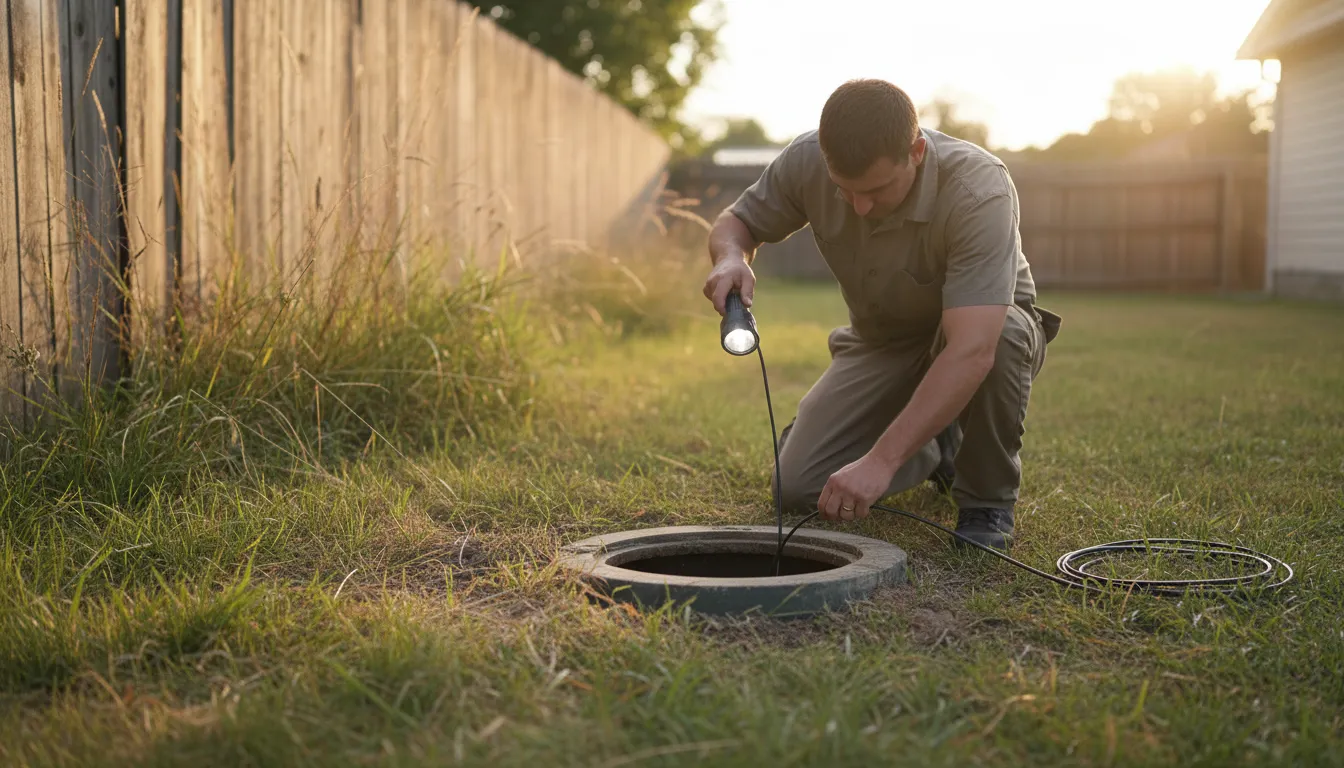
Find the Best Septic Tank Inspection Companies for Your Business
No obligation • Fast responses • Nationwide coverage

Why you can trust Septic Spot
Septic Spot is a leading United States resource for understanding and comparing septic services. Our editors review providers using consistent criteria and verify key business details. Listings and scores are independent, and companies cannot pay to influence our content.
Search providers near you
Top Septic Tank Inspection Companies in Southaven, Mississippi Ranked
A septic tank inspection is a professional evaluation of your entire on-site wastewater system to ensure it is functioning safely and efficiently. This process is crucial for protecting your property investment, maintaining public health, and preventing costly environmental contamination. For Southaven homeowners, understanding the local inspection process, regulations, and maintenance needs is key to responsible homeownership, and this guide will help you navigate finding qualified local professionals to perform this essential service.
ABC Plumbing & Septic Service
741 Lee Creek Rd, Byhalia, MS 38611
ABC Plumbing & Septic Service is a septic tank pumping, inspection, repair, and installation company serving Memphis, TN. With over 70 years of experience, they provide residential, commercial, and industrial septic services including hydrojetting, video inspection, and drain field repair. The company offers 24/7 emergency service and uses advanced equipment to ensure effective septic system maintenance and repairs.
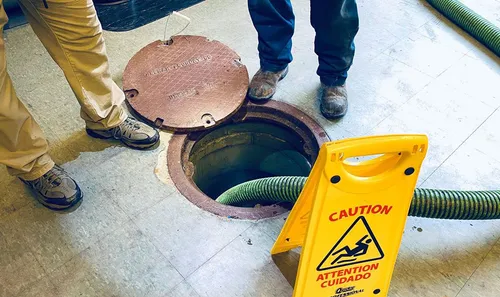
Mid South Septic, A Wind River Company
11284 Gulf Stream Rd, Arlington, TN 38002
Mid South Septic, A Wind River Company, provides septic tank pumping, inspection, and repair services in Memphis, TN. They serve residential, commercial, municipal, and industrial clients throughout the Mid-South region. The company offers comprehensive septic system care, including routine maintenance, in-depth inspections, and timely repairs to help extend system life and prevent costly issues. Established in the early 1999s, Mid South Septic combines local expertise with the resources of a national network. They also provide 24/7 service availability for urgent septic needs.
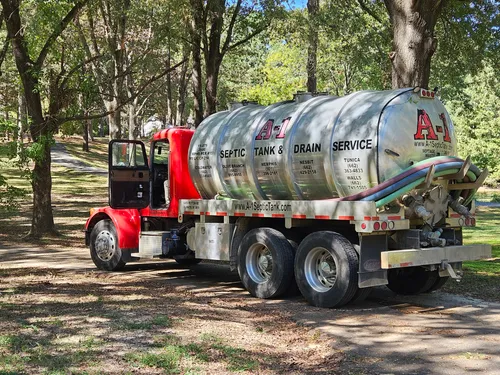
A-1 Septic Tank & Drain Service
6809 Peyton Rd, Coldwater, MS 38618
A-1 Septic Tank & Drain Service is a family-owned company serving Memphis, TN, and the surrounding Mid-South area. They provide septic tank cleaning, inspections, repairs, and maintenance for residential and commercial customers. The company uses certified professionals and modern techniques to diagnose and fix septic system issues, including pump repair and replacement. Established in 1983, A-1 Septic Tank & Drain Service offers 24-hour emergency services for commercial clients to address urgent septic problems promptly.
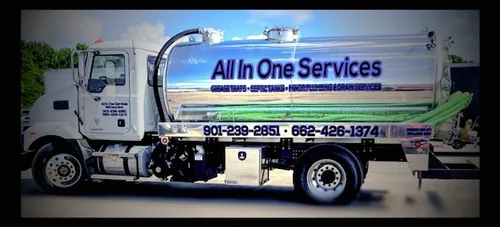
All In One Services
1651 Dancy Blvd #4b, Horn Lake, MS 38637
All In One Services is a family-owned business serving Memphis, TN, with over 20 years of experience in septic system care. They provide a range of services including septic tank pumping, inspections, repairs, and drain field replacement. The company uses hydro-jetting equipment to clear clogged sewer lines and offers expert advice based on thorough inspections to help maintain and extend the life of septic systems.
A-1 Septic Tank & Drain Services
Walls, MS 38680
A-1 Septic Tank & Drain Services is a family-owned company serving Memphis, TN, and the surrounding North Mississippi areas. They provide septic tank cleaning, inspections, repairs, and maintenance for both residential and commercial customers. The company uses modern technology to diagnose and fix septic system issues, including pump repairs and replacements. Established in 1983, A-1 Septic offers 24-hour emergency services for commercial clients to address urgent septic problems promptly.
Why Septic System Evaluations Matter in Southaven
While Mississippi state law does not mandate a septic system inspection for real estate transactions, the Mississippi State Department of Health (MSDH) strongly recommends them to protect both buyers and sellers. An inspection provides a clear snapshot of the system's health, identifying potential failures before they become emergencies. In DeSoto County, where many homes rely on private septic systems, regular checks are a cornerstone of protecting groundwater quality and preventing backups that can damage your home and yard. Proactive maintenance based on inspection findings is always more affordable than emergency repairs.
Understanding Mississippi and Local Regulations
Septic system oversight in Southaven falls under the jurisdiction of the MSDH through your local county environmentalist 1. The state has established specific construction and performance standards that all systems must meet. For instance, septic tanks must have walls at least 3 inches thick and secure, watertight lids to prevent surface water from infiltrating and overloading the system.
A key regulatory point for homeowners is regarding Aerobic Treatment Units (ATUs). If your property uses this type of alternative system, Mississippi regulations require that any inspection to verify proper function must be conducted by a factory-authorized representative, not just any septic service provider. Knowing your system type is the first step in ensuring a compliant inspection.
The Professional Inspection Process: What to Expect
A thorough septic tank assessment follows a systematic approach. Here's what a qualified inspector will typically do:
- Application and Access: The process often begins with submitting an application to the local public health office, though a professional provider will handle necessary notifications 2. The inspector will first locate your tank (often situated downhill and at least 100 feet from water sources) and carefully uncover the access lids.
- Tank Level and Scum/Sludge Assessment: The inspector measures the liquid level inside the tank and, crucially, assesses the depth of the sludge layer at the bottom and the scum layer at the top. This measurement determines if the tank needs to be pumped. The U.S. Environmental Protection Agency and Mississippi State University Extension recommend pumping every 3 to 5 years, though this can vary based on household size and usage 3.
- Structural and Component Check: The tank's interior and exterior walls, baffles (which control wastewater flow), and lids are inspected for cracks, corrosion, or other damage that could compromise the system's integrity 4.
- Drain Field Evaluation: This is a critical phase. The inspector examines the drain field (or leach field) for signs of failure, such as soggy ground, surfacing sewage, or unpleasant odors, which indicate the soil is no longer absorbing treated effluent properly 5 6.
- Effluent Filter Maintenance: Many modern tanks include an effluent filter. A comprehensive service will include cleaning this filter, which is essential for preventing clogs in the drain field 7.
Find the perfect septic tank inspection companies for your needs
Get personalized recommendations and expert advice
Costs Associated with Septic Inspections and Services
Understanding potential costs helps homeowners budget for this necessary maintenance. Prices can vary based on the tank size, accessibility, and the scope of the inspection.
- Standard Pumping: The foundational service for most systems, pumping alone typically costs between $250 and $600 in the region 8.
- Comprehensive Inspection: A full septic system evaluation, especially one conducted for real estate purposes, is more involved. This can cost up to $975 and often includes pumping, a camera inspection of the inlet and outlet lines, and a detailed assessment of the drain field.
- Common Repair Costs: Inspections often reveal minor issues that need addressing. For example, replacing a clogged or damaged effluent filter can cost between $230 and $280. It's important to address these findings promptly, as severe drain field failures can lead to repair bills exceeding $5,000 9 10.
Maintaining Your System Between Inspections
A professional inspection gives you a baseline, but day-to-day care extends your system's life. Follow the 3-5 year pumping guideline as a maximum, not a minimum-smaller households or those using garbage disposals heavily may need more frequent service. Avoid flushing anything besides human waste and toilet paper, and never pour grease, chemicals, or medications down the drain. Divert rainwater drainage from roofs and driveways away from your drain field to prevent saturation. Simple habits like spreading out laundry loads over the week and fixing leaky faucets can also reduce sudden hydraulic loads on the system.
Choosing a Service Provider in DeSoto County
When selecting a professional for your septic tank check or onsite wastewater system inspection, verify their familiarity with MSDH guidelines. Ask if they are factory-authorized if you have an ATU system. Look for providers who offer a detailed report of their findings, including photos or video from camera inspections. A reputable company will clearly explain what they observed, why it matters, and what your recommended next steps are, whether it's routine pumping, a minor repair, or simply continued monitoring.
Frequently asked questions
Sources
Footnotes
-
Inspection - Mississippi State Department of Health - https://www.msdh.ms.gov/msdhsite/index.cfm/30,4709,78,pdf/Form776_WW_Inspection.PDF ↩
-
On-Site Sewage Program - Mississippi County Health Department - https://www.misscohealth.com/sewage.php ↩
-
Frequent Questions on Septic Systems | US EPA - https://www.epa.gov/septic/frequent-questions-septic-systems ↩
-
Mississippi State Department of Health Part 15 - https://sos.ms.gov/ACProposed/00020819b.pdf ↩
-
Guidance for the Inspection of On-site Sewage Disposal Systems - https://www.mass.gov/guides/guidance-for-the-inspection-of-on-site-sewage-disposal-systems ↩
-
Office of Health Protection Subpart 77 - Onsite Wastewater - https://sos.ms.gov/ACProposed/00013375b.pdf ↩
-
Managing Household Wastewater | Mississippi State University Extension Service - https://extension.msstate.edu/publications/managing-household-wastewater ↩
-
Understanding the Average Cost to Pump a Septic Tank - https://www.scorpionsepticservices.com/blog/understanding-the-average-cost-to-pump-a-septic-tank ↩
-
Septic inspection cost varies, what's typical? - https://www.facebook.com/groups/562934644102912/posts/2123059814757046/ ↩
-
How Much Does a Septic Inspection Cost? [2026 Data] - Angie's List - https://www.angi.com/articles/septic-inspection-cost.htm ↩