Find the Best Septic Tank Inspection Companies for Your Business
No obligation • Fast responses • Nationwide coverage

Why you can trust Septic Spot
Septic Spot is a leading United States resource for understanding and comparing septic services. Our editors review providers using consistent criteria and verify key business details. Listings and scores are independent, and companies cannot pay to influence our content.
Search providers near you
Top Septic Tank Inspection Companies in Bloomfield, New Jersey Ranked
A septic system inspection is a critical evaluation of your onsite wastewater treatment system's health and functionality. In Bloomfield, these assessments are not just recommended maintenance; they are often a regulatory requirement, especially during property transfers. Understanding the process and local rules helps protect your property value, your family's health, and the local environment. This guide will help you navigate the specifics of septic evaluations in Bloomfield, from state protocols to finding qualified local professionals.
NJ Sewer Scopes
New York, NY
NJ Sewer Scopes is a septic tank inspection company based in New York, NY. They assist home buyers, sellers, and owners by providing inspections that help clients make informed decisions about their septic systems.
Perfect Flow Sewer & Drain Services
2135 Williamsbridge Rd, Bronx, NY 10461
Perfect Flow Sewer & Drain Services provides septic tank inspection and septic system repair in Yonkers, NY. They offer thorough inspections, efficient cleaning, and precise repairs to maintain reliable sewer and drain systems. Their services focus on ensuring seamless flow and system functionality.
Arrow Sewer and Drain
165 Union Ave, Middlesex, NJ 08846
Arrow Sewer and Drain is a septic tank inspection and repair company serving New York, NY. They specialize in trenchless sewer repair methods that avoid excavation, preserving property while fixing cracked or corroded underground pipes. Their services include sewer inspections, pipe repairs, hydro-jetting, and emergency plumbing. The company offers 24/7 emergency plumbing service to address urgent sewer line problems quickly with professional camera inspections and effective solutions. Arrow Sewer and Drain serves a wide area including Middlesex and Somerset Counties in New Jersey, providing residential, commercial, and municipal sewer and plumbing projects.
USTA Home Inspections
25 Continental Dr Unit C, Wayne, NJ 07470
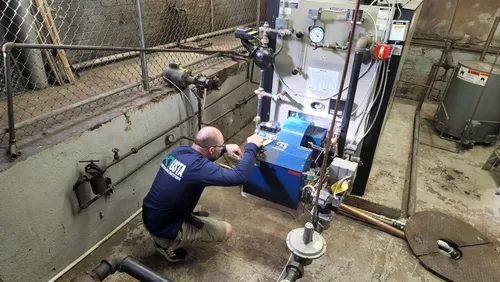
USTA Home Inspections is a septic tank inspection company serving New York, NY, and surrounding areas. They provide comprehensive home inspection services covering major components such as roofing, structural elements, electrical systems, HVAC, oil tank sweeps, foundation integrity, radon testing, termite inspections, and septic tank inspections. The company focuses on helping homebuyers make informed decisions by delivering clear and reliable inspection reports. USTA Home Inspections serves multiple counties in New Jersey and New York, including Passaic, Morris, Bergen, Essex, and Union. They emphasize protecting clients' investments and ensuring safety before moving into a new home.
Zuidema Septic Services & Portable Toilets
90 Midland Ave, Midland Park, NJ 07432
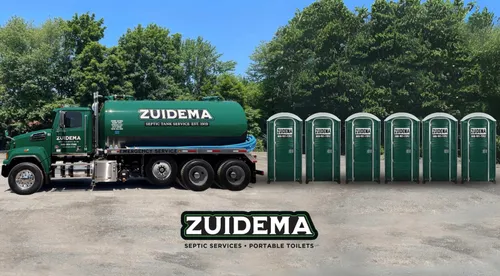
Zuidema Septic Services & Portable Toilets provides residential and commercial septic services along with portable toilet and restroom trailer rentals in New York, NY. With over 100 years of experience since 1919, they offer septic tank pumping, inspections, repairs, and grease trap services. Their use of advanced sewer camera technology helps identify and address sewer line issues effectively. Zuidema also offers 24/7 emergency service for septic and portable toilet needs, ensuring support is available at any time.
Why Septic Inspections Are Essential in Essex County
Your septic system is an out-of-sight but vital component of your home. A failing system can lead to sewage backups, foul odors, contaminated groundwater, and significant environmental hazards. In a densely populated state like New Jersey, proper wastewater management is paramount. Regular septic tank evaluations ensure your system operates efficiently, prevent costly emergency repairs, and are a key step in real estate transactions to satisfy legal and lending requirements1. For Bloomfield homeowners, adhering to the inspection schedule mandated by the New Jersey Department of Environmental Protection (NJDEP) is the best way to ensure long-term system reliability.
New Jersey and Bloomfield Inspection Regulations
Septic system inspections in New Jersey are governed by strict technical guidelines, primarily N.J.A.C. 7:9A-12.6. While the NJDEP sets the statewide standards, enforcement typically falls to the local health department or municipal authority. In Essex County and Bloomfield, these local entities ensure systems, especially those discharging less than 2,000 gallons per day, are properly maintained and inspected.
A key trigger for a mandatory inspection is the transfer of real property. State law requires a certified inspection during most real estate sales. Beyond real estate, the NJDEP recommends systems be inspected every 1 to 3 years and pumped every 3 to 5 years to prevent failures 2. Proactive maintenance based on this schedule is far less expensive than addressing a complete system failure.
What a Comprehensive Inspection Involves
A proper septic system assessment in Bloomfield is a multi-step process that goes beyond just looking at the tank. Certified inspectors follow a detailed protocol to evaluate the entire system's condition.
Initial Site Evaluation: The inspector begins outside, looking for telltale signs of trouble. This includes checking for unusually lush or wet vegetation over the drain field, surfacing effluent, foul odors, and verifying proper setbacks from the home, wells, and property lines.
Tank Access and Internal Inspection: The tank lids are located and opened. The inspector examines critical internal components like the inlet and outlet baffles (or tees) for damage or blockage. They also look for visible cracks, corrosion, and check the structural integrity of the tank walls below the liquid surface 3.
Pumping and Measurement: A core part of the inspection involves measuring the sludge and scum layers inside the tank. The tank is then pumped out. This serves two purposes: it is necessary maintenance and allows the inspector to check if the empty tank holds water (indicating possible groundwater infiltration) or drains properly4 5. Pumping is required to thoroughly assess the tank's bottom and walls for integrity issues.
Reporting and Compliance: Following the inspection, the professional must complete an official report, often using the NJDEP Appendix F form. This report must be filed within 10 business days and will detail the system's condition, any deficiencies found, and the final inspection result6 7.
Find the perfect septic tank inspection companies for your needs
Get personalized recommendations and expert advice
Understanding Inspection Results and Costs
After the evaluation, your system will receive one of three possible results:
- Pass: The system meets all NJDEP requirements and is functioning properly.
- Conditional Pass: Minor issues were identified, such as a broken filter, damaged lid, or a need for pumping. These repairs must typically be completed within a specified timeframe.
- Fail: Significant problems threaten public health or the environment. This could include a failed drain field, a structurally compromised tank, or surfacing sewage. A failure usually requires immediate and often costly remedial action, including possible system replacement8.
The cost of an inspection in Bloomfield can vary widely based on the system's size, accessibility, and complexity. A standard inspection, which includes the mandatory pumping, typically ranges from $250 to over $1,5009. This fee generally covers the visual assessment, pumping service, and the official report. If the system fails or needs repairs, you will incur additional costs for permits, design work (if a new system is needed), and construction. It's important to get detailed estimates from licensed inspectors upfront.
Maintaining Your System Between Inspections
A successful inspection starts with good daily habits. You can extend the life of your septic system by:
- Conserving water and spreading out laundry loads.
- Avoiding flushing anything besides human waste and toilet paper.
- Never pouring grease, chemicals, or paints down the drain.
- Keeping vehicles and heavy objects off the drain field area.
- Having the tank pumped regularly every 3-5 years, even if an inspection isn't required.
Choosing a Qualified Inspector in Bloomfield
Selecting the right professional is crucial. Look for an inspector who is:
- Licensed and Certified: They must be certified by the state of New Jersey to perform inspections per NJDEP regulations.
- Experienced and Local: Choose someone familiar with Essex County soil conditions, local codes, and the common issues faced by systems in our area.
- Thorough and Transparent: They should clearly explain the process, provide a detailed scope of work, and use the official state reporting forms.
- Properly Insured: Ensure they carry adequate liability insurance.
A thorough evaluation by a qualified expert provides peace of mind and is an investment in protecting your property.
Frequently asked questions
Sources
Footnotes
-
Frequent Questions on Septic Systems | US EPA - https://www.epa.gov/septic/frequent-questions-septic-systems ↩
-
NJDEP| Division of Water Quality | Permitting Information - https://dep.nj.gov/dwq/wastewater/septic-systems/permitting-information/ ↩
-
Septic Tank Inspections in South NJ and Ocean County - https://www.chdisposalservice.com/inspection/ ↩
-
SEPTIC - NJ.gov - https://dep.nj.gov/wp-content/uploads/dwq/pdf/septicmn.pdf ↩
-
Technical Guidance for Inspections of Onsite Wastewater ... - https://www.gloucestercountynj.gov/DocumentCenter/View/4864/Onsite-Septic-Inspection-Technical-Guidance-for-Inspections-of-Onsite-Wastewater-Treatment-and-Disposal-Systems-PDF ↩
-
N.J. Admin. Code § 7:9A-12.6 - System inspection protocol for inspections conducted during real property transfer | State Regulations | US Law - https://www.law.cornell.edu/regulations/new-jersey/N-J-A-C-7-9A-12-6 ↩
-
Technical Guidance for Inspections of Onsite Wastewater Treatment ... - https://dep.nj.gov/wp-content/uploads/dwq/inspection_guidance.pdf ↩
-
How Septic System Inspections Are Performed in New Jersey - https://thesewerkings.com/blog/septic-system-inspections/ ↩
-
Navigating Septic System Regulations: Expert Guidance for New Jersey Property Owners - https://www.mapengineering.net/navigating-septic-system-regulations/ ↩