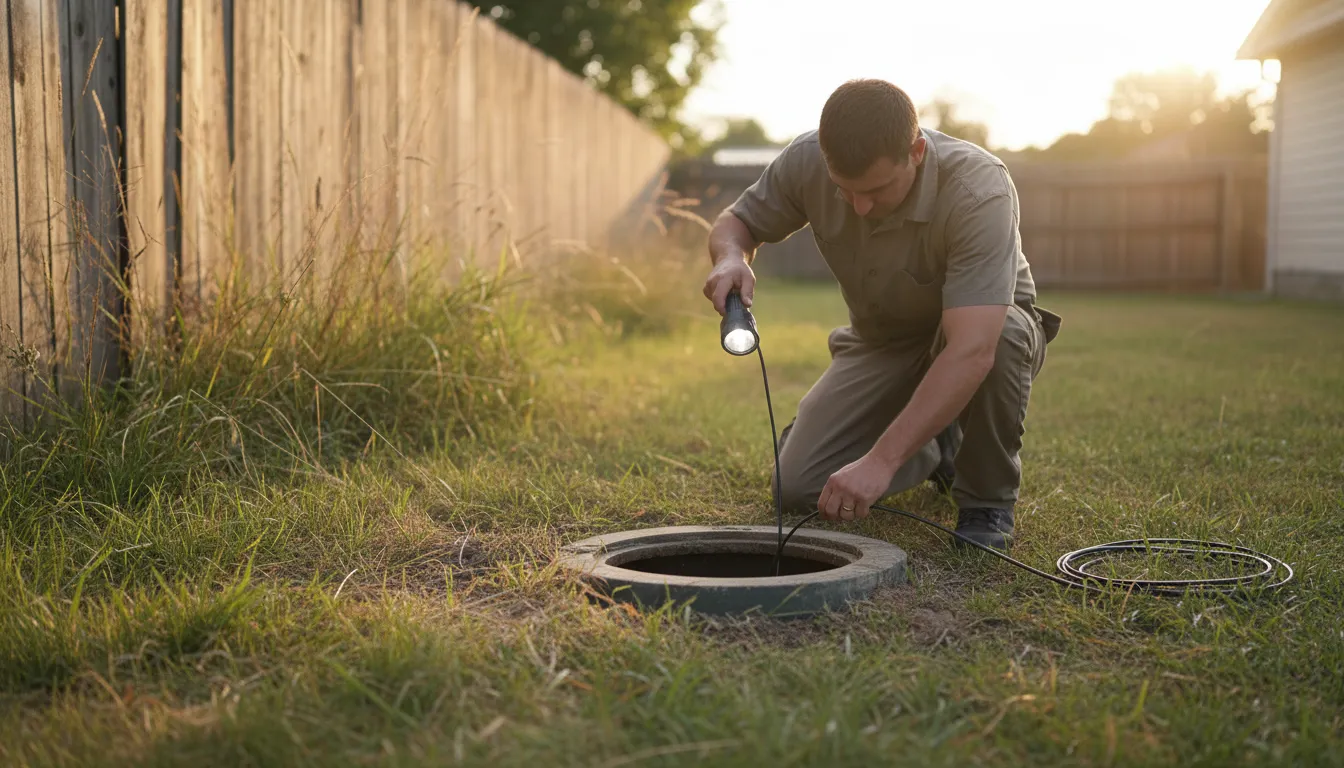
Find the Best Septic Tank Inspection Companies for Your Business
No obligation • Fast responses • Nationwide coverage

Why you can trust Septic Spot
Septic Spot is a leading United States resource for understanding and comparing septic services. Our editors review providers using consistent criteria and verify key business details. Listings and scores are independent, and companies cannot pay to influence our content.
Search providers near you
Top Septic Tank Inspection Companies in Bridgewater, New Jersey Ranked
A septic system inspection is a critical evaluation of your onsite wastewater treatment system's health and functionality. In Bridgewater, these assessments are essential for protecting your property value, ensuring public health, and complying with local and state environmental regulations. This guide explains what a septic inspection entails, why it's necessary, and how you can find qualified local professionals to perform this vital service for your home.
NJ Sewer Scopes
New York, NY
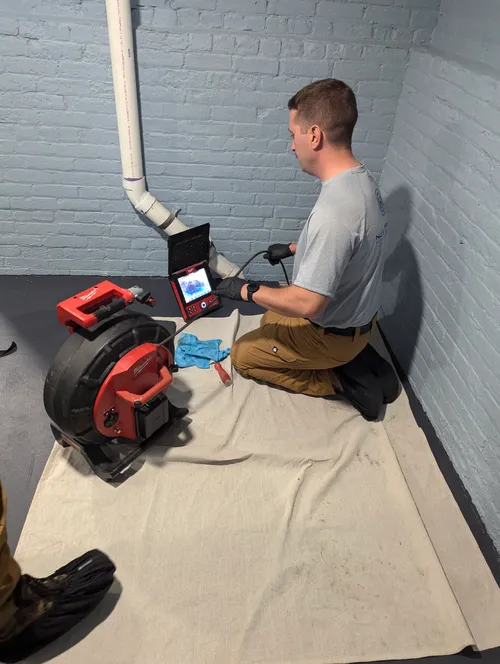
NJ Sewer Scopes is a septic tank inspection company based in New York, NY. They assist home buyers, sellers, and owners by providing inspections that help clients make informed decisions about their septic systems.
SafePRO Home Inspections, LLC
415 NJ-34 #109, Colts Neck, NJ 07722
SafePRO Home Inspections, LLC provides septic tank inspection and related home inspection services in New York, NY, as well as New Jersey and Pennsylvania. The company uses the latest inspection tools and technology to deliver detailed and easy-to-read reports. All inspectors are fully licensed, insured, and certified to perform home, pool, and environmental inspections. SafePRO Home Inspections is known for offering expert analysis and clear communication throughout the inspection process.
Arrow Sewer and Drain
165 Union Ave, Middlesex, NJ 08846
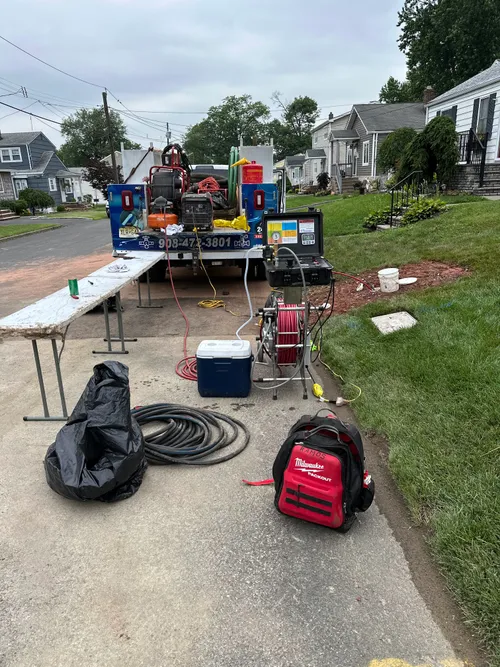
Arrow Sewer and Drain is a septic tank inspection and repair company serving New York, NY. They specialize in trenchless sewer repair methods that avoid excavation, preserving property while fixing cracked or corroded underground pipes. Their services include sewer inspections, pipe repairs, hydro-jetting, and emergency plumbing. The company offers 24/7 emergency plumbing service to address urgent sewer line problems quickly with professional camera inspections and effective solutions. Arrow Sewer and Drain serves a wide area including Middlesex and Somerset Counties in New Jersey, providing residential, commercial, and municipal sewer and plumbing projects.
Home Guard Home Inspection
100 Craig Rd Suite 203, Manalapan Township, NJ 07726
Home Guard Home Inspection offers comprehensive home inspection services in New York, NY, focusing on key aspects such as septic tank inspections, foundation, roofing, electrical, plumbing, and HVAC systems. Their InterNACHI-certified inspectors use advanced technology like infrared thermal imaging and drone roof assessments to detect potential issues. The company serves homeowners by providing detailed, easy-to-read reports that help clients make informed decisions before purchasing a property. Based in New Jersey, they cover a range of inspections including septic, sewer main, radon, mold, and wood-destroying insect inspections.
USTA Home Inspections
25 Continental Dr Unit C, Wayne, NJ 07470
USTA Home Inspections is a septic tank inspection company serving New York, NY, and surrounding areas. They provide comprehensive home inspection services covering major components such as roofing, structural elements, electrical systems, HVAC, oil tank sweeps, foundation integrity, radon testing, termite inspections, and septic tank inspections. The company focuses on helping homebuyers make informed decisions by delivering clear and reliable inspection reports. USTA Home Inspections serves multiple counties in New Jersey and New York, including Passaic, Morris, Bergen, Essex, and Union. They emphasize protecting clients' investments and ensuring safety before moving into a new home.
Understanding Septic Inspections and Local Regulations
In Bridgewater, septic system evaluations are guided by technical standards set by the New Jersey Department of Environmental Protection (NJDEP) and enforced by local health authorities, such as the Somerset County Department of Health or the Bridgewater Township Health Department. These regulations are designed to protect groundwater quality in our community. For homeowners, the most common triggers for an inspection are routine maintenance schedules and real estate transactions. While state law may not universally mandate inspections for all sales, lenders and cautious buyers almost always require a certified septic system certification before finalizing a purchase.
Maintaining records is a key homeowner responsibility. You are required to keep documentation of all inspections, pumpings, and repairs for your system for at least five years 1. Furthermore, if an inspection reveals a system failure, it must be reported to the local health department immediately to initiate the repair and permitting process 2.
What a Comprehensive Septic Inspection Involves
A standard septic tank check in Bridgewater, following NJDEP guidance, is a multi-step process that goes far beyond just looking into the tank. A thorough inspection conducted by a qualified professional typically includes the following components:
- File Review: The inspector will start by reviewing records from the local health department to understand your system's original design, size, and history of maintenance or repairs.
- Locating & Accessing Components: The technician must locate and safely uncover the septic tank and the distribution box (D-box), which are often buried.
- Visual Inspection & Sludge Level Check: This is the core of the tank assessment. The inspector checks the sludge and scum layers inside the tank to determine if pumping is needed. They also examine the tank's structural integrity, inlet and outlet baffles, and the condition of the D-box to ensure it is level and functioning properly 3.
- Hydraulic Load Test: To evaluate the drain field's absorption capacity, a significant amount of water is run into the system. The inspector monitors for signs of failure, such as effluent surfacing in the yard or wastewater backing up into the home 4 5.
- Tank Pumping: For a complete inspection, the tank is usually pumped out. This allows for a clear interior inspection and verifies the tank's true capacity and structure 6 7.
Find the perfect septic tank inspection companies for your needs
Get personalized recommendations and expert advice
Frequency and Costs of Septic Services
Adhering to a maintenance schedule is the best way to avoid costly emergency repairs and system failures. The NJDEP recommends that septic tanks be inspected every one to three years and pumped every three to five years, though frequency can vary based on household size and usage 8 9.
Understanding the costs involved helps homeowners budget for this necessary maintenance. Pricing can vary based on tank size, system complexity, and accessibility.
- Inspection-Only Service: A basic visual inspection and report can range from $100 to $1,000, depending on the depth of the evaluation and whether a hydraulic test is included 10.
- Septic Tank Pumping: The average cost for pumping in our area is roughly $400 to $500. The total can range from $200 to over $1,200, primarily influenced by tank capacity (e.g., 1,000-gallon vs. 1,500-gallon) 11.
- Combined Inspection & Pumping: Many providers offer a bundled service, which is often the most practical and thorough option.
- Permit Fees: If an inspection leads to a repair or installation, local health department permit fees will apply, which can range from $250 to $1,500 depending on the project's scope 12.
Choosing a Qualified Septic Inspection Provider
Not all contractors are equally qualified to perform inspections that meet NJDEP and local Bridgewater standards. When searching for a septic system evaluator, look for a licensed, insured professional with specific experience in Somerset County. They should be familiar with local soil conditions and health department requirements. A reputable provider will clearly explain their inspection process, provide a detailed written report with findings and recommendations, and be willing to pull the necessary health department records for your property.
It's important to note that local ordinances can change. For the most current and specific requirements applicable to your Bridgewater property, contacting the Bridgewater Township Health Department directly is always a recommended step.
The Importance of Regular Maintenance
Think of your septic system as a critical component of your home, much like your roof or foundation. Proactive septic system maintenance through regular inspections and pumpings prevents system overload, identifies small issues before they become major failures, and extends the lifespan of your entire drain field-the most expensive part to replace. A well-maintained system protects your family's health, preserves the environment by preventing groundwater contamination, and maintains your property's value.
Frequently asked questions
Sources
Footnotes
-
Compliance Advisory - NJ.gov - https://www.nj.gov/dep/enforcement/advisories/2023-07.pdf ↩
-
NJDEP| Division of Water Quality | Permitting Information - https://dep.nj.gov/dwq/wastewater/septic-systems/permitting-information/ ↩
-
Inspections - New Jersey Septic Management Group - https://nj-septic.com/inspections/ ↩
-
Technical Guidance for Inspections of Onsite Wastewater Treatment ... - https://dep.nj.gov/wp-content/uploads/dwq/inspection_guidance.pdf ↩
-
Septic Certification Guideline - http://www.quintonnj.com/qho/septic_cert_guide.pdf ↩
-
How Septic System Inspections Are Performed in New Jersey - https://thesewerkings.com/blog/septic-system-inspections/ ↩
-
Septic Inspection | Wastewater Property Transfer Inspection - https://cullisonexcavating.com/blog/onsite-wastewater-property-inspections/ ↩
-
Frequent Questions on Septic Systems | US EPA - https://www.epa.gov/septic/frequent-questions-septic-systems ↩
-
SEPTIC - NJ.gov - https://dep.nj.gov/wp-content/uploads/dwq/pdf/septicmn.pdf ↩
-
Septic System Cost Estimate: A Complete Breakdown - Land Perc - https://landperc.com/septic-system-cost-estimate/ ↩
-
Septic Tank Pumping Cost: Guide & Pricing in 2025 - Splash Plumbing - https://www.splashplumbing.com/how-much-does-it-cost-to-pump-septic-tank-understanding-pricing-and-factors-involved/ ↩
-
Navigating Septic System Regulations: Expert Guidance for New Jersey Property Owners - https://www.mapengineering.net/navigating-septic-system-regulations/ ↩