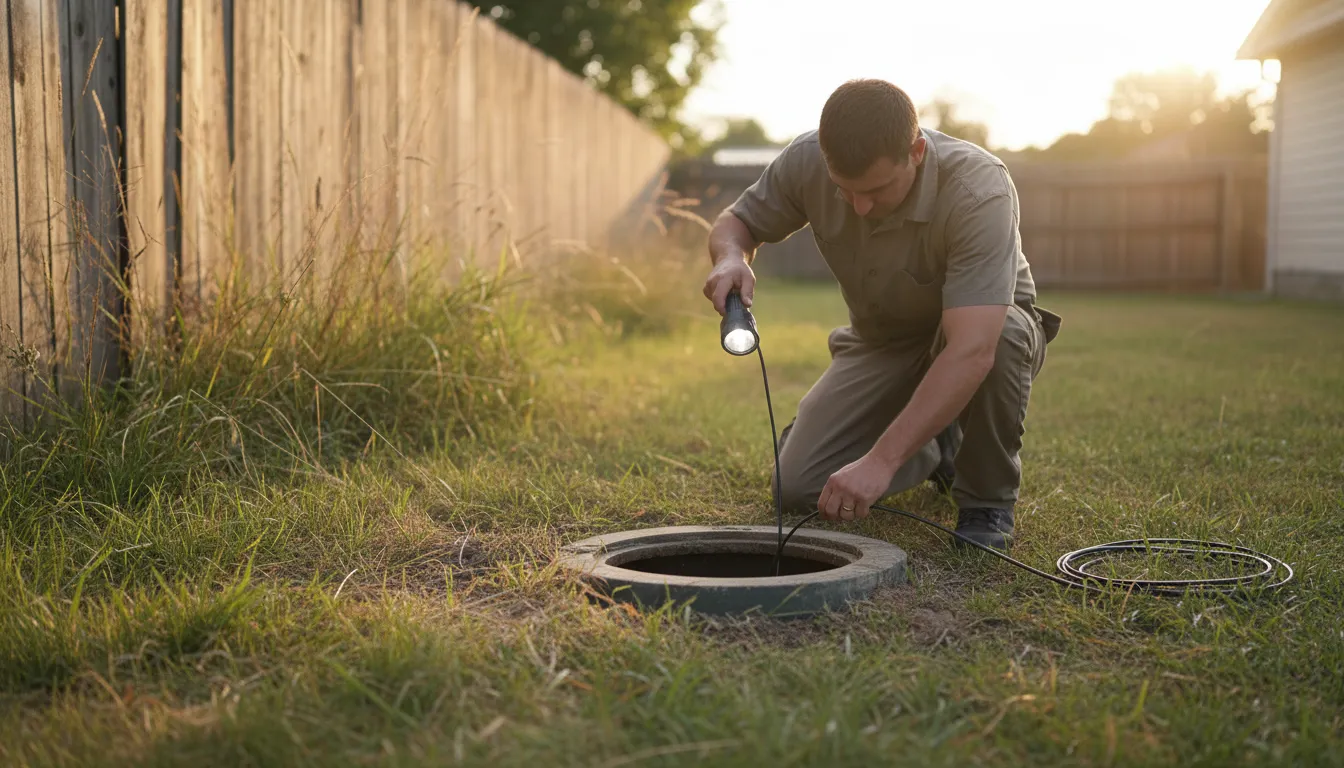
Find the Best Septic Tank Inspection Companies for Your Business
No obligation • Fast responses • Nationwide coverage

Why you can trust Septic Spot
Septic Spot is a leading United States resource for understanding and comparing septic services. Our editors review providers using consistent criteria and verify key business details. Listings and scores are independent, and companies cannot pay to influence our content.
Search providers near you
Top Septic Tank Inspection Companies in East Brunswick, New Jersey Ranked
A septic tank inspection is a critical evaluation of your home's on-site wastewater treatment system, ensuring it is functioning safely and in compliance with local health codes. In East Brunswick, these evaluations are not just a good idea-they are often a legal requirement, especially during property sales. This guide explains the local rules, what happens during an inspection, and how you can find qualified professionals to assess your system, helping you protect your property investment and the local environment.
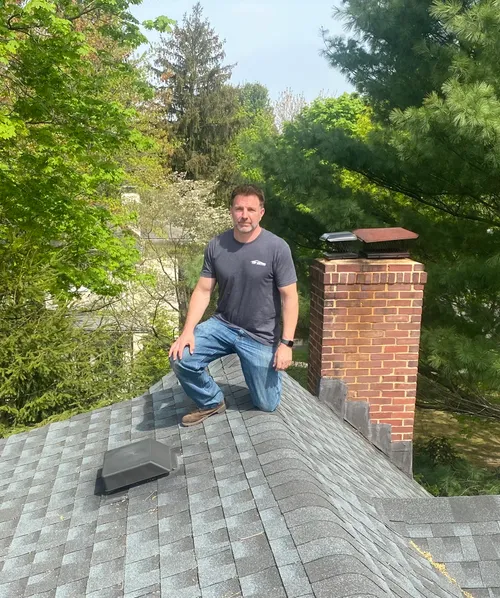
Top Notch Home Inspection
68 Garden Rd, Little Silver, NJ 07739
Top Notch Home Inspection is a septic tank inspection company based in New York, NY. They offer a range of property inspection services including septic and sewer evaluations, wood-destroying insect inspections, oil tank sweeps, chimney assessments, and pool inspections. Their team encourages clients to participate during inspections to better understand their home's systems and the inspection process.
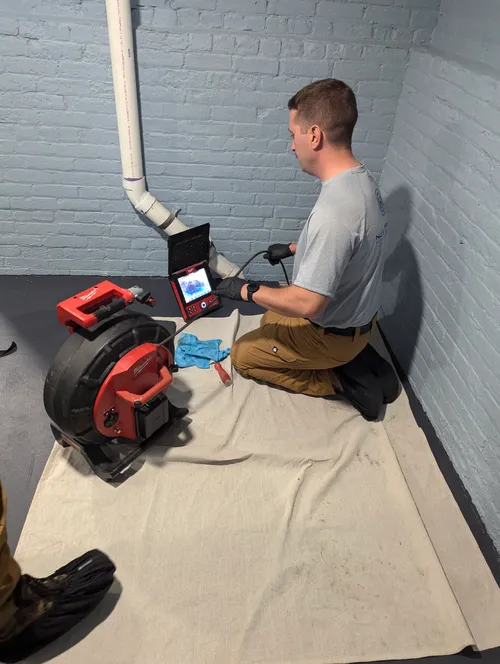
NJ Sewer Scopes
New York, NY
NJ Sewer Scopes is a septic tank inspection company based in New York, NY. They assist home buyers, sellers, and owners by providing inspections that help clients make informed decisions about their septic systems.
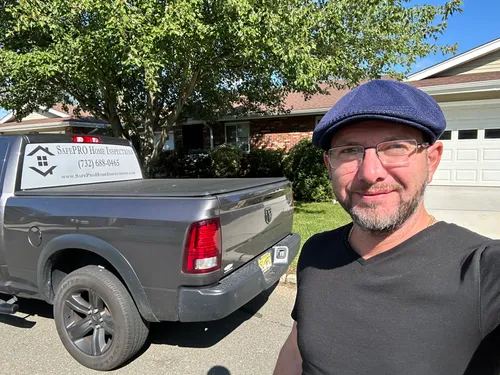
SafePRO Home Inspections, LLC
415 NJ-34 #109, Colts Neck, NJ 07722
SafePRO Home Inspections, LLC provides septic tank inspection and related home inspection services in New York, NY, as well as New Jersey and Pennsylvania. The company uses the latest inspection tools and technology to deliver detailed and easy-to-read reports. All inspectors are fully licensed, insured, and certified to perform home, pool, and environmental inspections. SafePRO Home Inspections is known for offering expert analysis and clear communication throughout the inspection process.
Arrow Sewer and Drain
165 Union Ave, Middlesex, NJ 08846
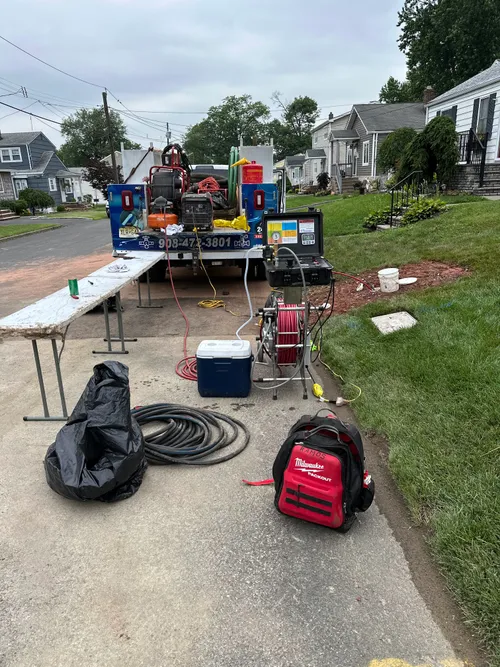
Arrow Sewer and Drain is a septic tank inspection and repair company serving New York, NY. They specialize in trenchless sewer repair methods that avoid excavation, preserving property while fixing cracked or corroded underground pipes. Their services include sewer inspections, pipe repairs, hydro-jetting, and emergency plumbing. The company offers 24/7 emergency plumbing service to address urgent sewer line problems quickly with professional camera inspections and effective solutions. Arrow Sewer and Drain serves a wide area including Middlesex and Somerset Counties in New Jersey, providing residential, commercial, and municipal sewer and plumbing projects.
Jersey Shore Septic And Sewer LLC
Lakewood, NJ
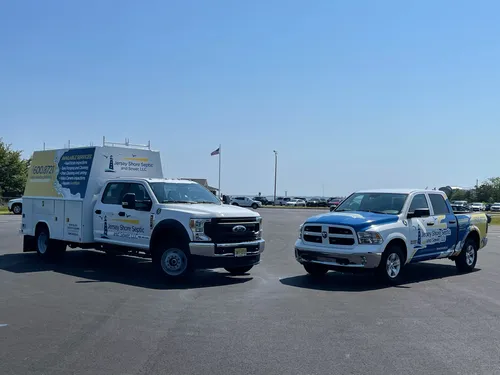
Jersey Shore Septic And Sewer LLC is a family-owned and operated business serving Lakewood, NJ, and surrounding counties including Atlantic, Middlesex, Monmouth, and Ocean. With over a decade of experience, they provide residential and commercial septic services such as septic tank pumping, inspections, repairs, replacements, and new installations. Their team holds CDL-A licenses and is trained to perform specialized services like video camera inspections and high-pressure water jetting. The company also offers excavation and commercial snow removal services.
Why Septic System Inspections Are Essential in East Brunswick
For homes not connected to municipal sewer lines, the septic system is a silent workhorse, treating all household wastewater. A failing system is more than an inconvenience; it's a public health hazard that can contaminate groundwater, pollute nearby waterways, and create costly property damage. In Middlesex County, regulatory oversight from the Middlesex County Environmental Health Division (MCEHD) ensures these systems are properly maintained to protect the community 1 2.
Regular septic evaluations are mandated by New Jersey state code (NJAC 7:9A) and local township ordinances. The most common triggers for an inspection in East Brunswick include a real estate transaction, a system repair or upgrade, or as part of a routine maintenance schedule. Proactive inspections can identify minor issues before they become major, expensive failures, saving homeowners significant money and stress.
Local Regulations and Inspection Requirements
Understanding the local rules is the first step for any homeowner with a septic system. Compliance is not optional, and the requirements are specific.
Real Estate Transfers: If you are buying or selling a home in East Brunswick with a septic system, an inspection is almost always required. Local regulations generally mandate that the seller provide a receipt for a septic pump-out performed within the last three years. If such a receipt cannot be produced, a full inspection and pumping will be required before the sale can proceed 3. This rule is strictly enforced to ensure the new homeowner inherits a functioning system.
Routine Maintenance Schedule: Outside of real estate, the state recommends-and many local codes require-that systems be inspected every 1 to 3 years and pumped every 3 to 5 years 4. The exact frequency depends on factors like household size, total water usage, and tank size. An inspection is the best way to determine if pumping is needed, rather than guessing on a schedule.
Regulatory Authority: All inspections, repairs, and new installations must comply with NJ State rules and are permitted and reviewed by the Middlesex County Environmental Health Division (MCEHD). They are the final authority on whether a system passes or fails, and they must approve any significant alterations.
The Septic Inspection Process: A Step-by-Step Look
A professional septic system assessment is a thorough process that examines every component of your wastewater treatment system. Here's what you can expect when a certified inspector arrives at your East Brunswick home.
1. System Location & Records Review: The technician will start by locating all components of your system-the tank, distribution box, and leach field. They may consult any available property records or use specialized probes to find buried tank lids.
2. Tank Access and Structural Inspection: The inspector will excavate and open the tank's access ports. The first check is for structural integrity: looking for cracks, corrosion (in steel tanks), or signs of collapse. A compromised tank can allow untreated sewage to leak into the soil or groundwater.
3. Scum and Sludge Level Measurement: This is the core of the inspection. The inspector measures the thickness of the scum layer (floating fats and greases) and the sludge layer (settled solids at the bottom). According to standard guidelines, if the scum layer is within 6 inches of the outlet baffle or tee, or if the sludge is within 12 inches, the tank requires immediate pumping. These measurements determine the tank's remaining capacity and treatment efficiency.
4. Component Check: Key internal components are examined. Baffles or tees at the inlet and outlet pipes are checked for blockage or damage; these are crucial for preventing solids from flowing into the drain field. If the system includes a pump or alarm, these electrical components are tested for proper operation.
5. Leach Field Assessment: The inspector will evaluate the soil absorption area (drain field) for signs of failure. This includes looking for surfacing effluent, soggy ground, or unusually lush vegetation over the field lines-all indicators that the field is saturated and not properly absorbing liquid 5 6.
6. Reporting and Classification: After the evaluation, the inspector provides a detailed report to the homeowner and, if required for a permit or sale, submits it to the MCEHD. The system will typically receive one of three classifications:
- Pass: The system is functioning correctly and meets all standards.
- Conditional Approval: Minor issues were found that require attention but do not constitute an immediate failure.
- Fail: The system is malfunctioning, posing a health risk, and must be repaired or replaced before use 7.
Find the perfect septic tank inspection companies for your needs
Get personalized recommendations and expert advice
Understanding Costs for Inspection and Pumping
Budgeting for septic maintenance is an important part of homeownership. In the East Brunswick area, costs can vary based on the tank's size, accessibility, and the scope of services provided.
- Inspection Fee: A standard septic system inspection typically ranges from $200 to $600. The price can be higher if the inspection is particularly complex (e.g., a large system, hard-to-find components) or if it is bundled with a tank pumping service.
- Pumping Fee: If the inspection reveals the tank is full, pumping costs generally range from $300 to $1,200 or more 8 9. The final cost depends primarily on the tank's capacity (measured in gallons) and how easily the pumping truck can access the site.
- Permit Fees: For any work beyond routine pumping, such as repairs or alterations, the township requires permits. As per local code, common fees include $50 for alteration permits and $100 for new construction permits 10.
It's wise to get detailed estimates from a few licensed providers. The lowest price may not include a comprehensive inspection report acceptable to the county health department, which is essential for real estate transactions.
Choosing a Qualified Inspection Professional
Not all septic service companies are equal. For an inspection that will satisfy stringent Middlesex County requirements, you need a qualified professional. Look for a provider with:
- Proper Licensing: Ensure they are licensed to operate in New Jersey and are familiar with NJAC 7:9A codes.
- Local Experience: Choose a company experienced with East Brunswick and Middlesex County's specific protocols and reporting requirements for the MCEHD.
- Comprehensive Service: Ideally, the inspector should evaluate the entire system-tank, components, and leach field-not just offer a "pump and look" service.
- Detailed Reporting: They should provide a clear, written report with photos and measurements that you can submit for permits or a real estate closing.
By selecting a knowledgeable local expert, you ensure the inspection is done right the first time, giving you peace of mind and a clear path to compliance.
Maintaining Your System Between Inspections
A septic system is a long-term investment. To extend its lifespan and avoid failures between official inspections, homeowners should adopt good practices:
- Conserve Water: Spread out laundry loads and fix leaky faucets to avoid overwhelming the system.
- Mind What You Flush: Only human waste and toilet paper should go down the drain. Avoid flushing wipes (even "flushable" ones), feminine hygiene products, cooking grease, and chemicals.
- Protect the Drain Field: Never park vehicles or build structures over the leach field. Keep roof drains and sump pumps directed away from it.
- Keep Records: Maintain a log of all inspections, pumpings, and repairs. This is invaluable for maintenance planning and is essential during a home sale.
A well-maintained septic system in East Brunswick can last for decades, reliably protecting your home and the local environment from Milltown to the Raritan River.
Frequently asked questions
Sources
Footnotes
-
Septic System Program | Middlesex County NJ - https://www.middlesexcountynj.gov/government/departments/department-of-public-safety-and-health/office-of-health-services/environmental-health/septic-system-program ↩
-
New Jersey Septic Tank Rules And Regulations - https://www.arrowsewernj.com/blog/septic-tanks-in-new-jersey-what-you-need-to-know/ ↩
-
Septic and Well Inspection Requirements by Municipality - https://www.co.monmouth.nj.us/documents/118/SW1_SEPTIC_AND_WELL_INSPECTION_REQUIREMENTS_BY_MUNICIPALITY.pdf ↩
-
Frequent Questions on Septic Systems | US EPA - https://www.epa.gov/septic/frequent-questions-septic-systems ↩
-
Understanding Georgia's Septic Inspection Requirements - https://smartsepticpros.com/blog/septic-inspection-requirements/ ↩
-
2026 Guide to Septic Inspection in Georgia - https://dandhsepticservices.com/septic-inspection-in-georgia/ ↩
-
How Septic System Inspections Are Performed in New Jersey - https://thesewerkings.com/blog/septic-system-inspections/ ↩
-
SEPTIC - NJ.gov - https://dep.nj.gov/wp-content/uploads/dwq/pdf/septicmn.pdf ↩
-
Septic Tank Pumping Cost: Guide & Pricing in 2025 - Splash Plumbing - https://www.splashplumbing.com/how-much-does-it-cost-to-pump-septic-tank-understanding-pricing-and-factors-involved/ ↩
-
Township of East Brunswick, NJ Sewage Disposal Systems ... - https://ecode360.com/34788127 ↩