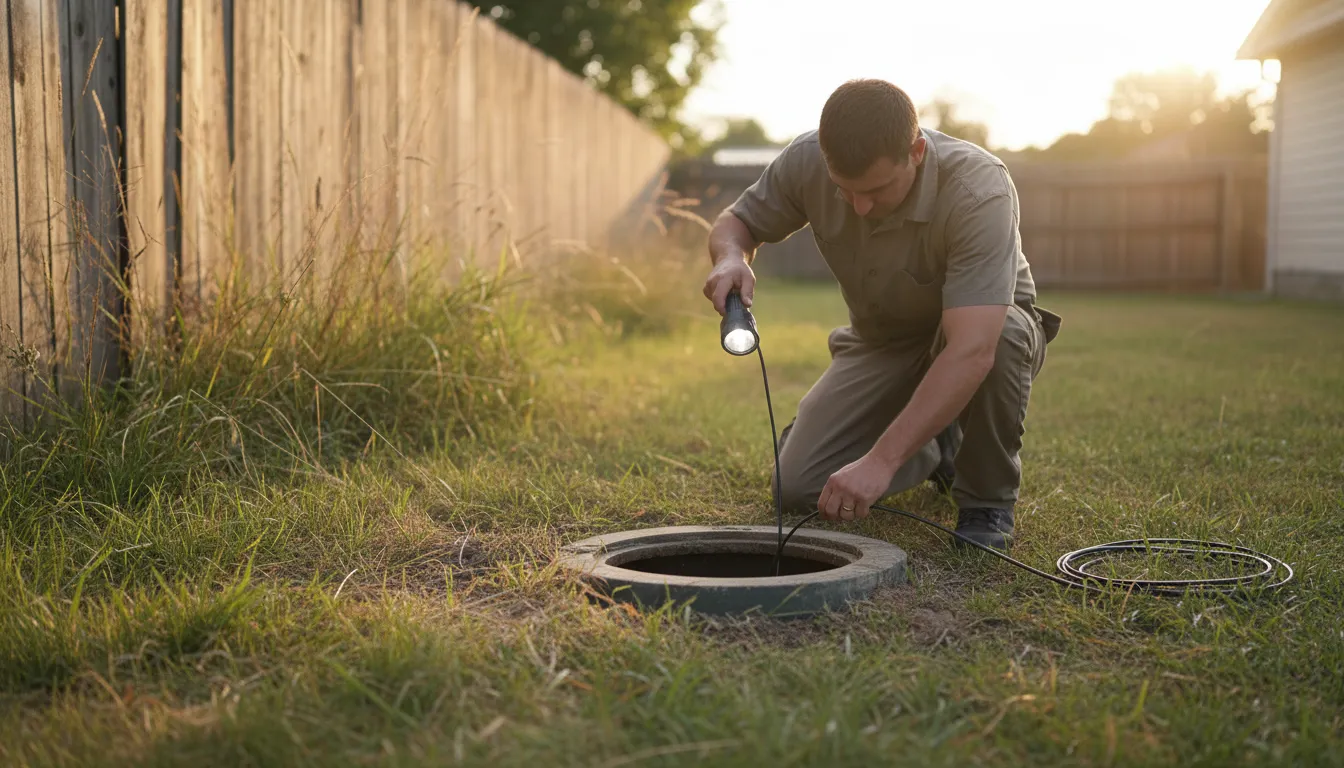
Find the Best Septic Tank Inspection Companies for Your Business
No obligation • Fast responses • Nationwide coverage

Why you can trust Septic Spot
Septic Spot is a leading United States resource for understanding and comparing septic services. Our editors review providers using consistent criteria and verify key business details. Listings and scores are independent, and companies cannot pay to influence our content.
Search providers near you
Top Septic Tank Inspection Companies in Elizabeth, New Jersey Ranked
A septic system inspection is a critical evaluation of your on-site wastewater treatment system's health and functionality. In Elizabeth, NJ, these assessments are vital for protecting your property value, ensuring environmental safety, and complying with state and local regulations. This guide will help you understand the process, requirements, and what to look for when seeking a qualified professional to perform this essential service.
Top Notch Home Inspection
68 Garden Rd, Little Silver, NJ 07739
Top Notch Home Inspection is a septic tank inspection company based in New York, NY. They offer a range of property inspection services including septic and sewer evaluations, wood-destroying insect inspections, oil tank sweeps, chimney assessments, and pool inspections. Their team encourages clients to participate during inspections to better understand their home's systems and the inspection process.
NJ Sewer Scopes
New York, NY
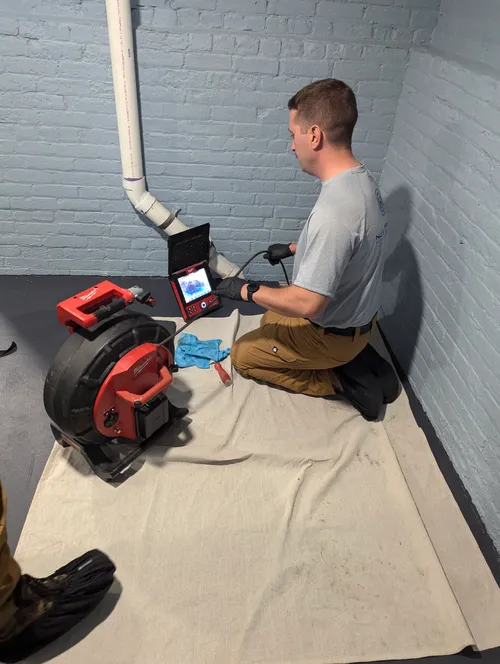
NJ Sewer Scopes is a septic tank inspection company based in New York, NY. They assist home buyers, sellers, and owners by providing inspections that help clients make informed decisions about their septic systems.
Perfect Flow Sewer & Drain Services
2135 Williamsbridge Rd, Bronx, NY 10461
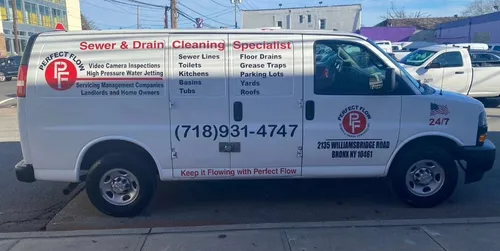
Perfect Flow Sewer & Drain Services provides septic tank inspection and septic system repair in Yonkers, NY. They offer thorough inspections, efficient cleaning, and precise repairs to maintain reliable sewer and drain systems. Their services focus on ensuring seamless flow and system functionality.
SafePRO Home Inspections, LLC
415 NJ-34 #109, Colts Neck, NJ 07722
SafePRO Home Inspections, LLC provides septic tank inspection and related home inspection services in New York, NY, as well as New Jersey and Pennsylvania. The company uses the latest inspection tools and technology to deliver detailed and easy-to-read reports. All inspectors are fully licensed, insured, and certified to perform home, pool, and environmental inspections. SafePRO Home Inspections is known for offering expert analysis and clear communication throughout the inspection process.
Arrow Sewer and Drain
165 Union Ave, Middlesex, NJ 08846
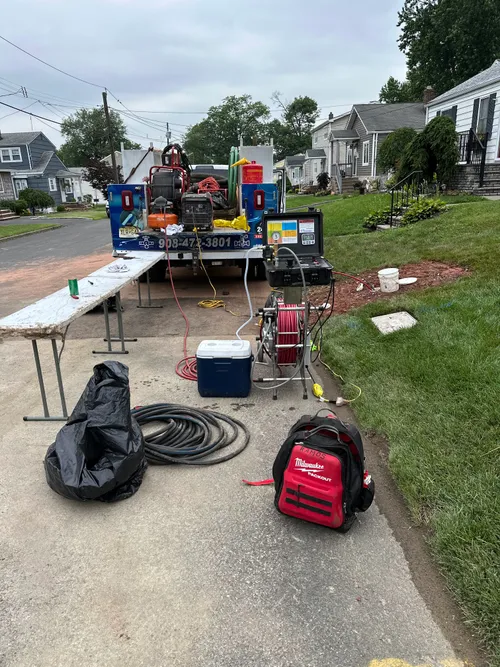
Arrow Sewer and Drain is a septic tank inspection and repair company serving New York, NY. They specialize in trenchless sewer repair methods that avoid excavation, preserving property while fixing cracked or corroded underground pipes. Their services include sewer inspections, pipe repairs, hydro-jetting, and emergency plumbing. The company offers 24/7 emergency plumbing service to address urgent sewer line problems quickly with professional camera inspections and effective solutions. Arrow Sewer and Drain serves a wide area including Middlesex and Somerset Counties in New Jersey, providing residential, commercial, and municipal sewer and plumbing projects.
Understanding Septic System Inspections in New Jersey
In New Jersey, septic system evaluations are governed by standards set by the NJ Department of Environmental Protection (NJDEP). These inspections are not just a good idea; they are often a mandatory step in property transactions and a key part of responsible homeownership. The primary goal is to determine if the system is operating correctly and to identify any issues that could lead to costly repairs, environmental contamination, or public health risks. For homeowners in Elizabeth, staying informed about these requirements is the first step in maintaining a compliant and functional system.
Why Are Septic Inspections Required?
Regular septic tank check-ups serve several important purposes:
- Property Transactions: Many municipalities in New Jersey, including those in Union County, require a certified inspection report before a property sale can be finalized 1. This protects both the buyer and the seller.
- Environmental Protection: A failing system can leak untreated wastewater into the ground, contaminating groundwater, nearby streams, and ultimately, the Arthur Kill and Newark Bay watersheds.
- Public Health: Properly treated wastewater prevents the spread of pathogens and nutrients that can harm human health.
- System Longevity: Proactive inspections can catch minor issues before they become major, system-wide failures, saving homeowners significant money.
- Regulatory Compliance: Adhering to NJDEP technical guidance helps homeowners avoid violations and potential fines.
The Standard Inspection Process: A Step-by-Step Look
A thorough septic system evaluation in Elizabeth follows a detailed protocol to assess every component. Here's what you can expect during a professional inspection 2 3 4:
- Locating & Accessing the System: The inspector will locate the septic tank, distribution box (D-Box), and drain field. This often involves digging to uncover access lids.
- Pumping the Tank: The tank is pumped out. This is not just maintenance; it allows the inspector to check the tank's interior for structural integrity, cracks, leaks, and the levels of scum and sludge.
- Component Inspection: The inlet and outlet baffles (or tees) are inspected for damage or blockage. The distribution box is checked to ensure wastewater is flowing evenly to all drain field lines.
- Hydraulic Load Test: This is a crucial test where a significant amount of water is run into the system. The inspector observes how the system handles the flow and checks for signs of surfacing effluent or backup, which indicate a failing drain field.
- Drain Field Evaluation: The inspector examines the area over the drain field for soggy soil, foul odors, or unusually lush grass-all signs of potential failure.
- Video Inspection (if needed): A camera may be snaked through the pipes to check for root intrusion, blockages, or breaks in the underground lines.
- Final Report: A comprehensive written report is provided, detailing the system's condition, any issues found, and recommendations for repair or maintenance.
NJDEP Regulations and Local Compliance
For Elizabeth residents, compliance starts with understanding state rules. The NJDEP mandates that systems be designed and maintained according to its technical guidance for on-site wastewater treatment. Key points include:
- Inspection Frequency: While the state generally recommends inspection and pumping every 3 to 5 years, local requirements for property transfers are more stringent.
- Permitting: Any repair or alteration to a system must be permitted through the local health department, which acts as the NJDEP's agent for systems under 2,000 gallons per day 5.
- Record Keeping: Homeowners are strongly advised to maintain at least five years of records for all pumping, inspections, and repairs. This documentation is invaluable during a home sale.
- System Failure: If an inspection reveals a failed system, the homeowner is responsible for repairs or replacement, which must be completed under permit to bring the system back into compliance 6.
Find the perfect septic tank inspection companies for your needs
Get personalized recommendations and expert advice
Cost of Septic Inspections and Related Services in Elizabeth
Understanding the potential costs helps homeowners budget for this necessary expense. Pricing can vary based on the size of the tank, the complexity of the system, and the extent of the inspection.
- Standard Inspection Cost: A full septic system inspection in the New Jersey area typically ranges from $400 to $800 7. This often includes the cost of pumping the tank as part of the evaluation.
- Standalone Pumping: If you are only pumping for maintenance (every 3-5 years), the cost is generally between $300 and $600 8.
- Major Repairs or Replacement: This is the most significant financial consideration. Repairing a failing drain field or replacing an entire septic system is a major undertaking, with costs commonly exceeding $20,000 to $30,000 9 10. This underscores the value of regular, preventative inspections.
The Importance of a Pre-Listing Inspection
For homeowners in Elizabeth considering selling their property, a pre-listing septic inspection is a highly strategic move. By having the system inspected before putting the house on the market, you can:
- Identify and address any problems on your own terms and timeline.
- Avoid re-negotiations or deal cancellations after a buyer's inspection finds an issue.
- Provide the inspection report to potential buyers, demonstrating transparency and a well-maintained property.
- Streamline the closing process, as the mandatory "inspection at sale" will already be satisfied.
Maintaining Your System Between Inspections
Professional inspections are essential, but day-to-day care extends the life of your system. Key maintenance tips include:
- Pump Regularly: Adhere to the 3-5 year pumping schedule based on household size and usage.
- Mind What You Flush: Never put dental floss, feminine hygiene products, "flushable" wipes, paper towels, cooking grease, or harsh chemicals (paints, solvents, pesticides) down the drain.
- Conserve Water: Spread out laundry loads and fix leaky faucets to avoid overloading the system.
- Protect the Drain Field: Never park vehicles or build structures over the drain field, and divert rainwater runoff away from it.
Choosing a Qualified Inspection Professional
Not all service providers are equal. When searching for a septic inspector in Elizabeth, ensure they are:
- Licensed by the State of New Jersey: Verify they hold the proper licensing for septic system work 11.
- Insured: Carry adequate liability insurance.
- Experienced with Local Systems: Familiar with Union County soil conditions and local municipal requirements.
- Comprehensive in Service: Able to perform all aspects of the inspection, including pumping and hydraulic load testing.
- Detailed in Reporting: Will provide a clear, written report suitable for submission to health departments or real estate transactions.
Frequently asked questions
Sources
Footnotes
-
NJDEP| Division of Water Quality | Inspection Guidance - https://dep.nj.gov/dwq/wastewater/septic-systems/inspection-guidance/ ↩
-
How Septic System Inspections Are Performed in New Jersey - https://thesewerkings.com/blog/septic-system-inspections/ ↩
-
Septic Inspection Guide for Home Buyers | Hunterdon & Warren ... - https://www.luxeservicegroup.com/buyers/performing-a-new-jersey-septic-inspection/ ↩
-
Copy of Inspections - New Jersey Septic Management Group - https://nj-septic.com/inspections-copy/ ↩
-
NJDEP| Division of Water Quality | Permitting Information - https://dep.nj.gov/dwq/wastewater/septic-systems/permitting-information/ ↩
-
Compliance Advisory - NJ.gov - https://www.nj.gov/dep/enforcement/advisories/2023-07.pdf ↩
-
NJ Septic Inspections - https://www.looksmarthomeinspections.com/Septic.html ↩
-
SEPTIC - NJ.gov - https://dep.nj.gov/wp-content/uploads/dwq/pdf/septicmn.pdf ↩
-
New Jersey Septic System Rules - 2026 Guide - https://thesewerkings.com/blog/new-jersey-septic-system-rules/ ↩
-
Septic System Inspections: A Step-by-Step How-To Guide - https://westcoastsanitationinc.com/septic-inspection-service/ ↩
-
Licensed Septic Service NJ - Requirements - The Sewer Kings - https://thesewerkings.com/blog/licensed-septic-service-professionals/ ↩