Find the Best Septic Tank Inspection Companies for Your Business
No obligation • Fast responses • Nationwide coverage

Why you can trust Septic Spot
Septic Spot is a leading United States resource for understanding and comparing septic services. Our editors review providers using consistent criteria and verify key business details. Listings and scores are independent, and companies cannot pay to influence our content.
Search providers near you
Top Septic Tank Inspection Companies in Hackensack, New Jersey Ranked
A septic system inspection is a critical evaluation of your home's private wastewater treatment system, ensuring it is functioning safely and in compliance with state and local health codes. In Hackensack and across New Jersey, these assessments are not just a good idea-they are often a legal requirement for property transfers and essential for preventing costly environmental hazards and system failures. This guide will help you understand the inspection process, local regulations, and how to find qualified professionals to evaluate your septic tank and drainfield.
NJ Sewer Scopes
New York, NY
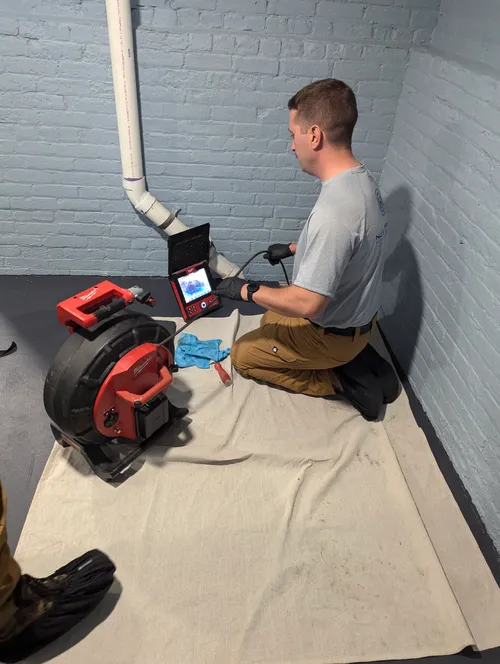
NJ Sewer Scopes is a septic tank inspection company based in New York, NY. They assist home buyers, sellers, and owners by providing inspections that help clients make informed decisions about their septic systems.
Perfect Flow Sewer & Drain Services
2135 Williamsbridge Rd, Bronx, NY 10461
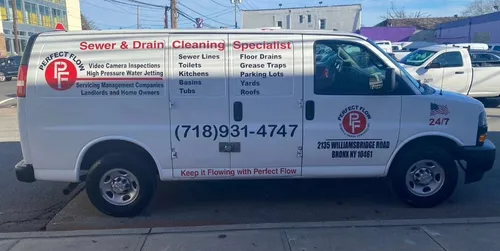
Perfect Flow Sewer & Drain Services provides septic tank inspection and septic system repair in Yonkers, NY. They offer thorough inspections, efficient cleaning, and precise repairs to maintain reliable sewer and drain systems. Their services focus on ensuring seamless flow and system functionality.
USTA Home Inspections
25 Continental Dr Unit C, Wayne, NJ 07470
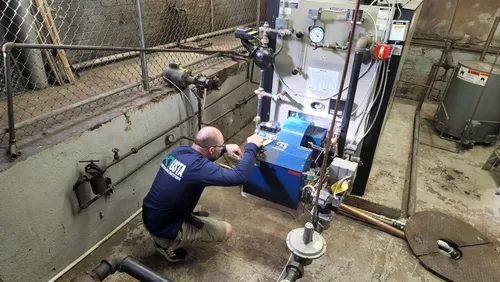
USTA Home Inspections is a septic tank inspection company serving New York, NY, and surrounding areas. They provide comprehensive home inspection services covering major components such as roofing, structural elements, electrical systems, HVAC, oil tank sweeps, foundation integrity, radon testing, termite inspections, and septic tank inspections. The company focuses on helping homebuyers make informed decisions by delivering clear and reliable inspection reports. USTA Home Inspections serves multiple counties in New Jersey and New York, including Passaic, Morris, Bergen, Essex, and Union. They emphasize protecting clients' investments and ensuring safety before moving into a new home.
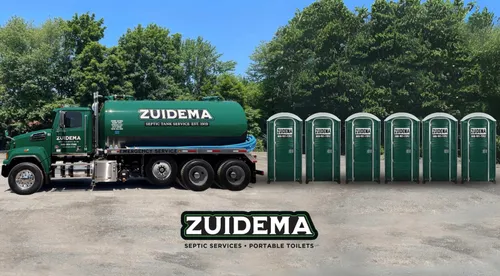
Zuidema Septic Services & Portable Toilets
90 Midland Ave, Midland Park, NJ 07432
Zuidema Septic Services & Portable Toilets provides residential and commercial septic services along with portable toilet and restroom trailer rentals in New York, NY. With over 100 years of experience since 1919, they offer septic tank pumping, inspections, repairs, and grease trap services. Their use of advanced sewer camera technology helps identify and address sewer line issues effectively. Zuidema also offers 24/7 emergency service for septic and portable toilet needs, ensuring support is available at any time.
EarthCare, a Wind River Company
New York, NY
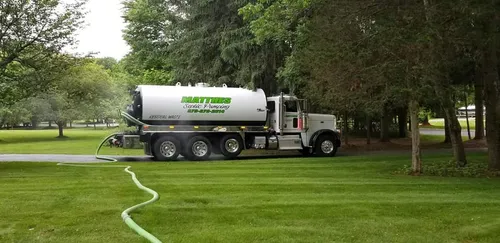
EarthCare, a Wind River Company, provides septic tank pumping, inspection, and grease services in New York, NY, and surrounding areas including North Jersey and Hudson Valley. Serving residential, commercial, and municipal clients, they offer comprehensive waste management solutions such as pumping, cleaning, hauling, disposal, and environmental compliance support. Established in 1946, EarthCare operates one of the industry's largest fleets and provides 24/7 emergency services to ensure continuous system operation and regulatory compliance.
Why Septic System Inspections Are Mandatory in New Jersey
New Jersey has stringent regulations governing onsite wastewater treatment systems to protect public health and groundwater quality. The New Jersey Department of Environmental Protection (NJDEP) mandates that all septic systems be properly maintained, with regular inspections forming a core part of that mandate. For homeowners in Hackensack, this translates to two primary scenarios requiring a professional evaluation:
- Routine Maintenance: The NJDEP recommends, and many local health departments require, a septic system inspection every three to five years. This proactive schedule helps identify issues like sludge buildup or minor cracks before they lead to a complete system failure.
- Property Transfer: Nearly all municipalities in New Jersey require a septic system certification inspection before a home can be sold. This inspection must follow the official state protocol (N.J.A.C. 7:9A-12.6) to ensure the system is functioning properly and meets current standards, providing security for both the buyer and seller.
Failure to maintain your system can result in a malfunction, which local health departments take very seriously. If a failure occurs, the homeowner will be issued a permit for repairs with strict compliance deadlines.
The Official New Jersey Inspection Protocol
A proper septic system evaluation in Hackensack is a thorough, multi-step process conducted by a state-certified inspector. It is far more than just looking at the tank. The standard protocol includes several key phases:
- Initial Site Assessment: The inspector walks the property to look for visual signs of failure. This includes checking for soggy ground or standing water in the drainfield area, unusually lush grass over the field, and any odors of sewage.
- Locating and Opening the Tank: The inspector locates the septic tank and removes the access lid. For a full "open-pit" inspection, they may need to excavate soil to fully expose the tank's manhole cover for safe entry and a complete internal view.
- Internal Tank Inspection: Once opened, the inspector checks the tank's structural integrity for cracks, checks inlet and outlet baffles for damage or blockage, and measures the levels of sludge (solid waste at the bottom) and scum (floating fats and grease). These measurements determine if immediate pumping is necessary.
- Drainfield Evaluation: This is a critical component. The inspector assesses the distribution box (D-box) to ensure wastewater is flowing evenly to all sections of the leach field. They may also use a probe to check for soil clogging or saturation in the drainfield itself 1.
- Pumping for Full Assessment: Often, a complete inspection requires pumping the tank. This allows the inspector to see the interior walls and bottom clearly to check for cracks or leaks that were hidden below the waterline 2 3.
- Final Reporting: Upon completion, the certified inspector provides a detailed report, often using the official NJDEP form. This document states whether the system passes, fails, or requires specific repairs, and is essential for compliance records or real estate transactions 4.
Understanding Costs for Inspection and Related Services
The cost of a septic inspection in the Hackensack area varies based on the type and depth of service required. It's important to get detailed quotes from certified providers.
- Routine Inspection (Visual, without pumping): A basic evaluation typically ranges from $300 to $500.
- Full Inspection with Pumping: The most common and thorough service for maintenance or sale combines a full inspection with tank pumping. This generally costs between $400 and $900 or more for a standard residential system 5.
- Advanced/Open-Pit Inspection: If the tank lid is buried deep or a more invasive drainfield evaluation is needed, additional fees for excavation and labor will apply.
- System Repair or Replacement: If an inspection reveals a failure, costs escalate significantly. Repairing a drainfield or replacing components can cost thousands. A completely new septic system installation in New Jersey can range from approximately $20,000 to $30,000 or higher, depending on soil conditions and system design 6 7.
Find the perfect septic tank inspection companies for your needs
Get personalized recommendations and expert advice
The Critical Link Between Inspection and Maintenance
A septic inspection is a snapshot of your system's health, but ongoing maintenance is what preserves it. The NJDEP emphasizes that regular pumping is the single most important maintenance task to prevent system failure. When sludge and scum are not periodically removed, they can flow into and clog the drainfield, leading to backups and environmental contamination.
For most households in Hackensack, pumping is recommended every 3 to 5 years, but the frequency can vary based on household size and usage 8. An inspection will tell you exactly when pumping is needed by measuring the sludge and scum layers. Adhering to this schedule protects your property value and prevents violations of local health codes.
Key Regulations Hackensack Homeowners Should Know
Beyond inspection schedules, several other New Jersey regulations impact septic system owners:
- Professional Licensing: All septic work-including inspection, pumping, repair, and installation-must be performed by a contractor certified by the NJDEP 9. Always verify a provider's certification before hiring them.
- System Setbacks: Your septic tank and drainfield must be installed at specific minimum distances from other features. Key setbacks include being at least 100 feet from a water well and 50 feet from a property line 10. These rules are strictly enforced to prevent cross-contamination.
- Failure Compliance: If your system is found to be failing during an inspection, the local health department will issue a repair permit. Homeowners must act within the stipulated timeline to correct the issue 11 12.
Choosing a Certified Septic Inspection Professional
Selecting the right inspector is crucial. Look for a professional who holds current NJDEP certification specifically for septic system inspection. They should be familiar with Bergen County and Hackensack township requirements, carry proper insurance, and be willing to explain the process and their findings clearly. A reputable inspector will provide a comprehensive written report that you can submit to local authorities or use for your maintenance records.
Frequently asked questions
Sources
Footnotes
-
Technical Guidance for Inspections of Onsite Wastewater Treatment ... - https://dep.nj.gov/wp-content/uploads/dwq/inspection_guidance.pdf ↩
-
How Septic System Inspections Are Performed in New Jersey - https://thesewerkings.com/blog/septic-system-inspections/ ↩
-
New Jersey Septic System Rules - 2026 Guide - https://thesewerkings.com/blog/new-jersey-septic-system-rules/ ↩
-
N.J. Admin. Code § 7:9A-12.6 - System inspection protocol for inspections conducted during real property transfer | State Regulations | US Law - https://www.law.cornell.edu/regulations/new-jersey/N-J-A-C-7-9A-12-6 ↩
-
Understanding Georgia's Septic Inspection Requirements - https://smartsepticpros.com/blog/septic-inspection-requirements/ ↩
-
NJ Septic Inspections - https://www.looksmarthomeinspections.com/Septic.html ↩
-
Septic Tanks for Beginners: Essential Insights and Best Practices - https://rogerwakefield.com/septic-tanks-for-beginners-essential-insights-and-best-practices/ ↩
-
SEPTIC - NJ.gov - https://dep.nj.gov/wp-content/uploads/dwq/pdf/septicmn.pdf ↩
-
Licensed Septic Service NJ - Requirements - The Sewer Kings - https://thesewerkings.com/blog/licensed-septic-service-professionals/ ↩
-
Navigating Septic System Regulations: Expert Guidance for New ... - https://www.mapengineering.net/navigating-septic-system-regulations/ ↩
-
Septic System Inspections - RUcore - https://rucore.libraries.rutgers.edu/rutgers-lib/28214/PDF/1/play/ ↩
-
NJ Septic Regulations for 2026: Inspections, Permits & Rules - https://www.atsenvironmental.com/blog/nj-septic-regulations-for-2026/ ↩