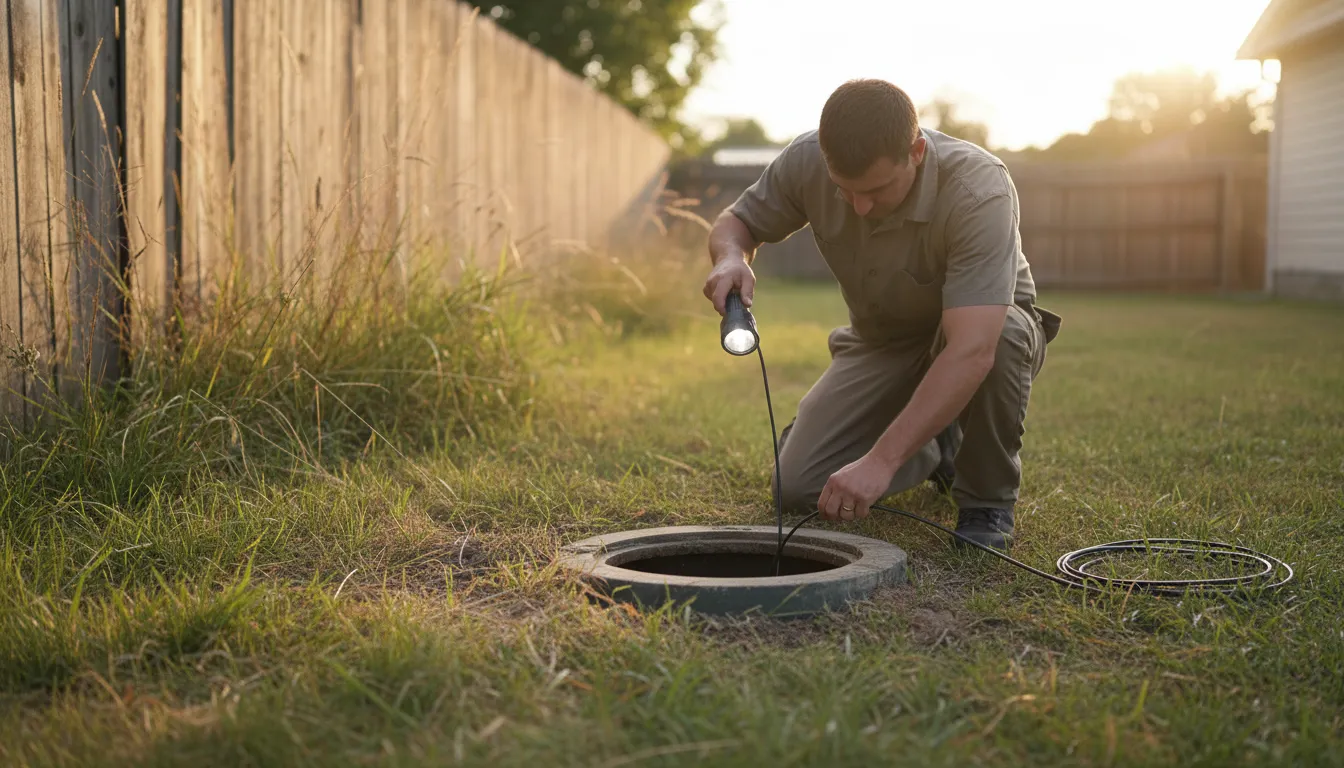
Find the Best Septic Tank Inspection Companies for Your Business
No obligation • Fast responses • Nationwide coverage

Why you can trust Septic Spot
Septic Spot is a leading United States resource for understanding and comparing septic services. Our editors review providers using consistent criteria and verify key business details. Listings and scores are independent, and companies cannot pay to influence our content.
Search providers near you
Top Septic Tank Inspection Companies in Middletown, New Jersey Ranked
A septic system inspection is a critical evaluation of your onsite wastewater treatment system's health and functionality. In Middletown, these assessments are not just a good idea-they are often a legal requirement, especially when buying or selling a home. Understanding the process, local regulations, and what inspectors look for can help you maintain your property's value, ensure environmental safety, and avoid costly emergencies. This guide will help you navigate the specifics of septic evaluations in Middletown so you can find qualified local professionals to perform this essential service.
Top Notch Home Inspection
68 Garden Rd, Little Silver, NJ 07739
Top Notch Home Inspection is a septic tank inspection company based in New York, NY. They offer a range of property inspection services including septic and sewer evaluations, wood-destroying insect inspections, oil tank sweeps, chimney assessments, and pool inspections. Their team encourages clients to participate during inspections to better understand their home's systems and the inspection process.
NJ Sewer Scopes
New York, NY
NJ Sewer Scopes is a septic tank inspection company based in New York, NY. They assist home buyers, sellers, and owners by providing inspections that help clients make informed decisions about their septic systems.
SafePRO Home Inspections, LLC
415 NJ-34 #109, Colts Neck, NJ 07722
SafePRO Home Inspections, LLC provides septic tank inspection and related home inspection services in New York, NY, as well as New Jersey and Pennsylvania. The company uses the latest inspection tools and technology to deliver detailed and easy-to-read reports. All inspectors are fully licensed, insured, and certified to perform home, pool, and environmental inspections. SafePRO Home Inspections is known for offering expert analysis and clear communication throughout the inspection process.
Arrow Sewer and Drain
165 Union Ave, Middlesex, NJ 08846
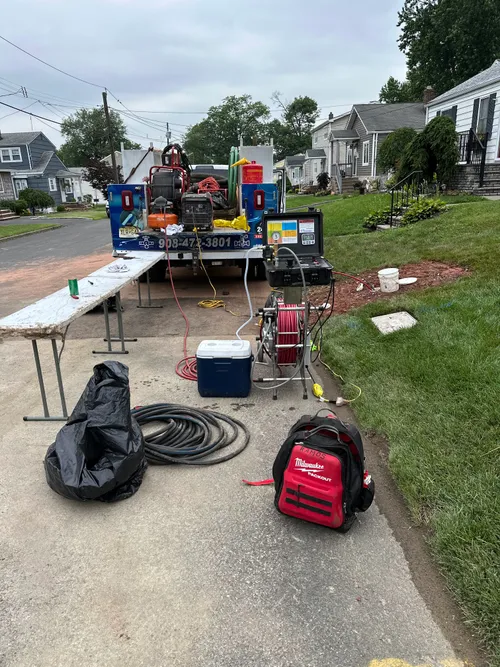
Arrow Sewer and Drain is a septic tank inspection and repair company serving New York, NY. They specialize in trenchless sewer repair methods that avoid excavation, preserving property while fixing cracked or corroded underground pipes. Their services include sewer inspections, pipe repairs, hydro-jetting, and emergency plumbing. The company offers 24/7 emergency plumbing service to address urgent sewer line problems quickly with professional camera inspections and effective solutions. Arrow Sewer and Drain serves a wide area including Middlesex and Somerset Counties in New Jersey, providing residential, commercial, and municipal sewer and plumbing projects.
Jersey Shore Septic And Sewer LLC
Lakewood, NJ
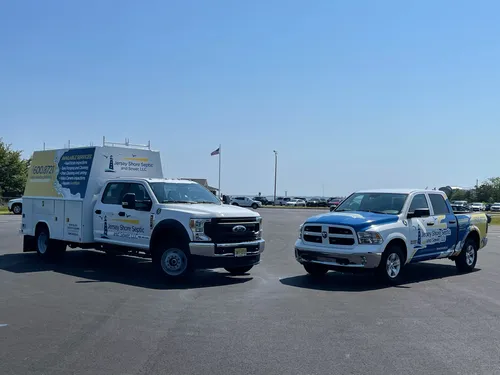
Jersey Shore Septic And Sewer LLC is a family-owned and operated business serving Lakewood, NJ, and surrounding counties including Atlantic, Middlesex, Monmouth, and Ocean. With over a decade of experience, they provide residential and commercial septic services such as septic tank pumping, inspections, repairs, replacements, and new installations. Their team holds CDL-A licenses and is trained to perform specialized services like video camera inspections and high-pressure water jetting. The company also offers excavation and commercial snow removal services.
Why Septic Inspections Are Mandatory in Middletown
Local regulations in Monmouth County make septic system evaluations a cornerstone of property stewardship. The primary oversight comes from the Monmouth County Health Department (MCHD), which enforces state guidelines from the New Jersey Department of Environmental Protection (NJDEP). There are two key scenarios where an inspection is compulsory.
First, a septic system inspection is required during any property transfer1. Before a sale can be finalized, the seller must provide a receipt proving the septic tank was pumped within the last three years to the MCHD. This rule ensures the new homeowner isn't inheriting an immediate, expensive problem. Second, beyond real estate transactions, the NJDEP strongly recommends that all systems undergo a professional inspection and pumping every 3 to 5 years as part of routine maintenance1. Adhering to this schedule helps prevent system failures, protects groundwater from contamination, and is far more economical than emergency repairs.
What a Comprehensive Septic Evaluation Involves
A standard septic inspection in New Jersey, performed by a DEP-certified professional, is a multi-step process designed to assess every component of your wastewater system. It's much more than just checking if the tank is full.
Record Review and Site Assessment: The process begins before the inspector arrives at your property. They will review existing records with the local health department to understand your system's design, age, and past performance. On-site, the first task is to locate and excavate the access lids for both the septic tank and the distribution box (D-box), which can sometimes be buried under several inches of soil.
Tank Examination and Pumping: Once opened, the inspector measures the levels of scum (floating materials) and sludge (settled solids) to determine if the tank is due for pumping 2. Pumping the tank is typically included in the inspection cost, as it is necessary to visually inspect the tank's interior for structural integrity, check the condition of inlet and outlet baffles, and examine the tank bottom for cracks or leaks2 3 4.
System Performance Testing: A crucial part of the inspection is evaluating the drain field's ability to handle effluent. For occupied homes, inspectors often perform a flow test or hydraulic load test by running a significant amount of water into the system to check for slow drainage, backups, or surface saturation in the leach field. If a home has been vacant for more than a week, this load test is specifically required to ensure the system will function under normal use.
Final Reporting: After the evaluation, you will receive a detailed inspection report. This document will categorize the system's status as Pass, Conditional Approval, or Fail. A "Conditional" rating might note minor issues that need addressing, while a "Fail" indicates significant problems requiring repair or replacement, which must then be permitted and re-inspected by the MCHD.
Find the perfect septic tank inspection companies for your needs
Get personalized recommendations and expert advice
Understanding Costs: Inspection, Permits, and Beyond
The investment in a septic inspection is minor compared to the cost of a failing system. Being aware of the potential fees helps in budgeting for both routine maintenance and unexpected repairs.
Inspection and Pumping Fees: For a standard pre-purchase or routine maintenance inspection in the Middletown area, you can generally expect to pay between $400 and $800. This fee typically covers the comprehensive evaluation, the pumping service, and the formal inspection report required for real estate transactions.
Permit and Repair Costs: If your inspection uncovers problems, any repair work will require a permit from your municipality and final inspection by the MCHD5. Permit fees alone can range from $250 to over $1,500, depending on the complexity of the repair or modification6 7. Should the system fail entirely and require a full replacement, homeowners must be prepared for a significant expense, with new installations often costing between $15,000 and $35,000 or more6 7.
Key Regulations Every Middletown Homeowner Should Know
Local and state rules dictate specific requirements for system design, use, and maintenance. For instance, New Jersey regulations state that a septic tank must have a minimum capacity of 1,000 gallons, with sizing typically based on an allowance of 250 gallons per bedroom in the home8.
Your daily habits also impact your system's health. Using a garbage disposal is strongly discouraged, as it introduces excessive solids and grease into the tank, causing sludge to build up much faster and necessitating more frequent-and costly-pumping9. Furthermore, any malfunction or failure identified during an inspection triggers a mandatory process: repairs must be designed by a licensed professional, permitted by the town, and finally approved by the Monmouth County Health Department.
Maintaining Your System Between Inspections
Professional inspections every few years are essential, but what you do in between matters greatly. Avoid pouring fats, oils, grease, harsh chemicals, or non-biodegradable items down your drains. Be mindful of water usage; spreading out laundry loads and fixing leaky faucets reduces hydraulic load on the drain field. Also, never park vehicles or place heavy structures like sheds over your septic tank or drain field, as the compression can damage pipes and soil.
Scheduling a routine inspection before you suspect a problem is the best strategy. It provides peace of mind, ensures compliance with local laws, and ultimately protects one of your property's most critical and expensive subsystems.
Frequently asked questions
Sources
Footnotes
-
SEPTIC - NJ.gov - https://dep.nj.gov/wp-content/uploads/dwq/pdf/septicmn.pdf ↩ ↩2
-
How Septic System Inspections Are Performed in New Jersey - https://thesewerkings.com/blog/septic-system-inspections/ ↩ ↩2
-
Inspections - New Jersey Septic Management Group - https://nj-septic.com/inspections/ ↩
-
What to Expect During a Septic Inspection in New Jersey - https://www.luxeservicegroup.com/sellers/new-jersey-septics-and-inspections/ ↩
-
Septic and Well Inspection Requirements by Municipality - https://www.co.monmouth.nj.us/documents/118/SW1_SEPTIC_AND_WELL_INSPECTION_REQUIREMENTS_BY_MUNICIPALITY.pdf ↩
-
NJ Septic Regulations for 2026: Inspections, Permits & Rules - https://www.atsenvironmental.com/blog/nj-septic-regulations-for-2026/ ↩ ↩2
-
Navigating Septic System Regulations: Expert Guidance for New Jersey Property Owners - https://www.mapengineering.net/navigating-septic-system-regulations/ ↩ ↩2
-
New Jersey Septic Tank Rules And Regulations - Arrow Sewer And Drain - https://www.arrowsewernj.com/blog/septic-tanks-in-new-jersey-what-you-need-to-know/ ↩
-
Technical Guidance for Inspections of Onsite Wastewater Treatment ... - https://dep.nj.gov/wp-content/uploads/dwq/inspection_guidance.pdf ↩