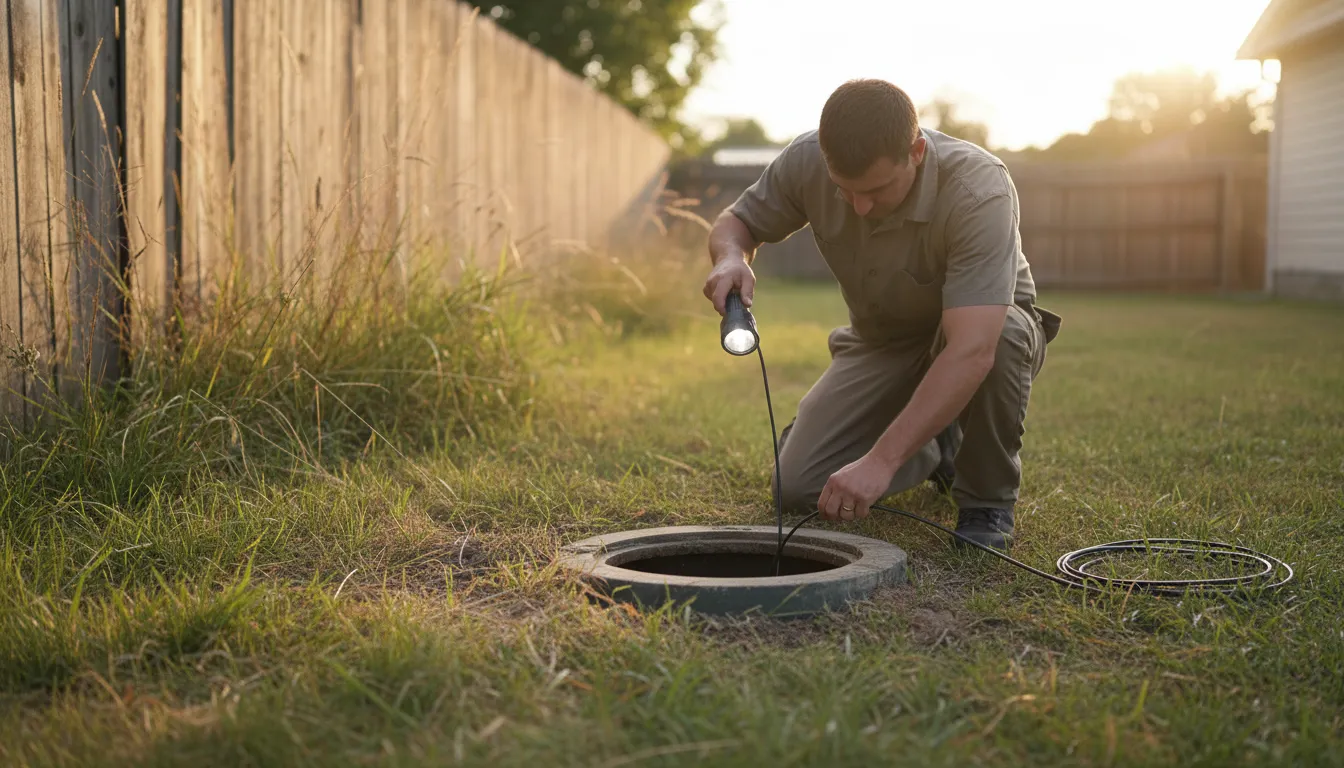
Find the Best Septic Tank Inspection Companies for Your Business
No obligation • Fast responses • Nationwide coverage

Why you can trust Septic Spot
Septic Spot is a leading United States resource for understanding and comparing septic services. Our editors review providers using consistent criteria and verify key business details. Listings and scores are independent, and companies cannot pay to influence our content.
Search providers near you
Top Septic Tank Inspection Companies in Mount Laurel, New Jersey Ranked
A septic tank inspection is a professional assessment of your onsite wastewater treatment system's condition and functionality. This evaluation is crucial for protecting your property value, ensuring environmental safety, and preventing costly system failures. For Mount Laurel homeowners, understanding the local process helps you maintain your system effectively and navigate important events like property transfers. This guide outlines what to expect from a septic system evaluation in Burlington County, detailing the inspection steps, local guidelines, and how to connect with qualified professionals in your area.
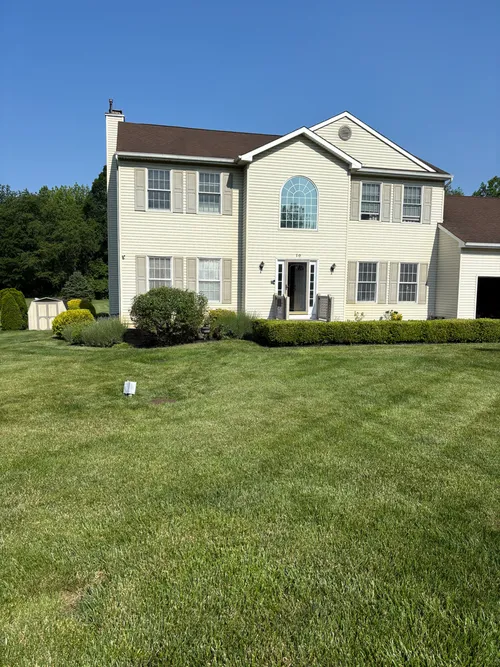
EcoFlow Septic
Philadelphia, PA
EcoFlow Septic is a veteran-owned company providing residential septic and sewer services in Philadelphia, PA. They offer septic tank pumping, inspections, and repairs with a focus on detailed, code-compliant work. The company emphasizes clear communication and practical solutions to help homeowners and realtors manage septic system maintenance and real estate inspections with confidence. EcoFlow Septic aims to protect homes, investments, and the environment through honest and professional service.
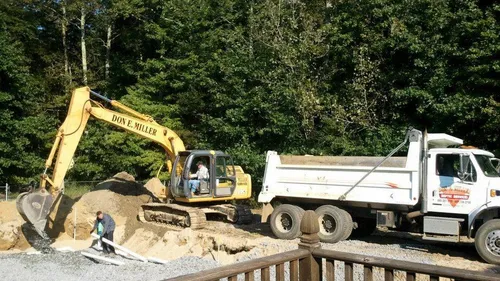
Don E Miller Septic Service Inc & Donny's Potty's
362 Meany Rd, North Hanover, NJ 08562
Don E Miller Septic Service Inc & Donny's Potty's is a family-owned septic service provider based near Philadelphia, PA. They offer a wide range of septic system services including pumping, inspections, repairs, and installations, as well as portable toilet rentals for residential, commercial, and municipal customers. The company has been serving the North Hanover Township area and surroundings since 1963, providing expertise in maintaining and installing various septic system components such as dosing pumps, grease traps, and effluent filters.
Classic Septic Inspections
New York, NY
Classic Septic Inspections provides septic and sewer inspection services in New York, NY, and the surrounding tri-state area. Their team offers thorough inspections for septic tanks, cesspools, seepage pits, disposal fields, and sewer lines using fiber-optic cameras to detect and locate issues. They serve home buyers, sellers, and owners with pre-sale inspections and general septic system evaluations. Classic Septic Inspections covers multiple counties in New York, New Jersey, and Connecticut, supporting real estate transactions and ongoing maintenance needs.

Decker Septic
29 Constitution Dr, Vincentown, NJ 08088
Decker Septic is a septic system service provider based near Philadelphia, PA. They offer a range of services including septic tank pumping, inspections, repairs, installations, and drain field replacement. The company is experienced in handling septic pump repairs and replacements, as well as managing system components like collars and manhole covers to prevent flooding issues. Customers have noted their thorough approach to septic system replacement and maintenance, including assistance with engineering and county approvals. Decker Septic is known for working within tight timelines and maintaining property condition during their work.
John's Septic & Excavation
Philadelphia, PA
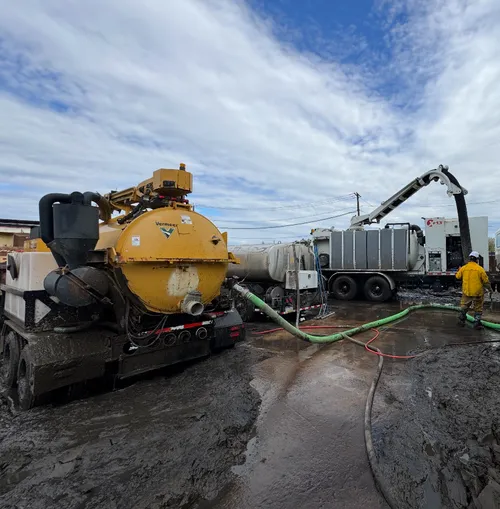
John's Septic & Excavation provides septic system installations, repairs, and inspections along with site excavation services in Philadelphia, PA. They serve residential and commercial properties throughout Southeastern Pennsylvania, including Montgomery, Chester, Berks, Bucks, and Delaware Counties. The company specializes in engineered septic system installations compliant with current regulations and offers hydro excavation and stormwater system solutions. Their approach emphasizes proper site preparation and engineered wastewater systems designed for long-term use.
Why Septic System Inspections Matter in Mount Laurel
Regular septic system evaluations are a key part of responsible homeownership. In Mount Laurel, while New Jersey state law does not mandate routine inspections for all homeowners, local health regulations or specific circumstances often require them. The most common trigger is a property transfer, where mortgage lenders or cautious buyers will typically demand a certified inspection report. Beyond real estate transactions, proactive assessments help identify minor issues-like a failing baffle or early signs of drain field saturation-before they escalate into major repairs or environmental hazards, such as sewage backing into your home or contaminating groundwater.
The New Jersey Department of Environmental Protection (NJDEP) provides technical guidance to standardize these inspections, ensuring they are thorough and consistent. Homeowners are advised to keep detailed records of all inspections, pumping, and repairs for at least five years, which is invaluable for maintenance tracking and during a home sale 1.
Recommended Inspection Frequency and Local Guidelines
How often should you schedule a septic system check? General maintenance guidelines recommend a professional inspection every one to three years, coupled with pumping the tank every three to five years. However, the ideal schedule can vary based on your household size, tank capacity, and overall system usage.
For Mount Laurel residents, it's essential to confirm specific requirements with the Burlington County Health Department, as local ordinances can introduce more frequent inspection mandates, especially for older systems or those in environmentally sensitive areas. Adhering to a regular maintenance schedule is the most effective way to extend the lifespan of your system, which can often last 25-30 years or more with proper care.
The Step-by-Step Septic Inspection Process
A comprehensive septic tank inspection in New Jersey involves a multi-step process designed to evaluate every component of your wastewater system. Here's what a certified professional will typically do:
1. Locate & Access the System The inspector begins by locating all critical components: the septic tank, distribution box, and access lids. This may involve consulting property records or using probing tools if the lids are buried.
2. Pump the Tank for Internal Inspection The tank is pumped out to allow for a clear internal assessment. This step is crucial for checking structural integrity (looking for cracks or corrosion) and measuring sludge and scum layers to determine if pumping is needed more or less frequently.
3. Inspect Tank Components With the tank empty, the inspector examines the inlet and outlet baffles (or tees) for damage or blockage, checks the integrity of all pipes, and cleans the effluent filter if one is present 2.
4. Assess the Drain Field The absorption area, or leach field, is evaluated for signs of failure. The inspector looks for overly soggy soil, foul odors, or the surfacing of untreated effluent, which indicate that the field is not properly absorbing liquid 3 4.
5. Conduct a Hydraulic Load Test This final test simulates normal household water use by running a substantial amount of water through the system. It helps verify that the tank and drain field can handle a full day's wastewater flow without backing up or surfacing, providing a real-time assessment of functionality 5 6.
Find the perfect septic tank inspection companies for your needs
Get personalized recommendations and expert advice
Understanding Inspection Costs in Mount Laurel
The cost of a septic system inspection in Mount Laurel can vary based on the system's size, complexity, and whether the tank needs to be pumped as part of the service. On average, homeowners can expect to pay between $400 and $800 for a full inspection 7 8. This fee often includes the cost of pumping the tank, which is necessary for a proper internal evaluation. If pumping is done as a standalone maintenance task, the price varies more widely based on tank size 9 10. While this is an investment, it is minor compared to the potential cost of repairing or replacing a failed septic system, which can run into the tens of thousands of dollars.
Choosing a Qualified Septic Inspector
Selecting the right professional is critical for a reliable assessment. Look for inspectors who are licensed and experienced with systems in Burlington County and familiar with NJDEP guidelines 11. They should provide a detailed report covering all inspected components, measurements of sludge/scum, observations of the drain field, and the results of the hydraulic load test. A reputable inspector will also be able to explain their findings clearly and recommend a tailored maintenance schedule for your specific system.
Maintaining Your System Post-Inspection
After your inspection, follow any recommendations provided. This may include more frequent pumping, repairing a damaged component, or implementing water conservation measures to reduce strain on the drain field. Remember, what you put into your system matters. Avoid flushing non-biodegradable items, chemicals, grease, and excessive use of garbage disposals, as these can accelerate sludge buildup and damage the biological treatment process inside your tank 12. Proper maintenance following a professional evaluation is your best defense against unexpected failures.
Frequently asked questions
Sources
Footnotes
-
Compliance Advisory - NJ.gov - https://www.nj.gov/dep/enforcement/advisories/2022-11.pdf ↩
-
What to Expect from a Septic Inspection - https://www.wrenvironmental.com/blog/2023/may/what-to-expect-from-a-septic-inspection/ ↩
-
Septic Inspection Guide for Home Buyers | Hunterdon & Warren ... - https://www.luxeservicegroup.com/buyers/performing-a-new-jersey-septic-inspection/ ↩
-
NJ Septic Regulations for 2026: Inspections, Permits & Rules - https://www.atsenvironmental.com/blog/nj-septic-regulations-for-2026/ ↩
-
How Septic System Inspections Are Performed in New Jersey - https://thesewerkings.com/blog/septic-system-inspections/ ↩
-
iv. Inspections shall be conducted on a more frequent basis if ... - https://quintonnj.com/qho/septic_cert_guide.pdf ↩
-
New Jersey Septic System Rules - 2026 Guide - https://thesewerkings.com/blog/new-jersey-septic-system-rules/ ↩
-
Exploring the Costs of Septic Tank Inspections: What to Expect - https://www.theflushfellas.com/exploring-the-costs-of-septic-tank-inspections-what-to-expect ↩
-
Frequent Questions on Septic Systems | US EPA - https://www.epa.gov/septic/frequent-questions-septic-systems ↩
-
What to Expect During a Septic Tank Inspection - https://www.redfin.com/blog/what-you-need-to-know-about-septic-inspections/ ↩
-
NJDEP| Division of Water Quality | Inspection Guidance - https://dep.nj.gov/dwq/wastewater/septic-systems/inspection-guidance/ ↩
-
SEPTIC - NJ.gov - https://dep.nj.gov/wp-content/uploads/dwq/pdf/septicmn.pdf ↩