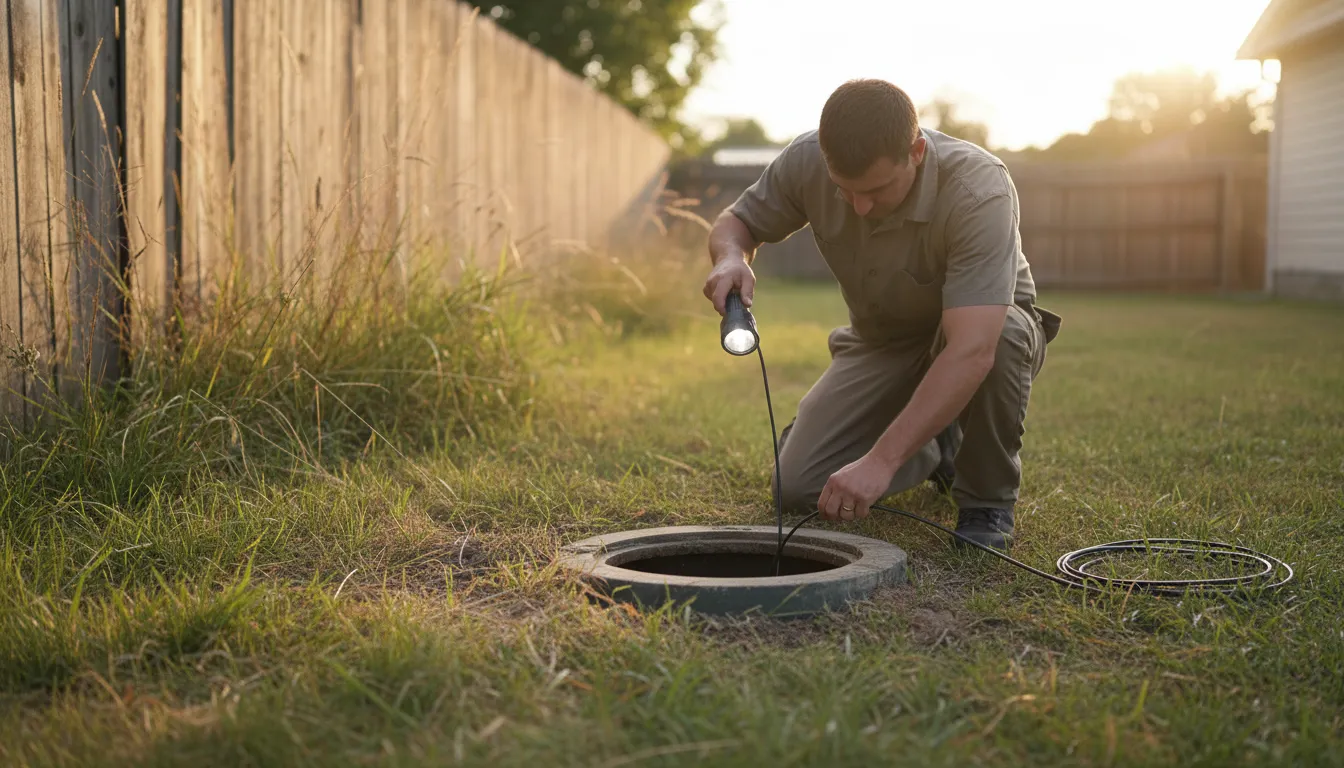
Find the Best Septic Tank Inspection Companies for Your Business
No obligation • Fast responses • Nationwide coverage

Why you can trust Septic Spot
Septic Spot is a leading United States resource for understanding and comparing septic services. Our editors review providers using consistent criteria and verify key business details. Listings and scores are independent, and companies cannot pay to influence our content.
Search providers near you
Top Septic Tank Inspection Companies in North Brunswick, New Jersey Ranked
A septic system inspection is a critical evaluation of your onsite wastewater treatment system's health and functionality. In North Brunswick, these assessments are vital for protecting your property value, ensuring environmental safety, and complying with state and county regulations. Whether you're buying a home, maintaining your current property, or addressing a suspected issue, understanding the local inspection process helps you find qualified professionals to conduct a thorough evaluation.
Top Notch Home Inspection
68 Garden Rd, Little Silver, NJ 07739
Top Notch Home Inspection is a septic tank inspection company based in New York, NY. They offer a range of property inspection services including septic and sewer evaluations, wood-destroying insect inspections, oil tank sweeps, chimney assessments, and pool inspections. Their team encourages clients to participate during inspections to better understand their home's systems and the inspection process.
NJ Sewer Scopes
New York, NY
NJ Sewer Scopes is a septic tank inspection company based in New York, NY. They assist home buyers, sellers, and owners by providing inspections that help clients make informed decisions about their septic systems.
SafePRO Home Inspections, LLC
415 NJ-34 #109, Colts Neck, NJ 07722
SafePRO Home Inspections, LLC provides septic tank inspection and related home inspection services in New York, NY, as well as New Jersey and Pennsylvania. The company uses the latest inspection tools and technology to deliver detailed and easy-to-read reports. All inspectors are fully licensed, insured, and certified to perform home, pool, and environmental inspections. SafePRO Home Inspections is known for offering expert analysis and clear communication throughout the inspection process.
Arrow Sewer and Drain
165 Union Ave, Middlesex, NJ 08846
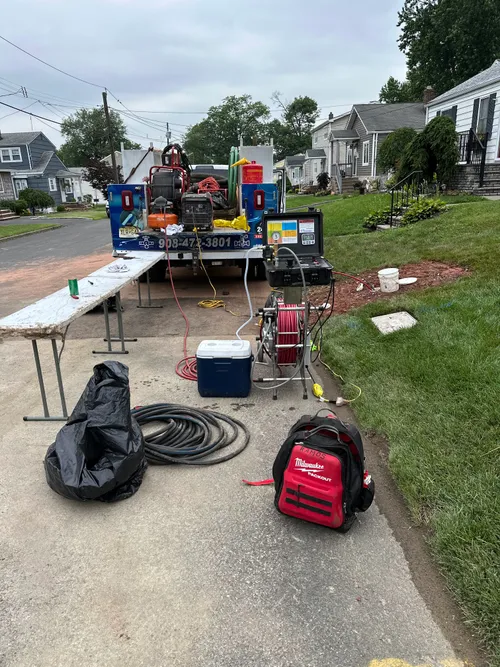
Arrow Sewer and Drain is a septic tank inspection and repair company serving New York, NY. They specialize in trenchless sewer repair methods that avoid excavation, preserving property while fixing cracked or corroded underground pipes. Their services include sewer inspections, pipe repairs, hydro-jetting, and emergency plumbing. The company offers 24/7 emergency plumbing service to address urgent sewer line problems quickly with professional camera inspections and effective solutions. Arrow Sewer and Drain serves a wide area including Middlesex and Somerset Counties in New Jersey, providing residential, commercial, and municipal sewer and plumbing projects.
Home Guard Home Inspection
100 Craig Rd Suite 203, Manalapan Township, NJ 07726
Home Guard Home Inspection offers comprehensive home inspection services in New York, NY, focusing on key aspects such as septic tank inspections, foundation, roofing, electrical, plumbing, and HVAC systems. Their InterNACHI-certified inspectors use advanced technology like infrared thermal imaging and drone roof assessments to detect potential issues. The company serves homeowners by providing detailed, easy-to-read reports that help clients make informed decisions before purchasing a property. Based in New Jersey, they cover a range of inspections including septic, sewer main, radon, mold, and wood-destroying insect inspections.
Why Septic Inspections Are Essential in Middlesex County
Your septic system is a significant, out-of-sight investment. Regular septic system evaluations are not just a good idea-they are a key part of responsible homeownership. In Middlesex County, which oversees North Brunswick, failing systems can contaminate groundwater, create public health hazards, and lead to costly property damage and legal fines. An inspection provides a clear snapshot of your system's condition, identifying minor issues before they become major, expensive failures. For homeowners, this is preventative maintenance. For buyers and sellers, it's a non-negotiable step in the real estate transaction process, often required to finalize a sale under New Jersey law 1 2.
Understanding New Jersey's Inspection Regulations
Septic inspections in North Brunswick are governed by specific state technical guidelines, primarily N.J.A.C. 7:9A-12.6, which outlines the protocol for inspections conducted during real property transfers. The New Jersey Department of Environmental Protection (NJDEP) and the Middlesex County Office of Health Services provide the framework that certified inspectors must follow.
- Mandatory for Real Estate: A certified inspection is typically required when a property with a septic system is sold. The inspector must submit a completed state-approved form (like the Appendix F Onsite System Inspection Form) to the local health department within 10 business days 3.
- Oversight Authority: The Middlesex County Office of Health Services, Environmental Health division, administers the local septic system program, including permitting and record-keeping.
- Recommended Frequency: Even outside of a sale, experts recommend a professional system assessment every 1 to 3 years, with accompanying pumping every 3 to 5 years, to ensure everything is functioning correctly.
What a Comprehensive Septic Inspection Involves
A proper septic tank check is a multi-step process that goes far beyond just looking at the tank. Certified professionals follow NJDEP technical guidance to evaluate the entire system 4.
-
File Review & Site Evaluation: The inspector starts by reviewing any available "as-built" drawings from the local health department to understand the system's original design and location. They then perform a visual site inspection, looking for warning signs like unusually lush grass over the drain field, surfacing sewage, or foul odors.
-
Interior Home Check: Inside the house, the inspector will run faucets and flush toilets to check for drainage backups or slow drains. They will also ask about the use of garbage disposals or water softeners, as these can significantly increase the load on a septic system 5.
-
Tank Access and Evaluation: This is the core of the inspection. The inspector will locate and uncover the tank's access ports.
- Sludge and Scum Measurement: They will measure the depth of the sludge layer at the bottom and the scum layer at the top. If these layers are too thick, they indicate the need for pumping and can cause system failure.
- Baffle and Wall Inspection: The structural components inside the tank, including inlet and outlet baffles, are checked for integrity. Damaged baffles can allow solids to escape into the drain field, causing clogs and failure 6.
-
Tank Pumping: For a thorough inspection, the tank is almost always pumped out. This is necessary to properly inspect the tank's interior walls, floor, and baffles for cracks, corrosion, or structural damage. Pumping during the inspection provides a clean baseline for the new homeowner 7.
-
Hydraulic Load Test (if needed): If the home is vacant at the time of inspection, an inspector may perform a hydraulic load test. This involves introducing a substantial amount of water into the system to simulate use and verify that the drain field is absorbing effluent properly 8.
Find the perfect septic tank inspection companies for your needs
Get personalized recommendations and expert advice
Cost of Septic Inspections in North Brunswick
The price for a septic system inspection can vary based on the tank's size, accessibility, and the scope of the evaluation. For a standard pre-purchase inspection in the North Brunswick area, homeowners can expect costs typically ranging from $400 to $800 9 10. This fee often includes the comprehensive evaluation and the required tank pumping. Separate pumping-only services vary by tank size (commonly 1,000 to 2,000 gallons) and the level of sludge accumulation 11. It's important to note that if an inspection reveals problems requiring repairs or system upgrades, local health department permit fees for that work can range from $250 to $1,500 or more, depending on the project's complexity 12 13.
Consequences of a Failed Inspection
The goal of an inspection is to ensure your system is functioning properly. If the septic system evaluation reveals serious issues, the system will be marked as "failed." Common reasons for failure include:
- A clogged or destroyed drain field.
- Structural damage to the septic tank (cracks, collapse).
- Baffle failure or illegal discharges.
- Improper system design or installation for the property's soil conditions.
A failed inspection, especially during a real estate transaction, stops the process. The buyer and seller must then negotiate repairs. From a regulatory standpoint, a failing system that is contaminating the environment must be addressed immediately. Failure to remediate a known problem can result in significant fines from county or state authorities, which can range from hundreds to tens of thousands of dollars 14.
Choosing a Qualified Septic Inspection Professional
Given the technical and regulatory complexity, selecting the right provider is crucial. Look for a licensed and insured professional with specific experience in Middlesex County and North Brunswick. They should be thoroughly familiar with NJDEP guidelines (N.J.A.C. 7:9A) and county health department procedures. A reputable inspector will clearly explain each step of the process, provide a detailed written report with photos, and communicate openly about their findings, whether the system passes or fails.
Maintaining Your System Post-Inspection
After a clean inspection report, maintaining your system is key to its longevity. Adhere to the recommended pumping schedule of every 3-5 years. Be mindful of what goes down your drains-avoid flushing chemicals, oils, wipes, and excessive use of garbage disposals. Conserve water to avoid hydraulically overloading the system. Finally, keep detailed records of all inspections, pumping, and repairs; this documentation is invaluable for future maintenance and is essential if you decide to sell your property.
Frequently asked questions
Sources
Footnotes
-
SEPTIC - NJ.gov - https://dep.nj.gov/wp-content/uploads/dwq/pdf/septicmn.pdf ↩
-
N.J. Admin. Code § 7:9A-12.6 - System inspection protocol for inspections conducted during real property transfer | State Regulations | US Law - https://www.law.cornell.edu/regulations/new-jersey/N-J-A-C-7-9A-12-6 ↩
-
New Jersey Septic Tank Rules And Regulations - Arrow Sewer & Drain - https://www.arrowsewernj.com/blog/septic-tanks-in-new-jersey-what-you-need-to-know/ ↩
-
NJDEP| Division of Water Quality | Inspection Guidance - https://dep.nj.gov/dwq/wastewater/septic-systems/inspection-guidance/ ↩
-
Compliance Advisory - NJ.gov - https://www.nj.gov/dep/enforcement/advisories/2023-07.pdf ↩
-
Septic Tank Inspection Report: How to Read It Correctly - https://dandhsepticservices.com/septic-tank-inspection-report/ ↩
-
Inspections - New Jersey Septic Management Group - https://nj-septic.com/inspections/ ↩
-
Technical Guidance for Inspections of Onsite Wastewater Treatment ... - https://dep.nj.gov/wp-content/uploads/dwq/inspection_guidance.pdf ↩
-
NJ Septic Regulations for 2026: Inspections, Permits & Rules - https://www.atsenvironmental.com/blog/nj-septic-regulations-for-2026/ ↩
-
Septic System Program | Middlesex County NJ - https://www.middlesexcountynj.gov/government/departments/department-of-public-safety-and-health/office-of-health-services/environmental-health/septic-system-program ↩
-
How Often Should You Pump Your Septic Tank: 3 Factors Solved - https://www.frasiers.com/blog/sewage-tank-pump-frequency/ ↩
-
Navigating Septic System Regulations: Expert Guidance for New Jersey Property Owners - https://www.mapengineering.net/navigating-septic-system-regulations/ ↩
-
Septic Tank Services: Frequently Asked Questions (FAQs) - https://skipswastewater.com/faq/ ↩
-
How Septic System Inspections Are Performed in New Jersey - https://thesewerkings.com/blog/septic-system-inspections/ ↩