Find the Best Septic Tank Inspection Companies for Your Business
No obligation • Fast responses • Nationwide coverage

Why you can trust Septic Spot
Septic Spot is a leading United States resource for understanding and comparing septic services. Our editors review providers using consistent criteria and verify key business details. Listings and scores are independent, and companies cannot pay to influence our content.
Search providers near you
Top Septic Tank Inspection Companies in Plainfield, New Jersey Ranked
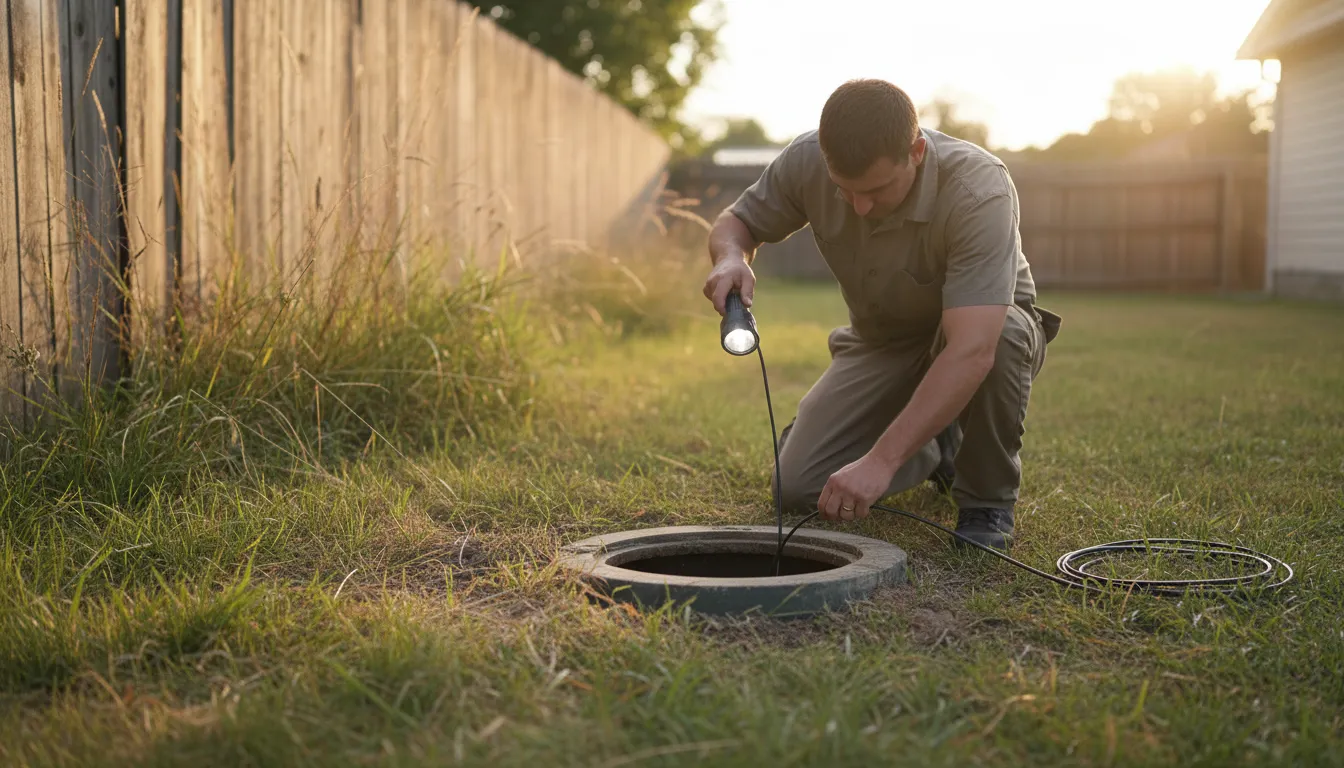
A septic tank inspection is a critical evaluation of your onsite wastewater treatment system to ensure it is functioning safely and legally. In Plainfield, these assessments are especially important due to strict state and local health regulations, often required during property sales. This guide helps you understand the inspection process, local requirements, and how to find qualified professionals to evaluate your system.
Top Notch Home Inspection
68 Garden Rd, Little Silver, NJ 07739
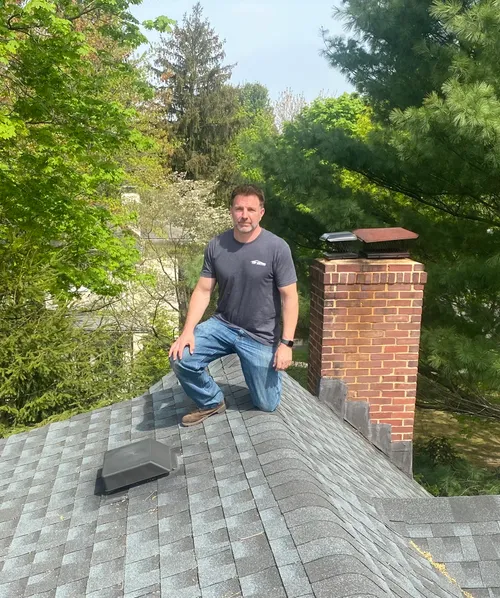
Top Notch Home Inspection is a septic tank inspection company based in New York, NY. They offer a range of property inspection services including septic and sewer evaluations, wood-destroying insect inspections, oil tank sweeps, chimney assessments, and pool inspections. Their team encourages clients to participate during inspections to better understand their home's systems and the inspection process.
NJ Sewer Scopes
New York, NY
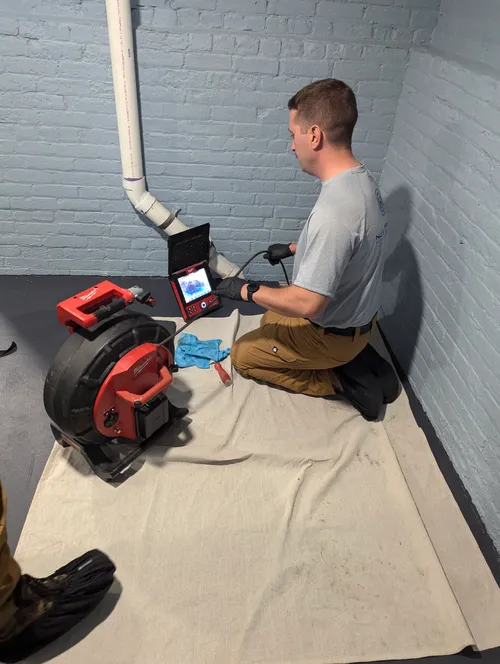
NJ Sewer Scopes is a septic tank inspection company based in New York, NY. They assist home buyers, sellers, and owners by providing inspections that help clients make informed decisions about their septic systems.
SafePRO Home Inspections, LLC
415 NJ-34 #109, Colts Neck, NJ 07722
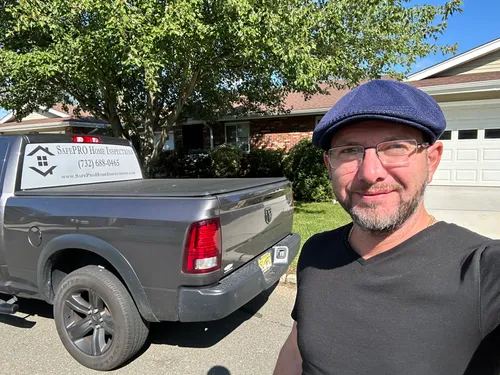
SafePRO Home Inspections, LLC provides septic tank inspection and related home inspection services in New York, NY, as well as New Jersey and Pennsylvania. The company uses the latest inspection tools and technology to deliver detailed and easy-to-read reports. All inspectors are fully licensed, insured, and certified to perform home, pool, and environmental inspections. SafePRO Home Inspections is known for offering expert analysis and clear communication throughout the inspection process.
Arrow Sewer and Drain
165 Union Ave, Middlesex, NJ 08846
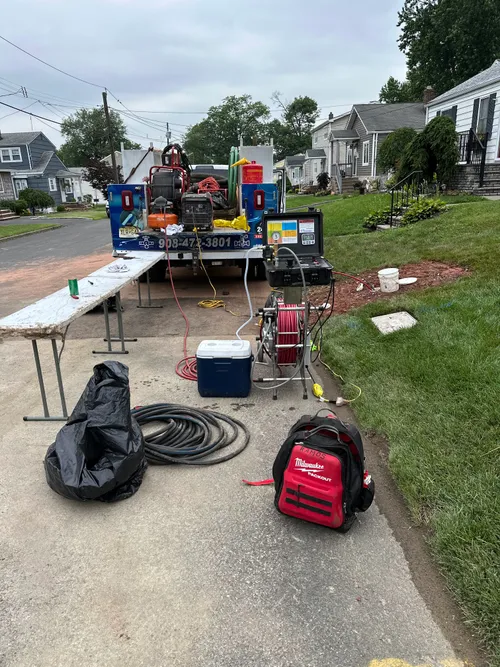
Arrow Sewer and Drain is a septic tank inspection and repair company serving New York, NY. They specialize in trenchless sewer repair methods that avoid excavation, preserving property while fixing cracked or corroded underground pipes. Their services include sewer inspections, pipe repairs, hydro-jetting, and emergency plumbing. The company offers 24/7 emergency plumbing service to address urgent sewer line problems quickly with professional camera inspections and effective solutions. Arrow Sewer and Drain serves a wide area including Middlesex and Somerset Counties in New Jersey, providing residential, commercial, and municipal sewer and plumbing projects.
Home Guard Home Inspection
100 Craig Rd Suite 203, Manalapan Township, NJ 07726
Home Guard Home Inspection offers comprehensive home inspection services in New York, NY, focusing on key aspects such as septic tank inspections, foundation, roofing, electrical, plumbing, and HVAC systems. Their InterNACHI-certified inspectors use advanced technology like infrared thermal imaging and drone roof assessments to detect potential issues. The company serves homeowners by providing detailed, easy-to-read reports that help clients make informed decisions before purchasing a property. Based in New Jersey, they cover a range of inspections including septic, sewer main, radon, mold, and wood-destroying insect inspections.
Understanding Septic System Evaluations in Plainfield
A septic system inspection, often called a septic certification or evaluation, is a comprehensive review mandated by the New Jersey Department of Environmental Protection (NJDEP). For Plainfield homeowners, this isn't just a good idea-it's frequently a legal necessity, particularly when buying or selling a home. The process goes far beyond a simple look at your yard; it's a detailed protocol designed to protect public health and groundwater by identifying failing systems before they cause contamination.
The local Union County Health Department enforces NJDEP rules, which means any repair, replacement, or property transfer involving a septic system must comply with state standards. An official inspection provides the certification needed for these transactions and ensures your system isn't posing a risk to your family or neighbors.
The NJDEP Inspection Protocol: What Inspectors Look For
In Plainfield, certified inspectors follow the NJDEP-approved Onsite System Inspection Form (Appendix F). This standardized protocol ensures every evaluation is thorough and consistent. Here's a breakdown of what the inspection entails:
Record Review & System Locating The process begins on paper. The inspector will review records at the local health department to understand your system's original design, age, and any past maintenance or issues 1. Next, they physically locate and expose key components: the septic tank, distribution box (D-box), and the soil absorption field (drain field).
Tank Pumping and Internal Inspection A core part of the evaluation involves pumping out the septic tank. This is not just a cleaning service; it's essential for inspecting the tank's interior. Once empty, the inspector can check for structural problems like cracks, leaks, inlet/outlet baffle integrity, and signs of corrosion or damage2. They also measure the scum and sludge layers to assess how quickly the tank is filling-a key indicator of necessary pumping frequency.
Component Evaluation Every part of the system is examined:
- Distribution Box: Inspectors verify that the D-box is level and distributing wastewater evenly to all drain field lines.
- Pumps and Alarms: If your system includes a pump tank, the dosing pump, float switches, and high-water alarm are all tested for proper operation.
- Absorption Field: The drain field undergoes a visual and functional check. The inspector looks for surfacing sewage, soggy soil, or odors-clear signs of failure3.
Hydraulic Load Test A crucial final step is the hydraulic load test. The inspector introduces a significant amount of water into the system to simulate use and confirm that the absorption field properly drains the liquid without backing up or surfacing4 5. This test proves the long-term functionality of the soil treatment area.
When is a Septic Inspection Required in Plainfield?
Understanding the triggers for a mandatory inspection can save you from legal and financial headaches.
- Real Estate Transactions: The most common reason is a property transfer. Most lenders require a passing septic inspection certificate before approving a mortgage for a home with an onsite system 6.
- System Modifications or Repairs: If you are applying for a permit to repair or replace any component of your septic system, the local health department will require a current inspection to inform the permit decision7.
- Suspected Failure: If you notice warning signs like slow drains, sewage backups in the house, foul odors, or unusually lush, soggy grass over the drain field, an immediate inspection is needed to diagnose the problem.
- Routine Maintenance: While not always legally required for existing homeowners, getting a professional assessment every 3-5 years is strongly recommended. This proactive approach can identify minor issues before they become costly failures8 9.
Find the perfect septic tank inspection companies for your needs
Get personalized recommendations and expert advice
Costs and What's Included in an Inspection
The price of a septic system inspection in Plainfield reflects the comprehensive nature of the NJDEP protocol. For a standard pre-purchase inspection, homeowners can expect a range typically between $400 and $80010. It's important to clarify what this fee includes. Reputable companies often bundle the mandatory tank pumping within this inspection price, as a full tank cannot be properly evaluated10 11.
If pumping is done separately from a full inspection, the cost varies based on tank size (e.g., 1,000 to 2,000 gallons). Beyond the service fee, be aware of potential permit costs. Fees for repair or inspection-related permits filed with the health department can range from $250 to $1,500, depending on the scope of work being approved12. Always request a detailed, written estimate that breaks down service fees versus potential permit fees before work begins.
Choosing a Qualified Septic Inspector in Union County
Not all plumbers or contractors are qualified to perform NJDEP-certified inspections. Here's what to look for:
- State Licensing: Ensure the provider is licensed by the state of New Jersey for wastewater treatment system work.
- Local Experience: Choose a company familiar with Plainfield and Union County's specific soil conditions, health department staff, and procedures. They will navigate the permit process more efficiently.
- Detailed Reporting: The inspector should provide a complete report using the official NJDEP form, clearly stating whether the system passes, fails, or needs minor repairs. They should explain their findings in person.
- Scope of Services: Confirm that the quoted price includes pumping, the hydraulic load test, and a full report. Ask if they can handle any necessary repairs or if they only perform diagnostics.
Maintaining Your System After the Inspection
A passing inspection is a snapshot of your system's health. To maintain that status, adhere to a regular maintenance schedule:
- Pump Regularly: Even with a passing inspection, plan to pump your tank every 3-5 years. Homes with garbage disposals or larger families may need more frequent pumping.
- Conserve Water: Spread out laundry loads and fix leaky fixtures to avoid overwhelming the drain field.
- Mind What You Flush: Only human waste and toilet paper should go down the drain. Avoid chemicals, grease, wipes, and other non-biodegradables.
- Protect the Drain Field: Never park vehicles or build structures over the absorption area. Keep roof drains and sump pumps directed away from it.
By understanding the inspection process and maintaining your system, you protect your property's value and contribute to a healthier environment in Plainfield.
Frequently asked questions
Sources
Footnotes
-
New Jersey Septic Tank Rules And Regulations - https://www.arrowsewernj.com/blog/septic-tanks-in-new-jersey-what-you-need-to-know/ ↩
-
Inspections - New Jersey Septic Management Group - https://nj-septic.com/inspections/ ↩
-
How Septic System Inspections Are Performed in New Jersey - https://thesewerkings.com/blog/septic-system-inspections/ ↩
-
Technical Guidance for Inspections of Onsite Wastewater Treatment ... - https://dep.nj.gov/wp-content/uploads/dwq/inspection_guidance.pdf ↩
-
N.J. Admin. Code § 7:9A-12.6 - System inspection protocol for inspections conducted during real property transfer | State Regulations | US Law - https://www.law.cornell.edu/regulations/new-jersey/N-J-A-C-7-9A-12-6 ↩
-
Septic Certification Guideline - http://www.quintonnj.com/qho/septic_cert_guide.pdf ↩
-
NJDEP| Division of Water Quality | Inspection Guidance - https://dep.nj.gov/dwq/wastewater/septic-systems/inspection-guidance/ ↩
-
SEPTIC - NJ.gov - https://dep.nj.gov/wp-content/uploads/dwq/pdf/septicmn.pdf ↩
-
How Often Should You Pump Your Septic Tank: 3 Factors Solved - https://www.frasiers.com/blog/sewage-tank-pump-frequency/ ↩
-
NJ Septic Regulations for 2026: Inspections, Permits & Rules - https://www.atsenvironmental.com/blog/nj-septic-regulations-for-2026/ ↩ ↩2
-
What Is a Septic Inspection? Do You Need One? - Angi - https://www.angi.com/articles/what-is-a-septic-inspection.htm ↩
-
Navigating Septic System Regulations: Expert Guidance for New Jersey Property Owners - https://www.mapengineering.net/navigating-septic-system-regulations/ ↩