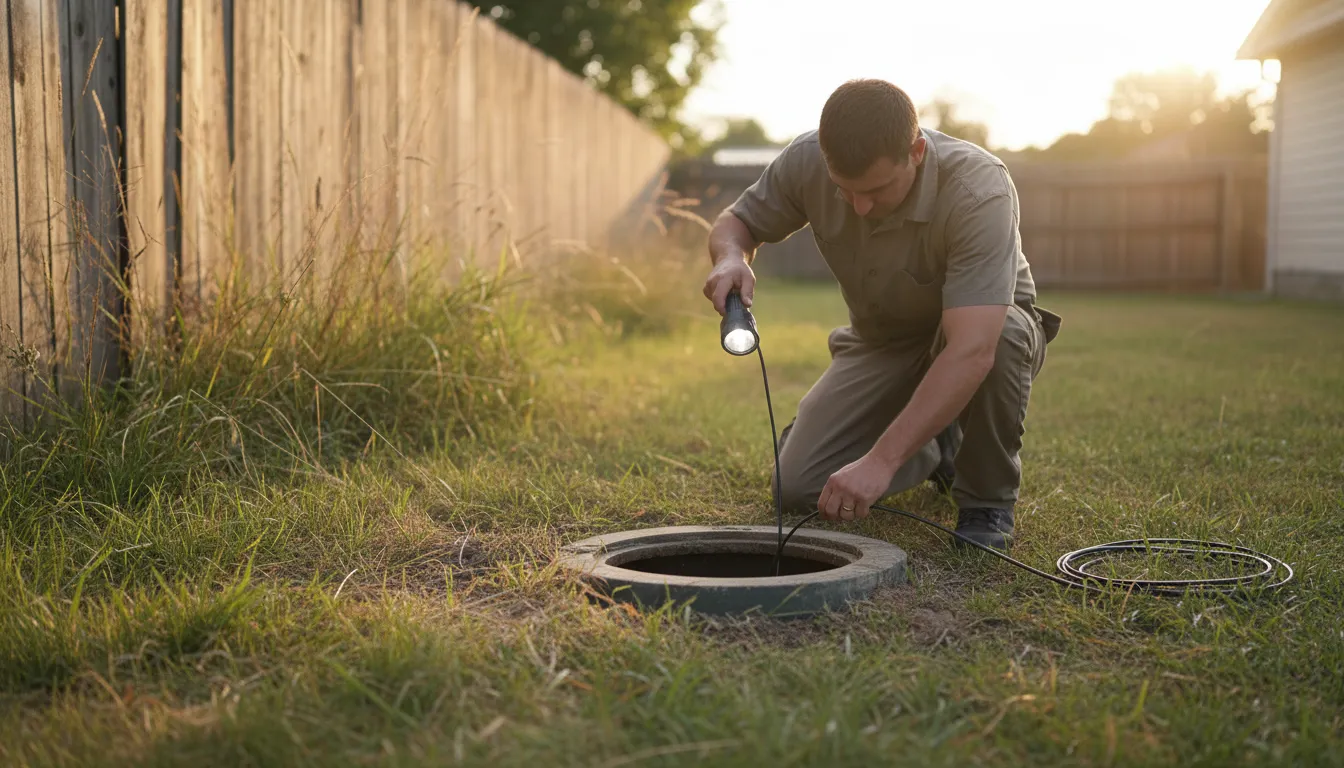
Find the Best Septic Tank Inspection Companies for Your Business
No obligation • Fast responses • Nationwide coverage

Why you can trust Septic Spot
Septic Spot is a leading United States resource for understanding and comparing septic services. Our editors review providers using consistent criteria and verify key business details. Listings and scores are independent, and companies cannot pay to influence our content.
Search providers near you
Top Septic Tank Inspection Companies in Toms River, New Jersey Ranked
A septic tank inspection is a critical evaluation of your home's onsite wastewater treatment system. In Toms River, these assessments are vital for protecting your property value, ensuring public health, and complying with local regulations, especially during real estate transactions. This guide helps you understand the inspection process, local requirements, and how to find qualified professionals to evaluate your system's condition.
Top Notch Home Inspection
68 Garden Rd, Little Silver, NJ 07739
Top Notch Home Inspection is a septic tank inspection company based in New York, NY. They offer a range of property inspection services including septic and sewer evaluations, wood-destroying insect inspections, oil tank sweeps, chimney assessments, and pool inspections. Their team encourages clients to participate during inspections to better understand their home's systems and the inspection process.
SafePRO Home Inspections, LLC
415 NJ-34 #109, Colts Neck, NJ 07722
SafePRO Home Inspections, LLC provides septic tank inspection and related home inspection services in New York, NY, as well as New Jersey and Pennsylvania. The company uses the latest inspection tools and technology to deliver detailed and easy-to-read reports. All inspectors are fully licensed, insured, and certified to perform home, pool, and environmental inspections. SafePRO Home Inspections is known for offering expert analysis and clear communication throughout the inspection process.
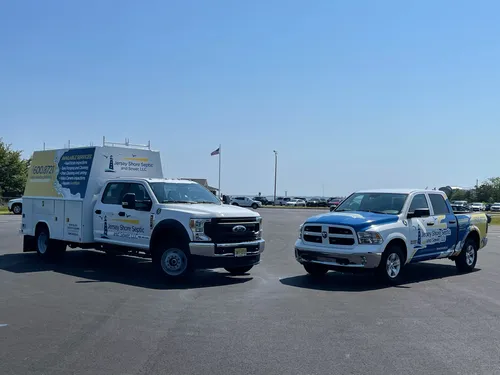
Jersey Shore Septic And Sewer LLC
Lakewood, NJ
Jersey Shore Septic And Sewer LLC is a family-owned and operated business serving Lakewood, NJ, and surrounding counties including Atlantic, Middlesex, Monmouth, and Ocean. With over a decade of experience, they provide residential and commercial septic services such as septic tank pumping, inspections, repairs, replacements, and new installations. Their team holds CDL-A licenses and is trained to perform specialized services like video camera inspections and high-pressure water jetting. The company also offers excavation and commercial snow removal services.
Home Guard Home Inspection
100 Craig Rd Suite 203, Manalapan Township, NJ 07726
Home Guard Home Inspection offers comprehensive home inspection services in New York, NY, focusing on key aspects such as septic tank inspections, foundation, roofing, electrical, plumbing, and HVAC systems. Their InterNACHI-certified inspectors use advanced technology like infrared thermal imaging and drone roof assessments to detect potential issues. The company serves homeowners by providing detailed, easy-to-read reports that help clients make informed decisions before purchasing a property. Based in New Jersey, they cover a range of inspections including septic, sewer main, radon, mold, and wood-destroying insect inspections.
Don E Miller Septic Service Inc & Donny's Potty's
362 Meany Rd, North Hanover, NJ 08562
Don E Miller Septic Service Inc & Donny's Potty's is a family-owned septic service provider based near Philadelphia, PA. They offer a wide range of septic system services including pumping, inspections, repairs, and installations, as well as portable toilet rentals for residential, commercial, and municipal customers. The company has been serving the North Hanover Township area and surroundings since 1963, providing expertise in maintaining and installing various septic system components such as dosing pumps, grease traps, and effluent filters.
Why Septic System Inspections Matter in Toms River
For homes not connected to municipal sewer lines, the septic system is an essential but often overlooked component. A failing system can lead to costly property damage, environmental contamination, and serious health hazards. In Ocean County, local health department regulations often mandate a comprehensive septic system evaluation during property transfers 1. Even outside of a sale, proactive inspections are the best way to catch minor issues before they become major, expensive failures. Understanding the state of your system provides peace of mind and helps you plan for necessary maintenance or repairs.
Local Regulations and Inspection Requirements
While New Jersey does not have a statewide law requiring routine septic inspections for all homeowners, Toms River and Ocean County operate under specific local health codes. The most common trigger for a mandatory inspection is the sale of a property. Buyers and lenders typically require a certification that the system is functioning properly before closing. It is highly recommended that sellers perform a "pre-listing" inspection to avoid unexpected delays or renegotiations.
All work on septic systems, including repairs, replacements, and new installations, requires permits from the Toms River Township Health Department and must adhere to standards set by the New Jersey Department of Environmental Protection (NJDEP) 2. For historical records, homeowners can often obtain the original "as-built" design drawings and permit information by contacting the local health department 3 4.
The Standard Septic Inspection Process
A professional septic tank check in Toms River is a multi-step process designed to assess every component. Here's what you can typically expect from a certified inspection:
1. Locating and Uncovering the System
The inspector will first locate all components, including the septic tank, distribution box (D-box), and drain field. This may involve probing the ground or referencing available records. The tank lids are then uncovered to allow access.
2. Pumping and Tank Inspection
For a thorough evaluation, the tank is usually pumped out. This allows the inspector to examine the tank's interior for structural issues like cracks, leaks, or corrosion. They will also check the inlet and outlet baffles (or tees) to ensure they are intact and functioning correctly 5.
3. Assessing Sludge and Scum Levels
Even if the tank is not fully pumped, the inspector measures the levels of sludge (solid waste at the bottom) and scum (floating fats and grease). Excessive accumulation is a sign that pumping is overdue and can lead to system failure.
4. Hydraulic Load Test
This is a key part of the inspection. The inspector introduces a substantial volume of water (often around 180 gallons) into the system over a short period (e.g., 20 minutes) to simulate a heavy usage event 6. They then monitor the drain field for signs of failure, such as slow drainage, surfacing effluent, or foul odors, which indicate the soil is saturated and can no longer properly treat wastewater.
5. Distribution Box and Drain Field Evaluation
The distribution box, which directs liquid effluent from the tank to the drain field lines, is opened and checked to ensure it is level and distributing flow evenly. The inspector will also visually assess the drain field area for signs of failure like overly lush grass, soggy soil, or standing wastewater 7.
Find the perfect septic tank inspection companies for your needs
Get personalized recommendations and expert advice
Septic Maintenance and Pumping Frequency
An inspection often goes hand-in-hand with routine maintenance. The NJDEP and local health officials recommend having your septic tank pumped every three to five years, depending on household size and usage 8. Regular pumping prevents solids from escaping the tank and clogging the drain field, which is the most common cause of system failure. Think of an inspection as a comprehensive health check-up and pumping as essential preventative care.
Understanding Inspection and Service Costs
Costs for septic services in Toms River vary based on the scope of work, tank size, and ease of access. Here is a general overview of what to expect 9 10 11 12:
- Routine Tank Pumping: $300 - $600.
- Standard System Inspection (may not include pumping): $500 - $1,000.
- Combined Inspection and Pumping: $600 - $1,500 or more.
- Full System Replacement: $15,000 - $35,000+, if the inspection reveals a failed system that cannot be repaired.
Investing in an inspection is far more economical than dealing with the consequences of an undiscovered failure. For homeowners planning to sell, the cost of a pre-listing inspection is minimal compared to the risk of a failed inspection derailing the sale.
Choosing a Qualified Inspection Professional
When selecting a provider for your septic system assessment, verify they are licensed by the State of New Jersey and familiar with Toms River Township and Ocean County Health Department regulations. Look for companies with a strong local reputation, proper insurance, and those who provide detailed, written reports with photos. A reputable inspector will clearly explain their process, findings, and any recommendations for repair or maintenance.
The Importance of Homeowner Awareness
As a homeowner, you play a key role in your system's longevity. Avoid flushing non-biodegradable items, excessive use of garbage disposals, and pouring grease or harsh chemicals down drains. Be mindful of what goes into your system and keep detailed records of all inspections, pumpings, and repairs. This history is invaluable for maintenance planning and is a significant asset during a property sale.
Frequently asked questions
Sources
Footnotes
-
Licensed Septic Service NJ - Requirements - The Sewer Kings - https://thesewerkings.com/blog/licensed-septic-service-professionals/ ↩
-
New Jersey Septic System Rules - 2026 Guide - The Sewer Kings - https://thesewerkings.com/blog/new-jersey-septic-system-rules/ ↩
-
SEPTIC - NJ.gov - https://dep.nj.gov/wp-content/uploads/dwq/pdf/septicmn.pdf ↩
-
New Jersey Septic Tank Rules And Regulations - https://www.arrowsewernj.com/blog/septic-tanks-in-new-jersey-what-you-need-to-know/ ↩
-
Septic System Inspections in Toms River, NJ | SewerMan - https://sewerman.com/toms-river-nj/services/oil-to-gas-conversions/ ↩
-
How Septic System Inspections Are Performed in New Jersey - https://thesewerkings.com/blog/septic-system-inspections/ ↩
-
What to Expect from a Septic Inspection - https://www.wrenvironmental.com/blog/2023/may/what-to-expect-from-a-septic-inspection/ ↩
-
Frequent Questions on Septic Systems | US EPA - https://www.epa.gov/septic/frequent-questions-septic-systems ↩
-
Inspections - New Jersey Septic Management Group - https://nj-septic.com/inspections/ ↩
-
NJ Septic Regulations for 2026: Inspections, Permits & Rules - https://www.atsenvironmental.com/blog/nj-septic-regulations-for-2026/ ↩
-
How Much Does a Septic Inspection Cost? [2026 Data] | Angi - https://www.angi.com/articles/septic-inspection-cost.htm ↩
-
Septic system inspection requirements in Pierce County WA - https://www.thenewstribune.com/news/local/community/gateway/g-news/article290631874.html ↩