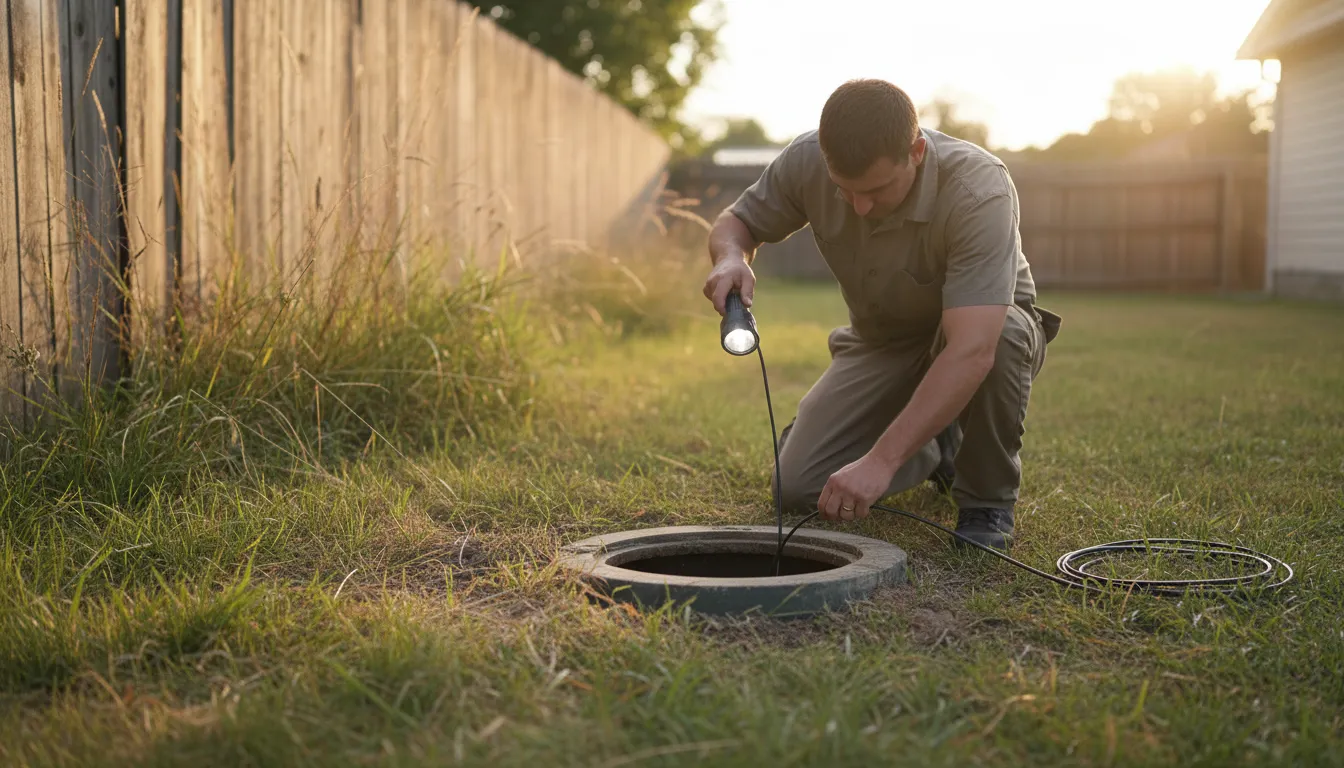
Find the Best Septic Tank Inspection Companies for Your Business
No obligation • Fast responses • Nationwide coverage

Why you can trust Septic Spot
Septic Spot is a leading United States resource for understanding and comparing septic services. Our editors review providers using consistent criteria and verify key business details. Listings and scores are independent, and companies cannot pay to influence our content.
Search providers near you
Top Septic Tank Inspection Companies in Trenton, New Jersey Ranked
A professional septic tank inspection is a critical evaluation of your onsite wastewater treatment system's condition and functionality. In Trenton, where many homes rely on these private systems, regular inspections are not just a good idea-they are often a legal requirement, especially during property sales. This process helps identify potential failures, ensures environmental safety, and protects your property value. You can use this resource to understand the inspection process, local regulations, and find qualified professionals to assess your system.
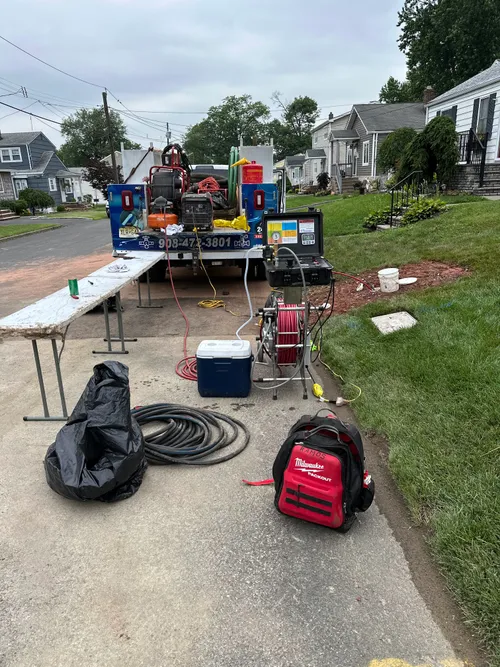
Arrow Sewer and Drain
165 Union Ave, Middlesex, NJ 08846
Arrow Sewer and Drain is a septic tank inspection and repair company serving New York, NY. They specialize in trenchless sewer repair methods that avoid excavation, preserving property while fixing cracked or corroded underground pipes. Their services include sewer inspections, pipe repairs, hydro-jetting, and emergency plumbing. The company offers 24/7 emergency plumbing service to address urgent sewer line problems quickly with professional camera inspections and effective solutions. Arrow Sewer and Drain serves a wide area including Middlesex and Somerset Counties in New Jersey, providing residential, commercial, and municipal sewer and plumbing projects.
Home Guard Home Inspection
100 Craig Rd Suite 203, Manalapan Township, NJ 07726
Home Guard Home Inspection offers comprehensive home inspection services in New York, NY, focusing on key aspects such as septic tank inspections, foundation, roofing, electrical, plumbing, and HVAC systems. Their InterNACHI-certified inspectors use advanced technology like infrared thermal imaging and drone roof assessments to detect potential issues. The company serves homeowners by providing detailed, easy-to-read reports that help clients make informed decisions before purchasing a property. Based in New Jersey, they cover a range of inspections including septic, sewer main, radon, mold, and wood-destroying insect inspections.
EcoFlow Septic
Philadelphia, PA
EcoFlow Septic is a veteran-owned company providing residential septic and sewer services in Philadelphia, PA. They offer septic tank pumping, inspections, and repairs with a focus on detailed, code-compliant work. The company emphasizes clear communication and practical solutions to help homeowners and realtors manage septic system maintenance and real estate inspections with confidence. EcoFlow Septic aims to protect homes, investments, and the environment through honest and professional service.
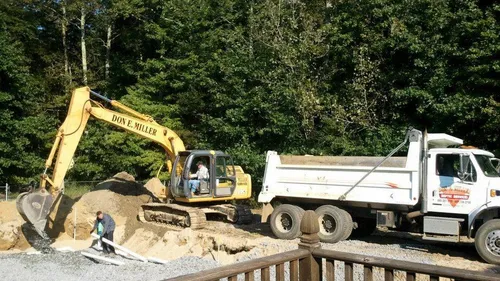
Don E Miller Septic Service Inc & Donny's Potty's
362 Meany Rd, North Hanover, NJ 08562
Don E Miller Septic Service Inc & Donny's Potty's is a family-owned septic service provider based near Philadelphia, PA. They offer a wide range of septic system services including pumping, inspections, repairs, and installations, as well as portable toilet rentals for residential, commercial, and municipal customers. The company has been serving the North Hanover Township area and surroundings since 1963, providing expertise in maintaining and installing various septic system components such as dosing pumps, grease traps, and effluent filters.
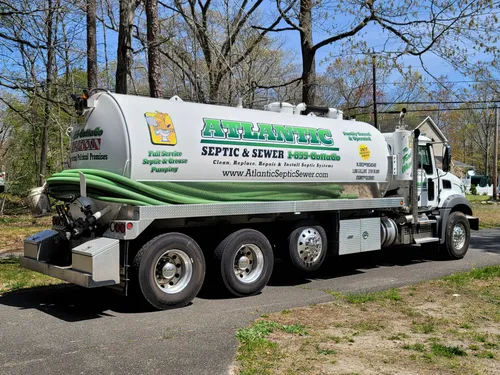
Atlantic Sitton Services, Inc.
647 Herman Rd, Jackson Township, NJ 08527
Atlantic Sitton Services, Inc. provides septic system installation, repair, inspection, and pumping services in Lakewood, NJ. They serve residential, commercial, and government clients across New Jersey, offering additional services such as grease trap cleaning, grease tank pumping, and used cooking oil collection for recycling. Their certified technicians handle septic system jetting, sludge and liquid waste removal, and new construction excavation. With over 30 years of experience, Atlantic Sitton Services emphasizes environmentally conscientious practices and offers emergency services 24/7 to support system functionality and environmental health.
Why Septic System Inspections Are Essential in Trenton
For homes not connected to Trenton's municipal sewer lines, the septic system is a private wastewater treatment plant. A failing system can lead to costly property damage, create serious health hazards, and result in significant fines for environmental contamination 1. In New Jersey, the Department of Environmental Protection (NJDEP) and local health departments enforce strict rules to protect groundwater, which is the source of drinking water for many residents2. Regular septic system evaluations are the primary tool for compliance and prevention. They provide peace of mind by verifying that your system is processing household waste safely and effectively.
Understanding New Jersey and Trenton Area Inspection Regulations
Septic system oversight in New Jersey involves both state and local authorities. The NJDEP provides the technical framework and guidance, but enforcement and specific requirements are typically managed by your local health department3. One of the most common triggers for a mandatory inspection is a real estate transaction4. Many municipalities in Mercer County require a passing inspection certificate before a property sale can be finalized.
Beyond real estate, the NJDEP recommends that systems be inspected by a professional every 1 to 3 years. Pumping of the tank itself is generally needed less frequently, typically every 3 to 5 years, but this depends heavily on household size and water usage5. As a property owner, you are responsible for maintaining written records of all inspections, pumpings, and repairs for at least five years. Proactive maintenance is always less expensive than emergency repairs or addressing a failed drain field.
The Professional Inspection Process: What to Expect
A comprehensive septic system assessment is a multi-step procedure conducted by licensed professionals. Here's a breakdown of what a thorough evaluation entails:
- Record Review & System Location: The inspector will start by reviewing any available permits and past maintenance records with the local health department. They will then locate all system components, including the septic tank, distribution box (D-box), and the boundaries of the drain field.
- Tank Access & Internal Inspection: The tank lids are excavated and opened. The inspector measures the thickness of the scum layer (floating solids) and the sludge layer (settled solids) at the bottom. These measurements determine if the tank needs immediate pumping. The tank's structural integrity is checked for cracks, leaks, and the condition of inlet/outlet baffles.
- Component Functionality Check: If the system includes a pump or an alarm, these electrical components are tested for proper operation6 7.
- Drain Field Evaluation: This is a crucial part of the inspection. The professional will examine the soil absorption area (leach field) for signs of failure, such as surfacing sewage, overly saturated soil, or patches of unusually lush and green grass 8.
- Reporting: After the evaluation, you will receive a detailed report outlining the system's condition, any deficiencies found, and recommended actions, which may range from routine pumping to urgent repairs.
Find the perfect septic tank inspection companies for your needs
Get personalized recommendations and expert advice
Common Signs You Need a Septic Inspection or Service
Don't wait for a real estate transaction or a regulatory notice. Be alert to these warning signs that your system may need professional attention:
- Slow Drains: Sinks, showers, and toilets that drain slowly, especially if multiple fixtures are affected.
- Unpleasant Odors: The smell of sewage in your yard, near the tank, or even inside your home.
- Gurgling Sounds: Strange gurgling noises coming from your plumbing.
- Drain Field Issues: Standing water, soggy soil, or sewage bubbling up in the area of your drain field.
- Unusually Lush Vegetation: Grass over the drain field that is significantly greener and grows faster than the rest of the lawn.
If you notice any of these issues, scheduling a septic system inspection can help diagnose the problem before it becomes a full-blown-and expensive-system failure.
Cost Considerations for Septic Inspections in the Trenton Area
The cost of a septic system evaluation can vary based on the system's size, complexity, and accessibility. Here is a general overview of what you might expect9 10:
- Inspection Only: A standard visual and operational inspection typically ranges from $400 to $600.
- Combined Inspection and Pumping: Many homeowners opt to pump the tank during the inspection if the sludge levels are high. This combined service often costs between $500 and $900 or more, with the final price depending on tank size (e.g., 1,000-gallon vs. 1,500-gallon).
- Additional Costs: If repairs are needed, permit fees from the local health department for septic-related construction can range from $250 to over $1,50011. The cost of the actual repairs (like replacing a damaged D-box or repairing a leak) would be additional.
Investing in a proper inspection can save you money by identifying small issues before they escalate into major drain field replacements, which can cost tens of thousands of dollars.
Interpreting Your Inspection Report and Next Steps
Receiving the inspection report is just the beginning. Understanding the findings is key. A report might indicate that your system is "functioning properly," which is the best outcome. It may recommend "routine pumping" in the near future.
More serious findings could include "component failure," such as a broken baffle or a malfunctioning pump, which requires repair. The most severe outcome is "system failure," often indicated by a failing drain field, which requires immediate and significant corrective action12. The NJDEP mandates that if an inspection reveals the sludge layer is too high or the tank is compromised, immediate maintenance or repair is required. Your inspector should explain all findings clearly and outline your legal obligations and practical options for addressing any problems.
Frequently asked questions
Sources
Footnotes
-
Compliance Advisory - NJ.gov - https://www.nj.gov/dep/enforcement/advisories/2023-07.pdf ↩
-
SEPTIC - NJ.gov - https://dep.nj.gov/wp-content/uploads/dwq/pdf/septicmn.pdf ↩
-
NJDEP| Division of Water Quality | Inspection Guidance - https://dep.nj.gov/dwq/wastewater/septic-systems/inspection-guidance/ ↩
-
Septic and Well Inspection Requirements by Municipality - https://www.co.monmouth.nj.us/documents/118/SW1_SEPTIC_AND_WELL_INSPECTION_REQUIREMENTS_BY_MUNICIPALITY.pdf ↩
-
How Often Should You Pump Your Septic Tank: 3 Factors Solved - https://www.frasiers.com/blog/sewage-tank-pump-frequency/ ↩
-
Technical Guidance for Inspections of Onsite Wastewater Treatment ... - https://dep.nj.gov/wp-content/uploads/dwq/inspection_guidance.pdf ↩
-
Inspections - New Jersey Septic Management Group - https://nj-septic.com/inspections/ ↩
-
2026 Septic Inspection Costs | Tank, System, & Title 5 - https://homeguide.com/costs/septic-tank-inspection-cost ↩
-
How Septic System Inspections Are Performed in New Jersey - https://thesewerkings.com/blog/septic-system-inspections/ ↩
-
Septic Well Pre-Inspection for Magnolia Sellers - Avoid Delays - https://deborahstepanek.com/blog/septic-and-well-preinspections-for-magnolia-sellers ↩
-
Navigating Septic System Regulations: Expert Guidance for New Jersey Property Owners - https://www.mapengineering.net/navigating-septic-system-regulations/ ↩
-
Interpreting Septic Tank Inspection Results | Septic System Professionals - https://septic911.com/interpreting-septic-tank-inspection-results/ ↩