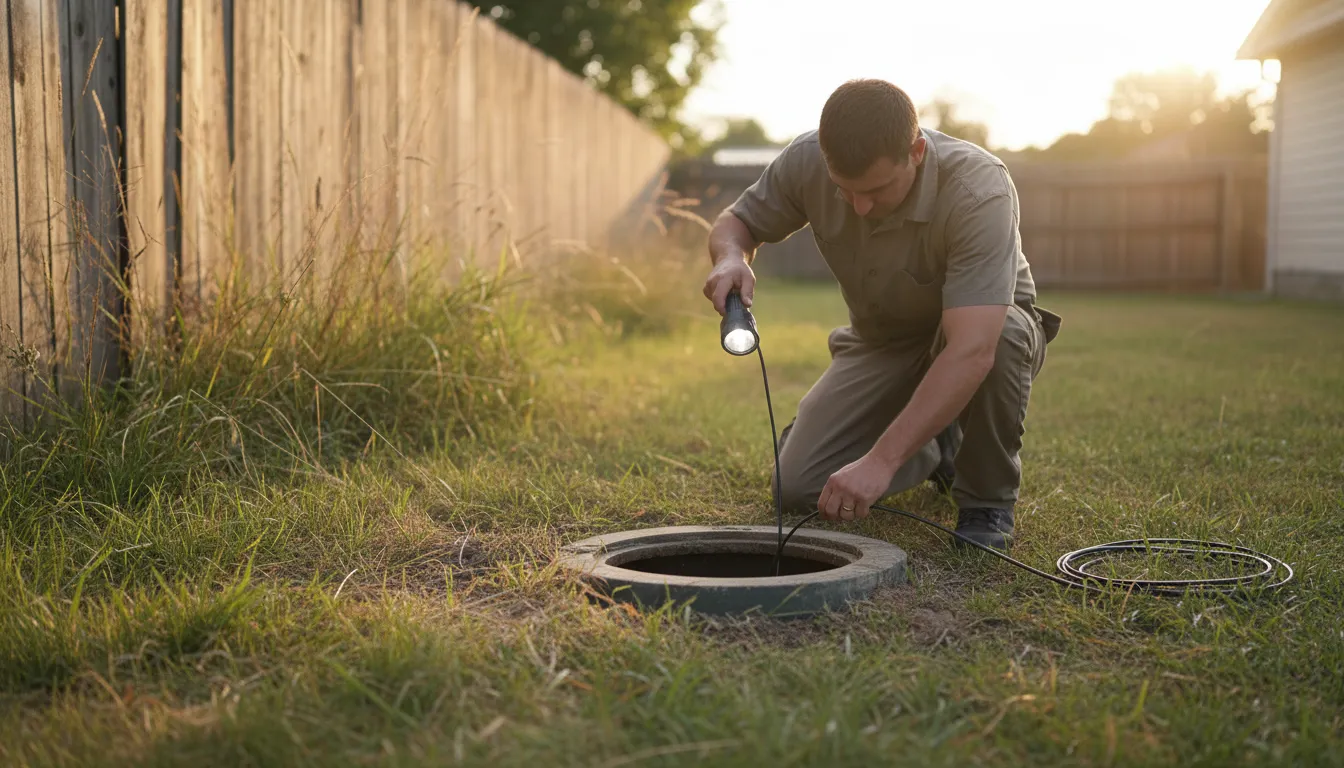
Find the Best Septic Tank Inspection Companies for Your Business
No obligation • Fast responses • Nationwide coverage

Why you can trust Septic Spot
Septic Spot is a leading United States resource for understanding and comparing septic services. Our editors review providers using consistent criteria and verify key business details. Listings and scores are independent, and companies cannot pay to influence our content.
Search providers near you
Top Septic Tank Inspection Companies in West Orange, New Jersey Ranked
For homeowners in West Orange, a septic system is a private wastewater treatment plant, and its health is paramount for your property and the local environment. A professional septic tank inspection is a critical evaluation that assesses the condition and functionality of your entire system, from the tank to the drain field. This process is not just about compliance; it's a proactive measure to prevent costly failures, protect public health, and ensure your property's value. This guide will help you understand the local requirements, what the inspection entails, and how to find qualified professionals to perform this essential service.
NJ Sewer Scopes
New York, NY
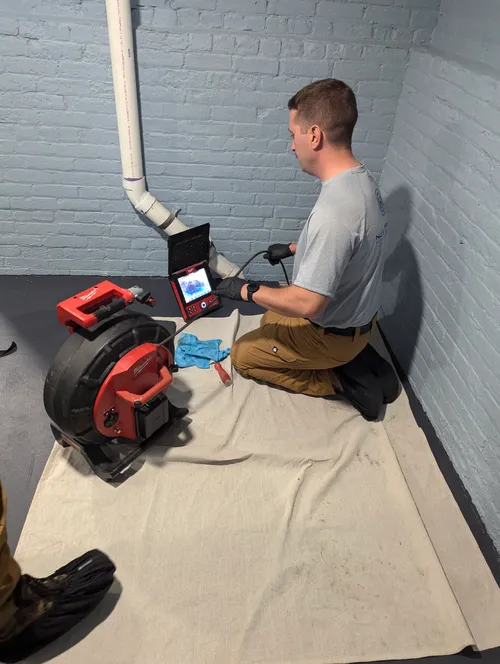
NJ Sewer Scopes is a septic tank inspection company based in New York, NY. They assist home buyers, sellers, and owners by providing inspections that help clients make informed decisions about their septic systems.
Perfect Flow Sewer & Drain Services
2135 Williamsbridge Rd, Bronx, NY 10461
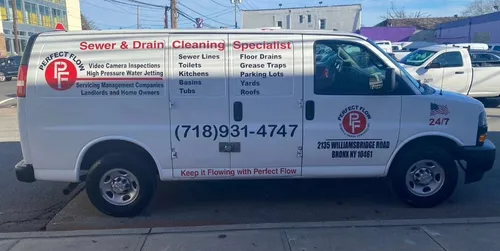
Perfect Flow Sewer & Drain Services provides septic tank inspection and septic system repair in Yonkers, NY. They offer thorough inspections, efficient cleaning, and precise repairs to maintain reliable sewer and drain systems. Their services focus on ensuring seamless flow and system functionality.
Arrow Sewer and Drain
165 Union Ave, Middlesex, NJ 08846
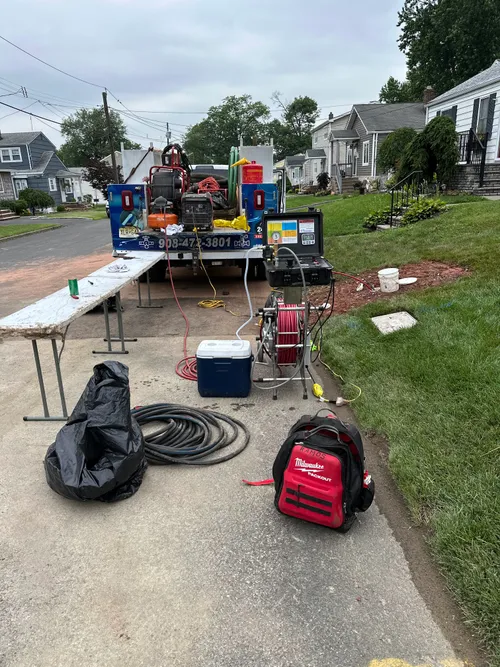
Arrow Sewer and Drain is a septic tank inspection and repair company serving New York, NY. They specialize in trenchless sewer repair methods that avoid excavation, preserving property while fixing cracked or corroded underground pipes. Their services include sewer inspections, pipe repairs, hydro-jetting, and emergency plumbing. The company offers 24/7 emergency plumbing service to address urgent sewer line problems quickly with professional camera inspections and effective solutions. Arrow Sewer and Drain serves a wide area including Middlesex and Somerset Counties in New Jersey, providing residential, commercial, and municipal sewer and plumbing projects.
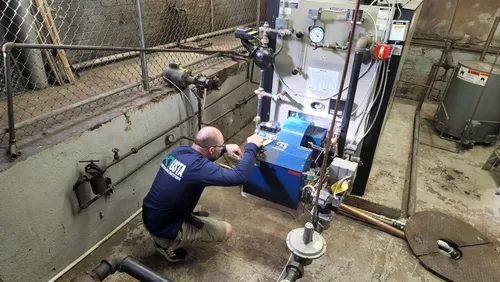
USTA Home Inspections
25 Continental Dr Unit C, Wayne, NJ 07470
USTA Home Inspections is a septic tank inspection company serving New York, NY, and surrounding areas. They provide comprehensive home inspection services covering major components such as roofing, structural elements, electrical systems, HVAC, oil tank sweeps, foundation integrity, radon testing, termite inspections, and septic tank inspections. The company focuses on helping homebuyers make informed decisions by delivering clear and reliable inspection reports. USTA Home Inspections serves multiple counties in New Jersey and New York, including Passaic, Morris, Bergen, Essex, and Union. They emphasize protecting clients' investments and ensuring safety before moving into a new home.
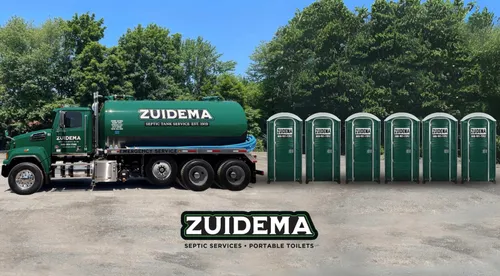
Zuidema Septic Services & Portable Toilets
90 Midland Ave, Midland Park, NJ 07432
Zuidema Septic Services & Portable Toilets provides residential and commercial septic services along with portable toilet and restroom trailer rentals in New York, NY. With over 100 years of experience since 1919, they offer septic tank pumping, inspections, repairs, and grease trap services. Their use of advanced sewer camera technology helps identify and address sewer line issues effectively. Zuidema also offers 24/7 emergency service for septic and portable toilet needs, ensuring support is available at any time.
Understanding Septic Systems and Local Regulations
In New Jersey, septic systems, also known as onsite wastewater treatment systems (OWTS), are regulated by both state and local authorities. The New Jersey Department of Environmental Protection (NJDEP) sets the technical standards and guidelines, while the Township of West Orange Health Department enforces local regulations and issues permits 1 2. Every system in West Orange must operate under a valid Permit to Operate from the local health department 2.
Routine system evaluations are strongly recommended by the NJDEP every 1 to 3 years, with pumping typically needed every 3 to 5 years. These aren't arbitrary suggestions; they are based on the average rate at which solids accumulate in a tank. Ignoring this maintenance schedule is the most common cause of drain field failure, as solids can escape and clog the soil absorption area, leading to backups and environmental contamination.
Why Inspections Are Crucial in West Orange
- Property Transactions: While not always required by state law, the vast majority of mortgage lenders and prospective home buyers in New Jersey will mandate a professional septic system inspection before closing on a property with a septic system 3. A clean inspection report can facilitate a smooth sale.
- Environmental Protection: West Orange is part of New Jersey's ecosystem, and failing septic systems can leach nutrients and pathogens into groundwater, affecting local water quality.
- Cost Savings: Identifying minor issues like a cracked baffle or a slow leak during a routine check is far less expensive than dealing with a full system failure, which can cost tens of thousands of dollars to replace.
- Health Department Compliance: Maintaining records of your inspections and pumpings for at least five years demonstrates responsible ownership and is useful during any health department inquiry 4.
What a Comprehensive Septic Inspection Involves
A thorough septic system assessment is a multi-step process typically conducted by licensed septic contractors or certified inspectors. It's often performed concurrently with pumping the tank for a complete evaluation. Here's what you can expect during a standard inspection:
- Record Review: The inspector will start by reviewing any available records from the West Orange Health Department, including the original system design and past permit history, to understand the system's layout and size.
- Locating & Uncovering: The technician will locate and excavate the access lids to both the main septic tank and the distribution box (D-box). This is a crucial first step, especially if the lids are buried.
- Measuring Scum and Sludge: Before pumping, the inspector measures the depth of the scum layer (floating solids) and the sludge layer (settled solids). This measurement indicates how full the tank is and helps calculate the rate of accumulation, informing your future maintenance schedule 5 6.
- Pumping and Internal Inspection: The tank is then pumped out. Once empty, the inspector can enter the tank (or use cameras and lights) to examine the interior walls, floor, and baffles for cracks, corrosion, or structural damage. The inlet and outlet tees or baffles are checked to ensure they are intact and functioning properly.
- Distribution Box Check: The distribution box, which directs liquid effluent to the various lines in the drain field, is inspected to ensure it is level and that flow is evenly distributed.
- Drain Field Evaluation: While a full excavation of the leach field is not part of a standard inspection, the inspector will look for signs of failure. This includes checking for surfacing effluent, soggy ground, or unusually lush vegetation over the field area. A probe may be used to assess soil saturation.
- Final Report: A professional inspector will provide a detailed written report outlining the condition of each component, any deficiencies found, and recommended actions or repairs 7 8.
Find the perfect septic tank inspection companies for your needs
Get personalized recommendations and expert advice
Costs and Considerations for Septic Services
Understanding the potential costs involved helps homeowners budget for both routine care and unexpected repairs.
- Inspection & Pumping: A combined septic tank pumping and inspection service in the West Orange area typically costs between $300 and $5009. This price can vary based on tank size, accessibility (e.g., how deep the lids are buried), and whether the distribution box needs to be uncovered.
- Permit Fees: If your inspection reveals the need for repairs or you are installing a new system, you will need permits from the West Orange Health Department. Permit fees for installation, repair, or alteration of a system can range from $250 to $1,500, depending on the scope of the project 10.
- Repairs and Upgrades: Costs for repairs vary widely. Replacing a damaged baffle may cost a few hundred dollars, while addressing a compromised drain field can be significantly more expensive. If a full system replacement or major upgrade is required, including necessary environmental assessments, costs can range from $3,000 to well over $7,00011.
Choosing a Qualified Service Provider
When selecting a company for your septic tank evaluation or maintenance, ensure they are licensed to work in New Jersey and familiar with Essex County and West Orange Township regulations. Look for providers who:
- Offer a clear, detailed scope of work for the inspection.
- Can provide references from local clients.
- Are willing to pull necessary permit history.
- Supply a comprehensive written report with photos.
Proactive maintenance is always the best strategy. By scheduling regular septic system check-ups, you invest in the longevity of your system, the safety of your family, and the protection of West Orange's local environment.
Frequently asked questions
Sources
Footnotes
-
Frequent Questions on Septic Systems | US EPA - https://www.epa.gov/septic/frequent-questions-septic-systems ↩
-
Chapter 12: Health Regulations - Township of West Orange, NJ - https://ecode360.com/35628962 ↩ ↩2
-
NJDEP| Division of Water Quality | Homeowner Information - https://dep.nj.gov/dwq/wastewater/septic-systems/homeowner-guidance/ ↩
-
Compliance Advisory - NJ.gov - https://www.nj.gov/dep/enforcement/advisories/2023-07.pdf ↩
-
SEPTIC - NJ.gov - https://dep.nj.gov/wp-content/uploads/dwq/pdf/septicmn.pdf ↩
-
How to Inspect Your Septic System Thoroughly - https://www.vdwws.com/blog/how-to-conduct-a-septic-system-inspection ↩
-
Inspections - New Jersey Septic Management Group - https://nj-septic.com/inspections/ ↩
-
What Does a Septic Inspection Entail? - https://www.homelight.com/blog/septic-inspection/ ↩
-
How Septic System Inspections Are Performed in New Jersey - https://thesewerkings.com/blog/septic-system-inspections/ ↩
-
NJDEP| Division of Water Quality | Permitting Information - https://dep.nj.gov/dwq/wastewater/septic-systems/permitting-information/ ↩
-
Navigating Septic System Regulations: Expert Guidance for New Jersey Property Owners - https://www.mapengineering.net/navigating-septic-system-regulations/ ↩