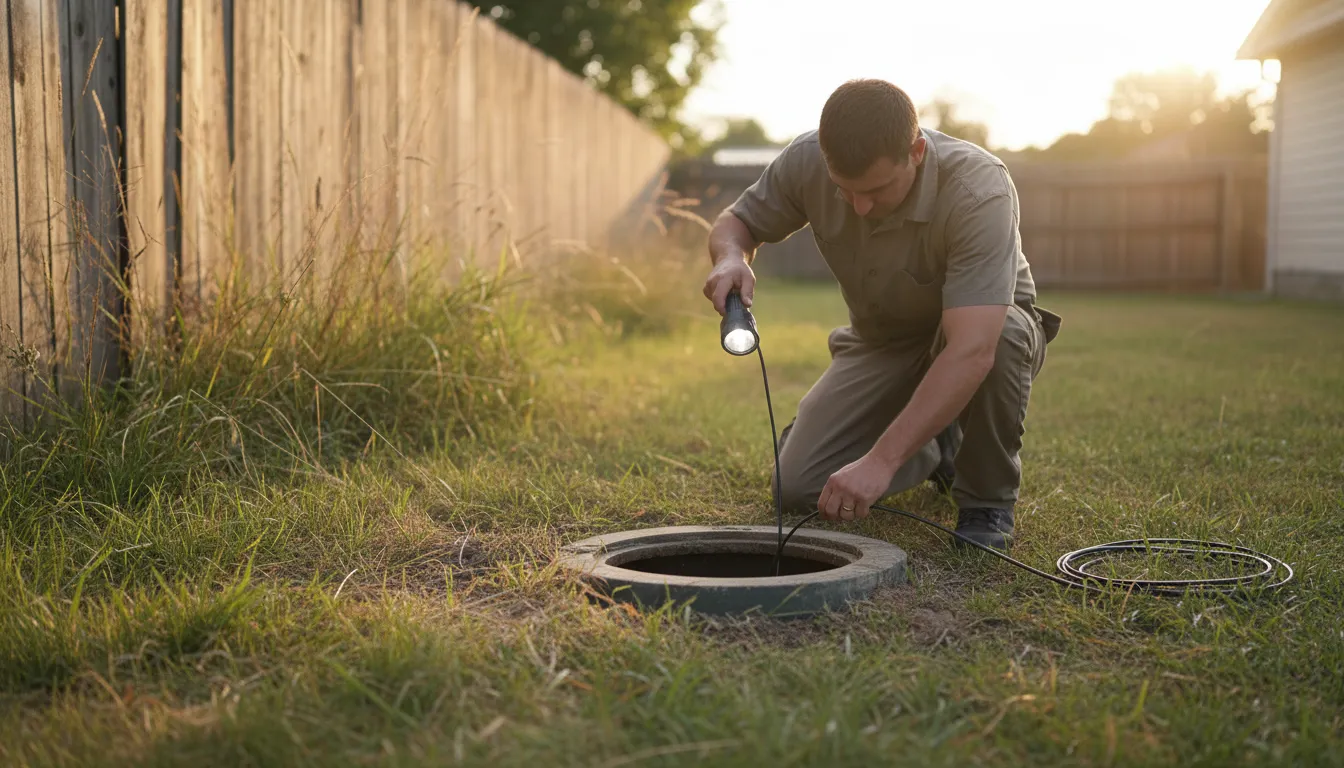
Find the Best Septic Tank Inspection Companies for Your Business
No obligation • Fast responses • Nationwide coverage

Why you can trust Septic Spot
Septic Spot is a leading United States resource for understanding and comparing septic services. Our editors review providers using consistent criteria and verify key business details. Listings and scores are independent, and companies cannot pay to influence our content.
Search providers near you
Best Septic Tank Inspection Companies in South Carolina Ranked
A septic tank inspection is a critical evaluation of your onsite wastewater system's components and overall health. In South Carolina, understanding state regulations and recommended maintenance schedules is essential for protecting your property, your health, and the local environment. This guide explains the inspection process, state requirements, and how to find qualified local professionals to assess your system.

Superior Vac & Septic LLC
109 Hollow Tree Ct, Lugoff, SC 29078
Superior Vac & Septic LLC is a veteran-owned business based near Columbia, SC, offering septic tank pumping, inspections, and system repairs. They serve Kershaw County and surrounding areas with services including septic tank cleaning, mainline hydro-jetting for clog and root removal, pump replacement, lift station cleaning, and camera inspections. The company operates 24/7 to provide continuous support for septic system needs.
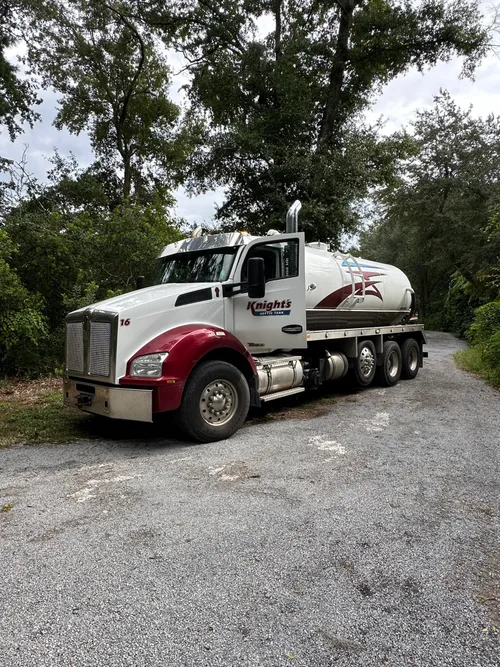
Knights Septic Tank Services
288 Hodge Rd, Summerville, SC 29483
Knights Septic Tank Services has been serving Charleston, SC, and the surrounding Lowcountry area since 1969. The company offers a full range of septic services including pumping, inspection, installation, and repair for both residential and commercial clients. They also manufacture precast concrete septic tanks and grease traps through their specialized divisions. Their licensed engineers and technicians bring over 30 years of combined experience to each project. Knights Septic Tank Services operates pump trucks seven days a week by appointment to accommodate customer needs.
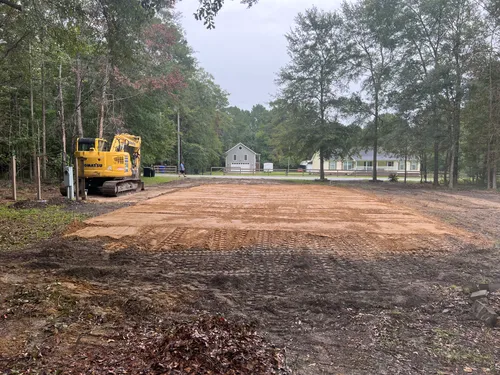
Palmetto Site Solutions, LLC
Charleston, SC
Palmetto Site Solutions, LLC is a family-owned septic company serving Charleston, SC, and nearby areas including Summerville and Moncks Corner. They provide a full range of septic system services such as engineered design, installation, inspection, and repairs. With over 10 years of experience, the company is licensed, insured, and certified by the South Carolina Department of Environmental Services (SCDES). They specialize in Tier 3 septic systems and manage projects from initial design through final inspection.
Noel Construction
20 Surrey Ct, Columbia, SC 29212
Noel Construction is a Masters License - Tier 3 septic contractor based in Columbia, SC. They provide septic tank and system installation and repair services, including engineered septic systems for land that won't perk, plastic septic tanks, gravity and alternative septic systems, as well as gravel and non-gravel septic systems. In addition to septic services, Noel Construction offers land management, stormwater pond inspection and repair, demolition, clearing, grading, and water management services. Their capabilities include retention pond maintenance and repairs to help properties meet county and FEMA requirements.
Understanding Septic System Inspections
A septic system inspection goes beyond simply checking the tank. A thorough evaluation assesses the entire system: the tank, drain field, distribution box, and associated piping. The inspector will look for signs of failure, such as sewage backups, soggy ground or lush grass over the drain field, foul odors, and structural issues with the tank itself. For a standard inspection, a professional will typically locate and open the tank access lids, measure scum and sludge layers to determine if pumping is needed, check inlet and outlet baffles, and assess the drain field for proper drainage. More advanced inspections might include a dye test or a camera scope of the lines.
In South Carolina, the regulatory landscape distinguishes between mandatory state inspections and recommended homeowner maintenance. The South Carolina Department of Environmental Services (SCDES) is the primary agency overseeing septic systems, focusing its mandatory inspection efforts on new construction and installations to ensure they meet state code before use 1. For existing residential systems, however, state law does not mandate regular, periodic inspections 1. This places the responsibility for proactive maintenance squarely on the homeowner.
South Carolina State Regulations and Permit Process
Before any new septic system is installed or an existing one is substantially repaired, a permit from SCDES is required. The process begins with a site evaluation conducted by a state inspector to determine the property's suitability based on soil composition, lot slope, and proximity to wells or waterways 2. This evaluation often involves a percolation (perc) test, the cost of which can range from $150 to over $3,000 depending on the lot size and testing methods required 3.
To apply, homeowners or builders must submit an Onsite Wastewater System Application (Form D-1740) online, along with property plats and deeds, and pay a $150 application fee 4 5. Once approved, the permit to construct is generally valid for five years 4. State code mandates minimum system sizing; for instance, a standard system requires a minimum 1,000-gallon tank for a home with four or fewer bedrooms, with an additional 250 gallons required for each extra bedroom 6. All systems must be installed by a licensed professional 4.
The key state-mandated inspection occurs upon completion of a new installation. Before a final construction/operation permit is issued, an SCDES inspector must perform a final inspection to verify the system was built according to the approved plans 7. For large systems designed to handle more than 1,500 gallons per day, stricter, regular maintenance and reporting are required 7.
Why Get a Professional Inspection in South Carolina?
Even without a state mandate for routine checks, scheduling regular professional septic inspections is one of the most important responsibilities of a homeowner with an onsite system. Here's why:
- Prevent Costly Failures: A minor issue like a clogged outlet baffle or a small root intrusion is far less expensive to fix than a completely failed drain field requiring full replacement, which can cost tens of thousands of dollars. An inspection can identify these problems early.
- Protect Property Value and Enable Sales: During a real estate transaction, lenders almost universally require a satisfactory septic inspection before approving a mortgage. A clean inspection report facilitates a smooth sale, while a failed one can derail a deal or necessitate costly repairs negotiated into the sale price 8.
- Safeguard Health and Environment: A failing system can contaminate groundwater, nearby wells, and surface water with harmful bacteria and nutrients. This poses a direct health risk to your family and neighbors and can harm local ecosystems.
- Optimize Pumping Schedule: The standard advice is to pump your tank every 3-5 years, but this is a general guideline 9. An inspection provides concrete data on sludge and scum levels, allowing you to pump only when necessary, saving money and avoiding unnecessary service.
Find the perfect septic tank inspection companies for your needs
Get personalized recommendations and expert advice
What to Expect: Costs and Finding a Provider
The cost of a septic inspection in South Carolina is not fixed by the state and varies by provider, system size, and location. Typically, a standard inspection ranges in the low hundreds of dollars 10. Many companies offer a combined inspection and pumping service; the pumping portion generally adds $300 to $600 to the total cost, depending on tank size 11 10. It's important to clarify what is included in an "inspection" quote-some may be visual assessments only, while others include tank pumping and a detailed evaluation of the drain field.
When looking for a qualified inspector or maintenance provider in South Carolina, seek out licensed septic system contractors. You can verify a contractor's license status through SCDES resources. Look for companies with strong local reputations, proper insurance, and clear communication about their inspection process. Asking for references from neighbors or your local health department can also lead you to reliable professionals.
The Inspection Process: Step-by-Step
A comprehensive inspection by a qualified professional will typically follow these steps:
- Record Search & Site Review: The inspector may review available system records (if any) and visually survey your property for signs of trouble, like wet spots or uneven grass growth over the drain field.
- Locating & Accessing the Tank: Using probes or records, the inspector locates and uncovers the tank's access lids.
- Tank Evaluation: This is the core of the inspection. The inspector will:
- Check the structural integrity of the tank (for cracks, leaks).
- Measure the thickness of the scum layer (floating solids) and sludge layer (settled solids) to determine if pumping is needed.
- Inspect inlet and outlet baffles or tees to ensure they are intact and not blocked.
- Look for signs of backflow from the drain field.
- Drain Field Assessment: The inspector will evaluate the drain field area for surfacing effluent, odors, or overly saturated soil. They may also check the distribution box (if accessible) for even flow.
- Report & Recommendations: After the evaluation, you should receive a detailed written report outlining the system's condition, any issues found, and recommended actions, such as immediate pumping, minor repairs, or further investigation.
Maintaining Your System Between Inspections
Professional inspections are crucial, but day-to-day care extends their lifespan. Good maintenance habits include:
- Conserve Water: Spread out laundry loads and fix leaky faucets to avoid overwhelming the drain field.
- Mind What You Flush: Only human waste and toilet paper should go in. Never flush wipes (even "flushable" ones), feminine hygiene products, grease, chemicals, or medications.
- Protect the Drain Field: Never drive or park vehicles over it, and avoid planting trees or deep-rooted shrubs nearby.
- Keep Records: Maintain a log of all inspections, pumpings, and repairs.
Frequently asked questions
Sources
Footnotes
-
Septic Tanks - Frequently Asked Questions - https://des.sc.gov/permits-regulations/septic-tanks/homeowner-resources/septic-tanks-frequently-asked-questions ↩ ↩2
-
Site Inspections | South Carolina Department of Environmental ... - https://des.sc.gov/permits-regulations/septic-tanks/homeowner-resources/site-inspections ↩
-
How Much Does a Perc Test Cost? [2026 Data] - Angi - https://www.angi.com/articles/perc-test-cost.htm ↩
-
Septic Tanks - Residential, Single Home Builder | South Carolina Department of Environmental Services - https://des.sc.gov/permits-regulations/septic-tanks/permits-licenses/septic-tanks-residential-single-home-builder ↩ ↩2 ↩3
-
Be Septic Safe: How to Apply for a South Carolina Septic Permit - https://hgic.clemson.edu/factsheet/be-septic-safe-how-to-apply-for-a-south-carolina-septic-permit/ ↩
-
S.C. Code Regs. § 61-56.201 - Minimum Requirements for Onsite Wastewater System Primary Treatment | State Regulations | US Law - https://www.law.cornell.edu/regulations/south-carolina/R-61-56.201 ↩
-
Septic Tanks - Commercial Builder | South Carolina Department of ... - https://des.sc.gov/permits-regulations/septic-tanks/permits-licenses/septic-tanks-commercial-builder ↩ ↩2
-
Septic Maintenance Cross Hill: DHEC Schedule & Costs - https://greenwoodscrealestate.com/blog/a-maintenance-plan-for-cross-hill-septic-systems ↩
-
How Often Should You Pump Your Septic Tank: 3 Factors Solved - https://www.frasiers.com/blog/sewage-tank-pump-frequency/ ↩
-
Cost of a Septic Inspection: A Comprehensive Guide - https://www.maxrealestateexposure.com/septic-inspection-cost/ ↩ ↩2
-
Residential Septic Tank Pricing | Homeowner's Guide to Costs - https://www.ntotank.com/blog/residential-septic-tank-pricing ↩