Find the Best Septic Tank Inspection Companies for Your Business
No obligation • Fast responses • Nationwide coverage

Why you can trust Septic Spot
Septic Spot is a leading United States resource for understanding and comparing septic services. Our editors review providers using consistent criteria and verify key business details. Listings and scores are independent, and companies cannot pay to influence our content.
Search providers near you
Best Septic Tank Inspection Companies in South Dakota Ranked
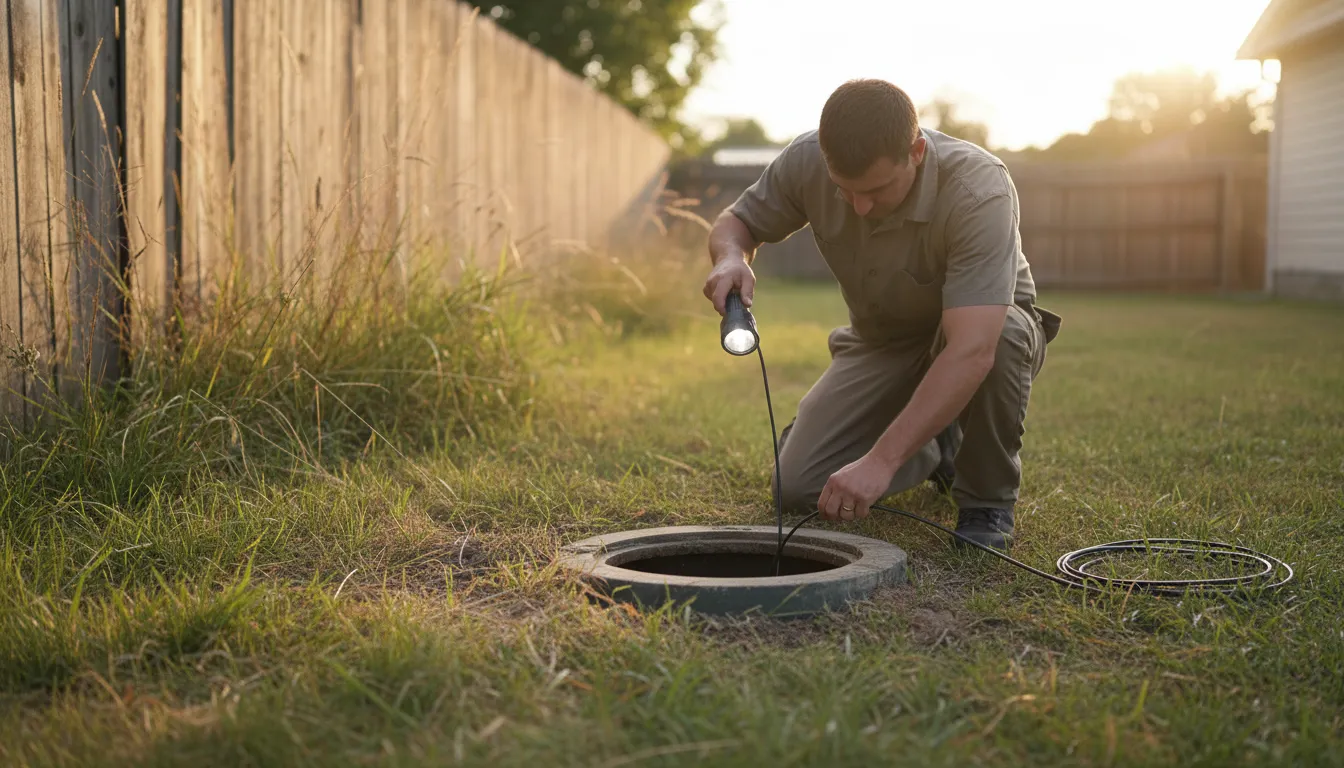
A professional septic tank inspection is a critical evaluation of your on-site wastewater system's components and overall health. In South Dakota, these assessments are not only a key part of routine maintenance but are often mandated by state and county regulations for new installations, property transfers, and permit renewals. This guide explains the inspection process, state requirements, typical costs, and how to find qualified, certified inspectors in your area to ensure your system functions properly and protects your property and environment.
Why Septic System Inspections Are Essential in South Dakota
Your septic system is a significant investment and a vital part of your property's infrastructure. Regular professional evaluations help prevent costly failures, protect groundwater from contamination, and ensure compliance with South Dakota's environmental health codes. An inspection can identify minor issues like a clogged outlet baffle or early signs of drainfield saturation before they escalate into major repairs or complete system replacement, which can cost tens of thousands of dollars. For homeowners, a clean inspection report is also crucial during real estate transactions, providing peace of mind to both buyers and sellers.
South Dakota Septic Inspection Regulations and Requirements
South Dakota's regulations for on-site wastewater systems are designed to protect public health and water quality. Understanding when an inspection is required by law is the first step for any property owner.
Pre-Cover Inspection: State regulations require a final, in-person inspection by a county official or approved inspector before any newly installed or significantly modified septic system is covered with soil. This ensures the installation matches the permitted design and meets all code requirements.
Operating Permit Re-inspection: In several counties, including Pennington and Meade, an Individual Wastewater Disposal Permit is valid for a set period-often six years. To renew this operating permit, the system owner must have the tank pumped and inspected by a "certified Liquid Waste Pumper," who then submits a report to the county. This cycle mandates regular professional assessment.
Property Transfer: While not always a state mandate, most mortgage lenders and cautious buyers will require a full septic system inspection as a condition of sale. This protects all parties from unforeseen liabilities.
The Professional Septic Inspection Process: What to Expect
A comprehensive septic inspection in South Dakota involves much more than just looking at the tank. A certified professional will follow a systematic process.
- Record Review & Site Evaluation: The inspector starts by reviewing the system's as-built design and permit history. They will then assess the property, noting the location of the tank, drainfield, well, and any water bodies to verify required setbacks (e.g., tanks must be at least 50 feet from lakes/streams and 50-75 feet from wells).
- Tank Access and Pumping: The inspector locates and uncovers the tank's access lids. Often, a full inspection requires pumping the tank to examine all internal components clearly. This allows them to check sludge and scum levels, which dictate pumping frequency.
- Component Inspection: Inside the tank, the inspector examines the inlet and outlet baffles or tees for integrity, checks for cracks or leaks in the tank walls, and assesses the condition of the effluent filter if present. They also inspect the drainfield area for signs of surfacing effluent, soggy ground, or unusually lush vegetation, which can indicate failure.
- Hydraulic Load Test & Dye Test (if needed): For a more thorough evaluation, especially during a real estate transaction, an inspector may perform a hydraulic load test. This involves running a significant amount of water through the household plumbing to see if the system can handle peak flows without backing up. A dye test may also be used to trace the flow of wastewater.
- Detailed Report: Finally, the inspector provides a written report detailing their findings, any deficiencies, maintenance recommendations, and an estimated remaining lifespan for system components.
Recommended Inspection and Pumping Frequency
The U.S. Environmental Protection Agency (EPA) and local experts recommend having your septic tank pumped and inspected every 3 to 5 years as a general rule 1. However, the ideal frequency for your South Dakota home depends on several factors:
- Tank Size and Household Size: A 1,000-gallon tank serving a family of four will need more frequent attention (potentially every 2-3 years) than a 1,500-gallon tank serving two people 2.
- Water Usage: High water consumption from large families, garbage disposals, or frequent laundry loads accelerates sludge accumulation.
- System Age and Condition: Older systems or those with a history of issues benefit from more frequent check-ups.
Relying on these regular inspections is smarter than waiting for warning signs like slow drains, sewage odors, or wet spots in the yard, which often signal an advanced-and expensive-problem.
Find the perfect septic tank inspection companies for your needs
Get personalized recommendations and expert advice
Understanding Septic Inspection Costs in South Dakota
The cost of a septic inspection in South Dakota varies based on the inspection's scope, the system's size and complexity, and your location. Understanding the price breakdown helps you budget appropriately.
Typical Cost Range: A standard routine inspection in South Dakota generally costs between $200 and $900, with an average around $550. This typically includes visual assessment, sludge level measurement, and a basic report.
Factors Influencing Price:
- Inspection Type: A simple routine check may start as low as $100, while a detailed inspection for a home sale, which includes pumping, hydraulic load tests, and a comprehensive report, can range from $500 to $1,300 or more 3.
- Tank Pumping: If pumping is required for the inspection (which it often is), this adds $300-$600 to the total cost, depending on tank size.
- System Complexity: Alternative systems with pumps, sand filters, or aerobic treatment units (ATUs) require more expertise and time to inspect, increasing the cost.
- Accessibility: Difficulty in locating or digging up tank lids will add labor time and expense.
While cost is a factor, choosing an inspector based solely on the lowest price is not advisable. The expertise and thoroughness of a certified professional provide far greater long-term value.
What Happens If an Inspection Finds Problems?
If an inspection reveals issues, the required corrective actions depend on the severity of the deficiency, as outlined by county health departments.
Minor Issues: Problems like a damaged tank baffle, a full tank needing pumping, or a clogged effluent filter are relatively straightforward and inexpensive to fix. The inspector will note these in the report for the homeowner to address.
Major Deficiencies or Failure: Signs of drainfield failure, such as effluent surfacing or biological mat clogging, are serious. South Dakota regulations require at least 4 feet of separation between the bottom of the drainfield and any restrictive soil layer or high water table 4. If this separation is compromised, the system is failing. Correcting this may require significant repairs like replacing the drainfield or installing a completely new system, which requires a new permit and design from a state-licensed engineer 5 6.
Finding a Qualified Septic Inspector in South Dakota
Selecting the right professional is crucial. Look for the following:
- State Certification: Ensure they are certified by the South Dakota Department of Agriculture and Natural Resources or recognized as a "certified Liquid Waste Pumper" for permit renewal inspections 7.
- Local Experience: Inspectors familiar with your county's specific regulations and common soil types (which vary greatly across the state) provide more relevant service.
- Comprehensive Service: Many qualified inspectors are also licensed installers or pumpers, allowing them to provide a full diagnosis and recommend vetted repair contractors.
- Detailed Reporting: Choose a provider known for clear, thorough, and unbiased written reports.
Always request references and verify that the inspector carries proper liability insurance.
Maintaining Your System Between Inspections
Professional inspections are a cornerstone of septic care, but daily maintenance extends your system's life. Key practices include:
- Conserve Water: Fix leaks and spread out laundry loads to avoid overwhelming the drainfield.
- Mind What You Flush: Only human waste and toilet paper should go down the drain. Avoid chemicals, grease, wipes (even "flushable" ones), and feminine hygiene products.
- Protect the Drainfield: Never drive or park vehicles over it, and plant only grass over the area. Keep roof drains and sump pumps directed away from it.
By combining responsible daily use with scheduled professional inspections, you ensure your South Dakota septic system remains a reliable and compliant asset for years to come.
Frequently asked questions
Sources
Footnotes
-
How to Care for Your Septic System | US EPA - https://www.epa.gov/septic/how-care-your-septic-system ↩
-
How Often Should You Pump Your Septic Tank: 3 Factors Solved - https://www.frasiers.com/blog/sewage-tank-pump-frequency/ ↩
-
How Much Does a Septic Inspection Cost? [2026 Data] - Angie's List - https://www.angi.com/articles/septic-inspection-cost.htm ↩
-
Septic System Maintenance - South Dakota State University - https://www.sdstate.edu/sites/default/files/2017-01/ExEx1018.pdf ↩
-
INSTALLATION AND PERMIT REQUIREMENTS - https://www.sdcounties.org/wp-content/uploads/Custer/installation%20&%20permit%20requirement%20for%20individual%20on-site%20wastewater%20disposal%20systems.pdf ↩
-
§ II-9.008 SEPTIC SYSTEM PERMIT PROCESS. - https://codelibrary.amlegal.com/codes/lawrencecounty/latest/lawrencecty_sd_land/0-0-0-2373 ↩
-
Pennington & Meade County Septic Permits - https://hillsseptic.com/pennington-meade-county-septic-permits/ ↩