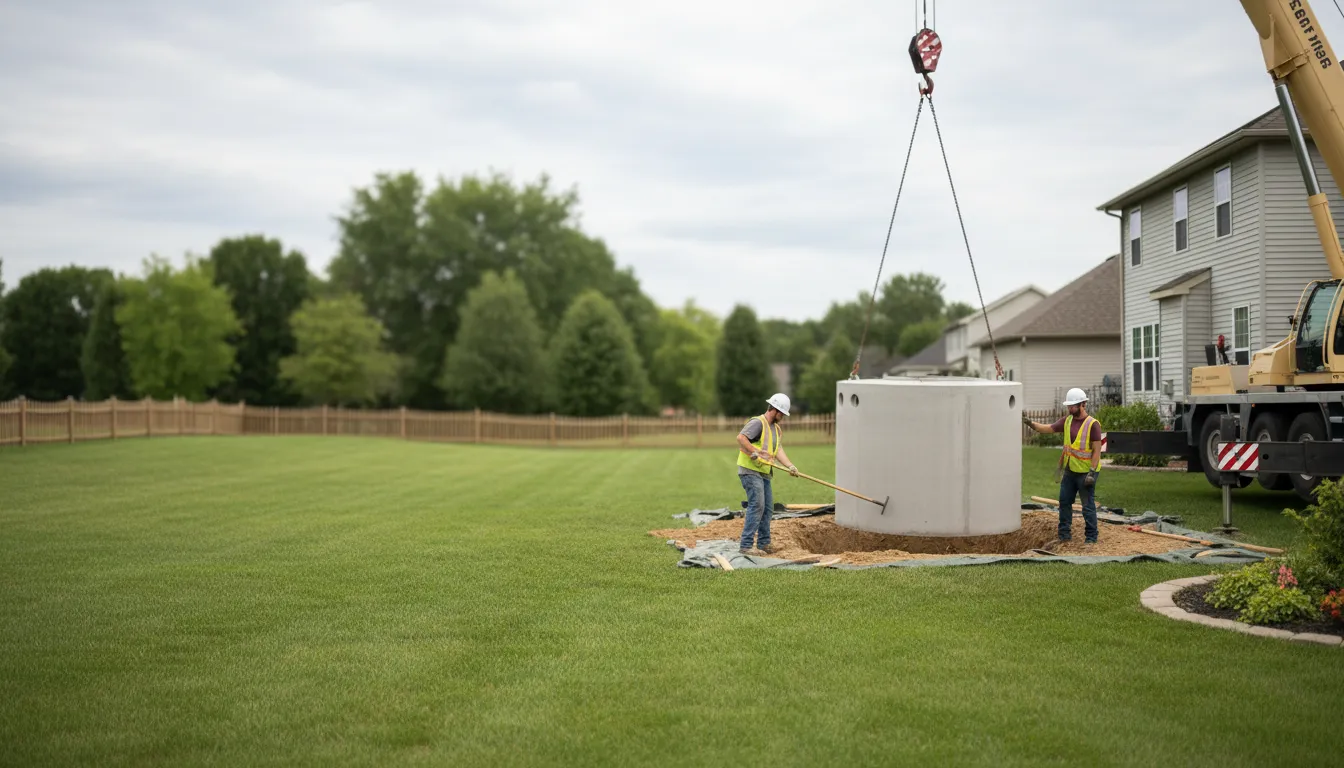
Find the Best Septic Tank Installation & Replacement Contractors for Your Business
No obligation • Fast responses • Nationwide coverage

Why you can trust Septic Spot
Septic Spot is a leading United States resource for understanding and comparing septic services. Our editors review providers using consistent criteria and verify key business details. Listings and scores are independent, and companies cannot pay to influence our content.
Search providers near you
Best Septic Tank Installation & Replacement Contractors in Alaska Ranked
Installing or replacing a septic system in Alaska is a significant undertaking governed by strict state and local regulations. This process ensures that wastewater is treated safely in Alaska's unique and often sensitive environments, protecting both public health and groundwater. Whether you're building a new home or upgrading an aging system, understanding the regulatory requirements, costs, and steps involved is crucial. The following guide provides a detailed overview to help you navigate the process and connect with qualified local professionals.
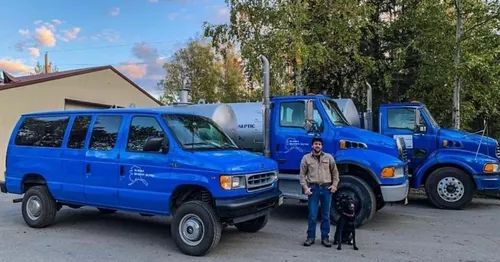
Alaska Quality Septic
12243 Center St, Eagle River, AK 99577
Alaska Quality Septic is a full-service septic company based in Anchorage, AK, offering septic pumping, inspections, maintenance, and installations. They serve a wide range of locations including Anchorage, Eagle River, Wasilla, Palmer, and many remote areas across Alaska. The company provides engineered septic system installations and general excavation services such as land clearing and drainage solutions. Alaska Quality Septic operates with 24/7 support to handle septic emergencies and ongoing system needs.
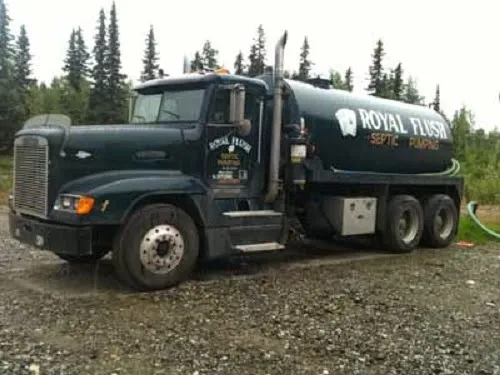
Royal Flush Septic Pumping
7241 Sunrise Dr, Wasilla, AK 99623
Royal Flush Septic Pumping provides a full range of septic services in Anchorage, AK, including septic tank pumping, inspection, repair, and installation. They also handle drain field repair and replacement, septic pump repair or replacement, and offer commercial sewer repair and pipe video inspection. The company is equipped with vacuum trucks and provides year-round service to manage the challenges posed by Alaska's harsh weather conditions. Royal Flush offers 24/7 emergency septic and sewer services to address urgent needs promptly.
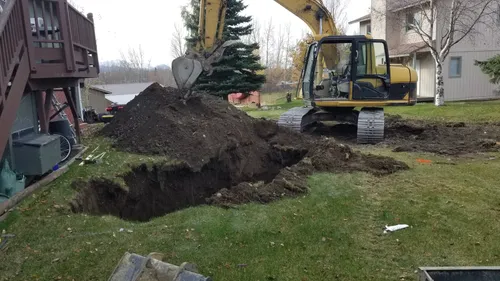
JP Septic & Excavation, LLC
Anchorage, AK
JP Septic & Excavation, LLC is a veteran-owned, family-operated business based in Anchorage, AK, serving Palmer and the surrounding Mat-Su Valley area. The company provides septic system installation and replacement, site preparation, and excavation services for both residential and commercial clients. Their capabilities include sewer and water line work, grading, and culvert maintenance and installation. JP Septic & Excavation also offers lawn renovations, gravel pads, and resurfacing services.
Knik Sewer, Drain and Excavation
Anchorage, AK
Knik Sewer, Drain and Excavation is a septic tank inspection, repair, and installation company located in Anchorage, AK. They provide a full range of civil construction services including site preparation and commercial tank farm construction. Their team specializes in septic system installation, drain cleaning, and drain field repair or replacement. Knik SDX works closely with engineers and inspectors to ensure projects run smoothly and meet client needs.
A+ Home Services, Inc.
700 W 41st Ave STE 201, Anchorage, AK 99503
A+ Home Services, Inc. provides septic system installation, pumping, inspection, repair, and drain field services in Anchorage, AK. With over 30 years of experience, they also offer excavation services including site preparation and drainage system installation for residential and commercial properties. The company specializes in a variety of septic systems, including advanced treatment options like Orenco and Advantex, and uses modern equipment to complete projects efficiently while adhering to local regulations.
Understanding Alaska's Regulatory Framework
Alaska's septic system regulations are primarily managed by the Alaska Department of Environmental Conservation (ADEC) under Title 18 of the Alaska Administrative Code (18 AAC 72). These rules are designed to protect water quality and public health by ensuring systems are properly designed, installed, and maintained. The process is not a simple DIY project; it requires professional engineering and certified installation.
Before any shovel hits the ground, you must obtain an Approval to Construct from ADEC. This permit is mandatory for both new installations and the replacement of existing systems. The application process involves submitting detailed plans, typically sealed by a registered Professional Engineer, who must also conduct a site evaluation. Local municipalities, like the Municipality of Anchorage, often have additional, sometimes stricter, permitting requirements that must be satisfied alongside state regulations.
Key Steps in the Installation & Replacement Process
1. Professional Site Evaluation and Design
The first critical step is a site evaluation conducted by a licensed Professional Engineer. This evaluation assesses soil conditions, topography, and the location of water sources within 25 feet of the proposed system area. Based on this assessment, the engineer designs a system that complies with 18 AAC 72 regulations. The design must include proper sizing, which in Alaska is generally based on the number of bedrooms in the home, using a standard of two occupants per bedroom.
2. Securing Permits and Approvals
With engineered plans in hand, you can apply for the ADEC Approval to Construct. In areas like Anchorage, you must also secure local permits 1. It's important to note that the installation of new cesspools is prohibited in Alaska, so your design must be for a compliant septic tank and soil absorption system 2.
3. Hiring a Certified Installer
ADEC generally requires that the physical construction of the system be performed by a certified installer 3. Your engineer or local health department can often provide lists of qualified contractors. The installer is required to notify ADEC at least 24 hours before beginning construction.
4. Construction and Inspection
During installation, key features must be included, such as proper cleanout access. Regulations often require a wye fitting to extend one foot above ground and be located within five feet of the building foundation for easy maintenance access 4. Once construction is complete, the certified installer or supervising engineer must submit "As-Built" drawings and a Documentation of Construction form to ADEC within 90 days to receive final approval, known as an Approval to Operate 5 6.
Find the perfect septic tank installation & replacement contractors for your needs
Get personalized recommendations and expert advice
System Sizing, Design, and Component Choices
Sizing Your System: As mentioned, system capacity is primarily determined by the number of bedrooms. An engineer will use this, along with soil percolation rates, to specify the correct tank size and drain field dimensions. An undersized system will fail quickly, while an oversized one is an unnecessary expense.
Tank Material Options: You typically have a choice between concrete and plastic (polyethylene) tanks.
- Concrete Tanks: These are heavy-duty, very durable, and less susceptible to damage from shifting soil or buoyancy in high groundwater. They generally cost between $700 and $2,000 for the tank itself.
- Plastic Tanks: These are lighter, easier to install, and resistant to corrosion. They range in cost from $500 to $2,000 7. Their use must be approved in the engineered design, as they may require special anchoring to prevent them from floating up in areas with a high water table.
Engineered Systems: In many parts of Alaska where soil conditions are poor (e.g., shallow bedrock, permafrost, or high groundwater), a conventional septic system may not be feasible. In these cases, an engineered wastewater disposal system is necessary 8. These advanced systems use technology like peat filters, sand filters, or aerobic treatment units (ATUs) to provide additional treatment before the effluent is dispersed. These systems are more complex and costly but are often the only viable option.
Costs of Septic System Installation in Alaska
The cost for a new septic system in Alaska varies dramatically based on location, soil conditions, system type, and tank material. Statewide, you can expect a wide range, from roughly $5,000 to well over $13,000 for a complete installation.
Looking at regional data, in the Fairbanks area, the average cost for a standard installation typically falls between $5,578 and $7,969 9. However, complex projects involving poor soils, engineered systems, or difficult site access can push costs toward the higher end of the spectrum, potentially ranging from $1,987 to $13,986 9.
These figures generally include:
- Professional engineering and design fees
- Permit fees from ADEC and local government
- The septic tank (concrete or plastic)
- All excavation, piping, and drain field materials
- Labor from the certified installer
- Final inspection and certification
For a simple tank-only replacement where the existing drain field is still functional, costs will be lower but still require permits and professional installation.
Special Considerations for Homeowners
Property Transfers: If you are buying or selling a home in areas like Anchorage, be aware that local rules may require a septic tank inspection if the system is over 20 years old 10. This inspection aims to detect leaks and ensure the system is functional, and any needed repairs or replacement can become a point of negotiation in the sale.
System Failure and Replacement: Signs of a failing system include sewage backups, soggy ground or foul odors near the drain field, and unusually green grass over the area. Replacement follows the same rigorous process as a new installation: site evaluation, new engineered design, permits, and certified installation. You cannot simply install a new tank in the same location without current ADEC approval 11.
Maintenance is Key: Once your new system is installed, proper maintenance is non-negotiable. This includes regular pumping of the tank (typically every 3-5 years), conserving water, and avoiding flushing harmful chemicals or non-biodegradable materials. A well-maintained system can last for decades.
For the most accurate, site-specific information and guidance, it is highly recommended to consult directly with a local Alaska-certified septic system engineer or the ADEC website 12.
Frequently asked questions
Sources
Footnotes
-
Construction requirements for conventional wastewater systems ↩
-
Installing or Upgrading a Septic System | AK Dept. of Environmental Conservation ↩
-
How Much Does a Septic Tank or Septic System Cost in 2024? ↩
-
Septic Tank Installation in Fairbanks, AK - Costs 01 / 2026 - Homeyou ↩ ↩2
-
Are you an Anchorage homeowner with a septic tank? You're going ... ↩