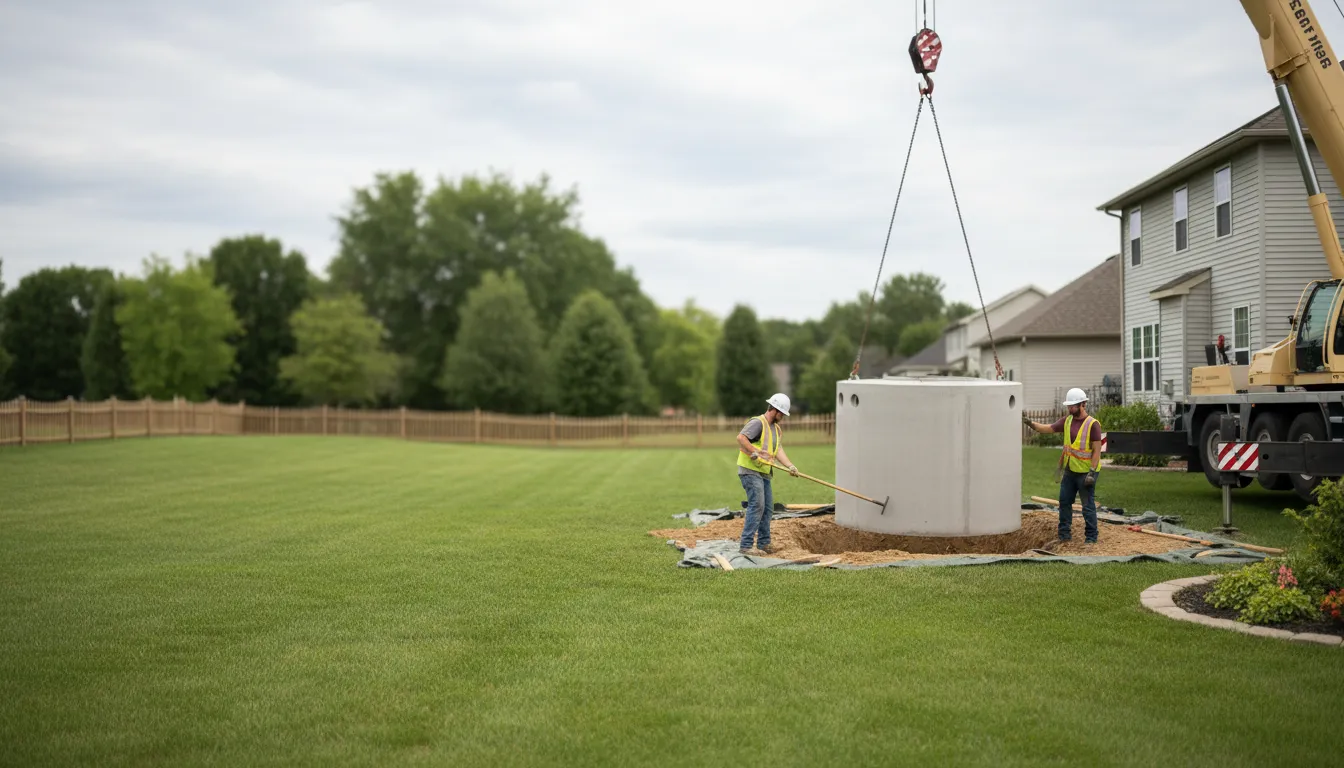
Find the Best Septic Tank Installation & Replacement Contractors for Your Business
No obligation • Fast responses • Nationwide coverage

Why you can trust Septic Spot
Septic Spot is a leading United States resource for understanding and comparing septic services. Our editors review providers using consistent criteria and verify key business details. Listings and scores are independent, and companies cannot pay to influence our content.
Search providers near you
Best Septic Tank Installation & Replacement Contractors in Arkansas Ranked
Installing or replacing a septic system is a significant investment in your Arkansas property's long-term functionality and value. This process is regulated to protect public health and the state's groundwater, requiring specific permits, site evaluations, and professional installation. Understanding the state's requirements, costs, and steps involved is essential for a successful project. The following guide provides a clear overview to help you navigate the process and connect with qualified local professionals.
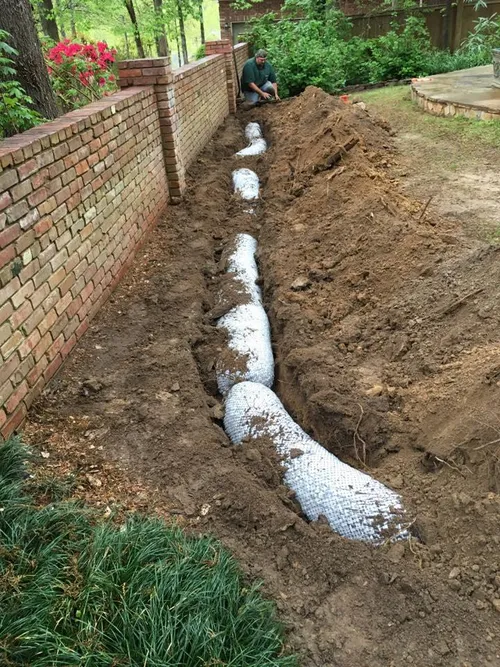
Mandy's Septic Solutions
Little Rock, AR
Mandy's Septic Solutions provides septic system installation, repair, and pumping services in Little Rock, AR, and Cabot. They also offer perc testing to support proper wastewater disposal for homes and businesses. With over six years serving the area and a lead contractor who has more than 20 years of industry experience, Mandy's Septic Solutions is licensed and insured to handle various septic system needs. The company offers 24/7 availability for septic system services.

S & S SEPTIC SYSTEMS AND ENVIRONMENTAL SERVICES, LLC
13726 W Gary Ln, Ward, AR 72176
S & S SEPTIC SYSTEMS AND ENVIRONMENTAL SERVICES, LLC is a family-owned company based near Little Rock, AR, offering septic system installation, repair, and inspection services. They serve customers throughout Arkansas, providing new septic system installations, replacements, and repairs tailored to each situation. The company focuses on delivering durable septic solutions designed to last for many years and works closely with clients to ensure proper system design and diagnosis.
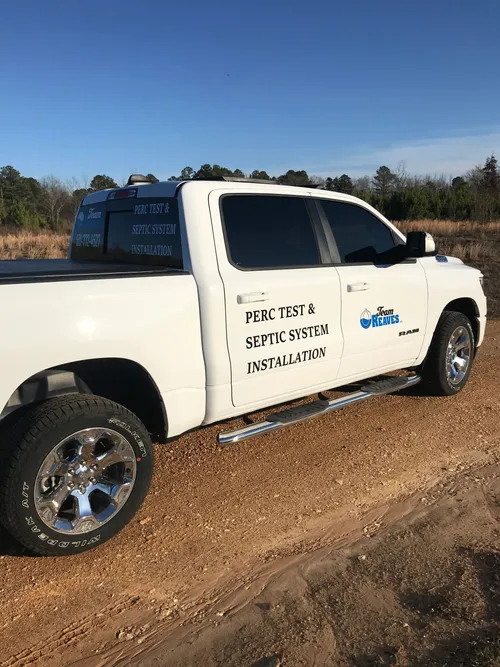
Team Reaves LLC Perc Tests & Septic Systems
5900 Detonti Rd, Bauxite, AR 72011
Team Reaves LLC Perc Tests & Septic Systems is a septic tank installation contractor based in Little Rock, AR. The company specializes in performing percolation tests and installing septic systems, with services tailored to support home construction projects. Licensed by the State of Arkansas, Jason, the lead representative, brings over 30 years of experience in underground utilities to the business. Team Reaves provides septic system installation based on soil absorption rates determined by perc tests, ensuring systems are properly designed for each property. The company focuses on timely work while considering weather conditions.
Clear Flow
Little Rock, AR
Clear Flow is a septic system repair and installation company based in Little Rock, AR. They specialize in percolation testing and septic system services for clients in Little Rock and surrounding Arkansas communities. With over 29 years of experience since 1984, Clear Flow focuses on quality installation and maintenance of septic systems, aiming for long-lasting and efficient solutions. The company serves multiple local areas including Austin, Jacksonville, Cabot, and Conway, among others.
Understanding Arkansas Septic System Regulations
In Arkansas, all septic system installations, replacements, and major repairs are overseen by the Arkansas Department of Health (ADH). The cornerstone of regulation is the permit. A Permit for Construction must be obtained from the ADH before any work begins on installation, alteration, or repair. This rule ensures the system is designed and installed to meet state standards. Permits are typically valid for one year from the date of issuance.
There are limited exemptions. For instance, single-family homes situated on ten or more acres may be exempt if the entire septic system is located 200 feet or more from any property line or road 1. Additionally, emergency repairs necessary to correct a public health hazard can proceed without a prior permit, but the ADH must be notified within ten working days of the repair.
The Permit Process: Step-by-Step
Navigating the permit process is the first critical phase of your project.
- Site Evaluation: You must hire a state-licensed Designated Representative (DR) to conduct a site evaluation. This professional performs essential soil tests, including a percolation test, to determine the soil's absorption rate and suitability for a septic system 2. The results of this evaluation directly influence the system's design.
- System Design & Plan Submission: Based on the site evaluation, a detailed design plan is created. This plan, often at a scale of 1"=20' or 1"=30', must show the proposed system layout, property lines, wells, and other site features. This plan is submitted to the ADH or the Arkansas Division of Environmental Quality for review.
- Permit Issuance: Once the design is approved, the ADH will issue the Permit for Construction. Only with this permit in hand can installation legally begin.
Septic Tank Requirements and Sizing
Arkansas regulations specify material and size requirements for septic tanks. Approved tanks must be watertight and constructed from concrete, fiberglass, or polyethylene 3.
Sizing is based primarily on the number of bedrooms in the home and whether a garbage disposal is present, as disposals significantly increase solid waste.
- 1-2 Bedrooms: Minimum 900-gallon tank (1,350 gallons with a garbage disposal).
- 3 Bedrooms: Minimum 1,000-gallon tank (1,500 gallons with a disposal).
- 4 Bedrooms: Minimum 1,200-gallon tank (1,800 gallons with a disposal).
- 5-6 Bedrooms: Minimum 1,500-gallon tank (2,250 gallons with a disposal).
Proper placement is also mandated. The septic tank must be located at least 100 feet from any water well to prevent contamination 4 5.
Installation, Inspection, and Final Approval
Once permitted, the physical installation can proceed. It is crucial to hire an experienced, licensed installer familiar with Arkansas codes.
- During Installation: ADH personnel or a designated representative have the authority to inspect the work during construction to verify it matches the approved plan and that components like pipes and tanks are properly connected 6.
- Final Inspection: This is a mandatory step. The installer or permit holder must notify the ADH to schedule a final inspection before the system is covered or backfilled 7 8. This inspection confirms the installation is complete and correct. Failing to get this final approval can lead to compliance issues and problems when selling your property.
Find the perfect septic tank installation & replacement contractors for your needs
Get personalized recommendations and expert advice
Cost Factors for Septic Systems in Arkansas
The cost of a new septic system in Arkansas varies widely based on several factors. General price ranges for a full system installation are:
Key factors influencing the final price include:
- Soil Conditions & Topography: Poorly draining soil or difficult slopes may require a more complex (and expensive) system, such as a low-pressure pipe (LPP) or other alternative system.
- System Type & Size: As noted in the sizing requirements, a larger home needs a larger tank and drain field. The type of system (conventional, aerobic, etc.) also affects cost.
- Local Installer Fees: Labor rates and availability can vary by region within the state.
- Permit & Design Fees: Costs for the site evaluation by the DR and the ADH permit application are additional.
County-Specific Considerations
While the ADH sets statewide rules, some counties have additional local ordinances. A notable example is Benton County, which has regulations requiring an inspection of the onsite wastewater treatment system during the transfer of property 11. It is always wise to check with your local county health department to see if any supplementary rules apply to your project.
Maintaining Your New System
After a successful installation and inspection, proper maintenance is key to longevity. This includes regular pumping (typically every 3-5 years), conserving water to avoid overloading the system, and avoiding flushing harmful chemicals or non-biodegradable materials. Protecting your drain field from vehicle traffic and managing nearby tree roots are also important practices.
Frequently asked questions
Sources
Footnotes
-
ACT 402 of 1977 - Arkansas Department of Health - https://healthy.arkansas.gov/wp-content/uploads/ACT_402_Language_Update_20140603.pdf ↩
-
Rules and Regulations - Arkansas Secretary of State - https://www.sos.arkansas.gov/uploads/rulesRegs/Arkansas%20Register/2008/dec_2008/007.04.08--001.pdf ↩
-
Arkansas Septic System Requirements - National Tank Outlet - https://www.ntotank.com/blog/arkansas-septic-system-requirements ↩
-
Onsite Wastewater FAQs - Arkansas Department of Health - https://healthy.arkansas.gov/programs-services/public-health-safety/onsite-wastewater/onsite-wastewater-faqs/ ↩
-
Arkansas Septic Tank Requirements - https://septiccalculator.com/states/ar ↩
-
Arkansas Administrative Code, Division 04, Rule 007.04.93-005 - https://regulations.justia.com/states/arkansas/agency-007/division-04/rule-007-04-93-005/ ↩
-
Property Owner Septic System Permit Information Sheet - https://www.adeq.state.ar.us/downloads/webdatabases/permitsonline/npdes/permitinformation/arg550320c_health%20department%20documents_20091202.pdf ↩
-
arkansas department of health - division of sanitarian services - https://gis.bentoncountyar.gov/health_department/septic_permits/2523.pdf ↩
-
How Much Does a Septic System & Septic Tank Cost - NexGen Septics - https://www.nexgenseptics.com/septic-system-cost/ ↩
-
Septic System Installation Costs: Budgeting Tips for Home - https://smartsepticpros.com/blog/septic-system-installation/ ↩
-
Onsite Wastewater Treatment System Ordinance Frequently Asked ... - http://bentoncountyar.gov/Media/Publication/Committees/Meeting/Meeting_20151109_0600%20PM_Legislative_6_Misc.pdf ↩