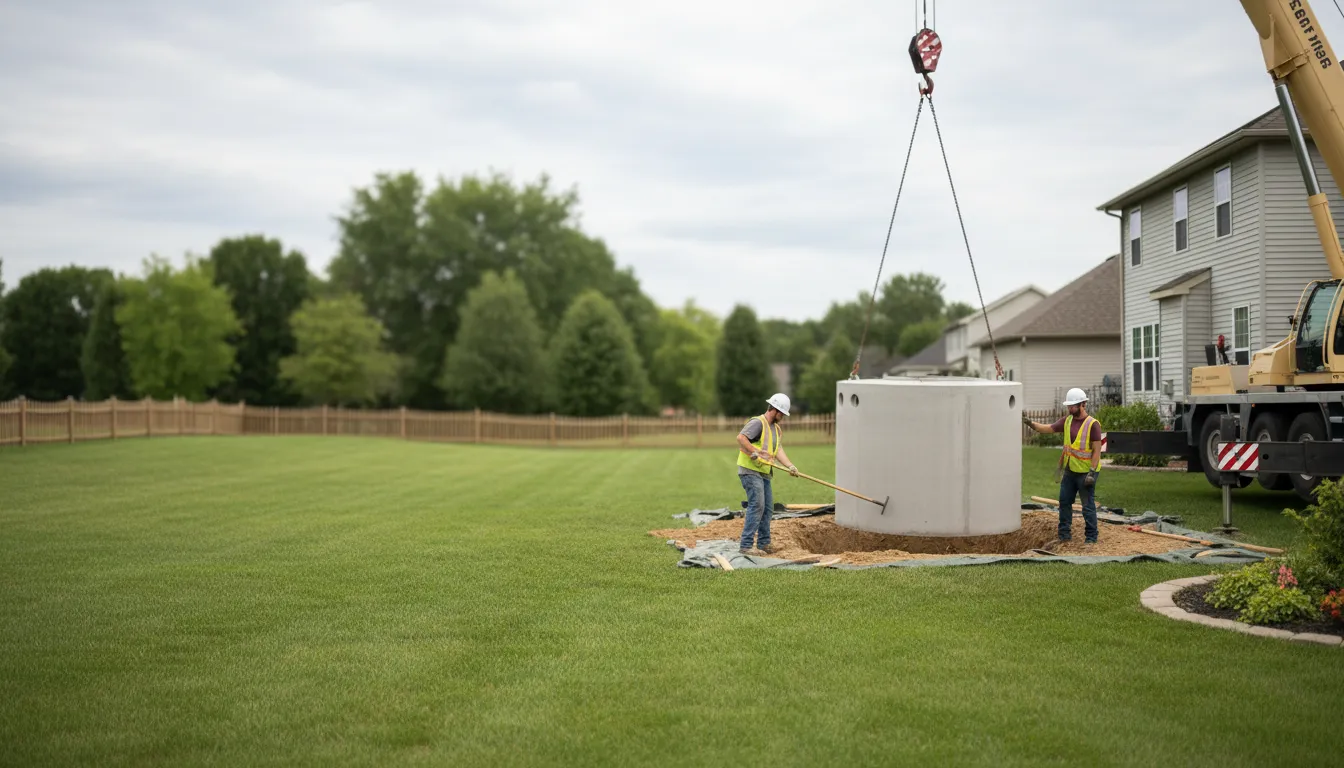
Find the Best Septic Tank Installation & Replacement Contractors for Your Business
No obligation • Fast responses • Nationwide coverage

Why you can trust Septic Spot
Septic Spot is a leading United States resource for understanding and comparing septic services. Our editors review providers using consistent criteria and verify key business details. Listings and scores are independent, and companies cannot pay to influence our content.
Search providers near you
Top Septic Tank Installation & Replacement Contractors in Nampa, Idaho Ranked
Installing or replacing a septic system is a significant investment in your property's long-term functionality and environmental health. In Nampa, this process is regulated by local health districts to protect groundwater and ensure systems are built to last. This guide explains the key steps, regulations, and considerations for septic system installation and replacement, helping you understand what to expect and how to connect with qualified local professionals for your project.
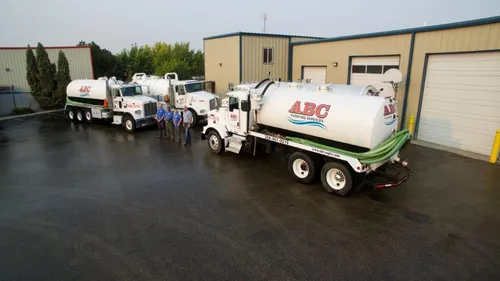
ABC Pumping Service
281 N Baltic Pl, Meridian, ID 83642
ABC Pumping Service is a septic tank and system specialist based in Boise, ID, serving Meridian and surrounding areas. They provide a range of services including septic tank pumping, inspection, repair, installation, drain field repair, and pump maintenance. With over 30 years of experience, ABC Pumping Service is familiar with both old and new septic systems and offers 24/7 emergency services. One notable capability is their expertise in repairing damaged drain fields to prevent septic system failure. They also install and maintain advanced wastewater treatment systems such as ETPS units, serving both residential and commercial clients.
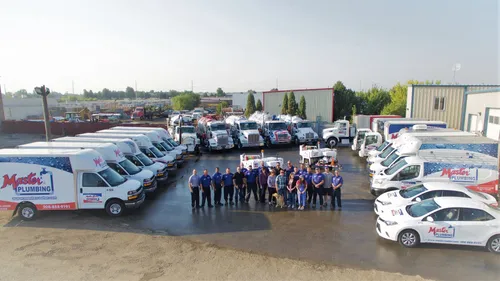
Master Plumbing
9446 W Fairview Ave Suite B, Boise, ID 83704
Master Plumbing is a septic tank pumping, inspection, and installation company based in Boise, ID. They serve homeowners throughout Southwest Idaho, offering a range of plumbing services including septic system installation, maintenance, and advanced wastewater treatment solutions such as the Extended Treatment Package System (ETPS) using BioMicrobics FAST Technology. With over 140 years of combined experience, Master Plumbing employs certified journeyman plumbers who are knowledgeable in meeting Idaho Department of Environmental Quality requirements. The company also provides 24/7 emergency plumbing services to address urgent needs at any time.
Master Plumbing
393 W State St c, Eagle, ID 83616
Master Plumbing is a septic tank pumping, inspection, and installation contractor serving Boise, ID. They offer a full range of plumbing services including septic system installation, maintenance, and advanced wastewater treatment solutions such as BioMicrobics FAST Technology and Extended Treatment Package Systems (ETPS) for challenging soil conditions. With over 140 years of combined experience, their certified journeyman plumbers provide knowledgeable and customized solutions. Master Plumbing also offers 24/7 emergency plumbing services to address urgent needs at any time.
American Rooter & Drain
199 E 52nd St SUITE 200, Garden City, ID 83714
American Rooter & Drain is a plumbing and HVAC company serving Boise, ID. They provide a range of services including septic tank inspection and installation, drain cleaning, sewer camera inspection, and trenchless sewer line repair. Established in 1945, the company has decades of experience and offers emergency service and repairs. Their licensed technicians handle residential and commercial plumbing and HVAC needs, ensuring work is completed with a satisfaction guarantee.
Qube Construction LLC
810 S. Quiet Creek Ln, Nampa, ID 83687
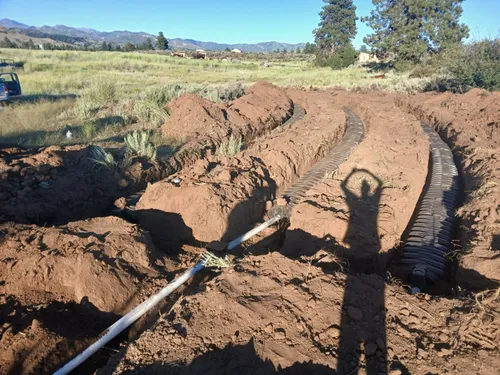
Qube Construction LLC provides septic system services including pumping, installation, repair, inspection, and drain field work in Boise, ID and the Treasure Valley. Their licensed team handles residential and commercial projects, offering 24/7 emergency service and modern equipment to maintain system efficiency. With over 15 years of experience, Qube Construction specializes in complete septic system design, code-compliant installations, and expert drain field repair and replacement. They emphasize environmental responsibility and provide detailed inspection reports with fast turnaround times.
Understanding the Regulatory Process in Canyon County
All septic system work in Nampa falls under the jurisdiction of Southwest District Health (SWDH). You cannot legally begin any excavation for a new or replacement septic system without first obtaining the proper permit from this agency. The permit process is designed to ensure the system is appropriately sized for your household and installed in suitable soil conditions, safeguarding both your property and the community's water quality.
The cornerstone of this process is the site evaluation. A licensed professional will conduct tests, including digging a deep observation hole (often 8-10 feet or more) to assess the soil composition and identify limiting layers like bedrock or a high water table 1 2. The results of this evaluation directly determine the design and size of your required drainfield. You will also need to submit a detailed plot plan drawn to scale, along with your house floor plans, to confirm the number of bedrooms-a key factor in sizing the system.
Key Steps for New Installation and Full System Replacement
Whether you're building on vacant land or dealing with a failed system, the path for a new septic installation or a complete septic tank replacement follows a similar regulated sequence.
- Application and Site Evaluation: Submit your permit application, plot plan, and fees to SWDH. A site evaluation will be scheduled to perform soil tests and verify all required setbacks from wells, property lines, and structures are met.
- System Design: Based on the site evaluation results, a system is designed. In Idaho, all designs must conform to the Idaho Technical Guidance Manual standards. This includes specifying the tank type (concrete or plastic meeting DEQ requirements) and engineering the drainfield for the specific soil conditions.
- Choosing a Licensed Installer: Idaho law requires that the physical installation be performed by a state-licensed septic system installer. It is crucial to verify a contractor's license is current with SWDH.
- Installation and Inspections: The licensed installer will excavate and place the tank and drainfield. Critical inspection point: An SWDH inspector must examine the installed tank and piping before the system is backfilled. Tanks may also be required to pass a water-tightness test at this stage 3 4.
- Final Approval: Once the installation passes inspection and is covered, the health district provides final approval, allowing the system to be put into service.
Find the perfect septic tank installation & replacement contractors for your needs
Get personalized recommendations and expert advice
Cost Considerations for Septic Work
The total cost for septic system installation in Nampa can vary widely, primarily due to two factors: the type of system required by the soil conditions and the size of the home. A basic conventional system for favorable soil will be at the lower end of the spectrum, while more complex alternative systems (like mound or pressure-dosed systems) needed for challenging sites can be significantly more expensive.
Beyond the contractor's costs for labor, materials, and equipment, you must budget for permit and evaluation fees paid directly to the health district. The permit fee for a new system or a major replacement in the SWDH jurisdiction is approximately $9505. The site evaluation fee is typically separate and can be around $5505. When combined with installation costs that often range from $4,000 to well over $10,000, getting multiple detailed quotes from licensed installers is highly recommended5.
Important Requirements and Best Practices
Adhering to specific requirements is non-negotiable for a compliant and durable system. For instance, if your septic tank is buried more than 24 inches deep, the health code requires the installation of tank risers. These extensions bring the access lids to near the surface, making routine pumping and inspection much easier and safer.
Furthermore, Idaho regulations mandate the designation of a replacement area on your property when a new system is installed6 7. This is a space reserved for a future second drainfield, ensuring there is a suitable location to expand or rebuild the system if the original field ever fails. Protecting this area from construction, compaction, or landscaping is essential for your property's future wastewater disposal needs.
Best practices for a long-lasting system go beyond code. This includes directing all roof and surface drainage away from the drainfield, avoiding planting trees nearby, and never driving or parking heavy vehicles over the tank or field area. Understanding these responsibilities is key to protecting your investment8.
When is a Septic System Replacement Necessary?
Homeowners should be aware of the signs that indicate a need for septic tank repair or a full system replacement, not just routine pumping. These warning signs include:
- Sewage backing up into household drains.
- Bright green, spongy grass over the drainfield, especially during dry weather.
- Persistent soggy ground or standing water near the tank or drainfield.
- Foul odors around the tank or leach field.
- Slow-draining sinks and toilets throughout the house.
If you notice any of these issues, contact a licensed professional for an evaluation. Sometimes, the problem may be a clogged pipe or a full tank that can be remedied with pumping. However, if the drainfield itself has failed due to age, compaction, or biomat buildup, a full septic system replacement may be the only permanent solution.
Navigating the Process Successfully
The process for installing a new septic tank or replacing an old one involves multiple steps and parties: the homeowner, the health district, and the licensed installer. Success depends on clear communication and planning. Start early, as obtaining permits and scheduling evaluations and inspections can take time. Be prepared with your property plans and understand the fees involved. Most importantly, choose your installer carefully-look for licensed professionals with strong local references and experience with the soil types common in the Nampa area.
Frequently asked questions
Sources
Footnotes
-
Septic Permits - https://www.siphidaho.org/environmental-health/septic-onsite.php ↩
-
"Perc" Percolation Tests - KGT Septic and Excavation - https://www.kgtseptic.com/percolation-tests/ ↩
-
A Homeowner's Guide to Septic Systems - Central District Health - https://cdh.idaho.gov/wp-content/uploads/2023/10/Homeowners-Guide-to-Septic-Systems.pdf ↩
-
RESIDENTIAL SYSTEM REQUIREMENTS- - https://www.bottlebaydistrict.org/files/47f24ad09/RSR+%28effective+9-20-2023%29.pdf ↩
-
Septic & Land Development - Southwest District Health - https://swdh.id.gov/licensing-permitting/septic-land-development/ ↩ ↩2 ↩3
-
Basic Septic System Installer Training Class - https://www.idahopublichealth.com/environmental/septicsystems/2020-Basic-Installer-Training.pdf ↩
-
Homeowner Installer Manual - https://idahopublichealth.com/environmental/septicsystems/New-Sewer-Installers-Manual.pdf ↩
-
Septic Installation Tips & Best Practices You Should Know - https://www.rciseptic.com/understanding-septic-installations-key-tips-and-best-practices ↩