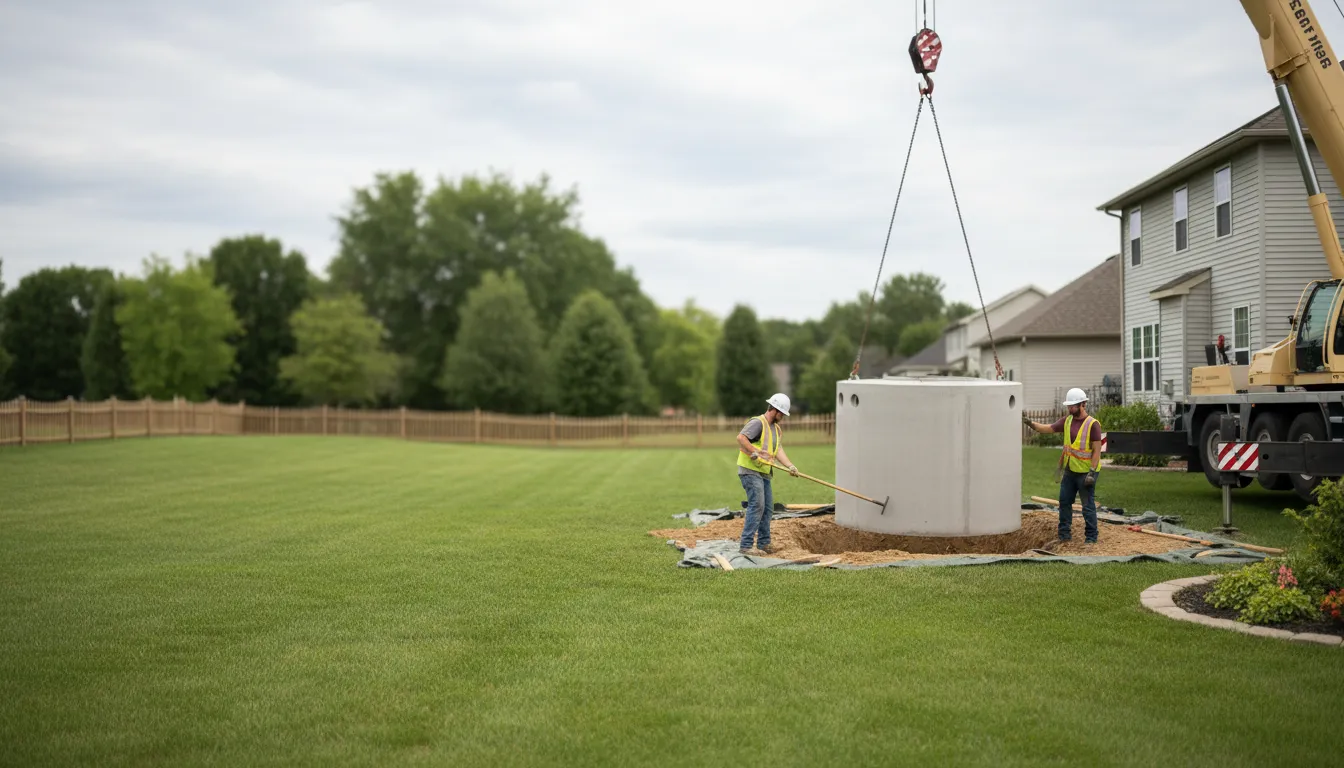
Find the Best Septic Tank Installation & Replacement Contractors for Your Business
No obligation • Fast responses • Nationwide coverage

Why you can trust Septic Spot
Septic Spot is a leading United States resource for understanding and comparing septic services. Our editors review providers using consistent criteria and verify key business details. Listings and scores are independent, and companies cannot pay to influence our content.
Search providers near you
Best Septic Tank Installation & Replacement Contractors in New Hampshire Ranked
Installing or replacing a septic system is a significant investment in your New Hampshire property, ensuring safe wastewater treatment and protecting the local environment. This process is strictly regulated by the state to safeguard public health and water quality. Understanding the steps, regulations, and costs involved can help you navigate your project confidently and connect with the licensed professionals required to do the job correctly.
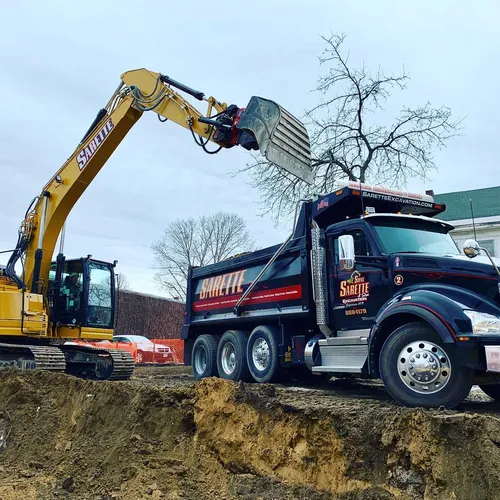
Steve Sarette & Son Excavation
282 Goffstown Back Rd, Goffstown, NH 03045
Steve Sarette & Son Excavation is a family-owned excavation company based near Manchester, NH. They provide a wide range of services including septic tank installation, road construction, sewer and water hookups, and light demolition. The company is fully insured, licensed, and bonded, serving residential, commercial, and municipal clients throughout Southern New Hampshire. Their expertise includes septic design and installation as well as commercial snow plowing and removal.
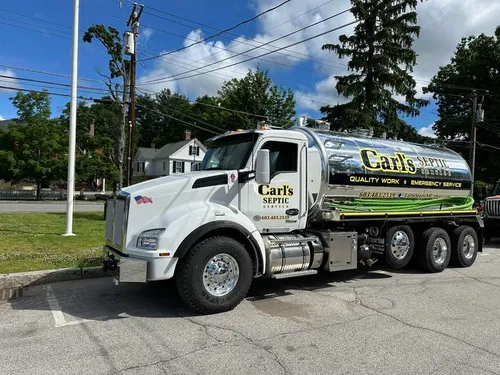
Carl's Septic Systems and Services in New Hampshire
320 Baker Rd, Candia, NH 03034
Carl's Septic Systems and Services in New Hampshire provides septic tank pumping, repair, and installation services in Manchester, NH. With over 40 years of experience, they serve both residential and commercial clients across New Hampshire. Their offerings include emergency septic services, routine maintenance, and commercial septic solutions, ensuring systems operate efficiently and meet regulatory standards. The company emphasizes reliable emergency response and comprehensive septic system care.
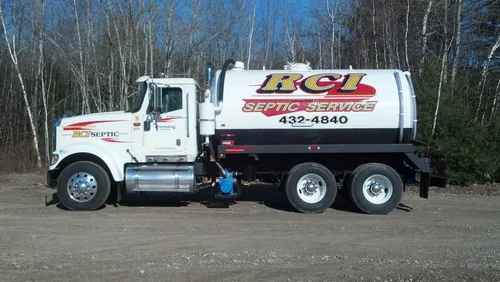
RCI Septic Service
Manchester, NH
RCI Septic Service is a family-owned septic company serving Manchester, NH, and the surrounding Southern New Hampshire region. They provide septic tank pumping, system repair, replacement, and installation services tailored to residential and commercial properties. With over 25 years of experience and a multi-generational team, they use up-to-date technology and quality materials to ensure efficient and environmentally friendly septic systems. Their capabilities include thorough septic tank pump-outs and full system installations, designed to maintain system health and longevity.
Understanding New Hampshire's Regulatory Framework
All new septic system installations and most replacements in New Hampshire require approval from the New Hampshire Department of Environmental Services (NHDES) Subsurface Systems Bureau. You cannot begin excavation without a state-issued Permit to Construct. The core principle is that system plans must be created by a licensed designer and the installation overseen by a licensed installer, unless you are a homeowner working on your own primary residence.
The regulatory process exists to ensure systems are properly sized for the home, located on suitable soil, and constructed to state standards, preventing contamination of groundwater-a critical resource in the Granite State.
The Permit to Construct Process
The journey to a new septic system begins with obtaining the Permit to Construct from NHDES. Here's a typical sequence:
- Site Evaluation and Soil Testing: A licensed designer or soil scientist conducts a site assessment, which includes digging test pits to evaluate soil composition and depth to groundwater or bedrock. A percolation (perc) test determines the soil's absorption rate, which dictates the size of the leach field.
- System Design: Using the site evaluation data, a licensed designer creates a detailed plan specifying the tank size, leach field layout, and all components. The design must comply with state codes, including setbacks from wells, property lines, and buildings.
- Permit Submission and Fees: The completed design is submitted to your local municipality (if required) and then to NHDES with a state application fee of $300 1. Towns may have additional fees. For a simple replacement of an existing system "in-kind" (same size and location), local approval may be waived, but state approval is still mandatory 1.
- Approval to Build: Once NHDES reviews and approves the plans, they issue the Permit to Construct, authorizing the installation to begin.
Key Components and Installation Standards
A standard septic system consists of a tank and a soil absorption system (leach field). New Hampshire has specific requirements for each component.
Septic Tank Specifications:
- Material: Tanks are typically made of concrete or plastic. Concrete tanks must have a minimum compressive strength of 4,000 psi 2.
- Sizing: Tank capacity is based on the number of bedrooms in a home. A 1,000-gallon tank is standard for a 3-4 bedroom home, with larger tanks required for more bedrooms 3.
- Location: Tanks must be placed with specific setbacks, generally at least 5-10 feet from the house foundation 4.
Leach Field (Soil Absorption System) Design:
- The size and type of leach field are determined entirely by the soil perc rate and estimated daily wastewater flow.
- Strict setbacks from water bodies, wells (often 75-100 feet), and property lines must be maintained 5.
The Installation Process: Once permits are in hand, the physical installation follows a controlled sequence:
- Excavation: The licensed installer or homeowner excavates the tank and leach field areas according to the approved plan.
- Bed Bottom Inspection: Before any distribution pipes or stone are placed, the installer must notify the municipality for a bed bottom inspection to verify proper excavation and soil conditions.
- System Placement: The tank is set, piping is connected, and the leach field is constructed with specified materials.
- Final Inspection: Prior to backfilling, another municipal inspection is required to ensure the system was built to the approved design.
- Final Approval: After passing inspection and being backfilled, the installer submits a completion form to NHDES. Only upon receiving final written approval from NHDES is the system legal to use 6.
Find the perfect septic tank installation & replacement contractors for your needs
Get personalized recommendations and expert advice
Cost Breakdown for Septic System Projects in NH
The total cost for a full septic system installation or replacement in New Hampshire is substantial, often reflecting the detailed design, permitting, and inspection requirements. Prices can vary widely based on soil conditions, system type, and property accessibility.
- Total System Installation/Replacement: A complete project, including design, permits, excavation, tank, and leach field, typically ranges from $20,000 to $30,000 or more. Difficult sites with poor soil or limited space may require advanced treatment systems, increasing the cost significantly.
- Septic Tank Only (Material): The cost for just the tank unit, such as a standard concrete tank, can range from $700 to $2,000+ 7.
- Design and Permit Fees: This is a major upfront cost. Hiring a licensed designer for the site evaluation and plan creation often costs between $2,100 and $4,000 8. The state permit fee is a fixed $300, with additional potential town fees 9.
- System Inspection: A comprehensive septic system inspection by a licensed professional, common during real estate transactions, typically costs $400 to $600 10 11.
Homeowner Installation: Rights and Responsibilities
New Hampshire law allows homeowners to install or repair a septic system on their own primary residence without holding a professional license, provided they first obtain all necessary local and state approvals 12. This can offer potential cost savings on labor.
However, this path carries significant responsibility:
- You are legally responsible for ensuring the installation meets all state codes and design specifications.
- You must schedule and pass all required municipal inspections.
- Mistakes can be extremely costly to fix and may delay your certificate of occupancy or home sale.
- Many homeowners find that hiring a licensed installer provides expertise, efficiency, and assurance that the work will pass inspection on the first try.
When Replacement is Necessary
Systems fail over time due to age, damage, or lack of maintenance. Signs you may need a septic system replacement include:
- Sewage backing up into household drains.
- Bright green, spongy grass over the leach field (especially in dry weather).
- Persistent soggy areas or standing water near the tank or drainfield.
- Foul odors around the yard.
- A failed system inspection during a property transfer.
Replacement follows the same Permit to Construct process as a new installation. If the replacement is not "in-kind," it will require a new site evaluation and design.
Finding and Working with Licensed Professionals
Success hinges on working with qualified experts. Always verify that a designer or installer is currently licensed with NHDES 13. Get multiple detailed quotes that break down costs for design, permits, materials, labor, and inspections. Ask for references from recent projects in your area and confirm they will handle all necessary permit submissions and inspection scheduling.
A properly installed and permitted septic system is not just a legal requirement; it's a long-term asset that protects your property value and New Hampshire's natural environment.
Frequently asked questions
Sources
Footnotes
-
NH's Septic Design Process - https://www.wrightchoiceseptics.com/nhs-septic-design-process ↩ ↩2
-
N.H. Admin. Code § Env-Wq 1010.06 - Septic Tank Design ... - https://www.law.cornell.edu/regulations/new-hampshire/N-H-Admin-Code-SS-Env-Wq-1010.06 ↩
-
How Much Does a Septic System Cost? [2026 Data] | Angi - https://www.angi.com/articles/what-does-it-cost-install-septic-system.htm ↩
-
How To Install a Septic Tank - New Hampshire - https://www.townesseptic.com/blog/how-to-install-a-septic-tank ↩
-
Septic System Installation in New Hampshire: Everything Homeowners Need to Know - https://www.rciseptic.com/septic-system-installation-in-new-hampshire-everything-homeowners-need-to-know ↩
-
Septic Systems | NH Department of Environmental Services - https://www.des.nh.gov/land/septic-systems ↩
-
How Much Does a Septic Tank or Septic System Cost in 2024? - https://realestate.usnews.com/real-estate/articles/how-much-do-septic-tanks-cost ↩
-
Perc test and septic plan costs : r/newhampshire - Reddit - https://www.reddit.com/r/newhampshire/comments/1hg15tm/perc_test_and_septic_plan_costs/ ↩
-
SEPTIC SYSTEMS - https://www.dhhs.nh.gov/sites/g/files/ehbemt476/files/documents/2021-11/holu-septic-systems.pdf ↩
-
Septic & Well Inspections in NH: What Buyers Need to Know - https://nhrealestate.com/blog/septic-well-inspections-nh ↩
-
Frequently Asked Questions - CivicPlus.CMS.FAQ - Salem, NH - https://www.salemnh.gov/FAQ.aspx?QID=118 ↩
-
Permitting of Installers and Designers of Subsurface Sewage ... - https://www.des.nh.gov/sites/g/files/ehbemt341/files/documents/2020-01/ssb-4.pdf ↩
-
Septic Designer and Installer - https://www.des.nh.gov/land/septic-systems/septic-designer-and-installer ↩