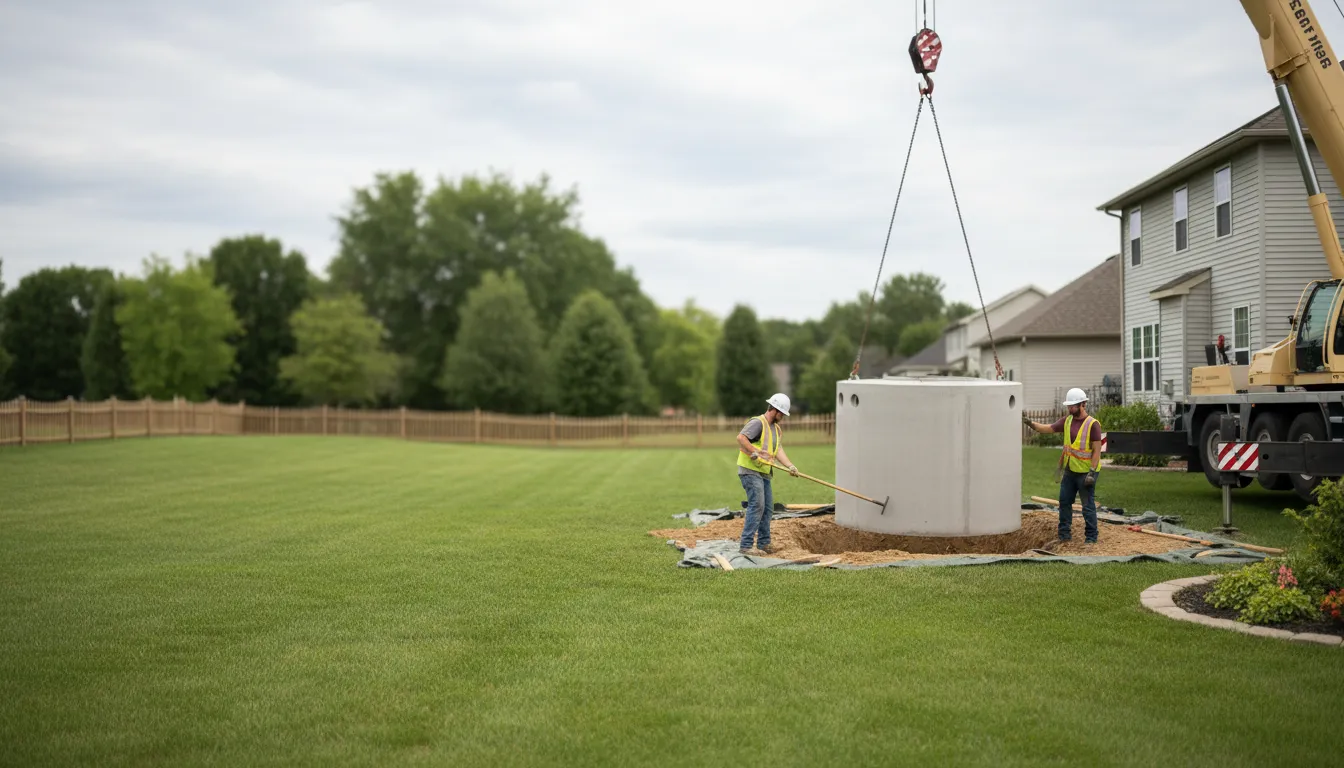
Find the Best Septic Tank Installation & Replacement Contractors for Your Business
No obligation • Fast responses • Nationwide coverage

Why you can trust Septic Spot
Septic Spot is a leading United States resource for understanding and comparing septic services. Our editors review providers using consistent criteria and verify key business details. Listings and scores are independent, and companies cannot pay to influence our content.
Search providers near you
Top Septic Tank Installation & Replacement Contractors in Bayonne, New Jersey Ranked
Installing or replacing a septic system is a significant home improvement project that ensures the safe and efficient treatment of household wastewater. In Bayonne, this process is governed by strict state and local health regulations to protect public health and the environment. This guide explains the critical steps, costs, and regulations for septic system work in Bayonne, helping you understand what to expect and how to connect with qualified local professionals for your project.
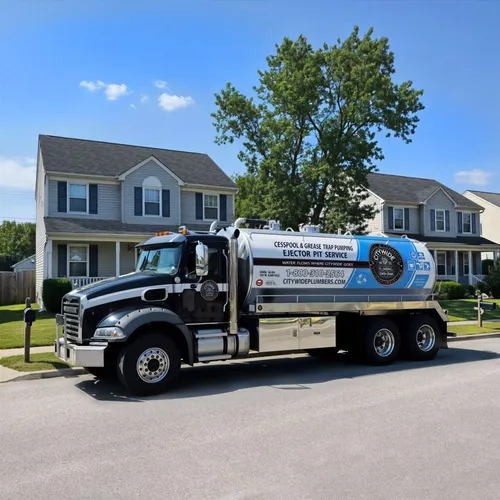
Citywide Grease Trap Maintenance | Cesspool Pumping Service Long Island
110 Voice Rd, Carle Place, NY 11514
Citywide Grease Trap Maintenance | Cesspool Pumping Service Long Island provides septic and cesspool pumping, inspection, repair, and installation services in New York, NY. Serving both residential and commercial clients, they offer comprehensive maintenance and cleaning to prevent system failures. Their skilled technicians use advanced equipment for installations and repairs, including grease trap pumping and sewage ejector pit services. With over 65 years of experience, Citywide operates 24/7 to address emergency needs promptly.
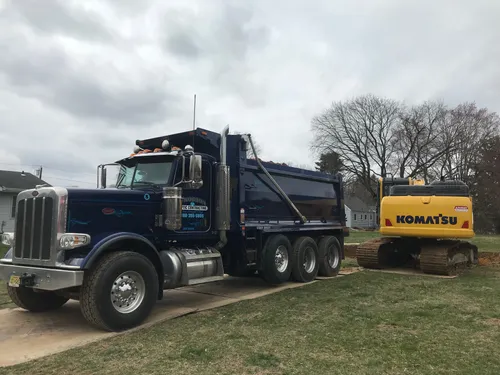
A Norton Septic Contracting
3171 US-9, Old Bridge, NJ 08857
A Norton Septic Contracting is a full-service septic company based in New York, NY, offering septic tank pumping, inspections, repairs, and installations. They serve residential and commercial clients and specialize in alternative septic systems like Hoot and Infiltrator. With over 30 years of experience, they provide NJDEP-compliant inspections and have developed effective repair methods for systems that fail prematurely. The company emphasizes proper maintenance and offers consultations to troubleshoot septic issues. They provide personalized service and handle each project from start to finish.
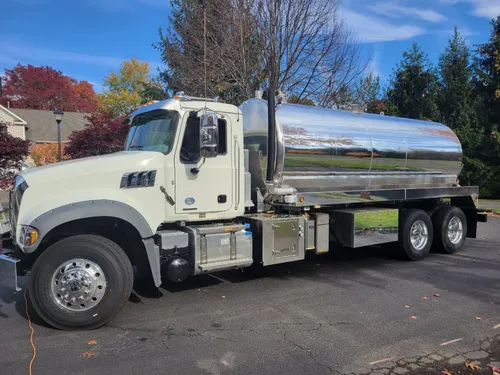
North Shore Cesspool & Drain Corp
231 Lawrence Ln, Glen Cove, NY 11542
North Shore Cesspool & Drain Corp provides cesspool and septic system services in New York, NY. They offer pumping, cleaning, inspections, repairs, and installations for residential and commercial properties. Their capabilities include hydro jetting and sewer line camera inspections. The company serves Long Island and is available 24/7 for emergency flooding response and backups.
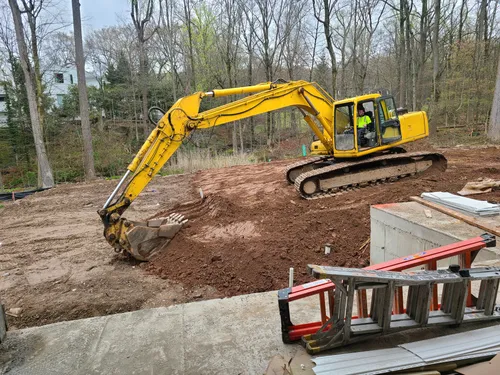
Ken Van Wyk land Improvement
106 Werimus Rd, Woodcliff Lake, NJ 07677
Ken Van Wyk Land Improvement is a septic tank installation contractor based in New York, NY. The company offers a range of excavation services including demolition, residential and commercial excavation, septic system installation, and rock wall installation. With over 40 years of experience, they handle tasks from land clearing to site grading, providing comprehensive site preparation for construction projects.
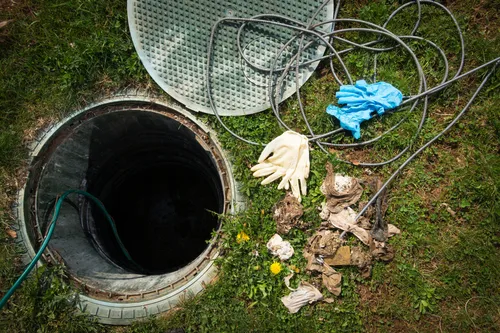
WHERE OLD MEETS NEW LLC
2a Great Meadow Ln, East Hanover, NJ 07936
WHERE OLD MEETS NEW LLC is a family-operated septic service company based near New York, NY, serving the communities of Northern New Jersey. They provide full-service septic system maintenance, repair, and installation for both residential and commercial properties. With over 50 years of experience, the company offers expertise in all aspects of septic systems, including planning and permitting for new installations. WHERE OLD MEETS NEW LLC is licensed and insured, continuing a legacy that began with B Horstmann Septic Service founded in 1978.
Understanding New Jersey's Septic System Regulations
All septic system installations and replacements in New Jersey, including Bayonne, must comply with the New Jersey Department of Environmental Protection (NJDEP) standards, specifically NJAC 7:9A. These rules are enforced by the local health department, which must approve all projects before any work begins. The regulations are designed to ensure systems are properly sized, sited, and constructed to prevent contamination of groundwater and surface water.
Key regulatory requirements include:
- Engineered Design: New Jersey mandates that a licensed professional engineer design the system. This is not a simple contractor sketch; it involves formal soil analysis and detailed plans submitted for permit approval.
- Minimum Tank Sizing: Tanks must be sized based on the home's capacity, typically a minimum of 250 gallons per bedroom 1.
- Soil and Setback Requirements: Systems require a specific vertical separation-at least 2 feet-between the bottom of the drainfield and the seasonal high-water table or bedrock 2. Strict setbacks from property lines, wells, and buildings are also enforced.
The Step-by-Step Installation & Replacement Process
Navigating a new septic system installation or a full system replacement follows a multi-stage process with several checkpoints. Understanding this timeline, which can span 12 to 20 weeks from start to finish, helps in planning your project effectively.
1. Initial Site Evaluation and Soil Testing
The first technical step is a comprehensive site evaluation conducted by a certified soil evaluator or engineer. The cornerstone of this evaluation is the percolation (perc) test, which measures the soil's ability to absorb water 3.
- Procedure: Test holes are dug to the proposed drainfield depth, pre-soaked to simulate saturated conditions, and then filled with water to time the drop in water level.
- Purpose: The results determine the soil's suitability and the required size of the drainfield. Poor perc rates may necessitate a more advanced (and costly) system design.
2. Engineering Design and Plan Submission
Once soil data is collected, a licensed professional engineer uses it to create the official system design. This plan specifies the tank size, drainfield layout, pipe specifications, and the exact type of system (e.g., conventional trench, chamber system) 4. The engineer then prepares the permit application package, which includes the design plans, the soil test report, and the application forms for the local health department.
3. Permit Application and Review
The completed application package is submitted to the Bayonne health department (or the relevant Hudson County office). Permit fees typically range from $300 to $1,500 5. The review process can take 4 to 8 weeks as officials verify the design meets all NJDEP and local code requirements 6. No excavation can begin until the permit is issued.
4. System Installation and Inspections
With permit in hand, a licensed septic contractor can begin construction. The installation involves precise excavation, placement of the tank and distribution box, and construction of the drainfield. Critical inspections are required at this stage:
- Pre-cover Inspection: Before the tank and drainfield are backfilled with soil, a health department inspector must examine the components to ensure they match the approved design and are installed correctly 7.
- Final Inspection: After installation is complete and the site is graded, a final inspection is conducted to certify the system for use 8.
Find the perfect septic tank installation & replacement contractors for your needs
Get personalized recommendations and expert advice
Cost Breakdown for Septic Systems in Bayonne
The total cost for a septic system installation or full replacement in Bayonne is substantial, reflecting the engineering, permitting, and construction work required. Prices can vary widely based on lot conditions, soil type, system size, and technology. Here is a typical cost breakdown for a standard residential system:
- Soil Testing/Perc Test: $500 - $1,500
- Engineering Design: $2,000 - $4,000
- Permit Fees: $300 - $1,500
- Installation/Construction: $15,000 - $35,000
Total Estimated Cost Range: $17,800 - $42,000+
This total aligns with the broader New Jersey range of $15,000 to $35,000+ for standard systems 9. Complex sites with poor soil, high water tables, or the need for advanced treatment systems (like aerobic treatment units or mound systems) can drive costs significantly higher.
When is a Full System Replacement Needed?
Understanding when to repair versus replace your onsite wastewater system is crucial. While pumping and minor repairs can extend a system's life, there are clear signs that a full replacement is necessary:
- Drainfield Failure: Persistent soggy areas or sewage odors in the yard, even after tank pumping, often indicate a clogged or failed drainfield.
- Structural Tank Damage: Cracks, collapse, or severe deterioration of the concrete or fiberglass tank that cannot be repaired.
- System Non-Compliance: Older systems that do not meet current NJDEP setback or design standards, often discovered during a property transfer inspection.
- Home Expansion: Adding bedrooms or significantly increasing wastewater flow may require a larger, permitted system.
The Importance of Professional Certification
Given the regulatory complexity, choosing the right team is non-negotiable. Your project requires two key licensed professionals:
- A Licensed Professional Engineer (PE): Responsible for the site evaluation, soil interpretation, and stamped design plans. Their work forms the basis of your permit.
- A Licensed Septic Contractor: Responsible for the physical installation according to the approved plans. They should carry appropriate insurance and have a proven track record with local health department inspections.
Always verify licenses and ask for references from recent projects in Hudson County.
Frequently asked questions
Sources
Footnotes
-
New Jersey Septic Tank Rules And Regulations - https://www.arrowsewernj.com/blog/septic-tanks-in-new-jersey-what-you-need-to-know/ ↩
-
NJDEP| Division of Water Quality | Permitting Information - https://dep.nj.gov/dwq/wastewater/septic-systems/permitting-information/ ↩
-
The Complete Guide to Soil Testing for Septic System Design - https://www.mapengineering.net/the-complete-guide-to-soil-testing-for-septic-system-design/ ↩
-
The Complete Guide to Septic System Installation and ... - https://excavatingnj.com/blog/the-complete-guide-to-septic-system-installation-and-permitting-in-new-jersey/ ↩
-
Understanding Septic Tank Permits and Regulations - https://westcoastsanitationinc.com/understanding-septic-tank-permits-and-regulations/ ↩
-
The Real Cost of Septic Installation in New Jersey (2025) - https://www.atsenvironmental.com/blog/the-real-cost-of-septic-installation-in-new-jersey-2025/ ↩
-
How Septic System Inspections Are Performed in New Jersey - https://thesewerkings.com/blog/septic-system-inspections/ ↩
-
New Jersey Septic System Rules - 2026 Guide - https://thesewerkings.com/blog/new-jersey-septic-system-rules/ ↩
-
NJ Septic Regulations for 2026: Inspections, Permits & Rules - https://www.atsenvironmental.com/blog/nj-septic-regulations-for-2026/ ↩