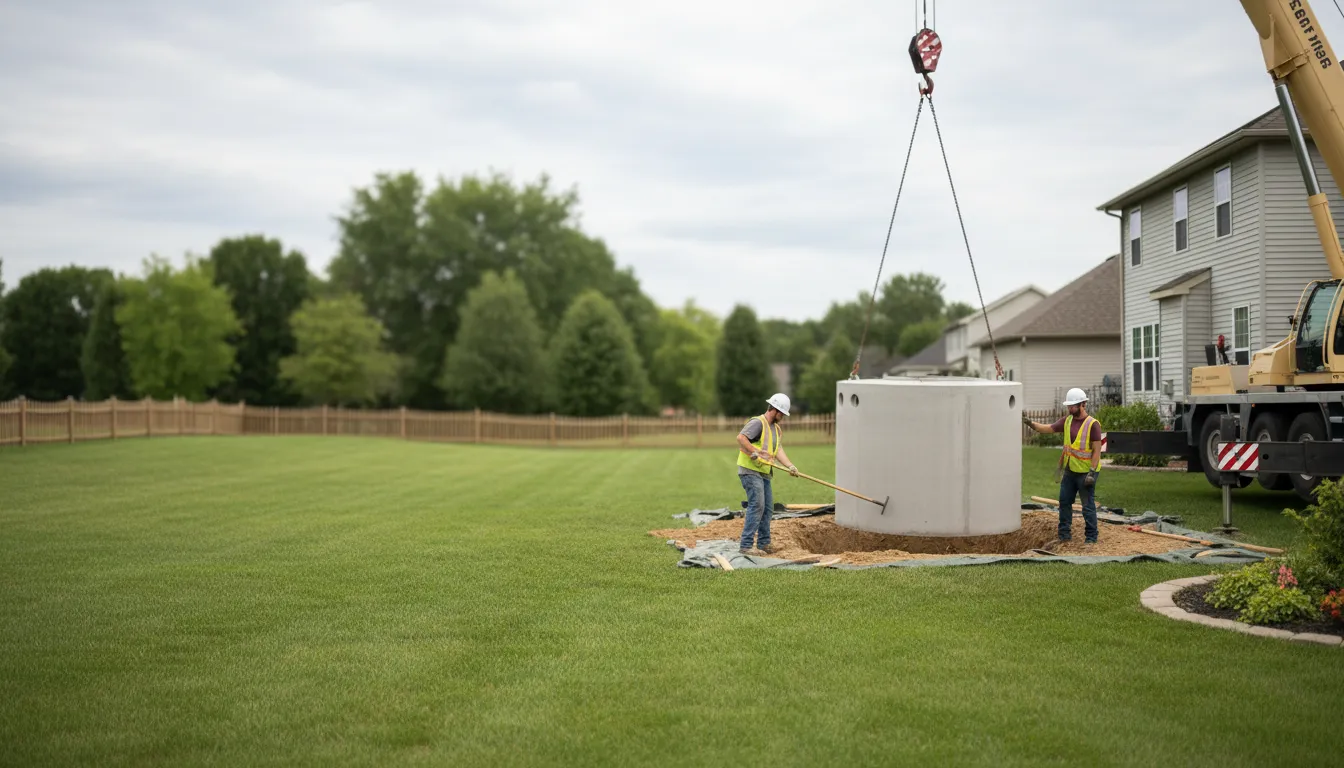
Find the Best Septic Tank Installation & Replacement Contractors for Your Business
No obligation • Fast responses • Nationwide coverage

Why you can trust Septic Spot
Septic Spot is a leading United States resource for understanding and comparing septic services. Our editors review providers using consistent criteria and verify key business details. Listings and scores are independent, and companies cannot pay to influence our content.
Search providers near you
Top Septic Tank Installation & Replacement Contractors in Edison, New Jersey Ranked
Installing or replacing a septic system is a significant investment in your property's infrastructure and environmental health. A properly designed and permitted system safely treats household wastewater, protects local groundwater, and ensures your home remains compliant with state and local regulations. For Edison homeowners, navigating the permitting process, soil testing, and contractor selection can be complex. This guide provides a clear overview of the steps, costs, and regulations involved in septic system work in Middlesex County, helping you make informed decisions and connect with qualified local professionals.
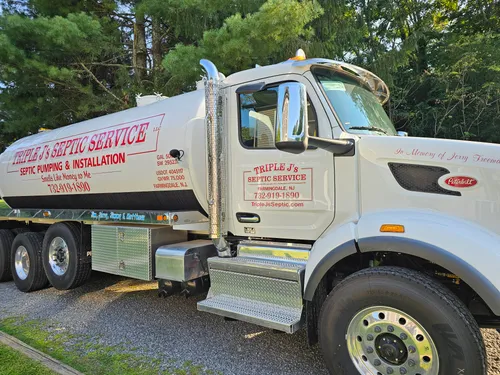
Triple J's Septic Services LLC
34 Asbury Ave, Farmingdale, NJ 07727
Triple J's Septic Services LLC is a family-owned business based in Lakewood, NJ, providing septic tank pumping, repairs, and installation services. Established in the late 1980s by Gerald Freeman, the company holds an A-901 State License, ensuring compliance with New Jersey regulations. They also offer grease trap pumping and manage complex projects involving engineering and additional contractors. With decades of experience, Triple J's supports customers through every step of septic system care and maintenance.
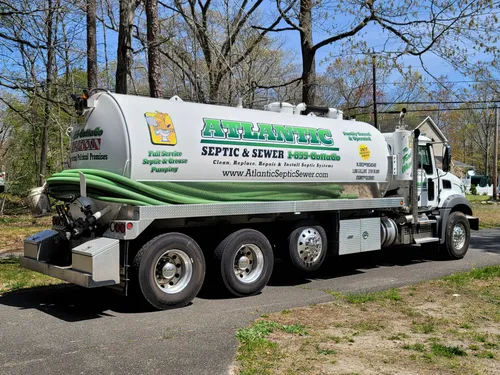
Atlantic Sitton Services, Inc.
647 Herman Rd, Jackson Township, NJ 08527
Atlantic Sitton Services, Inc. provides septic system installation, repair, inspection, and pumping services in Lakewood, NJ. They serve residential, commercial, and government clients across New Jersey, offering additional services such as grease trap cleaning, grease tank pumping, and used cooking oil collection for recycling. Their certified technicians handle septic system jetting, sludge and liquid waste removal, and new construction excavation. With over 30 years of experience, Atlantic Sitton Services emphasizes environmentally conscientious practices and offers emergency services 24/7 to support system functionality and environmental health.
A Norton Septic Contracting
3171 US-9, Old Bridge, NJ 08857
A Norton Septic Contracting is a full-service septic company based in New York, NY, offering septic tank pumping, inspections, repairs, and installations. They serve residential and commercial clients and specialize in alternative septic systems like Hoot and Infiltrator. With over 30 years of experience, they provide NJDEP-compliant inspections and have developed effective repair methods for systems that fail prematurely. The company emphasizes proper maintenance and offers consultations to troubleshoot septic issues. They provide personalized service and handle each project from start to finish.
WHERE OLD MEETS NEW LLC
2a Great Meadow Ln, East Hanover, NJ 07936
WHERE OLD MEETS NEW LLC is a family-operated septic service company based near New York, NY, serving the communities of Northern New Jersey. They provide full-service septic system maintenance, repair, and installation for both residential and commercial properties. With over 50 years of experience, the company offers expertise in all aspects of septic systems, including planning and permitting for new installations. WHERE OLD MEETS NEW LLC is licensed and insured, continuing a legacy that began with B Horstmann Septic Service founded in 1978.
Michael Smith Excavating & Septic Systems LLC
205 Bordentown Turnpike, Monroe Township, NJ 08831
Michael Smith Excavating & Septic Systems LLC is a locally owned company based in Monroe Township, NJ, serving New York, NY, and surrounding areas. Established in 1970, the company specializes in septic system installation, repair, inspection, and excavation services for both residential and commercial properties. Their expertise includes comprehensive septic system repairs, drain field replacement, and land excavation tailored to client needs. With over 55 years of experience, they hold certification as septic professionals and are members of the New Jersey Septic Management Association.
Understanding Septic Systems and Local Requirements
A septic system is an on-site wastewater treatment system for properties not connected to a municipal sewer line. It typically consists of a septic tank, which separates solids from liquids, and a drain field (or leach field), where the treated liquid effluent is dispersed into the soil for final purification. In Edison, all septic system installations, replacements, and major repairs are regulated under New Jersey's stringent environmental codes, specifically N.J.A.C. 7:9A. The local Edison Township Health Department and the New Jersey Department of Environmental Protection (NJDEP) oversee this process to protect public health and water resources.
The Permit Process in Edison Township
Before any digging begins, you must secure the necessary approvals. The permitting process involves multiple stages and local departments.
- Zoning Review: Your project starts with the Edison Township Zoning Officer, who reviews the proposed system location for compliance with local zoning ordinances, including setbacks from property lines, wells, and buildings.
- Health Department Approval: The local health department must approve the system's design and issue permits for its location, construction, or alteration. This step is critical and requires submitting detailed plans, often prepared by a licensed professional engineer 1.
- Construction Permits: Once the health department approves the design, you must obtain construction permits from Edison's Code Enforcement office. Building, electrical, plumbing, and fire subcode officials will review the plans for compliance with the New Jersey Uniform Construction Code.
- Final Approval: After all reviews are complete, permits are issued. The entire permitting process can take up to 20 working days 2. Construction cannot legally commence until all permits are in hand.
Critical First Step: Soil Testing and Site Evaluation
The feasibility and design of your septic system hinge entirely on the conditions of your soil. A professional site evaluation is mandatory in New Jersey.
- Soil Percolation Test (Perc Test): This test measures the soil's absorption rate by timing how quickly water drains from a saturated hole. The results determine the size and type of drain field required.
- Deep Test Pit Observation: A licensed site evaluator or engineer will excavate test pits to examine the soil profile. Regulations typically require at least 2 feet of suitable, unsaturated soil beneath the proposed drain field area. The depth to seasonal high water table and bedrock is also assessed.
- Pre-Soaking: Test holes are often pre-soaked for a period to simulate saturated conditions, ensuring the results are accurate for the worst-case scenario 3.
These tests determine if your property can support a conventional gravity-fed system or if a more complex (and costly) alternative system, like a mound or aerobic treatment unit, is necessary 4.
System Design, Sizing, and Inspection Protocols
With soil data in hand, a system can be designed by a licensed professional engineer or a certified septic system designer.
- Tank Sizing: In New Jersey, residential septic tanks must have a minimum capacity of 1,000 gallons. A common rule of thumb is to plan for 250 gallons per bedroom in the home.
- Setback Requirements: The design must adhere to strict setback distances from wells (typically 50-100 feet), buildings (10-25 feet), property lines, and surface water 5.
- Construction Inspections: Inspections are required during installation to ensure the work matches the approved design plans. Key stages include the excavation of the tank and drain field, the placement of the tank, and the final backfilling 6.
- Final Certification: Upon passing a final inspection, the system receives a certificate of compliance, which is valid for three years in New Jersey. A failing inspection could necessitate costly repairs or even a full system replacement.
Find the perfect septic tank installation & replacement contractors for your needs
Get personalized recommendations and expert advice
Cost Breakdown for Installation and Replacement
The cost of septic work in Northern New Jersey varies widely based on system type, soil conditions, and property specifics. Here is a typical breakdown for the Edison area:
- Engineering and Permits: This upfront cost typically ranges from $3,700 to $8,300. It includes soil testing ($1,000-$2,000), engineering design ($2,000-$4,000), and permit fees ($500-$1,500) from the township and state 7.
- Full System Installation: For a new conventional septic system on a suitable site, homeowners can expect to pay between $15,000 and $25,000 8. If the soil requires an alternative system (like a mound, sand filter, or aerobic system), costs can escalate to $35,000-$60,000 or more 8.
- Tank-Only Replacement: If the drain field is still functional and only the tank needs to be swapped out in the same location, costs are lower, generally $10,000 to $15,000.
- Complete System Replacement: Replacing both the tank and the drain field falls into the "full system installation" cost range of $15,000-$25,000+ 9.
Long-Term Maintenance for System Longevity
A new or replaced system is a long-term asset that requires proper care.
- Regular Pumping: The septic tank should be pumped every 3 to 5 years to remove accumulated solids and prevent clogging of the drain field.
- Routine Inspections: Have the system inspected by a professional every 1 to 3 years to catch minor issues before they become major failures.
- Protect the Drain Field: Never drive or park vehicles over the septic tank or drain field, as compaction can crush pipes and ruin the soil's absorption ability. Avoid planting trees nearby, and do not build structures like sheds or patios over the system 10.
- Mind What You Flush: Only human waste and toilet paper should go down the drain. Avoid chemicals, grease, wipes, and other non-biodegradable items.
Choosing a Qualified Contractor in Edison
Given the technical and regulatory complexity, selecting the right contractor is paramount. Look for a licensed, insured professional with extensive experience in Middlesex County. They should be familiar with Edison Township's specific permit procedures and inspectors. A reputable contractor will handle the permit application process, provide detailed written estimates, use high-quality materials (like concrete or fiberglass tanks), and obtain all necessary inspections for final certification. Always check references and verify their license status with the NJDEP 11.
Frequently asked questions
Sources
Footnotes
-
NJDEP| Division of Water Quality | Permitting Information - https://dep.nj.gov/dwq/wastewater/septic-systems/permitting-information/ ↩
-
Code Enforcement - Edison Township - https://www.edisonnj.org/departments/engineering_department/code_enforcement.php ↩
-
The Complete Guide to Soil Testing for Septic System Design - https://www.mapengineering.net/the-complete-guide-to-soil-testing-for-septic-system-design/ ↩
-
The Complete Guide to Septic System Installation and ... - https://excavatingnj.com/blog/the-complete-guide-to-septic-system-installation-and-permitting-in-new-jersey/ ↩
-
New Jersey Septic Tank Rules and Regulations - Arrow Sewer & Drain - https://www.arrowsewernj.com/blog/septic-tanks-in-new-jersey-what-you-need-to-know/ ↩
-
How Septic System Inspections Are Performed in New Jersey - https://thesewerkings.com/blog/septic-system-inspections/ ↩
-
NJ Septic Regulations for 2026: Inspections, Permits & Rules - https://www.atsenvironmental.com/blog/nj-septic-regulations-for-2026/ ↩
-
The Real Cost of Septic Installation in New Jersey (2025) - https://www.atsenvironmental.com/blog/the-real-cost-of-septic-installation-in-new-jersey-2025/ ↩ ↩2
-
How Much Does It Cost To Replace A Septic System In Northern NJ? - https://dsepticservice.com/b/septic-system-replacement-cost-new-jersey/ ↩
-
SEPTIC - NJ.gov - https://dep.nj.gov/wp-content/uploads/dwq/pdf/septicmn.pdf ↩
-
Division of Water Quality | Professional Information - NJDEP - https://dep.nj.gov/dwq/wastewater/septic-systems/professional-information/ ↩